Blog

  • How can hospitals switch to renewable energy without disrupting care?

    How can hospitals switch to renewable energy without disrupting care?


    How can hospitals transition to renewable energy without disrupting care?

    With the NHS striving to achieve their ambitious net zero goals, the challenge is underway to transition hospitals away from a reliance on traditional fossil fuelled heating systems to renewable, energy efficient alternatives.

    To meet their targets of reducing directly controlled carbon emissions by 80% by 2032 and achieving a net-zero NHS by 2040, the development of innovative decarbonisation projects is essential, as is ensuring that patient services are maintained throughout their implementation.

    Project Development Engineer, Jon Williams, has 26 years of experience in delivering complex energy projects within the healthcare sector. He shares insight into how these projects can be delivered while ensuring energy resilience, why early engagement is essential, and how we go above and beyond to ensure minimal disruption to hospital and its patients.

    Balancing decarbonisation with hospital operations

    While the transition away from fossil fuels has its complexities, factor in other energy conservation measures such as building fabric improvements (draught proofing, roof insulation, pipework insulation), solar PV and the replacement of ventilation system fan motors etc., means the challenges in implementing these solutions without disrupting hospital services requires careful consideration, planning and collaboration.

    Heating, cooling, hot water and electrical services can have a direct impact on patient care, so a considered solution is required to enable these services to remain uninterrupted at all times. This can be a challenge, especially when transitioning from legacy systems to renewable alternatives. Developing these projects requires a full understanding of the hospital’s current operations in order to design and establish a resilient solution. This not only includes the physical equipment, but the phasing of the programme to prevent downtime and minimise risk. This could include the provision of additional pumps, so that if one fails the other continues to deliver heat, or planning the change over from legacy steam services to new LTHW in the summer months where the dependence on heating is reduced.

    While it may seem obvious that heating, hot water and electrical services cannot be interrupted, there are many other factors that also need to be addressed when we design and implement our energy solutions, and early engagement with the correct people is essential for success. Factors such as noise, access, traffic management are all considerations that need to be managed, with the mitigating factors being different depending on the environment, department or services being affected.


    Understanding the hospital environment

    When developing our energy projects, it is important for us to collect as much information as we can. This isn’t only limited to the technical aspects on how the Trust’s current heating and energy infrastructure is configured and controlled, but the wider operational nuances of a live hospital environment. These can range from clinical services, staff training, parking arrangements and even kitchen operations.

    A recent example of this was the replacement of catering equipment within a main kitchen, providing hot and cold meals to patients, staff and visitors alike. It was found that some legacy equipment (dishwashers, pressure cookers etc.), still had a reliance on the steam services we were looking to remove as part of our decarbonisation project. Engagement with the catering department enabled us to replace the equipment with suitable electrical alternatives and arranged the works in these areas so that their meal preparations and service periods were uninterrupted.


    Collaboration and communication

    Our early engagement provides us with the opportunity to build in mitigation measures as part of our solutions, so that site-wide services can continue to be provided with as little disruption as possible, enabling the Trusts that we work with to continue to deliver both clinical and non-clinical services in the most efficient and effective way possible, with minimal impact to patient care.

    In the early days of our project programme, we have found it useful to undertake a ‘Prestart Workshop’ with key stakeholders, department leads and the Trust’s technical teams. By collaborating with relevant groups, we have found that we can obtain a good ‘buy-in’ from those in key positions, so they know the reasons we are there and what we, as collective, are trying to achieve. As the project moves into the construction phases it is important that communication in maintained and this is achieved in a number of ways, such as monthly client liaison meetings, and weekly look-ahead reports to highlight upcoming tasks, areas of work and any risks.

    In addition, our construction teams continue to maintain relationships throughout the project term, meeting regularly with heads of department to establish the activities the Trust is undertaking so we can implement our works without impacting operations.

    An example of this would be the development of our ‘Traffic Plan’. We understand that space within many hospital estates is at a premium, and additional personnel on site can impact on staff and patient parking, general access and potentially affect ‘blue light routes’. We work with our Trusts to reduce vehicle traffic as much as possible and recently supported one Trust in promoting their Park and Ride scheme, encouraging off-site parking and vehicle sharing in order to keep site traffic to a minimum. Our site teams also endeavour to arrange equipment and materials deliveries around the requirements of the Trust and the departments it will affect, while also maintaining our programme.

    There are countless examples of considerations we look to implement to limit the disruption to patient care and hospital services, but with careful planning, collaboration, communication and the right technical expertise there are no challenges that we cannot overcome.


  • Digital Twins: The Blueprint of Energy Transformation

    Digital Twins: The Blueprint of Energy Transformation


    Digital Twins: The Blueprint of Energy Transformation

    As the energy landscape evolves, so too must the tools we use to design, optimise and futureproof our infrastructure. Among the most transformative of these tools is the Digital Twin – a virtual replica of a physical system that allows us to simulate, analyse and improve performance with high levels of precision.

    Having worked with Digital Twin for a number of years, Energy Projects Development Manager, John Fonseka, shares insight into how this technology works, and the benefits it can bring.

    From Site to Simulation: Building the Digital Twin

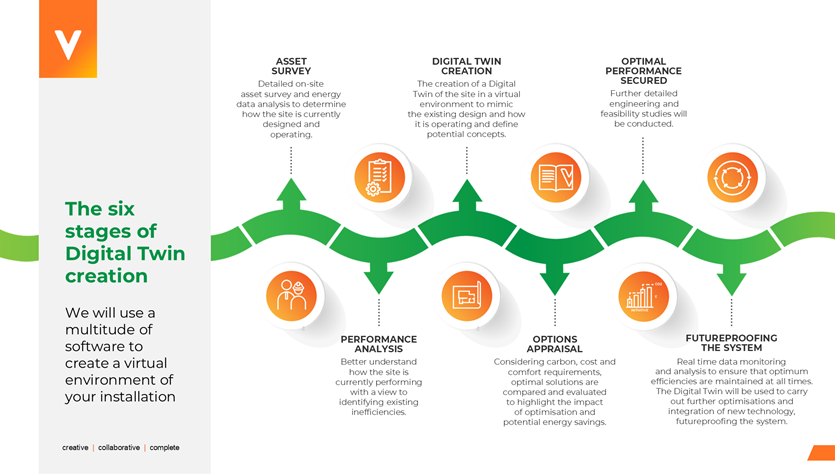
    Creating a Digital Twin is not a one-click process. At the heart of this transformation is the six-stage process outlined in the diagram below. Vital Energi’s methodology complements this by conducting extensive site and BMS surveys, ensuring the Digital Twin is built on a foundation of accurate and comprehensive data.

    It begins with a detailed on-site asset survey and energy data analysis to understand how a site’s energy generation and distribution system is currently designed and operating. This foundational step ensures that the virtual model reflects the real-world conditions accurately, capturing the nuances of legacy systems, operational constraints and energy flows.

    Sandbox for Innovation

    Once the Digital Twin is built, it becomes a sandbox for innovation. Engineers can test concepts, simulate performance under different scenarios and identify inefficiencies that would be difficult to detect otherwise. This is where the real value emerges – not just in visualising the system but in understanding it deeply enough to optimise it. We use this sandbox to stress-test proposed modifications under various conditions, such as partial loads and adverse weather, to optimise system performance before implementation.

    The process continues with performance analysis and options appraisal. Here, carbon, cost and comfort are weighed to determine the most effective solutions. Whether it’s adjusting flow temperatures, reconfiguring control strategies or integrating new technologies, the Digital Twin provides a safe and insightful environment to explore possibilities before committing to physical changes. The calibrated Digital Twin enables us to generate techno-economic studies to accurately quantify the feasibility of integrating low carbon technologies like heat pumps.

    Beyond Optimisation: Managing Future Uncertainty

    But the journey does not end with optimising an existing installation or installing an optimised design. The Digital Twin evolves alongside the system it represents. Through real-time data monitoring and analysis, it ensures that efficiencies are maintained and improvements are sustained. It becomes a living model with human intervention – one that adapts, learns and guides decision-making over time.

    This approach is particularly valuable in complex environments like healthcare estates, where infrastructure varies widely in age and condition, and operational continuity is non-negotiable. In such settings, the ability to simulate upgrades and assess their impact without disrupting services is a game-changer. It allows teams to plan phased interventions, align technical solutions with funding opportunities and ensure that new systems meet both performance and resilience requirements.

    Digital Twins also support a more holistic view of energy strategy. By integrating energy conservation measures (ECMs) such as BMS upgrades, distribution system improvements, solar PV and fabric improvements into the model, teams can assess how these elements interact and contribute to long-term sustainability. This helps avoid the pitfall of implementing impressive but costly solutions that are difficult to operate efficiently. This process enhances this optioneering strategy by incorporating dynamic simulation capabilities into measurement and verification, delivering more meaningful and actionable data.

    Achieving Success

    Ultimately, the success of Digital Twin initiatives depends on the quality of information used to populate the model. Collaboration is key – from design engineers and energy consultants to estates teams and finance directors, everyone must be aligned on the strategy. The process is creative, collaborative and complete – bringing together data, expertise and vision to shape energy systems that are not only efficient but resilient and future-ready.

    A Mindset Shift

    Digital Twins are not just a technical innovation; they are a mindset shift. They invite us to think differently about how we manage energy, how we plan for change and how we build and commission systems that serve us better. In doing so, they turn ambition into action – and potential into performance. Vital Energi embodies this mindset by transforming ambition into action through a rigorous, data-driven approach that bridges uncertainty and solution.

    Imagine a building not just as bricks and mortar, but as a living, breathing entity – one that can be mirrored, studied and optimised in a virtual reality. This is the promise of the Digital Twin: a dynamic replica of physical infrastructure that allows us to see not only what is, but what could be.

    Real-World Impact

    Digital Twin is not just theory or a buzzword or a shiny new toy to win a sales opportunity. At Bridlington Hospital, the deployment of Hysopt’s Digital Twin technology led to a leap in energy efficiency. Without changing a single piece of hardware, the system’s heat utilisation improved from 83.4% to 98.5% by optimising the operation – a testament to the power of simulation and optimisation. The same virtual model enabled the team to fine-tune return temperatures, unlocking the full potential of low-carbon heat pumps.

    Digital Twins at Vital

    At Vital Energi, we use two Digital Twin platforms for hydronic and hydraulic applications: Hysopt for HVAC system design and optimisation, and MATLAB for product design and performance modelling. These tools are not only used to predict and influence outcomes before they become reality, but they also serve as training platforms, enabling engineers to explore advanced concepts and test designs with no strings attached.

    Digital Twins are redefining how we approach energy systems, turning buildings from static structures into dynamic, responsive environments. They are the blueprint of energy transformation where inefficiencies are exposed, options are appraised and futureproofing without ‘oversizing’ becomes a reality.

    If only I had a pound every time I mentioned ‘Digital Twin’ in this article, I would not be a millionaire, I will be £19 richer!

    The Six Stages of Digital Twin Creation The Six Stages of Digital Twin Creation 0.2 Mb
  • How Embodied Carbon Monitoring Can Reshape the Green Energy Sector

    How Embodied Carbon Monitoring Can Reshape the Green Energy Sector


    How Embodied Carbon Monitoring Can Reshape the Green Energy Sector

    While it may not yet be a quiet revolution, something interesting is happening in the green energy sector.

    Like most things, tenders evolve to reflect changing legislation, policies, and cultural shifts. Recently, some green energy tenders have started to require the monitoring of embodied carbon, the emissions created from manufacturing, transport, and materials at every stage of a project’s lifecycle.

    We first saw this requirement in the Higher Education sector; however, it’s now spreading across both public and private sectors.

    IMG 0470

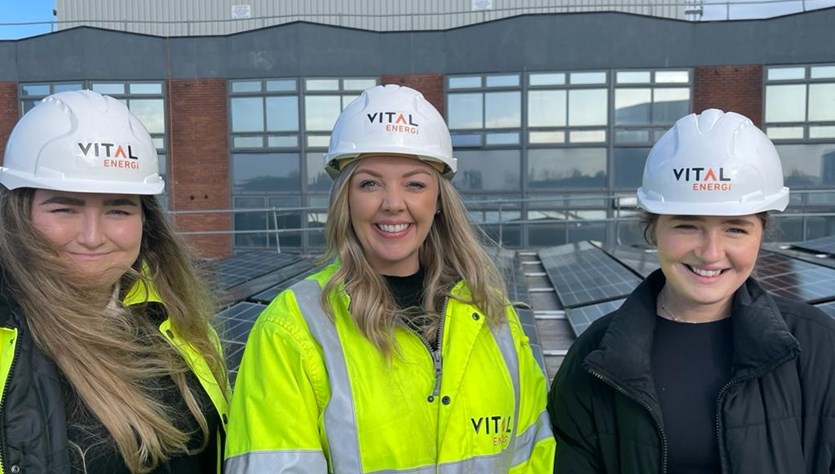
    Gemma is currently working with several of our clients to calculate the embodied carbon on large energy infrastructure projects.

    Solution detail

    Until now, determining the carbon performance of green energy infrastructure has mostly centred on operational carbon reduction, comparing emissions from new systems to previous ones. But this marks an important shift… organisations are increasingly focused on understanding their full Scope 3 emissions, including embodied carbon.

    Gemma Read, Sustainability Graduate – Vital Energi

    I believe there are two key reasons behind the rise of embodied carbon monitoring.  First is the genuine desire by companies to understand Scope 3 emissions to ensure they truly meet their net zero commitments and don’t fall prey to greenwashing.

    The second reason is that carbon assessments and management plans are becoming competitive differentiators. Contractors with this capability are better placed to win business.

    Standards like PAS 2080 now give genuine advantages in the tender process and some organisations, such as National Highways, have made it a requirement for tendering for their contracts.  Some funding schemes such as the Green Heat Network Fund also have Market Transformation Commitments which are the extra measures you’ll commit to if you gain funding.  More and more organisations are using Whole Life Carbon Assessment as one of the tools to meet these requirements.

    Beyond strengthening bids, the real business value lies in improved decision-making. Designers can optimise systems early on, whilst commercial teams better understand the cost-to-carbon savings of materials. A benefit close to my heart is the ability to track materials throughout the project lifecycle, deepening our understanding of the true value of end-of-life treatment and creating the evidence base needed to establish a truly circular economy.

    While embodied carbon monitoring might currently be a small element specified in tenders, its potential to enhance decision-making across design, procurement, construction, and lifecycle management means I expect it to become far more widespread in the near future.

  • Why is BMS the unsung hero of decarbonisation?

    Why is BMS the unsung hero of decarbonisation?


    Why is BMS the unsung hero of decarbonisation?

    When we talk about decarbonisation, people often jump to renewable energy, electrification, and cutting-edge technologies. Yet, one of the most powerful tools for reducing carbon emissions is already sitting at the heart of our buildings: the Building Management System (BMS). A well-optimised BMS can transform energy performance, cut operational costs, and support the journey to net zero, without the need for major structural changes.

    With more than 15 years’ experience, BMS Optimisation Engineer, John Collins, has a unique perspective on why these systems are critical to decarbonisation, particularly in complex, high-demand environments like hospitals. From installation and commissioning to advanced optimisation, he understands how a smart BMS can transform energy performance.

    In his current role at Vital Energi, John is involved in surveying, upgrading, and optimising BMS systems, with a focus on healthcare clients, ensuring they not only meet technical standards but deliver measurable energy savings. His work bridges the gap between design and delivery, combining technical precision with a clear focus on sustainability outcomes.

    In this piece, John shares why BMS plays a key role in decarbonisation, how hospitals can use BMS to achieve meaningful, measurable impact, and more.

    What is a Building Management System?

    A BMS is like a buildings “brain”.  It is also known as a Building Automation System (BAS), or a Building Energy Management System (BEMS).

    It is essentially a computer-based system which monitors and controls all the heating, ventilation and air conditioning systems (HVAC) within a building, or series of connected buildings.

    A BMS quite often also controls and/or monitors other systems such as:

    • Lighting and power distribution
    • Solar PV
    • Energy metering
    • Fire alarms and life safety systems
    • Security and access control

    A BMS is typically made up of a supervisor, which is a graphical interface for an end user to see and control the HVAC systems. This supervisor is then connected to series of BMS outstations throughout the building, either across an ethernet network, or a proprietary network for some older installations.

    The BMS outstations, as an example, are usually situated in plantrooms where air handling units, or heating pumps are present. And are then connected to these via a series of sensors, like temperature sensors, and actuators, which control things like heating valves.

    What is involved in the installation/upgrade of BMS?

    The first step when we upgrade a Building Management System is to review the current BMS setup to understand the age, condition and how it’s currently performing, before designing a clear upgrade plan tailored to the building(s) environment, taking into consideration factors like Health Technical Memoranda (HTMs), which is defined and laid out clearly in reviewable design documentation (RDD) for the client to review and approve.

    Next, we replace outdated hardware with the latest technology, often retrofitting it into existing panels to minimise disruption. We also modernise the BMS network by removing old proprietary networks and in some cases installing a dedicated, secure Ethernet-based BMS network.

    The software is completely rewritten with optimised strategies and updated setpoints, and we refresh the user interface with new graphics and the latest supervisor version for easier control. Alongside this, we install a central weather station for accurate environmental data to feed back into the optimised strategies. We also check and report on the condition of connected HVAC systems with detailed dilapidation reports.

    Finally, we validate the system with the client to ensure everything works as intended and provide full functional description of operations (FDOs) as a part of the operation and maintenance manuals (O&Ms) for the new systems and software strategies.

    How can BMS help organisations achieve their net zero targets?

    BMS is a fundamental part in achieving net zero targets.

    As we have already touched on, the BMS is the thing in charge of controlling a lot of systems within a building. Something that is key for achieving net zero targets is the control of heating and ventilation systems. Now these systems can only operate as good as the thing telling them what to do, and that is the BMS!

    Experience has already told us that changing the BMS hardware alone does not generate any real reduction in energy usage, this largely comes from the software inside, which we put a tremendous amount of effort into analysing and designing optimised software, control logic and strategies, with the latest BMS product ranges providing the perfect platform for this software to be implemented.

    What are the biggest challenges in implementing or optimising BMS within hospital environments?

    Maintaining comfort conditions during hardware installations and through software rewrites. As a company we have a lot of experience with delivering these projects with very little/to no impact to staff or patients, but it is still definitely one of the biggest challenges.

    Another challenge is ensuring our clients fully understand how their system operates, especially since the new optimised software has been implemented. We tackle this by providing full new operation and maintenance documentation as standard with our projects. These are pre-approved by our clients before any changes are implemented and are fully updated once the project is delivered.

    How does BMS impact patient/staff comfort levels?

    The BMS has a huge impact on patient and staff comfort levels, which creates a tricky task designing a system to achieve the same comfort conditions for less energy. We achieve this through extensive energy and weather modelling to establish when and where heating systems can be reduced, and in some conditions be turned off.

    How does BMS contribute to cost savings?

    We have successfully delivered a considerable amount of BMS upgrade and optimisation projects, many of which have overachieved the guaranteed savings.

    One standout project was delivered in collaboration with a major NHS Trust, where collaboration with the Trust and their BMS manager delivered exceptional results. They fully embraced our optimised strategies and even made additional adjustments to settings and schedules, which amplified the savings.

    As a result, annual verified gas savings soared from our guaranteed 1,571,974 kWh to an impressive 7,475,244 kWh – cutting 1,440 tonnes of carbon and saving £199,761 each year, compared to the original target of 371 tonnes of carbon and £65,895 in financial savings.

    Does BMS have to form part of a wider decarbonisation scheme, or can it be a standalone project?

    Something that often gets overlooked is the importance of BMS in wider decarbonisation schemes. In order to carry out other energy conservation measures (ECMs), like replacing secondary heating pumps for more efficient direct drive pumps, changing heating circuits from fixed to variable flow, or retrofitting new EC fans in air handling units, the BMS needs to be considered. All these measures directly integrate into a BMS system, so it is crucial that the system is up to date and optimised properly to get the most out of the other ECMs.

    Not only is the BMS important to anything on the secondary side, but it is also key to any primary side works. If, for example, we are de-steaming a site and installing new low temperature hot water plate heat exchangers, these need to be integrated and controlled by the BMS. Another example is when we install water source, ground source, or air source heat pumps. These systems depend on the BMS to share key information from the building’s existing systems, ensuring they operate effectively and efficiently.

    In short, any new technologies being installed, should, and need to be integrated into the BMS!

    Now that being said, upgrading and optimising your BMS can absolutely be a standalone project that can achieve great energy savings and lay the groundwork for future ECMs, making it the essential first step toward a more efficient, sustainable building.

    Conclusion

    Whether you’re looking to optimise an existing system or plan a full upgrade, the right approach can deliver measurable energy savings, improve comfort, and accelerate your journey to net zero.

    Email [email protected] and talk to our BMS specialists to find out how we can help you transform your building’s performance and achieve your sustainability goals.


  • Unique challenges faced by hospitals when decarbonising their estates…

    Unique challenges faced by hospitals when decarbonising their estates…


    What unique challenges do hospitals face when decarbonising their estates?

    Over the last few years, Energy and Commercial Modeller, Millie Cooney, has worked with NHS Trusts across the UK on exciting decarbonisation projects which harness the latest technologies. Below, she highlights some of the key challenges faced by the NHS on the road to net zero, and explains some of the solutions.

    Decarbonising NHS estates presents a complex challenge, shaped by the realities of ageing infrastructure, clinical operations, and tight capital and operational budgets.

    Many NHS sites continue to rely on legacy steam distribution systems for heating and domestic hot water, which are designed to operate at high temperatures on the secondary side. These systems are often incompatible with modern low carbon technologies such as heat pumps and geothermal solutions, which perform more efficiently at lower temperatures.

    Replacing steam systems typically involves significant infrastructure upgrades, as NHS estates often comprise buildings constructed over decades, with infrastructure of varying age and condition. Site layouts can be inconsistent, plant space is often limited, and electrical capacity may be inadequate to support new systems, particularly with a growing shift towards the electrification of heat.

    Addressing these challenges requires skilled and forward-thinking design and delivery teams to ensure that new low temperature systems are carefully integrated into the existing estate with minimal disruption.

    Operationally, most hospitals must maintain 24/7 services with no tolerance for disruption. Any interruption to heating, hot water or electricity supply can directly affect patient care, especially in critical departments. As a result, decarbonisation works must be carefully phased and meticulously planned in close collaboration with clinical and estates teams. New systems must also offer the same level of resilience as legacy steam boilers, which can be costly to achieve with low carbon alternatives.

    We often adopt a fabric first approach to reduce energy demand before introducing low carbon technologies. Some fabric measures and secondary side elements such as emitter replacements often require working in patient facing areas within sensitive healthcare environments. These works can involve disruption to occupied spaces, including wards and treatment rooms, where maintaining patient comfort, privacy, and safety is the priority. As a result, careful planning and continuous communication with clinical teams are essential to minimise the impact on day-to-day operations and patient care.

    Arguably the greatest challenge NHS Trusts face in decarbonising is managing both the upfront capital investment and the ongoing operational costs. Where Capital Departmental Expenditure Limit (CDEL) limits apply, accessing the right funding is key to achieving net zero targets.

    There are a number of grant funding schemes available to support NHS decarbonisation initiatives and help ease the burden of upfront capital costs. In recent years, the Public Sector Decarbonisation Scheme (PSDS) was a key enabler, allowing many Trusts to take their first significant steps towards net zero. With PSDS now concluded, attention has turned to alternative funding streams such as the Green Heat Network Fund (GHNF), Low Carbon Skills Fund (LCSF), and the Heat Network Efficiency Scheme (HNES), among others, which continue to offer valuable support for decarbonisation projects.

    Securing the right funding solution, whether grant funded or another off balance sheet solution, is key to progressing these projects. With experience in aligning technical solutions with eligible funding options, Vital can help shape deliverable and cost-effective decarbonisation pathways.

    While grant funds have enabled Trusts to fund the upfront investment, the shift to electric heating amid high electricity tariffs can significantly increase operational costs. We often compare it to winning a Ferrari – it works, looks impressive and is great to talk about, but you can’t afford to fuel it.

    To make decarbonisation financially sustainable, a more holistic approach is needed. Energy conservation measures such as BMS upgrades and optimisation, solar PV and fabric improvements can reduce energy demand and offset operational costs, making the transition more viable in the long term.

    A clear, long term decarbonisation strategy that combines both low carbon technologies and energy conservation measures with suitable funding options is key to driving carbon reductions. It is essential that all levels are bought into the strategy, from finance directors, estates teams and clinical staff, to ensure the success of these projects. Decarbonisation is rarely achieved in a single step; a phased approach is often more manageable and effective in the long term. With this mindset, net zero becomes a reality and not just a goal.

    If you’d like to discuss an upcoming project or available funding options, please email [email protected].

  • Reduced Carbon & Lower Energy Bills for Leeds Beckett University

    Reduced Carbon & Lower Energy Bills for Leeds Beckett University


    The Results Are in – Reduced Carbon & Lower Energy Bills for Leeds Beckett University

    In 2022, Leeds Beckett University connected its City Campus to the Leeds PIPES District Heat Network, which takes heat from the local energy-from-waste plant and distributes it through a 30 km network to over 4,100 homes and 29 non-residential buildings.

    The connection was grant-funded through the Public Sector Decarbonisation Scheme, with the main driver being to reduce scope 2 carbon emissions and contribute to the University’s overall goal of achieving net zero by 2035.

    Three years on, with careful monitoring in place, there is now a clear picture of how the new connection has performed, and, more importantly, the practical benefits it has delivered.

    Initial forecasts predicted that the University would save around 370 tonnes of carbon per year. In practice, the monitored data shows that the actual savings have reached 530 tonnes annually, well above the original projection.

    The financial impact has also been significant. Gas accounts for 41% of the University’s energy costs and, by transforming its heating infrastructure, the University has cut these costs by 42%. That equates to almost £250,000 in annual savings.

    Not all these savings came directly from the PIPES heat network connection though. Alongside the heat network interface works, the University installed a new Building Energy Management System, which makes intelligent decisions about how buildings use heat while continuously monitoring performance. This improvement alone reduced heat consumption and accounted for 23% of the total savings.

    Ben Mohatta, Associate Design Director for Vital Energi, led the team that designed the Leeds PIPES project and its interface connections and explained, “The Leeds PIPES heat network can connect to a wide range of buildings, however optimising the efficient usage of energy within the buildings is a fundamental element to creating successful heat networks.

    “This is a great example of how an extended commitment from the end user can result in an amplification of the energy savings and carbon reduction benefits of connecting to a heat network.”

    It is important to note that Leeds Beckett is just one of thousands of success stories. The Leeds PIPES network has now expanded across the city, connecting over 4,100 homes, civic buildings, and dozens of other buildings to bring similar benefits across the community.

    This project shows how investment and collaboration can make a real difference. It’s not just about reducing emissions, it’s also about building a smarter, more resilient energy system for the future.

    Tarik Jacob, Energy Manager

    Image 2025 10 03T105801.635

    The work done by the University’s Estates Team is important as upcoming regulation, heat network zoning and various funding streams are set to see massive growth in the delivery of heat network over the coming years. With the potential scenarios of 20% of the UK’s heat demand being met by heat networks, it’s essential that potential customers can see the financial and environmental benefits which come through connection.

    Solution detail

  • Ealing Hospital cuts greenhouse gases and switches to cleaner energy

    Ealing Hospital cuts greenhouse gases and switches to cleaner energy


    Ealing Hospital cuts greenhouse gases and switches to cleaner energy

    A £5.9m project to reduce carbon emissions and improve energy resilience is underway at Ealing Hospital in west London. The work is expected to cut carbon emissions by around 900 tonnes per year and deliver financial saving of over £260K per year.

    Ealing Hospital is busy district general hospital in Southall west London, run by North West London University Healthcare NHS Trust. The Trust is working with Vital Energi to design and install the major infrastructure upgrade needed to reduce emissions.

    This project not only supports the Trust’s journey to net zero, but also enhances energy resilience and patient comfort, two critical factors in a healthcare setting. We are integrating advanced technologies like heat pumps, solar photovoltaic panels and smart monitoring at Ealing Hospital. This will create a much more sustainable and efficient environment for staff, patients, and visitors.

    Jack Tasker, Account Manager, Vital Energi

    The decarbonisation works at Ealing Hospital are expected to complete by April 2027.

    At the heart of the scheme is a 1MW air-to-water source heat pump system, designed to meet the fluctuating heating and cooling demands of a hospital environment. The cascading configuration of the heat pumps ensures enhanced reliability and redundancy, which is critical for maintaining stable conditions in sensitive areas such as operating theatres and intensive care units.

    Energy conservation measures include upgrades to pipework and roof insulation, secondary side modifications to improve system efficiency, and upgrades to the Building Management System (BMS), including integration with Vital View for advanced monitoring and performance optimisation.

    A 100.35kWp solar PV array, comprising 223 panels installed across available roof spaces, will further contribute to the hospital’s renewable energy generation.

    In addition, three aging gas boilers will be removed and replaced with three 1,500kW low temperature hot water (LTHW) boilers. The new LTHW system has been designed with future compatibility in mind, ensuring it is ready to integrate with potential heat networks should they become available in the area.

    The project is being funded through the Public Sector Decarbonisation Scheme, which is run by the Department for Energy Security and Net Zero. The delivery and administrative body for the scheme is Salix.

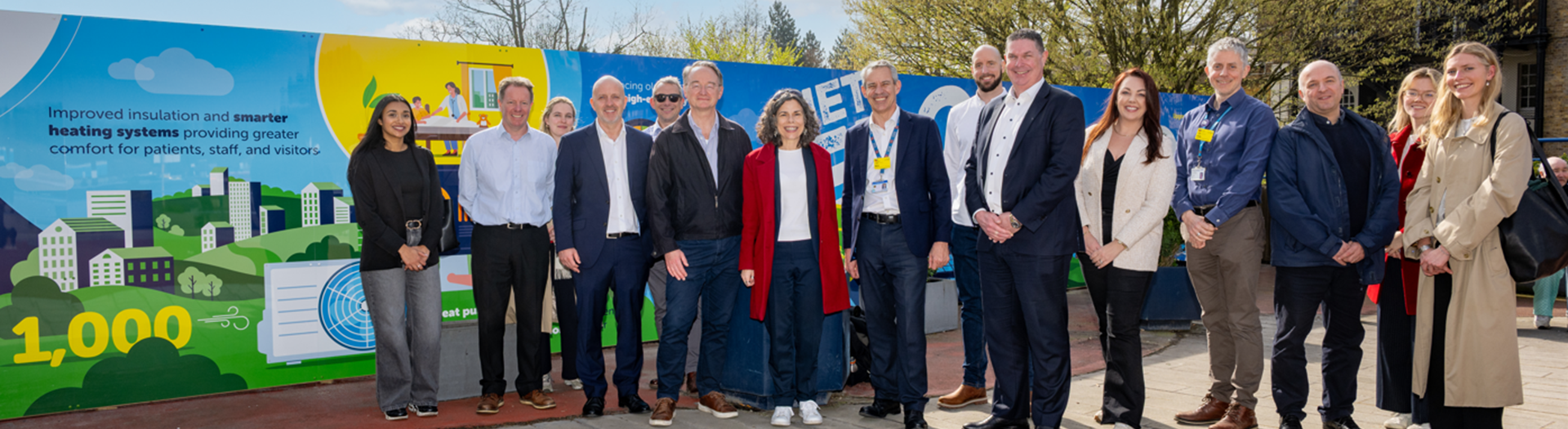
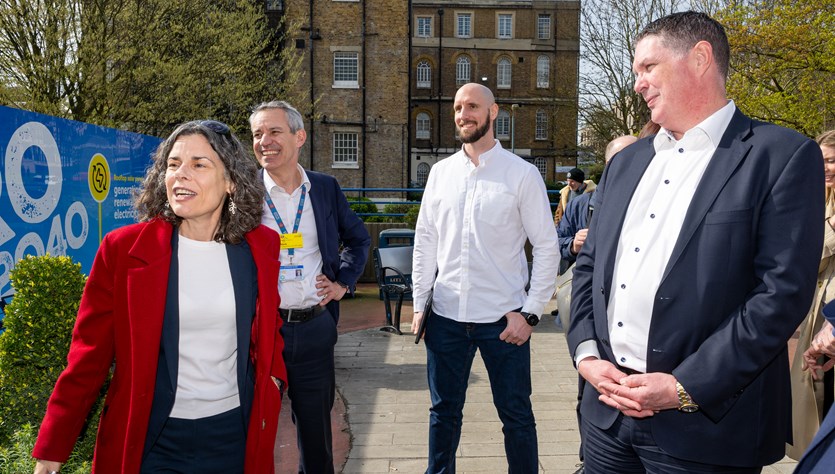
    A ‘groundbreaking’ event was held on the 20 March to formally mark the start of works. Amongst those present was Cllr Paul Driscoll, Ealing Council’s Cabinet Member for Climate Action. Cllr Driscoll added: “We are committed to making Ealing a carbon neutral borough by 2030. I am therefore delighted to learn of the decarbonising work underway at Ealing Hospital, which will make a significant contribution to our commitments. The climate crisis is one of the defining issues of our time and our local NHS Trust is demonstrating that we all need to play our part.”

    The Public Sector Decarbonisation Scheme funding plays a vital role in meeting the NHS net zero targets. Investment isn’t just about cutting carbon – it’s about creating healthier, more comfortable and energy-efficient buildings that support patient recovery and provide better spaces for staff to work and care.

    Ian Rodger, Director of public sector decarbonisation, Salix

    The Carbon and Energy Fund Framework (CEF) is a specialised procurement framework that supports complex energy upgrades across the public sector. CEF project manager Will Fairclough said: “The project work at Ealing includes crucial resilience upgrade works for the hospital, which will significantly improve its energy efficiency. The project team at Salix and Vital Energi are bringing innovation to Ealing Hospital and look forward to integrating future technologies into the Trust’s estate.”

  • Transforming waste into sustainable heating solutions with the GHNF

    Transforming waste into sustainable heating solutions with the GHNF


    Transforming waste into sustainable heating solutions with the help of GHNF

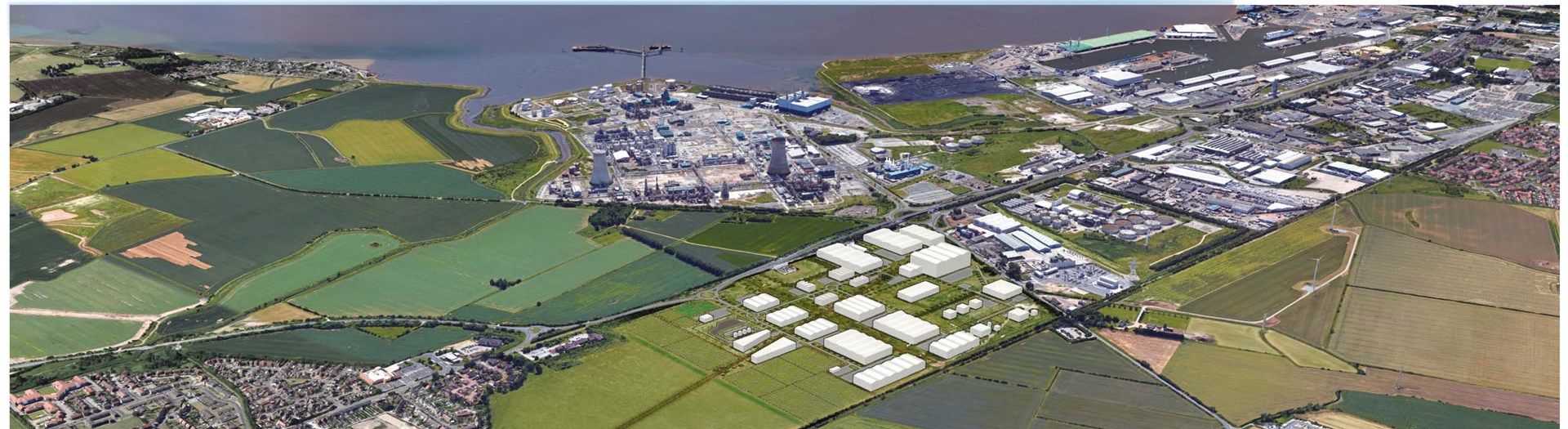
    Vital Energi has been awarded over £22 million from the Green Heat Network Fund for the commercialisation and construction of the Hull East District Heat Network. The heat network presents another innovative use of waste heat from industry, with Phase 1 utilising heat from the Saltend Chemicals Park.

    The heat network will provide low carbon heating to 14 public sector council buildings and a mixture of industrial customers, helping to decarbonise one of the UK’s industrial hotspots. As part of the network, Hull East are also hoping to secure green solar energy to help power the network whilst feeding energy into other customers across Yorkshire Energy Park, a next generation energy and technology business park currently in development.

    Construction of the heat network is expected to begin later in 2024, with the heat network capable of expanding to supply further connections and use using other renewable heat sources across the energy park once completed.

    We’re delighted with the award of the Green Heat Network Funding which will allow us to deliver the Hull East Heat Network. Taking waste heat from Saltend Chemicals Park situated on the Yorkshire Energy Park, we aim to decarbonise commercial and residential buildings across Hull, bringing them closer to a net zero future with low carbon heat and hot water.”

    Mike Cooke , Managing Director,Vital Energi

    The Green Heat Network Fund (GHNF), delivered by Triple Point Heat Networks Investment Management on behalf of the Government, delivers an additional £80.6 million to heat networks in the North of England, London and the South West. Funding is being awarded to projects, like Hull East Heat Network, harnessing waste heat energy from industry.

    An abundance of waste energy is generated in various industrial processes as well as in our daily activities. Manufacturing and human waste disposal processes produce waste heat as a byproduct which can be harnessed to produce low-cost, low carbon heating. Today, funding from the Green Heat Network Fund (GHNF) continues to enable innovative solutions like these to be deployed.

    Projects across England aim to utilise waste heat from sewage works and industry processes, including Bolton Metropolitan Borough Council who will use heat pump technology to extract waste heat from the combined sewer running into the town centre.

    Other projects funded today will use heat pump technology to decarbonise existing developments, new build homes and one of London’s flagship new hubs for creativity – the Greenwich Peninsula development. In Exeter, funding from GHNF will support the installation of the UK’s largest high-temperature water source heat pump to distribute low carbon heat to buildings across the city.

    This latest cohort of successful GHNF applicants are proving that the potential for our homes and workplaces to be heated sustainably and affordably by renewable sources or from waste heat from existing infrastructure such as our sewerage works and industry is being realised today. The use of excess heat from local sewage plants is another exemplary heat network model that builds on and utilises existing infrastructure to deliver low carbon heating to local areas. These projects are expected to move quickly into construction, delivering significant immediate benefits to the communities they will serve while providing a blueprint for others to learn from and develop.”

    Ken Hunnisett, Programme Director, Triple Point HNIM

    These innovative projects will help drive down energy costs while also demonstrating why the UK has led the way in cutting carbon emissions. The funding we’ve announced today will help homes and business across the country – from Exeter to Hull – benefit from greener heating and lower energy bills.”

    Lord Callanan, Minister for Energy Efficiency and Green Finance

  • Role Spotlight: Meg Bradley

    Role Spotlight: Meg Bradley


    Role Spotlight: Meg Bradley

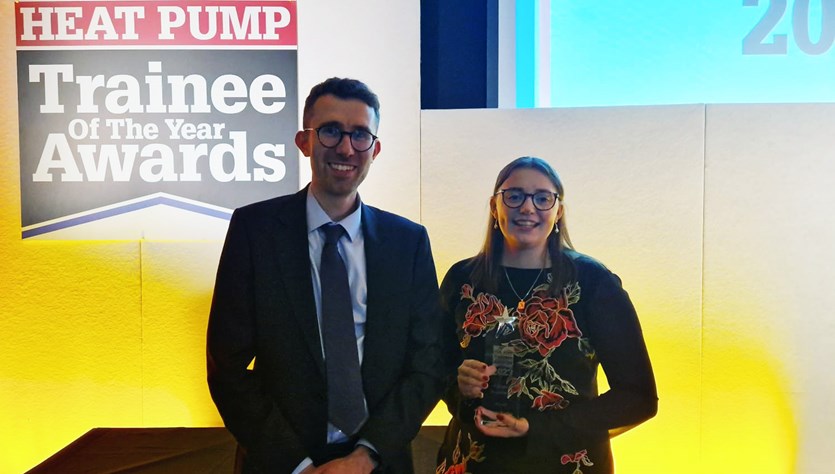
    Since joining as an apprentice in 2023, Electrical Engineer, Meg Bradley, has got stuck into helping design and deliver heat pumps. Her contributions led her to win ‘Trainee of the year’ during the ACR & Heat Pump Awards.

    Hear more about Meg’s role here:

    ‘I am an Electrical Engineer at Vital Energi, where I help design and deliver heat pump systems as part of wider energy solutions that support organisations on their journey to net zero. Heat pumps take heat from the natural resources (typically either air, water or ground) and use it to warm buildings efficiently, using electricity rather than fossil fuels, and they are a key renewable technology to help clients move away from gas and reduce carbon emissions.

    My role focuses on the electrical side of these systems. I design the electrical infrastructure that powers and controls heat pumps, making sure all the components work together
    safely and reliably. That includes selecting the right electrical equipment, supporting the wider design team, and helping to develop the control systems that make sure the heat pump runs efficiently once it’s installed.

    I’ve worked on large projects such as Lancaster University, where heat pumps form a central part of the solution to help create a green campus while ensuring energy resilience. What I find most rewarding about my job is knowing that the systems I help design play a role in helping organisations across the UK transition to cleaner energy. It’s motivating to see complex designs turn into working systems that make a long-term difference for both our clients and the environment.’

  • Role Spotlight: Millie Cooney

    Role Spotlight: Millie Cooney


    Role Spotlight: Millie Cooney

    What does a Project Development Engineer get up to? We find out in the next instalment of our International Women’s Day celebrations, featuring Millie Cooney. Millie helps organisations to understand where their energy comes from and how they can move towards net zero in a practical and reliable way. Read what she had to say about her role:

    “I work with energy intensive organisations such as hospitals, universities and cities, helping them reduce carbon emissions while making sure their energy systems remain safe, resilient and fit for purpose.

    I spend time on site understanding how heat and electricity are currently generated and used, and where improvements can be made. This might involve reducing energy demand or introducing low-carbon technologies such as heat pumps, solar power or energy storage, for example battery storage.

    The solutions we develop are always bespoke and often combine several technologies to balance efficiency, cost and reliability.

    Millie Cooney, Project Development Engineer

    In hospitals in particular, energy resilience is critical – systems must always be dependable, as loss of power or heat could have serious consequences for patient care. A strong example of this is Northwick Park Hospital where we supported a long-term programme to help the site move towards net zero. We replaced an ageing system with low-temperature hot water network and introduced a tailored mix of heat pumps, solar power and battery storage. By working closely with the hospital’s facilities team, we delivered these changes in phases, ensuring energy remained secure and uninterrupted for patient care.

    What motivates me most is seeing these projects make a real difference. The solutions we design don’t just reduce energy bills and carbon emissions, they also provide a secure energy supply and create more comfortable environments for building users. Equally important is the commercial aspect ensuring that solutions are not only technically robust but also affordable for clients. By creating guaranteed performance metrics, with penalties if systems fail to perform as designed, we reduce risk for energy users and ensure these solutions deliver real, lasting value.”