Blog

  • Why are heat pumps so hot right now? Vital’s Elliott Sharpe explains all

    Why are heat pumps so hot right now? Vital’s Elliott Sharpe explains all


    Why are heat pumps so hot right now?

    Air, ground, and water source heat pumps are one of the most effective technologies for reducing carbon, and with a potential 500% efficiency, they are a great solution for projects of all sizes.

    With almost 15 years’ experience in the industry, Elliott Sharpe, Vital Energi’s Design Director in London, leads the design and CAD departments to deliver high quality design solutions that set new standards in best practice. Elliott is helping Vital remain at the forefront of renewable technologies, driving continuous improvement and energy efficiency, with a strong focus on heat pump technology, which is helping the UK’s journey to net zero.

    Elliott gives us an insight into heat pump technology, covering the benefits, for businesses and the environment alike, the factors that have to be considered when thinking about heat pumps, and he tells us about some of the large scale heat pump projects he’s worked on, including the UK’s largest water source heat pump.

    What types of heat pump are there and how do they work?
    Heat pumps can appear quite complicated at first glance, but the technology has been around for quite some time. Think about your fridge at home or an air conditioning system for an office – these are using heat pump technology.
    A heat pump takes energy from a source such as water, the ground, or surrounding air, and then using a refrigerant and power from an electrical supply, this heat is transferred into your home, at a higher temperature than the source. I know what you’re thinking, how does water from a lake or cold air outside turn into hot heating water coming out of the heat pump. This is the clever part inside, the heat pump is compressing and expanding a refrigerant in a cycle, and it’s this process that is able to take water from that cold lake and turn it into heat for your radiators.

    What are the key benefits of heat pumps?
    Efficiency! In the right conditions, a heat pump can operate at 300, 400, dare I say 500% efficiency. What this means is for 1 unit of consumed electrical energy, the heat pump is producing 5 units of energy.

    Heat Pump Delivery At Southwark (1)

    Heat pump delivery at Southwark

    Solution detail

    Are there any other renewable technologies that work well alongside heat pumps?
    Yes, heat pumps are a key part of a wider technology mix, that when combined together can provide a low carbon solution. This might be solar thermal panels that are adding heat into the ground to recharge the thermal energy taken out by the heat pump, or a biofuel CHP engine that’s used to feed electricity to the heat pump.

    What factors have to be observed if considering a heat pump?
    Consider where you’re going to source energy for the heat pump, do you have a river nearby or can you drill deep into the ground on your site? Maybe you have lots of outdoor space for an air source solution. Then think about your local electrical infrastructure, depending on how large your heat pump installation is, this could be a significant factor to consider.  When it comes to water source heat pumps, there is also the potential to drill down and utilise aquifers, which are bodies of water that lie under the surface.

    Tell us about some of the heat pump projects you’ve worked on…
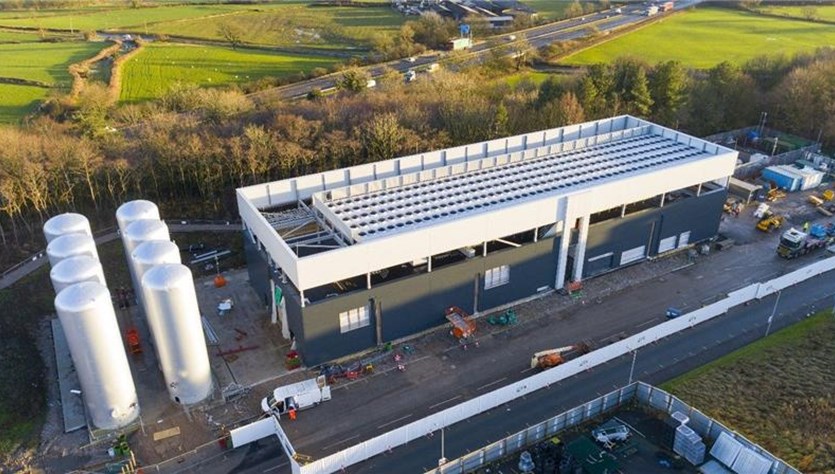
    We are currently developing and delivering seven heat pump projects, with the most recent completion being the UK’s largest district heating connected water source heat pump project at Queens Quay, Clydebank, where we installed two 2.65MW heat pumps to extract energy from the River Clyde, providing heat and hot water to surrounding homes and businesses.
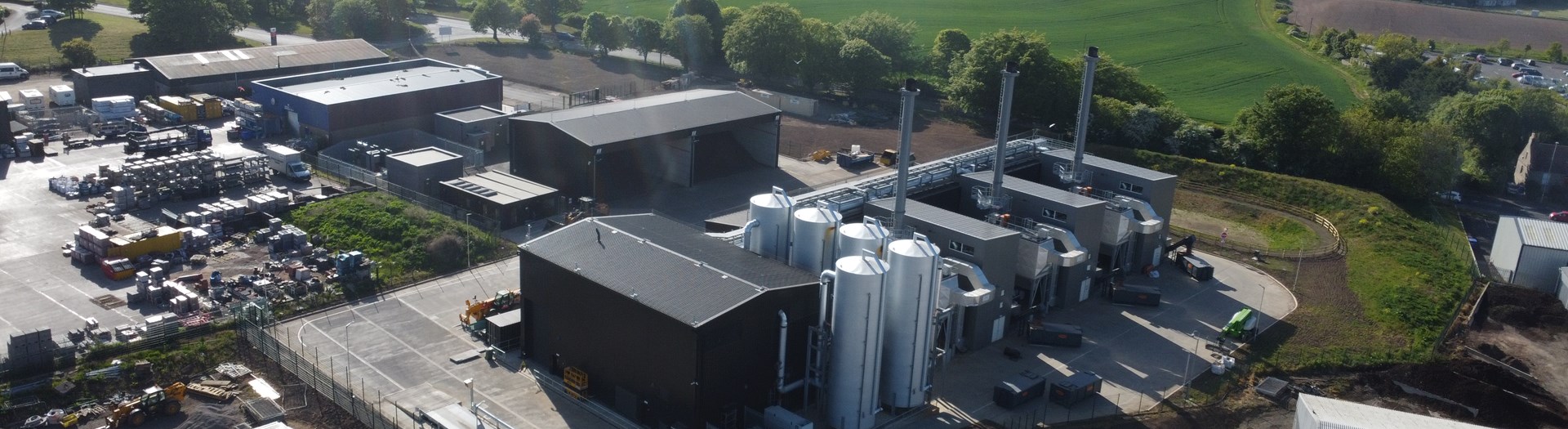
    We’re also really proud of our recent work with Southwark Council to provide a more efficient low carbon heat supply using water source heat pumps to supply and decarbonise over 2,000 properties, using ground water abstracted from and reinjected into locally drilled boreholes.

    Queens Quay Heat Pump (1)

    Queens Quay heat pump

    Solution detail

    Can you explain the difference between an open and closed loop system?
    Let’s take a couple of examples to explain. An open loop system is where we are directly extracting energy from the source, such as taking water from a river. We pump water from the river, extract energy back at the heat pump and we pump this water back into the river, so because we are interacting directly with the river water, this is an open loop system. For a closed loop system, let’s take pipework installed in boreholes deep into the ground as our example. Within this pipework, we have a fluid that is transferring energy from the ground, which we then pump back to the heat pump, extract this energy and pump it back into the ground around this closed loop. So unlike in our first open loop example where we directly pumped the river water, here we are transferring energy from the ground via a heat transfer fluid inside a close pipework circuit.

    What size network can a heat pump power?
    Heat pumps come in a huge variety of sizes, from one heat pump in your back garden serving that single dwelling, all the way up to large centralised district heating production serving thousands of end users connected to a heat network.

    “Anyone looking to decarbonise energy production can benefit, whether you have an existing installation and are looking to come away from gas, for example. Or you have waste heat or waste electricity which could be used alongside a heat pump installation. Of course, each case has to be looked into to determine the feasibility of applying this technology.”

    Elliott Sharpe, Design Director (London)

    How easy is it to retrofit heat pumps into an existing network?
    It comes with its challenges of course. First, we have to determine the appropriate source of energy for the retrofit heat pump, is this water, ground or air source? Then we have to consider how hard are we asking the heat pump to work, what I mean is, the temperature we are asking the heat pump to produce. Older systems often operate at higher temperatures, which heat pumps can achieve – the trade-off is a reduction in efficiency, so it’s about finding a balance between modifications to the existing network to lower temperatures and the heat pump selection. So, it depends on a project by project bases how easy it is, but it’s certainly possible.

    Why are heat pumps becoming more popular?
    Changes in planning policy and the decarbonisation of the electrical grid are major factors. With the electrical grid becoming less carbon intensive, people are turning to electricity as a source of fuel – remember heat pumps require an electrical supply.

    How are heat pumps renewable if they rely on electricity for power?
    Good question! We’ve talked about how heat pumps can use energy from water, the ground, or air, but quite rightly, they need an electrical supply. In some cases, it could be that this electrical supply is coming directly from a renewable source itself, such a PV panels. However, for the majority of installations this electrical supply will come from the grid, so we have to consider how clean is this electricity supplying the heat pump. Some may argue that the grid isn’t quite as low carbon as future planning policy is indicating, but generally speaking, we can see that the grid is on a path of decarbonisation, so the electricity we power the heat pumps with is coming from a greener source each day. Combine this with the efficiency a heat pump can operate at and you start to see why a heat pump is a low carbon technology.

    With over 30 years’ industry experience, Vital Energi specialise in the design and installation of the latest renewable and low carbon energy generation, distribution and consumption technologies.

    If you have an energy project in mind, or would like more information about how we can help decarbonise your business, please contact us today.

  • Unique challenges faced by hospitals when decarbonising their estates…

    Unique challenges faced by hospitals when decarbonising their estates…


    What unique challenges do hospitals face when decarbonising their estates?

    Over the last few years, Energy and Commercial Modeller, Millie Cooney, has worked with NHS Trusts across the UK on exciting decarbonisation projects which harness the latest technologies. Below, she highlights some of the key challenges faced by the NHS on the road to net zero, and explains some of the solutions.

    Decarbonising NHS estates presents a complex challenge, shaped by the realities of ageing infrastructure, clinical operations, and tight capital and operational budgets.

    Many NHS sites continue to rely on legacy steam distribution systems for heating and domestic hot water, which are designed to operate at high temperatures on the secondary side. These systems are often incompatible with modern low carbon technologies such as heat pumps and geothermal solutions, which perform more efficiently at lower temperatures.

    Replacing steam systems typically involves significant infrastructure upgrades, as NHS estates often comprise buildings constructed over decades, with infrastructure of varying age and condition. Site layouts can be inconsistent, plant space is often limited, and electrical capacity may be inadequate to support new systems, particularly with a growing shift towards the electrification of heat.

    Addressing these challenges requires skilled and forward-thinking design and delivery teams to ensure that new low temperature systems are carefully integrated into the existing estate with minimal disruption.

    Operationally, most hospitals must maintain 24/7 services with no tolerance for disruption. Any interruption to heating, hot water or electricity supply can directly affect patient care, especially in critical departments. As a result, decarbonisation works must be carefully phased and meticulously planned in close collaboration with clinical and estates teams. New systems must also offer the same level of resilience as legacy steam boilers, which can be costly to achieve with low carbon alternatives.

    We often adopt a fabric first approach to reduce energy demand before introducing low carbon technologies. Some fabric measures and secondary side elements such as emitter replacements often require working in patient facing areas within sensitive healthcare environments. These works can involve disruption to occupied spaces, including wards and treatment rooms, where maintaining patient comfort, privacy, and safety is the priority. As a result, careful planning and continuous communication with clinical teams are essential to minimise the impact on day-to-day operations and patient care.

    Arguably the greatest challenge NHS Trusts face in decarbonising is managing both the upfront capital investment and the ongoing operational costs. Where Capital Departmental Expenditure Limit (CDEL) limits apply, accessing the right funding is key to achieving net zero targets.

    There are a number of grant funding schemes available to support NHS decarbonisation initiatives and help ease the burden of upfront capital costs. In recent years, the Public Sector Decarbonisation Scheme (PSDS) was a key enabler, allowing many Trusts to take their first significant steps towards net zero. With PSDS now concluded, attention has turned to alternative funding streams such as the Green Heat Network Fund (GHNF), Low Carbon Skills Fund (LCSF), and the Heat Network Efficiency Scheme (HNES), among others, which continue to offer valuable support for decarbonisation projects.

    Securing the right funding solution, whether grant funded or another off balance sheet solution, is key to progressing these projects. With experience in aligning technical solutions with eligible funding options, Vital can help shape deliverable and cost-effective decarbonisation pathways.

    While grant funds have enabled Trusts to fund the upfront investment, the shift to electric heating amid high electricity tariffs can significantly increase operational costs. We often compare it to winning a Ferrari – it works, looks impressive and is great to talk about, but you can’t afford to fuel it.

    To make decarbonisation financially sustainable, a more holistic approach is needed. Energy conservation measures such as BMS upgrades and optimisation, solar PV and fabric improvements can reduce energy demand and offset operational costs, making the transition more viable in the long term.

    A clear, long term decarbonisation strategy that combines both low carbon technologies and energy conservation measures with suitable funding options is key to driving carbon reductions. It is essential that all levels are bought into the strategy, from finance directors, estates teams and clinical staff, to ensure the success of these projects. Decarbonisation is rarely achieved in a single step; a phased approach is often more manageable and effective in the long term. With this mindset, net zero becomes a reality and not just a goal.

    If you’d like to discuss an upcoming project or available funding options, please email [email protected].

  • Westminster City Council visit exemplary Southwark project

    Westminster City Council visit exemplary Southwark project


    Westminster City Council visit exemplary Southwark project as they work towards net zero

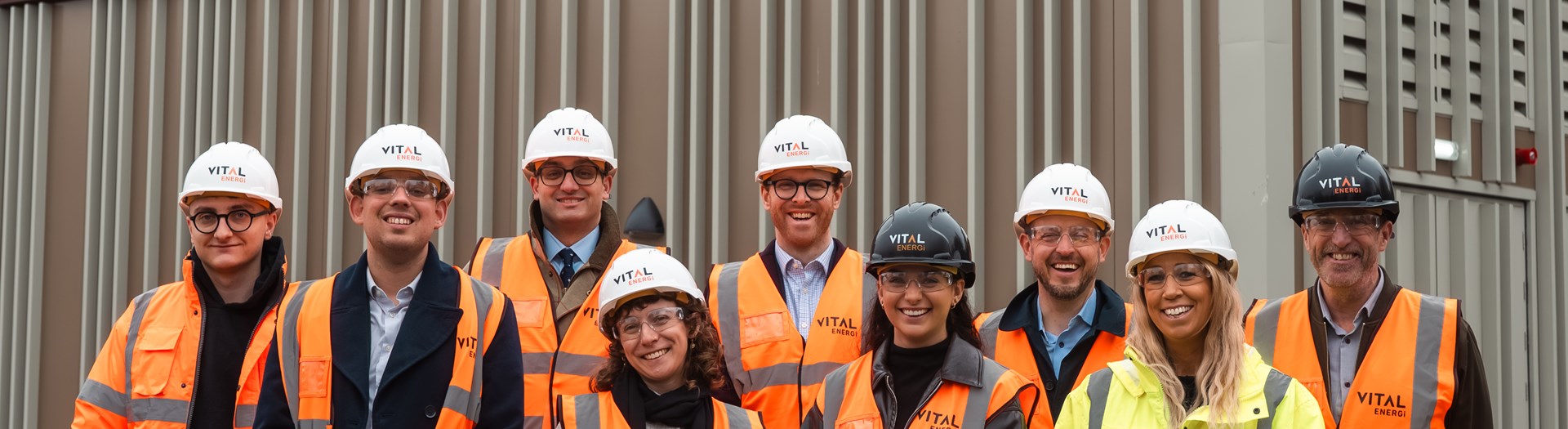
    We are currently working on a decarbonisation project with Westminster City Council, and as part of their journey to net zero, they’re exploring a range of renewable technologies. We recently took consultants from the council on a tour of the completed Southwark water source heat pump project, so they could learn about the benefits of a project like this, along with any challenges.

    Tom Vosper, Strategic Project Manager for Southwark City Council led the tour and was joined by Vital’s Operations Manager, Steve Parsons, Pre-Construction Director, James Davis, and Principal Engineer Paul Canning.

    During the visit, consultants saw the 120m boreholes that were drilled within the Newington estate and learnt the challenges around completing these works within a densely populated residential area. They also gained a greater understanding of the processes, challenges and risks that were faced during the budgeting, procurement, design and build process.

    They were very impressed about the amount of work which was carried out with no disruption or cost to the council and residents who lived on the estate. They also saw the energy centre that feeds the Newington estate.

    “Thanks to Vital Energi for arranging a useful and informative site visit to Southwark. It was great to see a completed aquifer source heat pump project in central London and explore some of the challenges and benefits of integrating low carbon heat pumps into an existing communal heat network. It provided some food for thought for the Westminster team as they move forwards with their net zero programme,” said Chris Spicer, PSDS Programme Manager for City of London, who works closely with Westminster City Council.

    Steve Parsons, Operations Manager at Vital Energi, said:

    “It was a pleasure showing some of the consultants from Westminster Council and Chris Spicer from the City of London our Southwark heat pump project. Our work with Southwark Council on this project has been a big accomplishment for us at Vital because we were able to work through the challenges, take risks, during the pandemic and still be successful in decarbonising over 2,000 properties.”

    Southwark Council is striving to achieve net zero carbon emissions by 2030 and as part of its plan it is decarbonising the existing gas-powered heat networks across three large council estates. The heat pump projects will see 2,175 residents at Consort, Newington, and Wyndham benefit from a resilient, reliable heat energy supply, along with improved local air quality and reduced carbon emissions. The project involves 5 water source heat pumps being retrofitted into the existing gas fuelled network, utilising water from the aquifers sat below the ground through constructed boreholes.

    Find out more about our ongoing project with Westminster City Council here, which will cut carbon by 1,700 tonnes a year.

  • Westminster City Council’s £23m Energy Revolution Wins at H&V Awards

    Westminster City Council’s £23m Energy Revolution Wins at H&V Awards


    Westminster City Council’s £23m Energy Revolution Claims Top Prize at H&V Awards

    Westminster City Council have transformed the way they consume energy through a £23m energy conservation project which has lowered their carbon emissions by over 2,000 tonnes per year.  It’s an ambitious, technically challenging project, so we were thrilled to see it claim top spot in the Innovation in Construction and Building Engineering category at this year’s Heating and Ventilation News Awards.

    The project, which was delivered over two phases, is central to the Council’s targets of becoming net zero by 2030.

    Westminster City Council are a great example of an organisation who have done everything right. By focusing on their long-term decarbonisation plan they had a deep understanding of how they used energy, what the opportunities for improvement were, and how to achieve them. They have shown the forward thinking, long-term ambition which is crucial for the UK meeting its net zero targets and we feel this award is great recognition of that.

    Gerry Davies, Regional Director (London) – Vital Energi

    54171009017 0Ff68127fb C

    Members of Westminster City Council and Vital Energi claiming Innovation in Construction and Building Engineering Award

    Solution detail

    About The Project

    Phase 1 was a £13 million project which focused on implementing energy conservation measures across 61 buildings, including the installation of 1,700kW of air source heat pumps, rooftop solar PV, fan upgrades, and extensive lighting improvements. These measures resulted in carbon reduction of 1,600 tonnes of CO2e annually, reducing the emissions from council operational buildings by nearly 20%.

    The H&V Judges wrote of the project, saying “It demonstrates a comprehensive and scalable approach to decarbonisation, incorporating various innovative measures and achieving substantial carbon reductions. Impressive scale and rapid implementation of energy-efficiency measures. It demonstrates innovative approaches to decarbonisation and project management.”

    Congratulations to Westminster City Council on another fantastic achievement.  We’re extremely proud of our partnership, the work we’ve done together and look forward to carrying that success into the exciting third phase of the project.

    We’d also like to congratulate our clients Newport City Homes after the Duffryn Heat Network Replacement Project was shortlisted in the District Heating project of the year and Aberdeen City Council’s Torry Heat Network were shortlisted in the Low Carbon Impact category.   A final “Well done” must go to our very own Ibrahim Qadir who followed up his win at the BESA awards earlier this year with a Highly Commended slot in the Apprentice of the Year awards category.

    Thank you to these, and all our other clients who have worked so hard throughout 2024 to reduce their carbon emissions, combat fuel poverty and make the UK’s energy infrastructure more reliable and secure.

    If you’d like to learn more about the Westminster City Council Project, Click Here.

  • Westminster City Council Carbon Savings Set To Pass 2,000 Tonnes A Year

    Westminster City Council Carbon Savings Set To Pass 2,000 Tonnes A Year


    Westminster City Council Carbon Savings To Pass 2,000 Tonnes Per Year

    Following on from the success of their award-winning £13m energy conservation project, work has begun on Phase 2 of the Westminster City Council Carbon Management Programme, which will deliver a further 579 tonnes of carbon reduction per year.

    Phase 2 represents a further £9.9m investment, which includes grant funding of £3.8m secured through the Public Sector Decarbonisation Scheme (3b).

    During the pre-construction period, Vital Energi’s team assessed 24 buildings to identify which energy improvements would deliver the largest carbon reductions. In addition to this, many buildings from Phase 1 of the programme were revisited to see what further conservation measures could be implemented.

    The result of these surveys is that 38 of these buildings were chosen for improvements, with energy conservation measures including air source heat pumps, rooftop solar PV, fabric improvements and upgrades to the lighting, cooling, and air handling systems.  The team will also upgrade the Building Energy Management Systems which make intelligent decisions about how energy is used.

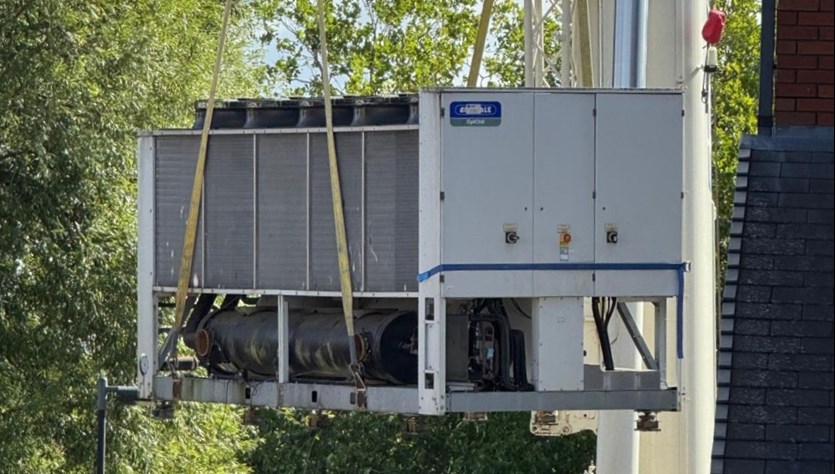
    Compressor Lift Queensway

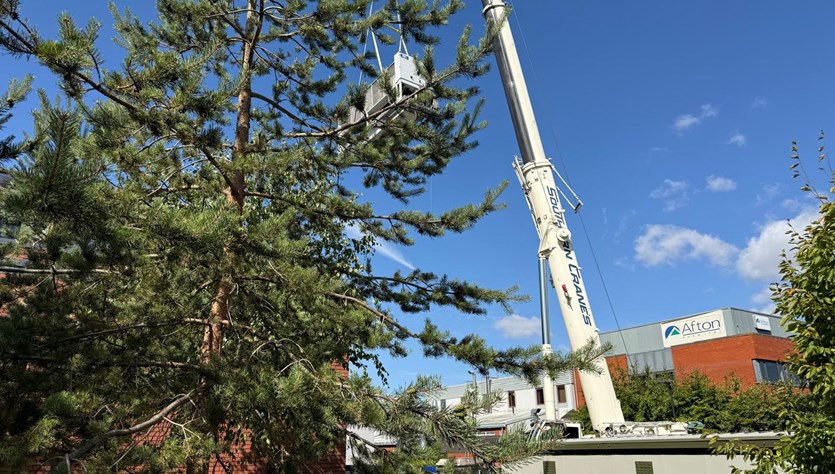
    An air source heat pump delivery for Porchester Hall During Phase1 of the project.

    Solution detail

    “The Council is committed to reducing carbon emissions to meet our ambitious Net Zero targets and create a greener city for our residents. We know that a large percentage of carbon emissions in Westminster come from the built environment, and in recent years we have invested heavily in decarbonising council owned properties.”

    Cllr David Boothroyd , Westminster City Council

    Cllr David Boothroyd continued, “In 2022 we delivered 12 solar PV projects, including the installation of a 255-panel solar array at Queen Mother Sports Centre, and a 378-panel array at Moberly Sports Centre. Currently, we are installing solar PV on a further 10 sites, including the Avenues Youth Project in Harrow Road. The initial 12 sites will provide a total peak output of 660 kWp and generate 284,000 kWh per annum. Once the additional 10 sites have been completed, the total peak output will increase to 875 kWp. This will make a huge difference, reducing our carbon emissions by a further 48 tonnes annually.

    The project will be transformative for many of Westminster City Council’s premises, with buildings such as the Avenues Youth Project, Dorothy Gardner Nursery School, Mary Patterson Nursery School, Mickey Star Nursery and Paddington Recreation Ground Changing Block now getting 100% of their heat from renewable sources, via air source heat pumps.  The scheme will also see solar panels installed at the Avenues Youth Project, Beachcroft House Care Home and the Central Area Service Centre, which will provide annual electricity savings of 39,936 kWh and decrease the dependency on electricity from the grid.

    “We looked at many of the Council’s premises, analysed their current performance and energy usage and designed a project which will get the most decarbonisation for their budget and build on the 1,600 tonnes of carbon reduction per year achieved during Phase 1. These improvements range from technically complex solutions, such as solar and heat pumps, to simple initiatives such as insulation, draught proofing and upgrading glazing.  The overall effect is that the Council will take another step closer to its net zero targets.

    Gerry Davies – Vital Energi, Regional Director – London

  • West King Street Redevelopment Gets Heating & Cooling from vTherm° Units

    West King Street Redevelopment Gets Heating & Cooling from vTherm° Units


    West King Street Redevelopment to Receive Heating & Cooling from vTherm° Units

    Vital Energi are delighted to have been chosen to deliver a key part of the heating and cooling infrastructure on the West King Street Redevelopment which will see Ardmore transform the Grade II-listed Hammersmith & Fulham Town Hall and the building of 204 new homes on the Civic Campus site, of which more than half are genuinely affordable.

    The mechanical contractor STRUCKTOR Mechanical will install 117 Vital Energi’s vTherm°e Heat Interface Units (HIU) which act as the link between the district heating scheme and the residents’ in-home system, delivering heating and hot water into the home.

    West King Street will also see the installation of 87 prestigious properties with the combination of both vTherm°e Heat Interface Units (HIU) and our vTherm°c Cooling Interface Units (CIU) which will deliver heating, hot water and cooling to apartments.

    West King Street is an extremely exciting redevelopment which will create the new Hammersmith Civic Campus, and will be a fantastic addition to West London. This was the very definition of a collaboration with all parties which enabled the vTherm°c to be developed to best suit the client and meet the needs of the residents.”

    Brendan Clancy – Vital Energi, Group Business Development Manager

    Vthermc Boxed

    vTherm°c units, waiting to be shipped to the West King Street development from our Blackburn Headquarters.

    Solution detail

    HIUs and CIUs are an essential component of any residential district heating scheme and they are a big factor in the overall efficiency of a scheme, so we’re delighted to be installing our vTherm° range of products to bring residents reliable, efficient heating and cooling.”

    Lance Colwyn, HIU Business Unit Manager , Vital Energi

    The Town Hall will be at the heart of the Civic Campus Scheme, with Developers creating an additional 4,500sqm glass box extension.  When complete, the mixed-use campus will include 204 new homes, community art and event spaces, offices and public spaces.

    The scheme is being delivered through a joint venture partnership between Hammersmith & Fulham Council and A2 Dominion.

  • Progress at West End Gate

    Progress at West End Gate


    West End Gate Progress

    The Vital team is working hard, and work is progressing well on our two mechanical contracts at Berkeley’s prestigious West End Gate development, which are worth a combined £7.3m.

    We’ve completed the mechanical infrastructure works and apartment fit out for blocks B and D, which comprise 108 apartments over 10 storeys, and residents have now moved in.

    With regards to blocks E and F, which contain 108 apartments set over 18 floors, we’ve completed 95% of the risers and laterals, and are first fixed within the apartments up to level 14 (with four floors to go) and have commenced second fix on the lower levels.

    Once complete, we’ll have installed low temperature hot water and boosted cold water services to each apartment, Heat Interface Units (HIUs) and chilled water for each property along with ventilation systems. Vital will also carry out live safety elements of the project in smoke extract and sprinkler systems, as well as all the internal plumbing.

  • We’re Proud to be in Lancashire’s Top 100!

    We’re Proud to be in Lancashire’s Top 100!


    We’re Proud to be in Lancashire’s Top 100!

    We’ve been named 11th on the Top 100 privately-owned companies in Grant Thornton’s first ever Lancashire Limited 2025 report.

    Whilst this report recognises business performance, it’s also about celebrating the incredible collective impact that Lancashire’s companies have on our communities, our economy, and our future.

    How these businesses are impacting Lancashire:

    • The Top 100 companies generate a combined turnover of £11.5bn and employ nearly 60,000 people across the region, driving opportunity, innovation, and prosperity for all.
    • Lancashire is leading the way in energy transition, tech, advanced manufacturing, and sustainability, helping to build a greener, more resilient future for the entire UK.

    At Vital Energi, we’re passionate about creating sustainable energy solutions, but we’re just one part of a vibrant, ambitious business community. Every company on this list, from family-run enterprises to fast-growing innovators plays a vital role in:

    • Creating quality jobs
    • Investing in local talent
    • Supporting regeneration and community initiatives
    • Inspiring the next generation of leaders

    We want to say a huge thank you to our amazing staff, clients and partners and congratulate our fellow Lancashire businesses on making the list and making a difference!

  • We are making progress at Nine Elms Parkside

    We are making progress at Nine Elms Parkside


    We are making progress at Nine Elms Parkside

    We are making key progress with our project at Telford Homes’ Nine Elms Parkside, a 14–acre development between Battersea and Vauxhall situated on the former Royal Mail Centre. We are delivering a £17m contract to deliver the primary energy infrastructure package for plots B and D including heating, cooling and boosted water supply to 894 apartments.

    Plot D is made up of 3 blocks comprising a total of 459 apartments. So far, we have completed all Heat Interface Unit (HIU) and Cooling Interface Unit (CIU) installations to each of the 459 apartments and provided the water treatment operations to the low temperature hot water and chilled water-cooling systems. The gas systems are operational, and the car park extract systems are commissioned, and within the plant room, the boilers, the first chiller, pressurisation units, pumps, degassers, and boosted cold water systems are all installed and commissioned. Ventilation is provided with Air Handling Units (AHU) which supply and extract air to the gym.

    Plot B is made up of 3 blocks comprising 435 apartments. We have installed all the HIUs within the apartments and have installed 200 CIU units so far. Almost all the gas pipework systems are in place, along with the distribution and lateral pipework to apartments, low temperature hot water, chilled water, and the boosted cold-water systems are also near completion.

    With work progressing on both plots B and D, our next milestones are the commissioning on plot D’s remaining chillers, Automatic Opening Vent (AOV) systems, rainwater harvesting systems, air conditioning systems and the final insulation and trace heating. Within plot B, we are looking ahead to final completion of the gas system, Air Handling Unit (AHU) ductwork, car park extract systems, AOV systems and Building Management Systems (BMS) wiring.

    We’ll be handing block 1 of plot D over to the client in December.

  • Walsall Manor Hospital embarks on £12.5m decarbonisation project

    Walsall Manor Hospital embarks on £12.5m decarbonisation project


    Walsall Manor Hospital powers up green future with £12.5m decarbonisation project

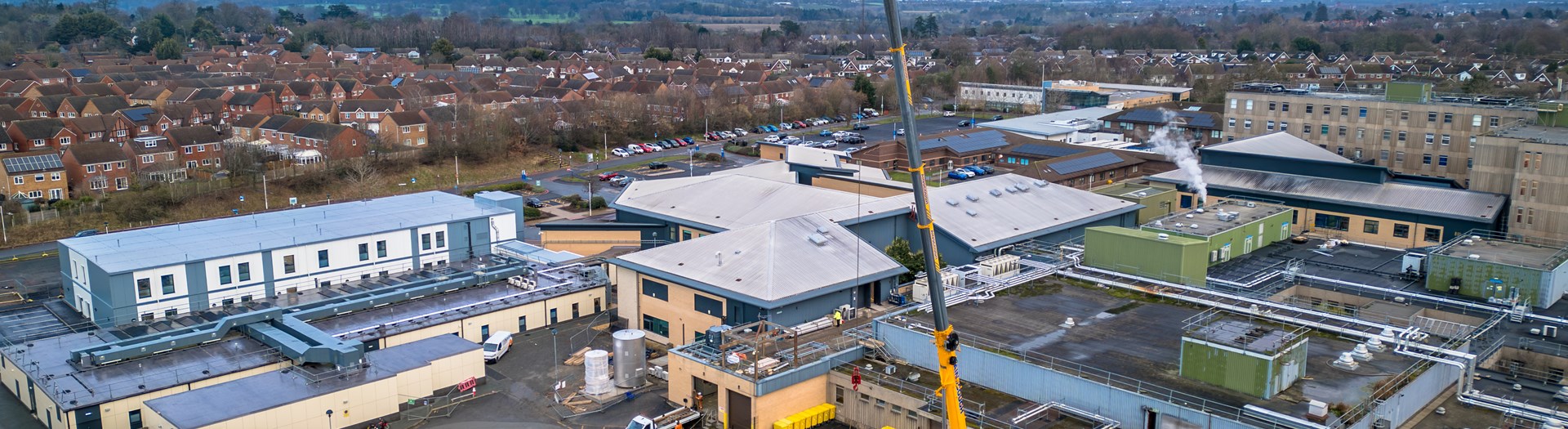
    A new heat pump system, LED lighting upgrades and insulation measures will be introduced at Walsall Manor Hospital as part of a £12.5 million “green” investment.

    Vital Energi has partnered with Walsall Healthcare NHS Trust to deliver an innovative decarbonisation project that will reduce the Trust’s carbon footprint by 1,200 tonnes each year.

    Thanks to funding from Phase 3B of the Public Sector Decarbonisation Scheme (PSDS), Vital Energi will implement a range of energy solutions across the hospital site, from heat pumps to LED lighting upgrades.

    The scheme is run by the Department for Energy Security and Net Zero and delivered by Salix.

    As well as reflecting the Trust’s dedication to environmental sustainability and enhancing the hospital’s energy efficiency, this project will support the NHS in achieving its goal of net zero by 2040.

    Serving a population of around 270,000 across Walsall and surrounding areas, Walsall Manor will benefit from low-carbon heating, which will be supplied via a 1MW heat pump system.

    Heat pumps take low-grade heat from the ground, water or air and boost it to higher temperatures to make it useable for heating.

    Almost 4,000 light fittings will also be upgraded to LED, which will significantly reduce energy consumption. Pipework insulation will be upgraded to improve energy efficiency across the site, and replacement windows will ensure heat loss from the buildings is reduced.

    The team from Vital Energi will also build a new plant room in a courtyard to house Air Handling Units (AHUs) for newly refurbished respiratory theatres.

    “The work being undertaken by Vital in partnership with the Trust is a positive step towards achieving the NHS Target of net Zero by 2040. This is an exciting project using the most up-to-date technology, moving away from gas-powered boilers. Over the coming years, the Trust and its partners will embrace the NHS greener plan to improve the facility and the environment.”

    Stuart Cornaby, Head of Estates for Walsall Healthcare

    Steve Black, Account Director at Vital Energi, said: “This project represents a major step towards making Walsall Manor Hospital a more sustainable and energy-efficient facility, and we are proud to support the Trust in its mission to create a greener healthcare environment.

    “Once complete, the project will support the Trust in its sustainability efforts, and contribute to the NHS’ overall net zero goal.”

    Director of public sector decarbonisation at Salix, Ian Rodger, said: “We’re pleased to work with Walsall Healthcare NHS Trust to help meet its net zero targets.

    “Walsall Manor Hospital is a busy site and this work is part of enabling it to reduce its carbon footprint. This will not only create  a site that is more energy efficient but a hospital that is more comfortable for patients, the teams and visitors.”

    Completion is scheduled for October 2025.