Blog

  • Developing momentum on the road to net zero

    Developing momentum on the road to net zero


    Developing momentum on the road to net zero

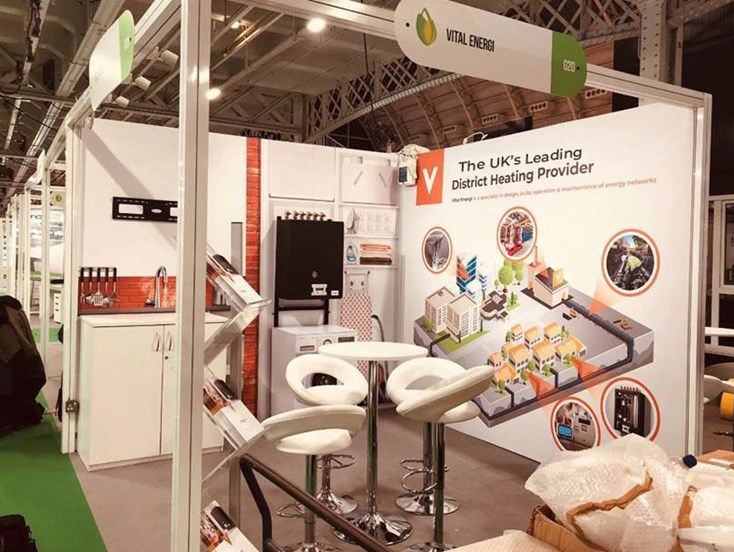
    One of the most valuable aspects of attending the annual AUDE exhibition is speaking directly with Estates Directors and energy teams who are delivering decarbonisation across the FE sector. Every year, these conversations offer a real‑time insight into the pressures facing higher education and the innovative ways institutions are responding.

    Some universities are working towards ambitious 2030 net zero targets, while others are aligned with the UK Government’s 2050 deadline. Even with an additional two decades, the scale of the challenge is formidable.

    Many institutions have already published detailed, costed decarbonisation roadmaps and the price tag is significant. For many, the journey to net zero will come with a £100 million+ price tag. With over 160 universities in the UK, the overall sector requirement will run into the billions.

    Progress, however, remains uneven across the sector. A small number of organisations invested early and are now approaching the finish line. Many more universities are still at the initial stages of decarbonisation, and the question I was asked most often at AUDE was a simple one: “Where should we start?”

    Having worked with more than 20% of the UK’s universities, we’ve seen first hand the strategies, attitudes and behaviours that build real momentum on the journey to net zero.

    The project is being delivered through the NDEE framework and comes with an energy performance contract, which guarantees certain key performance indicators, such as carbon reduction, will be met, providing the College with certainty that its new heating system will perform as promised.
    Start with a decarbonisation plan

    We can’t overstate how impressed we’ve been by the universities that have invested time into developing robust decarbonisation plans. These documents become the blueprint for everything that follows and should be formed based on data collection and deep understanding of your Estate’s energy profiles and emissions.

    A strong plan gives you a deep understanding of your energy infrastructure, how it performs, where it falls short, and where the most meaningful improvements can be made. It enables simple comparisons, such as the carbon and cost savings from replacing fluorescent lighting with LEDs, alongside more complex decisions, such as identifying the appropriate replacement for fossil‑fuelled heating and a reliance on the electricity grid.

    By the end of the process, you’ll have a workable, evidence‑based roadmap, and crucially, clarity on whether you’re facing a £10 million challenge or a £100 million one.

    Be ready and flexible to secure funding

    No university reaches net zero through one flagship project. Even those securing headline‑grabbing £30m+ investments are only reducing their emissions by a proportion. Most institutions will need to deliver dozens of projects over the coming decades, from quick‑win energy‑reduction measures to major energy‑centre redevelopments or large‑scale renewable energy generation schemes.

    Funding windows often appear quickly and close even faster. A strong decarbonisation plan helps you identify packages of work that meet a funder’s criteria, rather than waiting for funding that perfectly matches an ideal project.

    Flexibility is key. If you can group and regroup initiatives in several ways, you dramatically increase your chances of being eligible for multiple funding opportunities. The universities that make the most progress are the ones able to move quickly and fluidly.
    Start with the low-hanging fruit… strategically

    Energy‑conservation measures are often the first place universities turn, and for good reason. They reduce energy and carbon at source, are usually self‑funded, and can be delivered with minimal disruption or as part of maintenance works. They also help reduce overall energy demand, meaning future generation or electrification solutions can be smaller and more cost‑effective.

    Funding schemes often include requirements such as £ per tonne of carbon reduction. By combining high‑impact measures such as Solar PV with less cost‑effective upgrades, such as glazing, you can build packages that meet each criteria whilst retaining a ‘fabric first’ approach to decarbonisation.

    Your decarbonisation plan should give you a detailed understanding of each measure, enabling you to create funding‑ready bundles with confidence.

    Build internal momentum: get on your soapbox

    Once you’ve created your decarbonisation roadmap, it’s vital to socialise it. Many universities have made public commitments but delivering them requires strong internal political will and this can be difficult when competing for budget with student‑facing services.

    The institutions making the fastest progress are those with a proactive approach to internal and external communication. Be vocal. Be visible. Advocate relentlessly for your decarbonisation agenda. Your work will only gain traction if internal enthusiasm matches the public commitments being made.

    When competing for internal budget, you need to demonstrate the strategic value, and often the financial return of your initiatives. Sharing early wins is critical: use data to highlight impact, build confidence and secure support. One NHS estates manager told me that raising the internal profile of sustainability work was “one of the most important things you can do”.

    Declaring a climate emergency or announcing a 2030 target only matters if you follow through. We’re proud to have partnered with many of the UK’s universities over multiple phases of decarbonisation projects and all our partners have one common trait – passionate people in their organisation who drive change and continue to achieve phased steps towards their net zero ambitions.

    Finally… don’t overthink it, something is better than nothing

    Your decarbonisation road map is an evolving document, and you don’t need to begin with a “set-in stone” list of priorities.  Simply beginning the process can bring greater clarity, allowing you to get a better understanding of the potential phases.

    Also, don’t let the size of your net zero challenge overwhelm you.  Even the projects which have multiple projects under their belt didn’t have a full sequence of project and phases from day one.  They created an overarching plan which could be adopted to suit available funding streams, access windows and the life cycle stages of existing infrastructure.

    Once you have your basic plan, you can begin to build on it, crafting your long-term strategy over time.
  • The customer experience… delivering a solar farm

    The customer experience… delivering a solar farm


    The Customer Experience… Delivering A Solar Farm

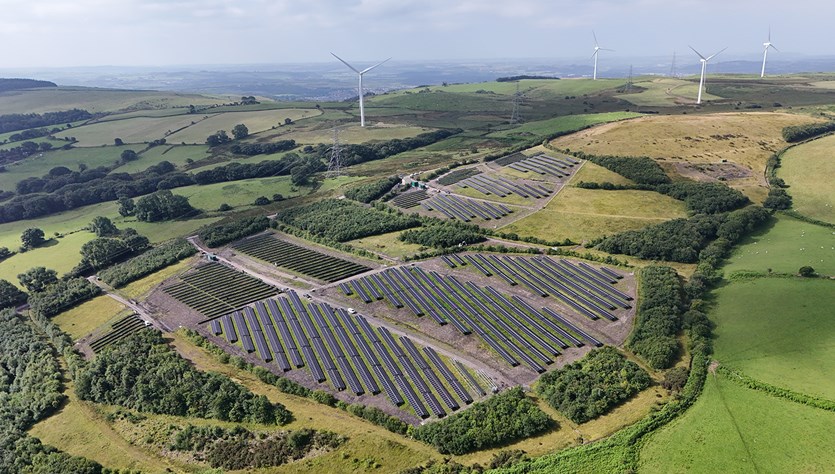
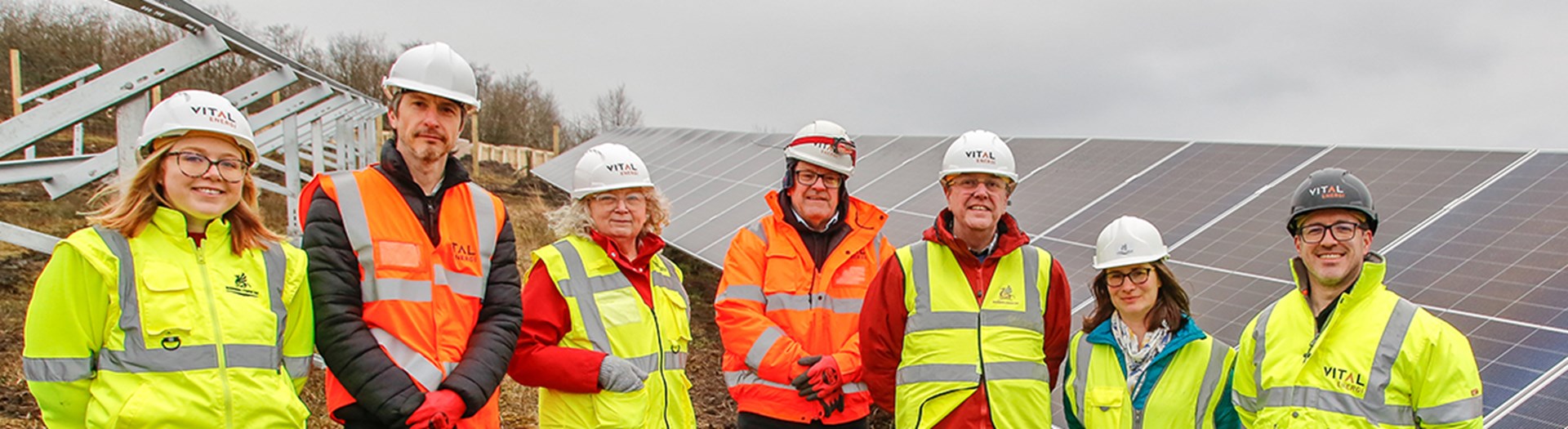
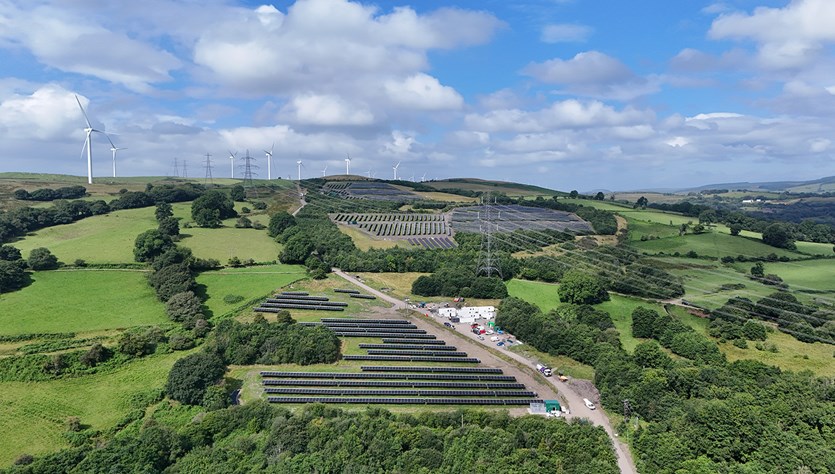
    The Coed Ely Solar Farm is a landmark project which has seen Rhondda Cynon Taf County Borough Council create a 6MW solar farm, but in an innovative collaboration, 1MW of the clean electricity generated will be exported to Royal Glamorgan hospital. Shortly after the project was finished we caught up with Rhondda Cynon Taf County Borough Council’s Coed-ely Solar Project Team to discuss the project…

    What did this project mean to the council?

    This project represented a bold step forward for the council, moving beyond our traditional delivery models to embrace a more innovative, partnership-led approach. By working closely with external stakeholders, we’ve not only delivered a major renewable energy installation, but also laid the groundwork for long-term financial sustainability through income generation. It’s a tangible example of how local authorities can lead on climate action while creating value for the public sector. The successful completion of the project, on time and in line with our strategic aims, reflects the strength of collaboration and the council’s commitment to delivering impactful, future-focused infrastructure.

    How important was the preconstruction period and what should you look to achieve?

    The detailed design and pre-construction phase was absolutely vital to the success of the project. It provided the opportunity to discharge planning conditions, secure essential consents, and develop the design to a level of maturity that gave everyone confidence moving forward. This period wasn’t just about ticking boxes, it was about building trust, aligning expectations, and ensuring that the technical and logistical groundwork was solid. It allowed us to engage meaningfully with stakeholders, clarify roles and responsibilities, and identify potential risks early on. Importantly, it also enabled the contractor to begin procurement with certainty, which helped maintain momentum and avoid delays later in the programme. That early investment in planning and coordination laid the foundation for a smooth delivery phase and ultimately contributed to the project being completed on time and to a high standard.

    Do you feel like Vital Energi are a part of your wider team?

    Initially, the team had some reservations about working with a contractor whose head office is based in the North West, quite a distance from our site in Wales. But those concerns were quickly put to rest. Vital Energi have consistently demonstrated that geography is no barrier to collaboration. From the outset, they’ve been fully engaged, always available, whether on site or at the end of the phone, and ready to support with any query or challenge. Their communication has been clear and proactive, and they’ve shown a genuine commitment to being part of the wider delivery team. It’s never felt like ‘us and them’, we’ve operated as one team with a shared goal. They’ve contributed not just technical expertise, but also a positive, solutions-focused attitude that’s helped us navigate complex aspects of the project. Their willingness to adapt, listen, and work collaboratively has made a real difference, and it’s been a pleasure having them as a key delivery partner.

    DJI 20250724102427 0695 D Copy

    The project delivery team used the pre-construction period wisely to plan for success.

    Solution detail

    It’s never felt like ‘us and them’, we’ve operated as one team with a shared goal. They’ve contributed not just technical expertise, but also a positive, solutions-focused attitude that’s helped us navigate complex aspects of the project. Their willingness to adapt, listen, and work collaboratively has made a real difference, and it’s been a pleasure having them as a key delivery partner.

    Rhondda Cynon Taf County Borough Council, Coed Ely Project Team

    What lessons have you learned during the delivery process which could help others?

    One of the key lessons we’ve learned is the importance of prioritising legal documentation early in the process. These agreements can take significantly longer than expected to finalise, and having the right legal and commercial support in place from the outset is essential to avoid delays. It’s not just about drafting contracts—it’s about aligning stakeholders, clarifying responsibilities, and ensuring the project has a solid foundation to move forward.

    Another critical insight is the value of strong relationships with local authorities, particularly around traffic management. Their input and influence can shape the feasibility and timing of works, especially when operating in sensitive or high-traffic areas. Engaging early and maintaining open communication with highways teams can make a real difference.

    We also learned the importance of thorough ground investigation, especially when working on reclaimed or previously developed land. Understanding the site conditions in detail helped us minimise surprises during construction and allowed the design to be adapted accordingly. Investing in this early stage of work can save time, cost, and complexity later on.

    Overall, these lessons highlight the need for proactive planning, strong stakeholder engagement, and a willingness to adapt as new information emerges. Sharing these insights can help other teams navigate similar challenges more effectively.

    Part of this project is a power purchase agreement with a local hospital.  How have Vital been at working in a live hospital environment?

    One of the more challenging aspects of this project was coordinating civil and electrical works within the operational constraints of a live hospital setting. The hospital was already undergoing its own expansion works, and parking availability was a sensitive issue. Our project introduced further restrictions, which required careful negotiation and planning to avoid compounding disruption.

    Vital demonstrated a strong understanding of the complexities involved in working within such a critical environment. From the outset, they engaged proactively in a series of detailed planning meetings with both our team and hospital stakeholders. These sessions focused on minimising disruption to hospital operations, particularly around access, safety, and parking logistics.

    During the civil works phase, Vital worked collaboratively to develop phased approaches that allowed disruption to essential hospital functions to be minimised.

    In the electrical works phase, Vital maintained a high level of professionalism and coordination. They ensured that all activities were scheduled around hospital peak times and critical services, with clear communication channels in place to respond to any issues swiftly. Their team was respectful of the environment, adhering to strict health and safety protocols and maintaining a low-impact presence on site.

    How were we at resolving issues?

    Throughout the project, our team demonstrated a proactive and solutions-focused approach to resolving issues as they arose. Working in a live hospital environment presented unique challenges, from access restrictions and parking limitations to coordinating around ongoing hospital operations, but they remained committed to maintaining progress while minimising disruption.

    The team prioritised open communication and early engagement with stakeholders, which helped us identify potential issues before they escalated. Regular coordination meetings allowed us to respond quickly and collaboratively, ensuring that any concerns were addressed with clarity and care.

    This responsiveness not only helped maintain momentum but also strengthened relationships with our partners and stakeholders, reinforcing trust and confidence in our approach.

    DJI 20250724100043 0686 D Copy

    The solar farm exports 1MW of electricity to the nearby Royal Glamorgan Hospital via a 3.2km private wire network.

    Solution detail

    What’s been the most positive part of the process?

    The most rewarding part of this project has been working as part of a wider, multidisciplinary team all aligned around a shared goal. From the early planning stages through to delivery, there was a strong sense of collaboration and mutual respect across all parties involved, whether it was our internal teams, Vital, the hospital stakeholders, or external consultants.

    Everyone brought their expertise to the table, and there was a genuine commitment to problem-solving, innovation, and delivering impact. That unity made even the more challenging aspects of the project feel manageable and purposeful. It created an environment where ideas could be shared openly, issues were tackled collectively, and successes were celebrated together.

    This spirit of collaboration not only helped us deliver a technically complex project in a sensitive environment but also reinforced the value of partnership in achieving sustainable, long-term outcomes.

    If you had one piece of advice for working with an energy partner, what would it be?

    If the team had to give one piece of advice for working with an energy partner, it would be: invest time early in building a shared understanding of goals, constraints, and communication expectations.

    Energy projects, especially those involving live environments like hospitals, are complex and often involve multiple stakeholders with competing priorities. Establishing a strong foundation of trust and transparency from the outset helps ensure that everyone is aligned and working toward the same outcomes.

    Ultimately, the success of the partnership came down to clear communication, mutual respect, and a shared commitment to delivering impact with minimal disruption.

  • Residents – life on a heat network with creative spark

    Residents – life on a heat network with creative spark


    Residents – life on a heat network with creative spark

    Lorem Ipsum

    Lorem ipsum dolor sit amet, consectetur adipiscing elit. Integer ullamcorper velit at elit sodales ornare. Morbi bibendum vel augue vitae commodo. Cras hendrerit nibh eget felis accumsan suscipit. In erat sem, luctus quis massa at, iaculis consequat massa. Suspendisse convallis pulvinar lacus, vel lobortis nunc iaculis quis. Ut ultrices eleifend sollicitudin. Vivamus sit amet placerat enim. Nullam ac velit tempus, commodo elit quis, efficitur augue. Mauris feugiat diam eget dolor varius efficitur. Nam vestibulum, erat sit amet congue condimentum, dolor dolor euismod ante, in fringilla dolor eros in leo. Etiam nisl lacus, auctor in est non, tincidunt euismod mi. Nulla a tortor velit. Proin ornare non nunc vel bibendum. Etiam a volutpat sapien, sit amet venenatis purus.

    Fusce sit amet consectetur metus. Nunc dictum lectus sapien, sed dapibus ex iaculis eget. Integer sodales erat vel tempor varius. Praesent fringilla lectus at urna facilisis, at hendrerit ante eleifend. Quisque vitae porta lacus. Aenean vitae scelerisque dolor. Aliquam consectetur ex lacus

    lectus at urna, lectus at urna

    Title field

    download brochure brochure 2.45 Mb

    accreditation

    summary of accreditation

    NERS Logo Go To Website

    2018 Stand (1)

    banner title

    banner text

    Develop or Expand a Heat Network

    next project subtitle

    next project title

    Concept Development

    Quote text for module with button

    Joe Smith, Job position Muntons Malt – Biomass System

    rich text video text box

    rich text image title

    Wyndfordec Thermalstore

    rich text image text field. Body copy

    Solution detail

  • Vital Energi complete low carbon upgrade at Bracknell Urgent Care Centre

    Vital Energi complete low carbon upgrade at Bracknell Urgent Care Centre


    Bracknell Urgent Care Centre: £1.7m Low Carbon Upgrade

    Vital Energi has delivered a £1.7m energy upgrade at Bracknell Urgent Care Centre, supporting Royal Berkshire NHS Foundation Trust’s decarbonisation goals while maintaining essential clinical services.

    Delivered over a seven‑month period, the upgrade focused on improving energy efficiency, resilience and flexibility within the urgent care setting, where temperature control is critical to patient comfort. Bracknell Urgent Care Centre supports vulnerable patients, including those receiving kidney dialysis treatment and cancer respite care, with different clinical needs requiring both heating and cooling at the same time.

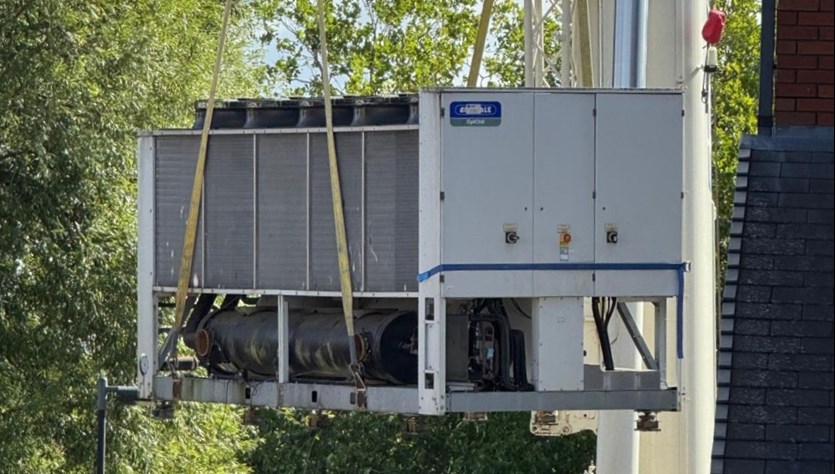
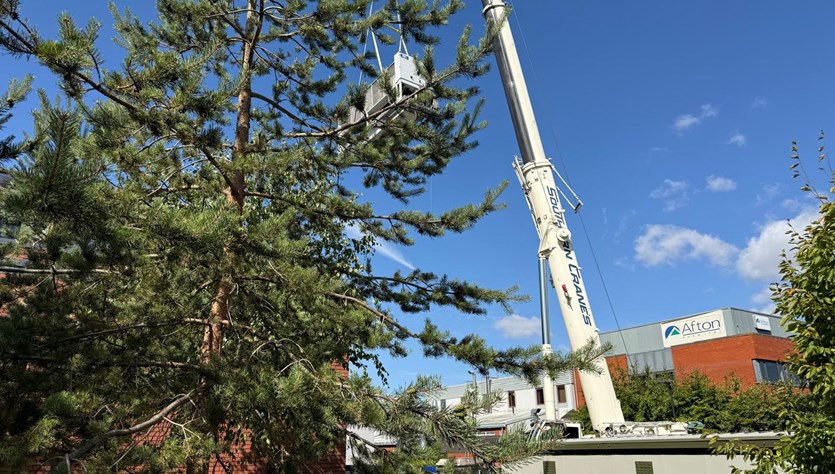
    To meet these requirements, Vital Energi installed two air source heat pumps capable of producing chilled and heated water simultaneously, ensuring temperatures can be tailored to individual areas of the building. The system is supported by four 7,000‑litre buffer vessels, providing thermal storage and enhancing system stability, alongside a newly installed energy compound to house key plant and infrastructure.

    The project delivers long‑term carbon and financial savings for the Trust, while providing a future‑proofed, low‑carbon solution aligned with NHS sustainability targets.

    This project is a great example of how we can successfully decarbonise our estate while maintaining high-quality patient care. Working closely with Vital Energi, we’ve delivered a solution that not only reduces our carbon footprint but also improves the resilience and flexibility of our facilities for the future.

    Dave Fuller, Head of Estates Projects, Royal Berkshire NHS Foundation Trust

    We’re proud to be supporting the Trust’s net zero ambitions through the delivery of a future proofed, low carbon solution. Maintaining resilience and patient comfort within a live urgent care environment was critical, and this project shows how complex healthcare settings can decarbonise without disrupting essential clinical services.”

    Paul Smith, Commercial Director, Vital Energi

    The works were carried out within a fully operational urgent care environment, requiring careful planning, close collaboration and continuous liaison with key hospital stakeholders. Maintaining energy resilience throughout the programme was essential to ensure uninterrupted care for patients.

    The successful completion of the Bracknell Urgent Care Centre project further demonstrates Vital Energi’s experience in delivering complex decarbonisation schemes across live healthcare estates, helping NHS organisations reduce carbon emissions while improving infrastructure resilience and performance.

    The project received £1.7m funding through Phase 4 of the Public Sector Decarbonisation Scheme (PSDS).

  • University of Wolverhampton unveils major decarbonisation project

    University of Wolverhampton unveils major decarbonisation project


    University of Wolverhampton: £11m Decarbonisation Project

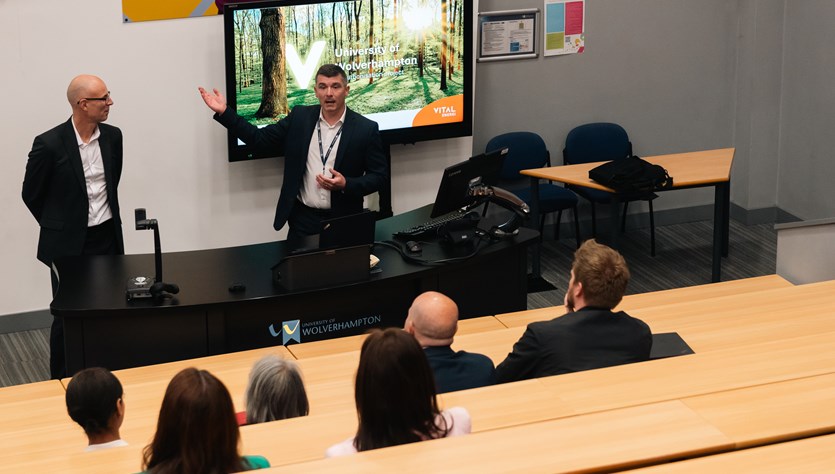
    Heat pumps, solar PV, and a heat network are just some of the technologies being introduced at the University of Wolverhampton as part of an £11m project to accelerate their journey to net zero.

    The University has joined forces with Vital Energi to deliver the multi-technology energy solution at their Walsall Campus, which will reduce carbon emissions by over 1,000 tonnes each year.

    Gas-fired equipment and end of life boilers will be replaced with an air to water source cascade heat pump system, which recovers heat from the air and boosts it to higher temperatures to provide low carbon heating and hot water to campus buildings.

    To enhance the overall efficiency of the heat pump system, Vital Energi will recover chilled water from the air source heat pumps, thereby eliminating the need to run the chillers during summer months, which will save more energy.

    Solar photovoltaics systems will be installed across a number of rooftops to allow for on-site renewable electricity generation. Energy efficiency measures will also be installed, such as air conditioning controls, pipework insulation, and improved heating and cooling controls.

    An underground network of district heating pipes, known as a heat network, will be installed, which will supply low carbon heat to five campus buildings.

    A ‘Living Lab’ will also be established, which will allow academics, researchers, and students to study the impacts of the heat pump technology, solar, and energy conservation measures. The Living Lab will offer real-life research opportunities for students and researchers, evidence-based recommendations for operational staff, and opportunities for research impact for academics.

    “At the University of Wolverhampton, we are thrilled to be making great progress towards our sustainability goals and reducing our carbon footprint. This is one of many great initiatives the university is committed to including the Green Innovation Corridor and a partnership with UNITAR to provide student education backed by the United Nations Sustainable Development Goals.”

    Dr. Pete Cross, Chief Financial Officer at the University

    Phil Mottershead, Project Development Director at Vital Energi, said:

    “We’re really pleased to be supporting the University’s journey to a net zero future. This project provides a large step towards full heat decarbonisation at the Walsall campus, with the inclusion of Solar PV and energy conservation measures meaning that year on year energy cost savings will also be delivered.”

    The project was made possible thanks to funding from the Phase 3c of the Public Sector Decarbonisation Scheme totalling £8.6m, which is delivered by Salix Finance on behalf of the Department for Energy Security and Net Zero.

    Director of public sector decarbonisation at Salix Ian Rodger said:

    “At Salix every day we’re driven to helping organisations reduce carbon emissions and introduce more energy efficiency measures.

    “In the face of climate change we have no time to waste. We’re pleased to support the University of Wolverhampton in the journey to net zero and look forward to seeing the progress made thanks to the Public Sector Decarbonisation Scheme funding.”

    The project will be delivered by March 2026.

  • Work starts to extend low-carbon heat network across Leeds

    Work starts to extend low-carbon heat network across Leeds


    Work starts to extend low-carbon heat network across Leeds

    Construction has recently commenced on milestone extensions to the innovative low-carbon district heating network being rolled-out in Leeds city centre by sustainable energy experts Vital Energi, in partnership with Leeds City Council.

    £3 million of Heat Network Investment Project (HNIP) funding was secured by Leeds City Council to support the phase three spine extension of the Leeds PIPES project, which uses heat from non-recyclable waste at the nearby Recycling and Energy Recovery Facility (RERF) to generate reliable, affordable, low-carbon heat and hot water for nearly 2,000 flats and a dozen non-domestic buildings across Leeds. The HNIP funding will support a significant 2,500m spine extension across zones covering student apartments, residential developments, multi-storey flats, large public sector sites. Additionally, the extension will help to strategically open up more of Leeds for future sustainable energy developments.

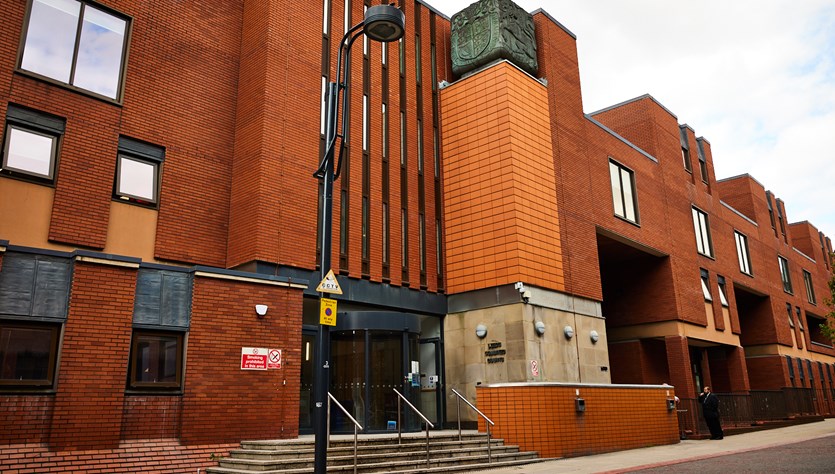
    Demonstrating the momentum of the network, a second separate piece of work has also commenced which will see the Ministry of Justice commit to greener energy consumption for the future in Leeds. Leeds Magistrates Court and Leeds Combined Courts are the latest in a list of high-profile city centre buildings and developments to have signed-up to connect to the district heating network from the existing network along Great George Street. The Combined Court Centre will take up to 1,400 kW and the Magistrates Court up to 800kW from the network.

    At full build out, the heat network has the capacity to save approximately 16,220 tonnes of carbon per year.

    By extending the district heating network, we’re enabling forward-thinking organisations like the Ministry of Justice to commit to a more sustainable future, which in turn sets a great example for other businesses across the city looking to lower their emissions and find more affordable methods of operating. By joining the network, organisations will have access to an affordable, reliable and low carbon way to provide heating and hot water and will avoid feeling as much impact from energy price increases. Meanwhile, making the long-term shift to a more sustainable form of energy will support wider decarbonisation efforts and help take the city a step closer to reaching its net zero ambitions.”

    Mike Cooke , Managing Director, North & Scotland

    VITAL LEEDS AUG2022 170

    Leeds Magistrates Court and Leeds Combined Courts | The latest in a list of high-profile city centre buildings and developments to have signed-up to connect to the district heating network.

    Solution detail

    Moving away from fossil fuel heating is a priority for us across the court estate as we look to build back greener from the pandemic and improve sustainability. Connecting Leeds Combined Court and Leeds Magistrates’ Court to the network will support our target to reduce our carbon footprint and our ambition to achieve net zero carbon by 2050. This project is a great example of local and cross-governmental working to tackle an important issue.”

    Graeme Goldsmith, Delivery Director for HMCTS North East

    VITAL LEEDS AUG2022 56

    Cross Green energy centre | Takes heat from non-recyclable waste at the RERF

    Solution detail

    The Leeds PIPES district heating network is one of our most exciting infrastructure projects and has real momentum behind it with more public, commercial, and residential buildings all choosing to connect. By extending the network to more parts of the city, I am delighted that we’ll soon be able to give even more businesses and residents the opportunity to enjoy affordable, reliable and low carbon heat—helping them to move away from costly fossil fuel based systems and towards a greener future.”

    Cllr Helen Hayden, Leeds City Council, Executive Member for Infrastructure and Climate

    VITAL LEEDS SEP2022 1

    Saxton Gardens energy centre | part of the low carbon Leeds PIPES heat network, helping Leeds City Council on their journey to net zero.

    Solution detail

    Government grants have already allowed homes, businesses and public buildings across Leeds city centre to move away from using costly fossil fuels and this latest heat network funding will help many more to see the benefits of low-carbon heating. Coupled with upgrades through the government’s Public Sector Decarbonisation Scheme, we are showing how investing in cutting-edge clean technologies can help protect consumers and businesses from the costs that are driving up energy bills at a time of high global prices.”

    Lord Callanan, Minister for Business and Energy

  • Heat pumps transform Tameside Hospital in £14m project

    Heat pumps transform Tameside Hospital in £14m project


    Heat Pumps Transform Tameside Hospital | Vital Energi

    Vital Energi has partnered with Tameside and Glossop Integrated Care NHS Foundation Trust on a £14m decarbonisation project that will cut carbon emissions at Tameside General Hospital by over 2,000 tonnes a year.

    Having designed and developed the scheme, Vital Energi will construct a new energy centre housing a 2MW heat pump system, comprising four air source heat pumps and two water source heat pumps, supported by two efficient low temperature hot water boilers.

    A new air source heat pump will also be installed within the Pathology block, replacing the old and inefficient gas boiler.

    The project includes de‑steaming the site-wide heating and domestic hot water systems to improve temperature control and eliminate heat losses, enhancing overall energy efficiency.

    A range of Energy Conservation Measures (ECMs) will also be installed. These include cavity and pipework insulation, hydronic optimisation of secondary systems, EC fan upgrades, upgrades to the building management systems, and roof‑mounted solar PV. More than 500 light fittings across the site will be upgraded to LEDs, including 170 emergency lights.

    The Trust’s collaboration with Vital Energi represents a significant step toward improving the efficiency and sustainability of the estate. The project will significantly reduce the Hospital’s energy bills, savings that can be reinvested into frontline patient care.

    The project is being delivered through the Carbon and Energy Fund (CEF) Framework, which has been specifically created to fund complex energy infrastructure upgrades for public sector organisations.

    “We’re proud to be working alongside the Trust on a project that will make a real difference to carbon reduction, energy efficiency and ultimately patient care. By integrating innovative heat pump technology, de steaming ageing infrastructure and delivering a comprehensive package of energy saving measures, we’re transforming the estate in a way that will deliver long term operational and environmental benefits. This investment represents a major step in the Trust’s decarbonisation journey, and we’re delighted to support them in delivering this scheme which reduces carbon emissions, cuts energy costs, and strengthens the resilience of healthcare services.”

    John Runniff, , Account Development Manager at Vital Energi

    “We are delighted to be working with Vital Energi on this milestone project to de-steam the heating infrastructure, whilst improving reliability and resilience of our engineering plant.”

    Ian Hinitt, Head of Estates at Tameside Hospital

    This project has been made possible through grant funding from Phase 4 of the Public Sector Decarbonisation Scheme (PSDS), which prioritises reducing direct carbon emissions from public buildings by supporting projects that deliver the highest carbon savings.

    The scheme is run by the Department for Energy Security and Net Zero and delivered by Salix Finance.

    “Every unit of energy saved in the NHS is a step toward cleaner air, better health outcomes, and a more resilient healthcare system, proving that energy efficiency is as vital as any treatment. This is about creating better buildings for the future, and healthier environments for the patients, the teams and everyone who visits a hospital.”

    Ian Rodger , Director of Public Sector Decarbonisation at Salix

    Alongside Tameside and Glossop Integrated Care NHS Foundation Trust, Vital Energi successfully guided eight clients through the Phase 4 application process, securing a total of £55.6 million for sustainable projects and contributing to the continued acceleration of the NHS Net Zero Strategy.

  • Coed-Ely Solar Farm Welcomes Welsh Government

    Coed-Ely Solar Farm Welcomes Welsh Government


    Coed-Ely Solar Farm Welcomes Welsh Government

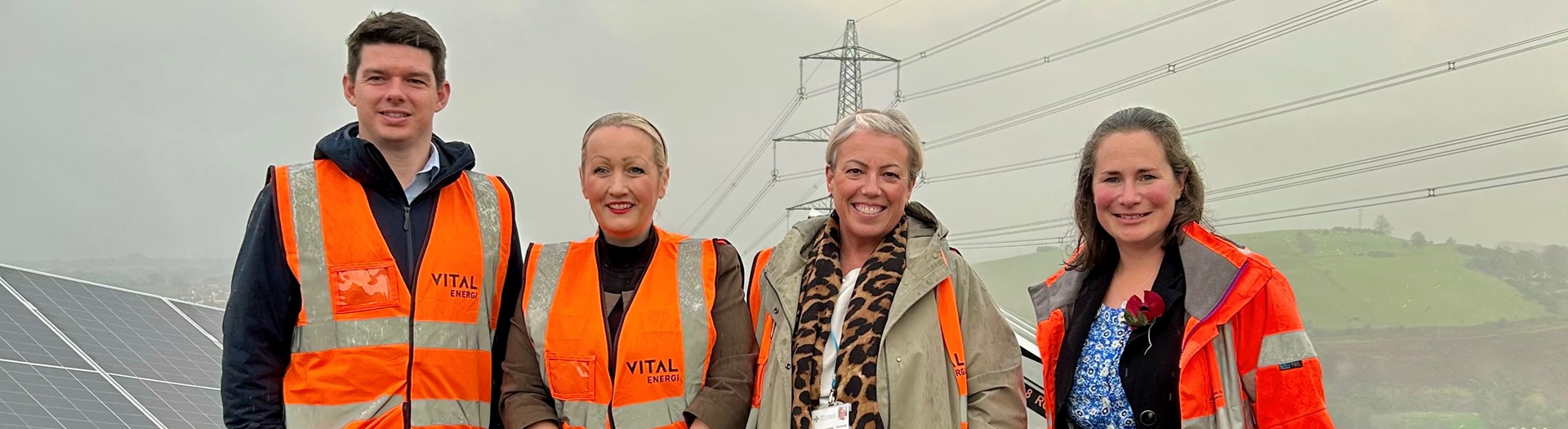
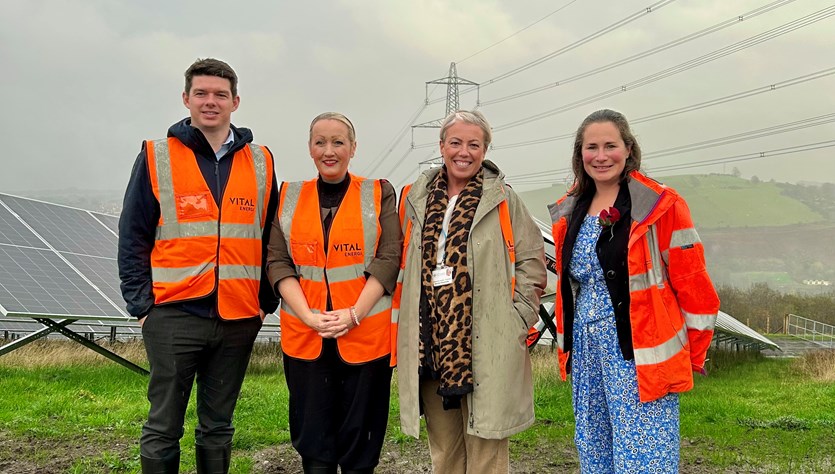
    On Thursday, November 6, Cabinet Secretary for Economy, Energy and Planning, Rebecca Evans MS attended the official opening of the new Coed-Ely Solar Farm, alongside Cabinet Member for Resources, Councillor Ros Davis, and representatives from the UK Shared Prosperity Fund (UKSPF), UK Government, NHS, Stantec, Rhomco, Vital Energi and the Welsh Government Energy Service.

    The visit came as part of the official switch on for the solar farm, which began supplying electricity directly to the Royal Glamorgan Hospital in early October. The visit provided opportunity to see the project generating electricity for one of our most vital public services.

    The visit included a tour of the solar farm and a visit to the hospital, meeting the team behind the project and learning more about the unique partnership between Rhondda Cynon Taf County Borough Council and Cwm Taf Morgannwg University Health Board, highlighting how the project has improved energy security, created local jobs, and generated over £600,000 in spending with local businesses and suppliers.

    Coed Ely Solar Farm is made up of 9,400 solar PV panels which can generate 6MW of electricity, with 5MW exported to the grid and 1MW sent to Royal Glamorgan Hospital through a 3.2km private wire network. It’s built on the site of a former 84-hectare colliery tip and is a great example of how we can repurpose our industrial past to be part of our energy future. Marking Welsh Climate Week and tying in with this year’s theme, unlocking the benefits of change, the solar farm creates local power for local care whilst providing grazing for farm animals and thriving hedgerows for local wildlife.

    The Coed-Ely Solar Farm was jointly funded by Rhondda Cynon Taf County Borough Council, the UK Government through the UK Shared Prosperity Fund (UKSPF), and part-funded by the Welsh Government.

    IMG 0518

    Welcoming the Cabinet Secretary for Economy, Energy & Planning, Rebecca Evans MS to the Coed Ely solar farm.

    Solution detail

    Seeing the solar farm live is a truly magnificent milestone. This ambitious project has been delivering energy for the benefit of our communities for a few weeks now and it’s fantastic to meet with our contractors, partners and those from the Royal Glamorgan Hospital on site today to see the project in action. The visit comes as part of Welsh Climate Week and this year’s theme, unlocking the benefits of change, ties in perfectly with what the solar farm stands for, creating local power for local care whilst still providing grazing for farm animals and thriving hedge rows for local wildlife.

    Councillor Ros Davis, Cabinet Member , Rhondda Cynon Taf County Borough Council

    Councillor Davis continues, “Any electricity generated that is not used by the hospital is fed into the National Grid, helping strengthen the UK’s overall energy security. But ‘local’ is at the heart of this project, local power and local impact.”

    Cabinet Secretary for Economy, Energy and Planning, Rebecca Evans MS said: “The Coed Ely Solar Farm is a shining example of how we can transform our industrial heritage into clean energy infrastructure that serves our communities.

    By repurposing this former colliery site to power vital NHS services, we are demonstrating that Wales’ journey to net zero can create local jobs, support local businesses, and ensure our public services are more resilient and sustainable for the future.”

    Secretary of State for Wales Jo Stevens said: “The Coed Ely Solar Farm is a great example of the UK Government investing in a project that creates jobs, drives economic growth, contributes to lowering household and public sector energy bills, and helps achieve carbon neutral targets.

    We have invested £4.892 million from the UK Shared Prosperity Fund which, alongside funding from our partners, means the solar farm is now supplying green electricity to the Royal Glamorgan Hospital and the national grid and playing a part in our mission to make the UK a clean energy superpower.”

    Mark Williams, Partnerships Director at Vital Energi explains: “One of the truly exciting things about this solar farm is that it demonstrates what can be achieved when the public sector collaborates to improve resilience, lower carbon emissions and save money on energy bills.  We shared the council’s vision that this project should bring maximum value to the community, so we’re pleased we could employ local people, spend money with local businesses and work with the charities, schools and groups which make up this fantastic community.”

  • Official Opening of Hebburn Heat Network’s Paul Younger Energy Centre

    Official Opening of Hebburn Heat Network’s Paul Younger Energy Centre


    Official Opening of Hebburn Heat Network’s Paul Younger Energy Centre

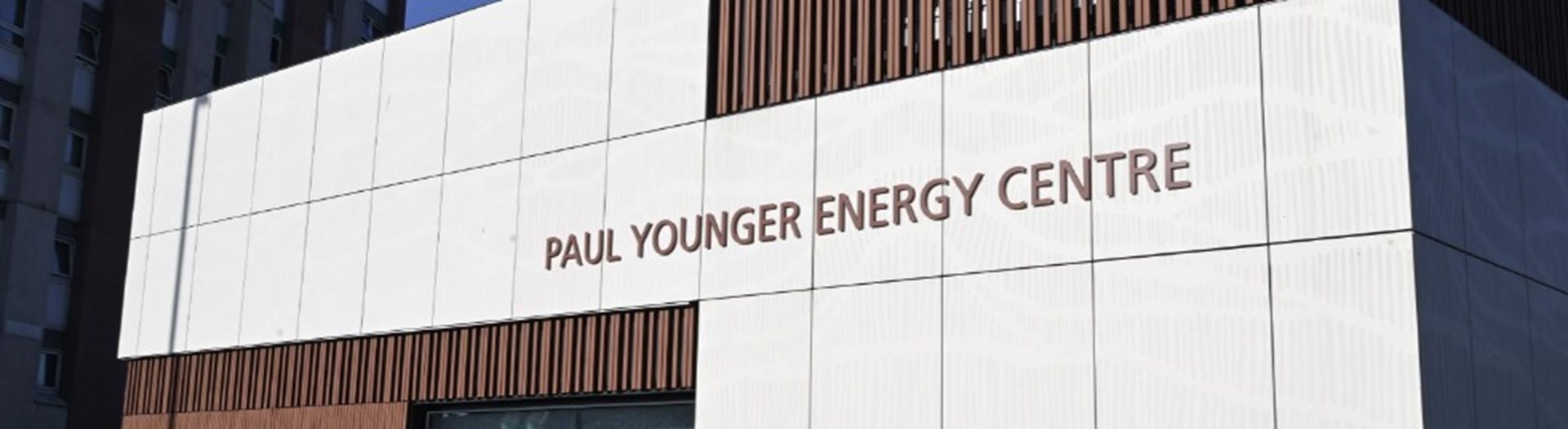
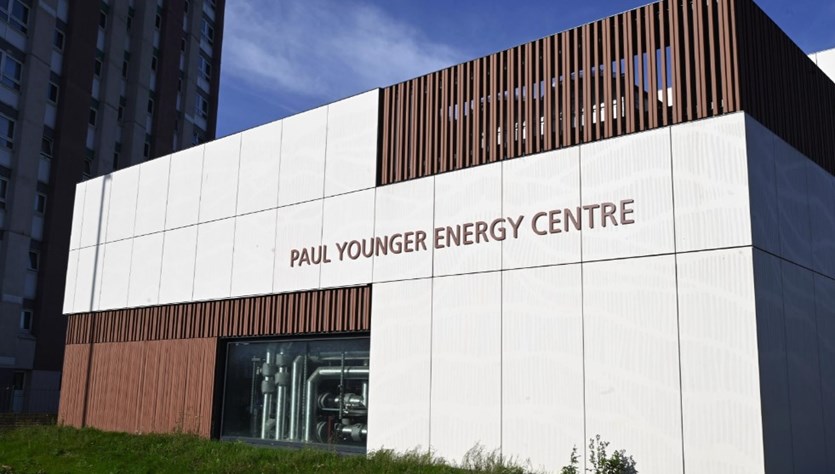
    The Hebburn Heat Network is an exciting new project which is revolutionising the way the community generates and distributes heating and at the heart of the project is the newly opened Paul Younger Centre.

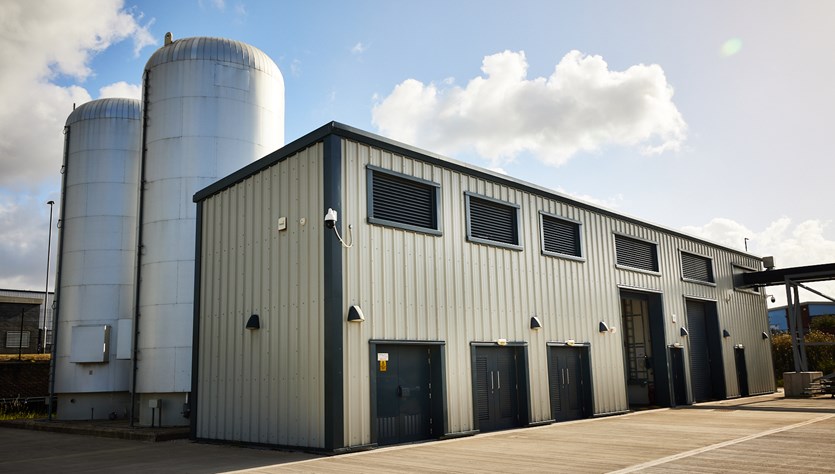
    The energy centre, in Hebburn town centre, uses air source heat pumps to provide renewable heating and hot water to Durham Court residential block and Hebburn Central leisure facility.

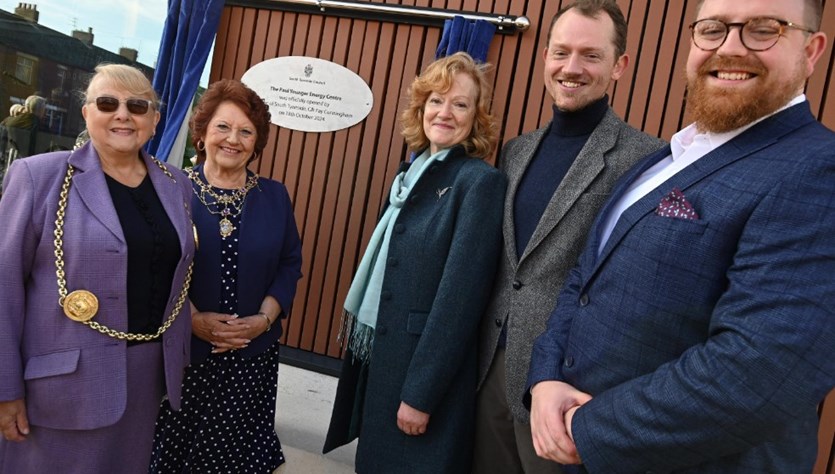
    The Mayor of South Tyneside, Councillor Fay Cunningham unveiled a plaque to mark the official opening of the building. She was joined by the Mayoress, Stella Matthewson and dignitaries including former Mayor Councillor John McCabe as well as Paul’s family and friends.

    The Hebburn Renewable Energy Centre is a wonderful tribute to the late Professor Paul Younger, who was born in the town and went on to become one of the world’s foremost experts in his field. It was a real honour to perform the official opening and wonderful to mark such a special occasion with Paul’s family and friends. Paul was described by his colleagues as passionate, warm and as having a fundamental desire to do good in the world. I’m sure he would be extremely proud to have such a fantastic facility in the town he was born.”

    Councillor Fay Cunningham , The Mayor of South Tyneside

    Hebburn Opening 2

    The Paul Younger energy centre, which feeds the Hebburn Heat Network

    Solution detail

    About The Project

    The centre’s two-stage 450kw air source heat pump solution takes ambient heat from the air and converts it into hot water to provide low carbon heating. It has allowed the Council to reduce its reliance on traditional, gas-fired boilers, and is helping to cut carbon emissions by around 320 tonnes per year. Electricity generated locally using solar panels and a Combined Heat and Power unit helps to power the system.

    The project originally intended to draw on geothermally heated warm water in flooded disused coal mines. However, this method was found to be unworkable during the drilling works phase due to the conditions deep underground which could not have been foreseen. Fortunately, mitigation measures designed into the scheme from the outset meant the project could progress, with energy generated by drawing ambient heat from the air, rather than from underground.

    The scheme secured more than £4.8m in funding from the European Regional Development Fund (ERDF) and was developed in collaboration with the Coal Authority and Durham University, with the new centre built in a partnership with Vital Energi, Buro Happold and Driver Group.

    It is the second of the Council’s flagship renewable energy projects, following the opening of the award-winning Viking Energy Network in Jarrow (VENJ). VENJ draws heat from the River Tyne using innovative technologies, making it a first in the UK and was also delivered by Vital Energi.

    Both schemes, marking their first year in operation, are delivering a combined annual reduction of around 1,035 tonnes in carbon emissions.

    Councillor Ernest Gibson, Lead Member for Neighbourhoods and Climate Change at South Tyneside Council, said: “These groundbreaking energy centres show real innovation and vision in renewable energy solutions. We will continue to work in partnership with others to assess and deliver future schemes wherever possible to help us deliver even more carbon savings.

    “They are just one of the ways we are using modern technology to meet our energy demands in a more sustainable way and creating a cleaner, greener Borough for our residents.”

  • Why is BMS the unsung hero of decarbonisation?

    Why is BMS the unsung hero of decarbonisation?


    Why is BMS the unsung hero of decarbonisation?

    When we talk about decarbonisation, people often jump to renewable energy, electrification, and cutting-edge technologies. Yet, one of the most powerful tools for reducing carbon emissions is already sitting at the heart of our buildings: the Building Management System (BMS). A well-optimised BMS can transform energy performance, cut operational costs, and support the journey to net zero, without the need for major structural changes.

    With more than 15 years’ experience, BMS Optimisation Engineer, John Collins, has a unique perspective on why these systems are critical to decarbonisation, particularly in complex, high-demand environments like hospitals. From installation and commissioning to advanced optimisation, he understands how a smart BMS can transform energy performance.

    In his current role at Vital Energi, John is involved in surveying, upgrading, and optimising BMS systems, with a focus on healthcare clients, ensuring they not only meet technical standards but deliver measurable energy savings. His work bridges the gap between design and delivery, combining technical precision with a clear focus on sustainability outcomes.

    In this piece, John shares why BMS plays a key role in decarbonisation, how hospitals can use BMS to achieve meaningful, measurable impact, and more.

    What is a Building Management System?

    A BMS is like a buildings “brain”.  It is also known as a Building Automation System (BAS), or a Building Energy Management System (BEMS).

    It is essentially a computer-based system which monitors and controls all the heating, ventilation and air conditioning systems (HVAC) within a building, or series of connected buildings.

    A BMS quite often also controls and/or monitors other systems such as:

    • Lighting and power distribution
    • Solar PV
    • Energy metering
    • Fire alarms and life safety systems
    • Security and access control

    A BMS is typically made up of a supervisor, which is a graphical interface for an end user to see and control the HVAC systems. This supervisor is then connected to series of BMS outstations throughout the building, either across an ethernet network, or a proprietary network for some older installations.

    The BMS outstations, as an example, are usually situated in plantrooms where air handling units, or heating pumps are present. And are then connected to these via a series of sensors, like temperature sensors, and actuators, which control things like heating valves.

    What is involved in the installation/upgrade of BMS?

    The first step when we upgrade a Building Management System is to review the current BMS setup to understand the age, condition and how it’s currently performing, before designing a clear upgrade plan tailored to the building(s) environment, taking into consideration factors like Health Technical Memoranda (HTMs), which is defined and laid out clearly in reviewable design documentation (RDD) for the client to review and approve.

    Next, we replace outdated hardware with the latest technology, often retrofitting it into existing panels to minimise disruption. We also modernise the BMS network by removing old proprietary networks and in some cases installing a dedicated, secure Ethernet-based BMS network.

    The software is completely rewritten with optimised strategies and updated setpoints, and we refresh the user interface with new graphics and the latest supervisor version for easier control. Alongside this, we install a central weather station for accurate environmental data to feed back into the optimised strategies. We also check and report on the condition of connected HVAC systems with detailed dilapidation reports.

    Finally, we validate the system with the client to ensure everything works as intended and provide full functional description of operations (FDOs) as a part of the operation and maintenance manuals (O&Ms) for the new systems and software strategies.

    How can BMS help organisations achieve their net zero targets?

    BMS is a fundamental part in achieving net zero targets.

    As we have already touched on, the BMS is the thing in charge of controlling a lot of systems within a building. Something that is key for achieving net zero targets is the control of heating and ventilation systems. Now these systems can only operate as good as the thing telling them what to do, and that is the BMS!

    Experience has already told us that changing the BMS hardware alone does not generate any real reduction in energy usage, this largely comes from the software inside, which we put a tremendous amount of effort into analysing and designing optimised software, control logic and strategies, with the latest BMS product ranges providing the perfect platform for this software to be implemented.

    What are the biggest challenges in implementing or optimising BMS within hospital environments?

    Maintaining comfort conditions during hardware installations and through software rewrites. As a company we have a lot of experience with delivering these projects with very little/to no impact to staff or patients, but it is still definitely one of the biggest challenges.

    Another challenge is ensuring our clients fully understand how their system operates, especially since the new optimised software has been implemented. We tackle this by providing full new operation and maintenance documentation as standard with our projects. These are pre-approved by our clients before any changes are implemented and are fully updated once the project is delivered.

    How does BMS impact patient/staff comfort levels?

    The BMS has a huge impact on patient and staff comfort levels, which creates a tricky task designing a system to achieve the same comfort conditions for less energy. We achieve this through extensive energy and weather modelling to establish when and where heating systems can be reduced, and in some conditions be turned off.

    How does BMS contribute to cost savings?

    We have successfully delivered a considerable amount of BMS upgrade and optimisation projects, many of which have overachieved the guaranteed savings.

    One standout project was delivered in collaboration with a major NHS Trust, where collaboration with the Trust and their BMS manager delivered exceptional results. They fully embraced our optimised strategies and even made additional adjustments to settings and schedules, which amplified the savings.

    As a result, annual verified gas savings soared from our guaranteed 1,571,974 kWh to an impressive 7,475,244 kWh – cutting 1,440 tonnes of carbon and saving £199,761 each year, compared to the original target of 371 tonnes of carbon and £65,895 in financial savings.

    Does BMS have to form part of a wider decarbonisation scheme, or can it be a standalone project?

    Something that often gets overlooked is the importance of BMS in wider decarbonisation schemes. In order to carry out other energy conservation measures (ECMs), like replacing secondary heating pumps for more efficient direct drive pumps, changing heating circuits from fixed to variable flow, or retrofitting new EC fans in air handling units, the BMS needs to be considered. All these measures directly integrate into a BMS system, so it is crucial that the system is up to date and optimised properly to get the most out of the other ECMs.

    Not only is the BMS important to anything on the secondary side, but it is also key to any primary side works. If, for example, we are de-steaming a site and installing new low temperature hot water plate heat exchangers, these need to be integrated and controlled by the BMS. Another example is when we install water source, ground source, or air source heat pumps. These systems depend on the BMS to share key information from the building’s existing systems, ensuring they operate effectively and efficiently.

    In short, any new technologies being installed, should, and need to be integrated into the BMS!

    Now that being said, upgrading and optimising your BMS can absolutely be a standalone project that can achieve great energy savings and lay the groundwork for future ECMs, making it the essential first step toward a more efficient, sustainable building.

    Conclusion

    Whether you’re looking to optimise an existing system or plan a full upgrade, the right approach can deliver measurable energy savings, improve comfort, and accelerate your journey to net zero.

    Email [email protected] and talk to our BMS specialists to find out how we can help you transform your building’s performance and achieve your sustainability goals.