Groundworks for the Hull District Heat Network are now underway, marking the start of a low carbon initiative designed to drive economic growth and enhance sustainability across the city.
A new energy centre begins to take shape
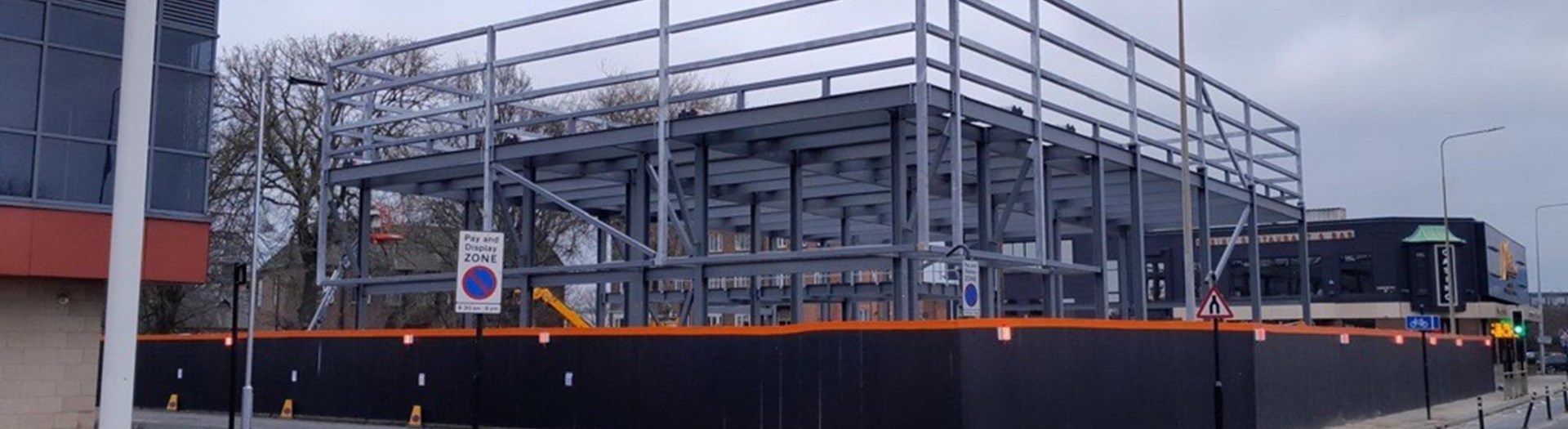
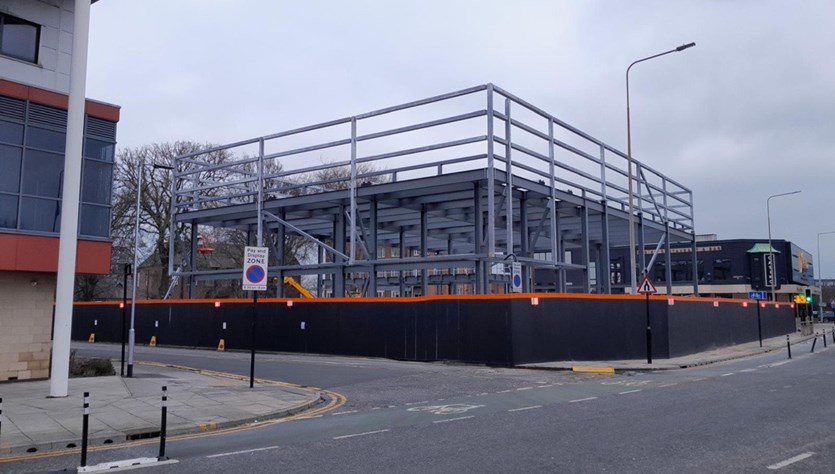
Construction of the new energy centre at Trippett Street car park has begun, with steelworks now in place forming the framework of the building. The facility will house air source and water source heat pumps, delivering instant low carbon heat and hot water to council buildings, educational institutions, and private sector businesses. Once complete, the team will move on to the internal works of the structure, taking small steps toward this major initiative. In the future, the scheme plans to supply residential buildings as well.
Pipework progression across the city
In addition to the energy centre, approximately 5km of underground insulated pipework will be installed across some of Hull City Centre’s major streets and roads. Works have already commenced at various locations and are progressing well in line with the construction programme, whilst also ensuring access to businesses and buildings is maintained where possible. Once the network is fully installed and operational, these pipes will efficiently transfer heat generated at the energy centre to connected buildings.
Plans for the future
These groundworks are just the beginning of a project set to transform Hull’s energy landscape. During 2026, pipework will be installed underneath the River Hull, via the Drypool Bridge underground tunnel, which will connect to future opportunities.
We are working alongside other developers and experts to further enhance the scheme for the city of Hull.
Reaching the community
Above construction works, the project is also about the growth of Hull’s economy, with job creation, education and more. In the coming weeks, we will begin to see more of this commitment come into fruition through our collaboration with Hull College who will provide us with access to deliver learning opportunities, skills development and community engagement.
As part of the scheme, other commitments will include local school and college engagement, site visits for students, work experience placements, apprenticeship opportunities, and the use of local supply chain to name a few. The scheme is projected to save an estimated 110,000 tonnes of carbon emissions over the next 40 years; the equivalent of almost 1,900 cars being taken off the road each year. Through our partnership with Hull City Council, we endeavour to deliver a project that not only reduces carbon emissions and creates a greener, healthier environment, but also deliver a range of community benefits to the residents of Hull.
Leave a Reply