Blog

  • Scottish Healthcare Projects Bring 14,000+ Tonnes of Decarbonisation

    Scottish Healthcare Projects Bring 14,000+ Tonnes of Decarbonisation


    Health Board Energy Projects Add Almost 14,500 Tonnes to Scotland’s Decarbonisation Targets

    NHS Borders, NHS Lanarkshire and NHS Tayside are all set for considerable energy and carbon savings as their energy conservation schemes reach completion and go live.

    Now complete, the three projects are set to reduce NHS Scotland’s carbon footprint by over 12,000 tonnes over the course of their lifecycles.  Additionally, NHS Forth Valley has just completed its first 12 months, adding another 2,470 tonnes of carbon reduction to Scotland’s decarbonisation targets.

    The three projects were delivered by Vital Energi through the Non-Domestic Energy Efficiency Framework and include an energy performance contract which guarantees energy and carbon savings, which are verified over a 12-month period.

    Image (15)

    The Solar PV installation on NHS Lanarkshire’s West of Scotland Laundry roof.

    Solution detail

    These types of energy performance projects are important because they provide assurances to our clients, and we have the confidence to guarantee that savings will be delivered as promised. It’s fantastic to see these decarbonisation schemes moving into the live phase where those savings will be realised, and these are three more fantastic contributions to NHS Scotland meeting its net zero targets.

    Kieran Walsh, Regional Manager, Vital Energi

    NHS Borders

    Our team surveyed the existing energy infrastructure at Borders General Hospital and designed a range of measures which are projected to save £279,302 whilst generating 344 tonnes of carbon reduction per year.  This was achieved through a mixture of upgrades to the lighting, HVAC, valves and building management systems as well as insulating pipework across the hospital and a few smaller satellite sites. We also delivered a 680 kWp solar array, generating clean energy and making the health board more self-sufficient.

    NHS Lanarkshire

    The health board is set to save 191 tonnes of carbon whilst achieving £172,135 of financial savings through a comprehensive mix of energy conservation measures across 2 sites which included  rooftop solar PV, heating pump upgrades and building fabric improvements such as insulation, draught proofing and door glazing upgrades.

    Two separate heat recovery systems have been added to the West of Scotland Laundry site, these bespoke systems have been designed to recover waste heat from both the internal space and mixed effluent of the washing machines.  This achieves 715,174kWh of gas savings and 122TCO2 carbon savings annually from these measures alone.

    NHS Tayside

    NHS Tayside undertook a range of measures which will reduce their carbon emissions across 3 of their sites (and councils) by 186 tonnes per year whilst saving £27,389 per annum.  To achieve this a range of energy conservation measures were installed, including 269 rooftop solar panels installed across 2 of the sites, a total of five  air source heat pumps to provide heating and hot water to each of the sites and improved building fabric performance through measures including insulation, door and glazing upgrades and LED lighting upgrades across 2 sites.

    NHS Forth Valley Completes First 12 months

    In addition to three new projects entering the monitoring and verification phase, the NHS Forth Valley energy conservation project just completed its first 12 months of being live and achieved each of its key performance indicators, saving 116 tonnes of carbon per year, almost £60,000 in energy savings and reduced energy usage by over 600,000 kilowatt hours per year.

    After securing additional funding, works were expanded to also include Battery Energy Storage Systems across three sites and an air source heat pump to further help decarbonise the Health Board’s estate.

    31 01 25 More Than 3000 Tonnes Of Carbon Savings Set For NHS Tayside Photo

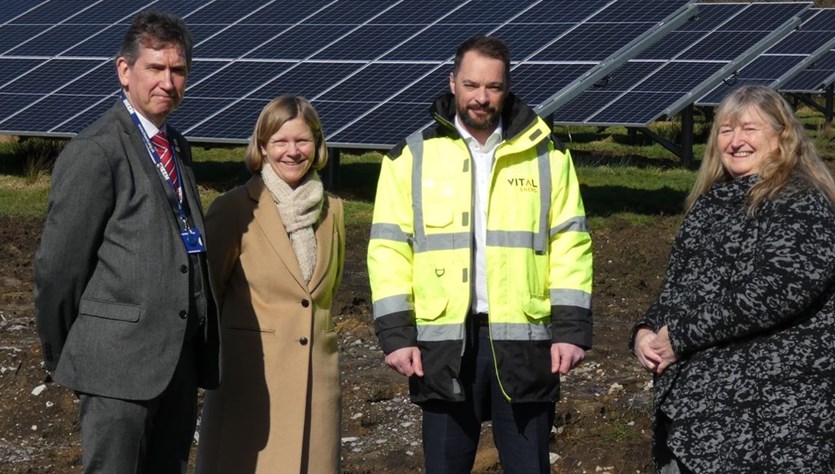
    Mark Anderson Associate Director of Facilities – Property at NHS Tayside, Evan Reilly Construction Degree Apprentice at Vital Energi, David Gibson Head of New Works at NHS Tayside and Scott Roe, Project Manager at Vital Energi

    Solution detail

    Mr Walsh concludes, “These projects exemplify a fundamental step transition to Scotland meeting its net zero targets, so it is imperative that they deliver as promised and the NHS realises the full carbon savings.  We’re delighted to show our commitment to the decarbonisation of the NHS by helping to deliver four more projects which will make a real difference to the Health Boards and local communities.

  • Harvey Hudson Wins Apprentice Of The Year at Young Engineers’ Awards

    Harvey Hudson Wins Apprentice Of The Year at Young Engineers’ Awards


    Harvey Hudson Wins Apprentice Of The Year at Young Engineers’ Awards

    We are delighted that one of the first students to enrol on our Net Zero Apprenticeships programme has won the Technical Apprentice of the Year (Level 3-4) award at CIBSE’s Young Engineer Awards 2022.

    Harvey is a 2nd year Technical Apprentice with Vital Energi and studies at The City of Liverpool College. As part of his apprenticeship, he has been working in various departments ranging from work winning through to commercial and design and he is now moving onto the site-based part of his experience.

    Harvey isn’t just a great apprentice, he’s also a fantastic ambassador for apprenticeships. He’s spoken at events about the benefits of apprenticeships and to audiences ranging from school children to industry experts and he had had a real impact in promoting, not just our apprenticeship programme, but apprenticeships in general. “The first group of apprentices to enrol on our course have been wonderful. Their team ethic has been fantastic and the way they integrated into their various teams and began making valuable contributions has been inspirational. We are all very proud of Harvey for winning this award. Vital Energi are committed to inspiring the next generation of young engineers, so this has been a fantastic first year for the programme.”

    Jenny Jackson, Resource Manager – Vital Energi

    Microsoftteams Image (39)

    The CIBSE Young Engineers Awards recognise and reward the innovative thinking, hard work and skills of graduate engineers, whilst also showcasing employers who are truly committed to developing and encouraging young talent. This is the third year of the Apprentice of the Year Category, with awards being presented in a London-based ceremony on October 11th.

    Harvey spoke of his win, saying, “A lot of people have put a lot of time into developing my career and getting me to this point and I’d like to say a big thank you to them.  I’ve really felt at home since joining Vital Energi and tried to embrace every experience and opportunity and I’ve been supported by some really great people along the way.  The other young engineers on the shortlist were very strong, with some amazing achievements, so it was a surprise to win and I’m truly honoured.  I’m now looking forwards to my second year and continuing to learn and gain new experiences.”

    Solution detail

  • Handling A Shutdown & Minimising On-Campus Disruption

    Handling A Shutdown & Minimising On-Campus Disruption


    Handling A Shutdown & Minimising On-Campus Disruption

    University campuses evolve over time and need heat networks which grow and develop alongside them.  Vital Energi has been working in partnership with Loughborough University for 25 years to ensure their heat network can meet the needs of staff and students.

    We recently sat down with the University’s Project Manager, David Bell to discuss preparing for shutdowns, reconfiguring networks and how to minimise disruption on campus.

    Vital Energi: When you know you’re doing a heat network shutdown, what are your considerations?

    David Bell: Firstly, you have to consider which part of the campus is involved. Our campus is split into three areas: Central, East, and West.

    The East side consists mainly of teaching spaces and offices, so a shutdown there primarily affects staff during the working day.

    The Central campus is different as it contains most of our student accommodation. We must be very careful about how we manage that impact. Students are our clients; they pay to live on campus, and we have a duty of care to ensure they always have heat and hot water. For that reason, we schedule most Central campus shutdowns during the summer, from June through to the end of September, when far fewer people are around.

    The West side of campus has some teaching areas as well, but it also includes the Science and Enterprise Park, which is home to commercial companies renting space from us. That means close coordination is essential.

    We often plan these works years in advance, making the best use of that time. We start with initial communications to let everyone know what’s planned and then liaise with the contractor. Vital Energi handles much of the detail under our oversight, bringing their technical experience and understanding of heat network systems. Once we know the timescales and finer points, we can introduce more detailed communications and engage with stakeholders to identify and resolve any potential issues.

    VE: You’ve mentioned communications a few times now. How important are they on higher education projects?

    DB: Communications are essential.

    On this project, we were doing enabling works over the summer as part of a new 500-bed student accommodation build. A lot of the existing heat and water infrastructure ran through the area where the new buildings were going, so we had to divert those services. That also meant diverting mains cold water and both the high-voltage and low-voltage cabling.

    We held a joint meeting with Vital Energi East and other contractors to coordinate everything and make sure everyone knew who was digging where and when. The cold-water work wasn’t too disruptive as it was mostly outside the main compound, but within the compound we had HV and LV works happening at the same time.

    David Cooper, your project manager, managed that brilliantly. He kept everyone in the loop, worked with a senior lecturer to create a safe walkway through the site in case of emergencies, and even helped with bin deliveries and car park access. It’s those small details that make a big difference.

    From the initial planning stages right through to estimating and coordination, communications were spot on. The whole team at Vital delivered exactly what we’ve come to expect, which is the reason we keep working with them.

    NDT Tested Welds

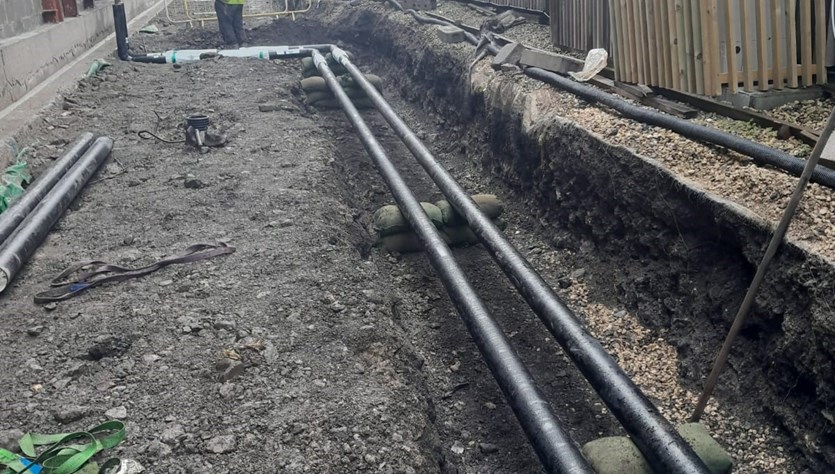
    Non-Destructive Testing on the welded joints ensures the highest quality and contributes to longevity.

    Solution detail

    From the initial planning stages right through to estimating and coordination, communications were spot on. The whole team at Vital delivered exactly what we’ve come to expect, which is the reason we keep working with them.

    David Bell – Project Manager, University of Loughborough

    VE: Construction and engineering works can cause disruption, and not all projects can be delivered during the summer holidays. What levers can you pull to reduce that disruption and minimise the impact?

    DB: It depends on the project, but our long lead times make it easier to plan ahead and reduce issues. If we have an emergency shutdown outside of the holidays, for example, we work closely with our Rooms and Accommodation Department to look for solutions through timetabling.

    If a lecture was scheduled in a building without heat, we might move it elsewhere. Rooms and timetabling will always work together to avoid disrupting core teaching wherever possible.

    Our biggest concern is always the students, so we do everything possible to keep heat and hot water running while they’re here. Sometimes it can’t be helped, but careful planning and clear communication help to minimise the impact.

    It’s like a sliding scale of solutions. We aim to do everything outside of term time, but if that’s not possible, we’ll find individual solutions. Even outside of term we must be careful as graduation, for instance, is a key date that needs to be respected.

    VE: Can you give us practical examples of how you worked with Vital Energi to reduce the impact on this project?

    DB: The pre-construction period is critical. That’s when we issue communications to everyone involved so stakeholders can provide feedback before work starts.

    Vital sent senior members of staff to the pre-start meetings and developed very good relationships with our Facilities Management team, which meant everyone knew what was happening and could keep others informed. I maintain a stakeholder map to help the project team identify who they need to speak to, and we liaise closely with Security to manage access. We also have a project management board that’s updated weekly or monthly. My role is to make sure Vital has those relationships in place and that communication stays consistent.

    You can see the benefits of that planning in practice. On one occasion, there was a fire on an adjacent site, and emergency vehicles needed access through our site. Because emergency routes had already been factored in and protected at the planning stage, everything went smoothly.

    VE: So responsiveness is also important?

    DB: Absolutely. Some issues need fast resolution, and Vital are very strong in that area. Your project manager shared his mobile number with everyone who needed it and responded quickly whenever issues arose.

    Vital are also proactive in branding their site fencing with contact details, which makes it clear how to provide feedback or raise a concern, and those queries are resolved promptly.

    VE: University campuses are constantly changing and evolving. What can you do to make sure your heat network keeps up?

    DB: We’ve known for five years that we were going to build this new student accommodation, so we planned accordingly. We’ve also got a ten-year plan, which means anything we do now complements that bigger picture and is future proofed. Having a long-term view is essential.

    Old Pipework Capped Off

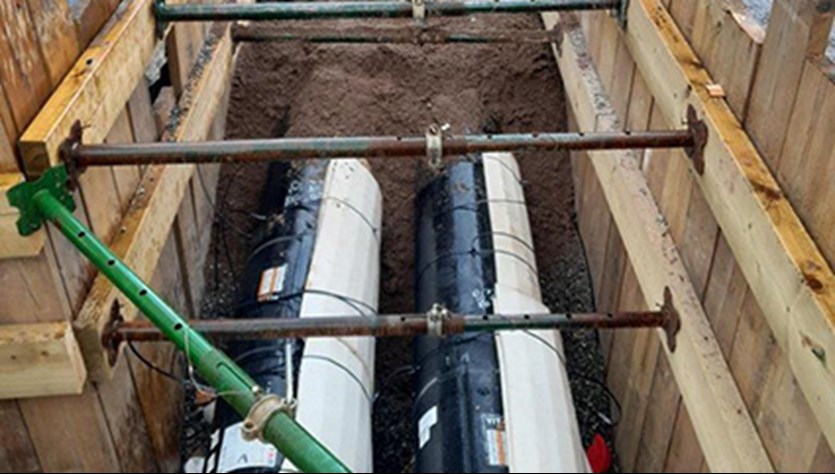
    Capping the original pipework as part of the reconfiguration works

    Solution detail

    VE: Are here any areas you feel are undervalued, but if you do them right, your project goes more straightforward?

    DB: We live in a world of technology, but there’s still no substitute for the personal touch. When Vital has a project, I’ll call, arrange a site meeting, have a coffee, and we go through the drawings together. That kind of open, two-way discussion sets the foundation for a good partnership.

    Everyone is flooded with emails these days, so that face-to-face contact at the start makes a real difference.  Also, that’s when you can start helping them to understand your culture.

    VE: No two campuses are the same. How much work goes into helping contractors understand yours?

    DB: That’s a really important point. Vital has been working with us for 25 years now, so they know the campus well, but that experience has built up over time.

    We have “Loughborough standards” and specifications, and most Universities will have variations of their own.  They’re all clearly set out in our ITT documents, which help contractors understand the technical expectations. But you also have to learn the culture of how the university operates.

    The project manager on this job came straight from another higher education project, but he quickly realised that methods and procedures which worked elsewhere wouldn’t necessarily work here. He listened, adapted, and came up with the right solutions for our environment.

    We also do simple things like sharing the academic calendar, identifying sensitive dates, and connecting contractors with curriculum and facilities management teams. It’s about building a full picture of how the site functions.

    VE: So trust becomes a big issue?

    DB: Absolutely. I can’t be on site eight hours a day, it’s just not realistic. My job is to communicate what’s needed, set the required standards, and then trust the contractor to deliver. I provide oversight, not micromanagement.

    That’s why experience and a strong track record are so important. Good contractors work to the right quality and standards, and we make sure that happens without needing to watch every move.

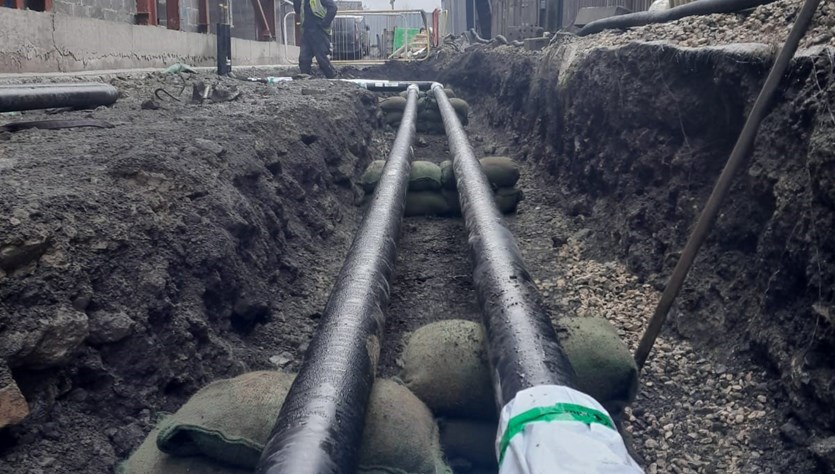
    Diversion Run

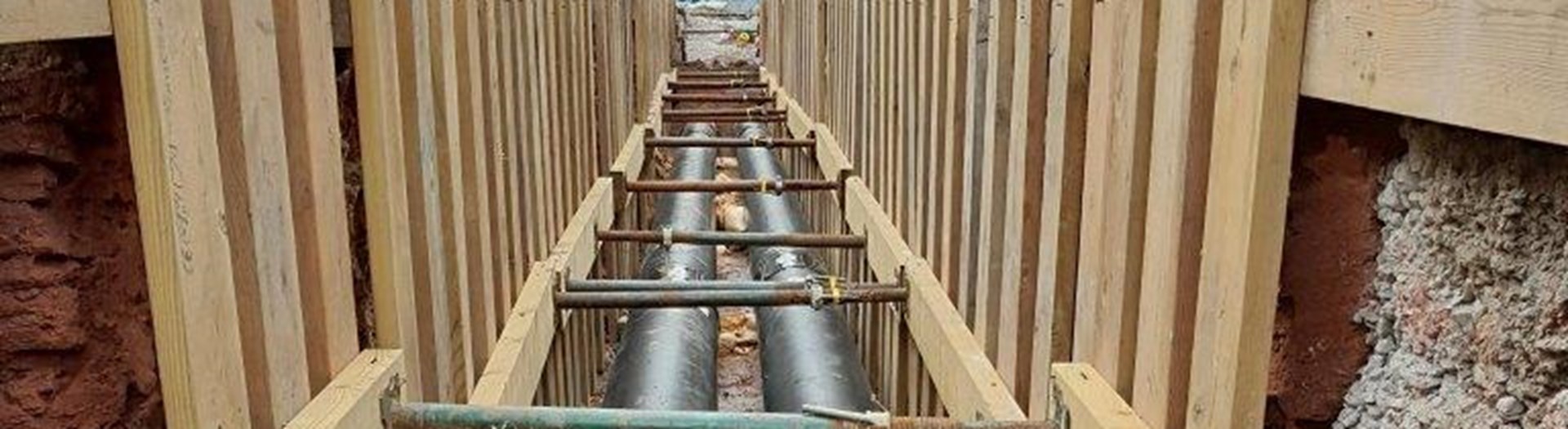
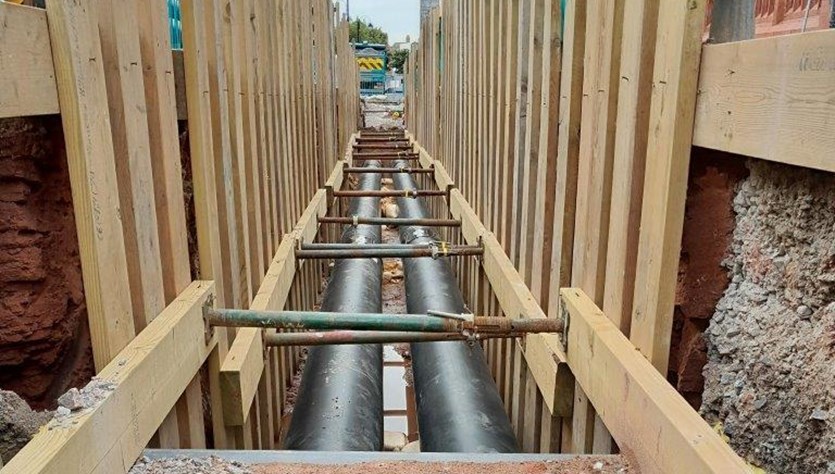
    The new 300m section of heat network being installed.

    Solution detail

    VE: If you get the invitation to tender right, does that solve many of the technical challenges?

    DB: It certainly helps. We don’t use external cost consultants; we estimate project values ourselves and apply to our special projects team for funding.

    Our framework contractors have already met the necessary standards, and the ITT documents set out the scope of works, specifications, and procedures. We assess bids on both price and quality.

    There’s always a temptation to go for the cheapest option, but that can cost far more in the long term. Especially with district heating systems, it’s important to have the right expertise… you need absolute confidence that your contractor knows what they’re doing.

    VE: How would you rate Vital’s approach?

    DB: You met every single expectation, and in some cases, you went above and beyond, which was great to see.

    VE: You’ve managed your heat network successfully for over 25 years now. What advice would you give to organisations just starting out?

    DB: Technically, I’d say build resilience into your design. Our network is designed so we can isolate certain branches and redirect heating through others. That means we can shut down parts of the system while still delivering service elsewhere, which is a big help during reconfiguration works.  You can’t overstate the importance of resilience.

    More broadly, build strong relationships with your contractors. There’s real comfort in knowing you’re working with professionals you can trust.

    Finally, don’t focus solely on price… aim for value. Budgets are tight, and value for money is essential, but long-term infrastructure has to last. Choosing the cheapest option can cost far more in maintenance, repairs, and operational issues later.

  • Ground-breaking joint venture will accelerate UK’s journey to net zero

    Ground-breaking joint venture will accelerate UK’s journey to net zero


    Ground-breaking joint venture will accelerate UK’s journey to net zero

    Gas distribution company SGN and UK renewable energy solutions provider Vital Energi are combining to form a unique and pioneering private sector initiative to develop, own and operate low and zero-carbon heat networks.

    The 50:50 joint venture will create an Energy Services Company (ESCO), representing the UK’s leaders in utility infrastructure and heat networks to provide affordable and low-carbon infrastructure to SGN’s existing land portfolio. This includes delivery of heat to developments planned by SGN’s property arm, SGN Place, and the local vicinities where there is a demand for low-carbon heat.

    It is estimated that the heat network market requires approximately £30 billion of investment by 2050 to meet the UK Government’s net zero targets, and the decarbonisation of heat has been highlighted as a particular challenge where heat networks can offer a solution. The Climate Change Committee’s Sixth Carbon Budget suggests the UK should target 20% of UK heat demand through low-carbon heat networks by 2050.

    Together, SGN and Vital have ambitious plans to establish solutions to this challenge across strategically located sites. These locations are a combination of redundant sites owned by SGN and others which will be developed over time through Vital’s existing market presence.

    The objective is to supply new and existing residential, industrial and commercial facilities and development activity is already underway for two projects in Scotland and the South East, with another 20 in the pipeline.

    SGN is looking to develop alternative heat solutions alongside its core gas distribution business and expand into the growing district heating market, recognising the future of heat is likely to include a mix of technological solutions and energy sources.

    Vital Energi is seeking to expand into asset ownership opportunities to complement its core design, build and operations businesses.

    The complementary skillsets of both organisations will offer a compelling proposition for developers, commercial and industrial users and public sector bodies seeking low-carbon heat solutions.

    SGN’s Director of Commercial Services and Investments Marcus Hunt said: “Heat networks are likely to play an increasing role in the delivery of UK heat in the context of net zero. The creation of this joint venture with market-leading Vital Energi enables us to build a presence in this emerging market, delivering new heat infrastructure and supporting decarbonisation.”

    With an established presence in the UK heat network market, this partnership is a major step for Vital Energi to expand its asset ownership solution.

    “We’re really excited to be extending our asset ownership portfolio and working alongside SGN on regeneration initiatives that will revolutionise the heat network market. Combining the resources, expertise and know-how of both organisations will allow us to play a major role in delivering the UK’s transition to low and zero-carbon heat.”

    Nick Gosling, Vital Energi’s Chief Strategy Officer

  • Graduate Recruitment Programme Celebrates 10-Year Anniversary


    Graduate Recruitment Programme Celebrates 10-Year Anniversary With 3 New Recruits

    Our annual Graduate Recruitment Programme is now in its 10th year and we are pleased to announce that our London & The South Team have welcomed three new graduate engineers to the Vital family.

    24-year-old Grant Ewing will be joining the Nine Elms Parkside project, he stated “I am delighted to have secured a position at Vital Energi. After basing my MSc dissertation on district heating, I am excited for the transition to the industry and all the learning and challenges that come with it.”

    26-year-old Junadul Islam, initially started a scheme with another company but due to COVID work turn down he was let go and now joins our design department. Junadul commented “Having joined Vital Energi’s graduate scheme after experiencing another grad scheme with a different company, I had immediately noticed the difference in personal development. Vital were very quick and efficient in getting me set up and stuck in. I appreciate having a Senior Engineer to learn from and ask for any advice as he’s been very friendly and welcoming. I really enjoy the office environment and look forward to seeing myself progress far with Vital Energi.”

    22-year-old Jack Anderson will be working on the London-based Oval project, he commented “I am very grateful for the opportunity Vital Energi has given me. I look forward to the challenges ahead of me with this position and navigating working life. I look forward to challenges ahead of me with this position and developing my engineering career with Vital Energi.”

    Vital Energi have created a comprehensive graduate training programme which builds on existing knowledge as well as adding invaluable practical experience.  We place our graduates alongside some of the most talented and knowledgeable professionals in the industry to give them the best chance of success in the early stages of their career.

    Our Graduate Recruitment Programme is a fantastic opportunity to bring new talent into the industry and we are delighted to have made three appointments so far this year. We can’t overstate how important it is to play a part in developing tomorrow’s workforce and we look forward to seeing the positive contributions these three make to the company over the coming years.

    Rob Callaghan, Regional Director for London and The South

  • Great progress at the Meridian Water Energy Centre

    Great progress at the Meridian Water Energy Centre


    Great progress at the Meridian Water Energy Centre

    We’re making great progress on the development of Energetik’s Meridian Water Energy Centre at the Edmonton EcoPark in Enfield.

    After commencing construction last February and completing groundworks throughout spring and summer, the structural steel frame of the energy centre was completed at the end of December.

    Construction has progressed well and to plan, even with challenging site coordination and logistics to manage. Now the site has reopened after the Christmas break, we’ll be focussing on the internal building work and services installation. As the building is now partially weathertight, we have commenced the external cladding works, and the installation of the thermal stores will begin in the next couple of months.

    Chris Beckwith, Vital Energi’s Construction Director, said:

    “Vital Energi have all future works procured well in advance to enable us to guarantee the timely completion. This year should bring some exciting challenges with the installation of the mesh cladding to the building, the flue and thermal stores installation, and the complex pipework infrastructure within the energy centre itself.”

    Energetik’s energy centre will eventually make use of otherwise wasted heat energy to serve tens of thousands of homes and businesses across north London with very-low carbon heating and hot water. This heat energy will be recovered from the nearby Energy Recovery Facility, due for completion in 2026, and will effectively reduce the carbon footprint for heat and hot water of these homes by over 90% compared to a traditional individual gas boiler system. With the capacity to supply over 50,000 homes and business with fairly priced and environmentally friendly energy, Energetik will support the borough’s regeneration ambitions and help tackle both fuel poverty and the climate emergency across Enfield and beyond.

    Jayne Clare, Energetik’s Managing Director, said:

    “Construction of our energy centre marks a major milestone for Energetik and all our partners. It will allow us to utilise a local, sustainable heat source and supply thousands of homes with low carbon heat and hot water, generating huge carbon savings and contributing towards Enfield’s climate action plan objectives.”

  • Government backs major London heat network as £21m grant funding given

    Government backs major London heat network as £21m grant funding given


    Government backs major London heat network as £21m grant funding awarded

    Today, the Department for Energy Security and Net Zero has awarded £21m to the South Westminster Area Network (SWAN). This major infrastructure project is set to slash carbon emissions and improve air quality in Westminster.

    SWAN, which will drive £1bn investment into the capital by 2050, is progressing, with construction planned to start next year. This investment will drive growth across Westminster and create a wave of high-quality jobs in the local area.

    Today, the SWAN Partnership, who are developing the heat network, have provided a first look at the scheme.

    SWAN will develop out from two centres, one around the Strand, and one around Millbank and St James’ Park. Buildings in these areas can connect to the heat network from 2028.

    To accelerate development of the scheme since they took on the role of developer in September 2024, the SWAN Partnership has engaged over 170 buildings in the Westminster area. Most of these buildings are now working through the process to get planned into and connected to the network.

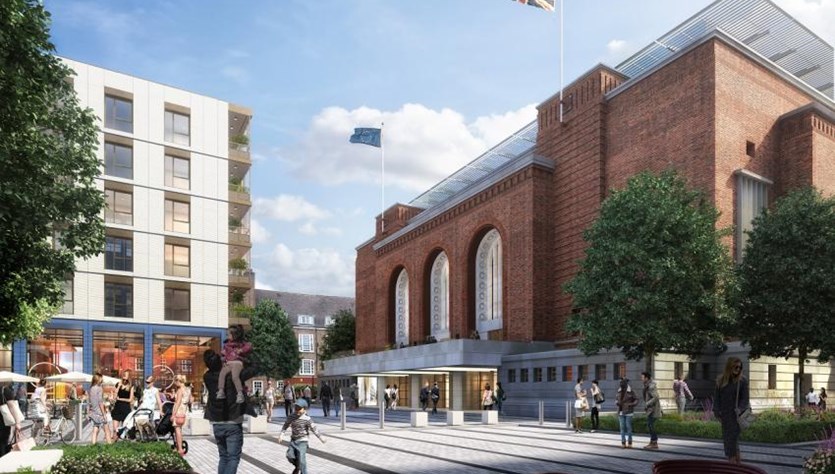
    Several landmark buildings are planning to connect to the heat network, including Somerset House and the London Transport Museum. These buildings have set ambitious plans for decarbonisation which they will put into action. By working together and with the SWAN team, organisations like this are making the heat network a reality, helping to save carbon, improve air quality and drive growth into Westminster.

    “It is great to see some of central London’s most well-known buildings taking this step on their decarbonisation journey. Heat networks have an important role to play in helping London achieve net zero carbon by 2030 as we continue working to build a better, greener London for everyone.”

    Mete Coban, Deputy Mayor of London for Environment and Energy

    “SWAN has the potential to support decarbonisation of historic buildings in central London, providing some of Westminster’s most recognisable landmarks with clean heat. This will help us to meet the target of becoming a net zero carbon city by 2040 and achieving World Health Organisation guidelines for air quality.”

    Adam Hug, Westminster City Council Leader

    “Heat networks will play an important role in our mission for clean power by 2030, helping us to achieve energy independence and lower bills. “That is why this government is backing inventive projects, such as using heat generated by sewers or the River Thames to provide heating to connected businesses and homes, through the Green Heat Network Fund.”

    Miatta Fahnbulleh , Minister for Energy Consumers

    “Westminster is showing a voracious appetite for clean, decentralised heating. We find organisations who are committed to decarbonising, reducing air pollution, and doing this in a way that is sensitive to the heritage of the area. Using the Thames as a heat source allows us to invest in infrastructure that provides buildings access to the locally wasted heat resource, without individual buildings having to invest in complicated, visually disruptive solutions to decarbonise their heating.”

    Toby Heysham, Director, SWAN

    The intended heat source for the first phase of the network will be natural heat from the River Thames. A water source heat pump would recover energy from the river to generate heat for the network. The heat pump then uses electricity to upgrade the temperature of that heat to around 80oC. For the buildings in the area, this is a big benefit, because many of their systems already operate at around 80oC meaning that the swap to low carbon heat is easier.

    The team behind SWAN has identified and worked up a number of heat source options which will be brought forward over time to allow the network to expand. This includes looking at other waste heat sources such as heat from the tube and the sewer. Over time the network will expand to serve the whole zone, including, eventually, some homes.

    The £21m grant funding announcement by DESNZ will support the development and construction of the heat network, helping make the network more affordable for customers. Funding is provided by the Green Heat Network Fund which is administered by Triple Point Heat Networks Investment Management.

    Buildings within or near the area are being encouraged to join the network by emailing [email protected] to request an Indicative Connection Offer.

    “Low carbon heat networks will be essential infrastructure to decarbonise heat in dense urban areas, and SWAN represents an ideal opportunity to show case this at scale. Our teams are actively exploring a range of low carbon heat generation technologies and energy centre locations, and we look forward to sharing more information on our trail blazing a solution as it becomes available.”

    Nick Gosling, Director, SWAN

    “Somerset House Trust is committed to reducing its carbon footprint and demonstrating that heritage buildings can be sustainable when equipped with the right technologies. SWAN aligns perfectly with this vision by providing a low-carbon heating solution where more conventional options are limited.”

    Jonathan Reekie, Director of Somerset House Trust

    “We are delighted DESNZ has committed funding to support SWAN. This significant grant award in the scheme and the interest from landmark buildings across the district shows what can be achieved by working together to drive decarbonisation and innovation, in even the most traditional settings.”

    Ruth Duston, CEO, London Heritage Quarter

  • Government awards £6.2m to Mersey Heat Network

    Government awards £6.2m to Mersey Heat Network


    Government awards £6.2m to Mersey Heat to help connect landmark Liverpool buildings and fund low-carbon technology

    Peel NRE’s low carbon district heat network Mersey Heat has been awarded more than £6.2m in Government funding to investigate expanding the network to include Liverpool’s Three Graces buildings and surrounding properties at Pier Head.

    The grant totalling £6,266,000 from the Department for Business Energy and Industrial Strategy (BEIS) was made official recently in partnership with Triple Point Heat Networks Investment Management.

    It will also help to fund one of two 3MW low-carbon heat pumps, the first of which will be water source heat pump at Peel NRE’s energy centre at Great Howard Street.

    This new funding also enables Mersey Heat to undertake further feasibility studies to extend the network to the Pier Head and to be able to offer low carbon heat to the Grade I listed Royal Liver Building, the Grade II listed Cunard and Port of Liverpool buildings in partnership with the buildings’ owners.

    The Grade II listed George’s Dock Building and the Museum of Liverpool which opened in 2011 will also be included in the designs for the heat network extension.

    More than 2.5km of pipework for the 4.1km network has already been installed and when complete, Mersey Heat will provide low carbon heat and hot water to up to 9,000 homes and 4 million sq ft of commercial space at Peel L&P’s £5bn Liverpool Waters development and nearby buildings.

    Apartments at the newly converted Tobacco Warehouse at Stanley Dock are already receiving heat from the network soon to be followed by The Titanic Hotel and Southern Warehouse and Liverpool Waters’ Princes Parade.

    Construction work for Peel NRE’s energy centre to serve Mersey Heat is expected to start on site early 2022, housing low-carbon technology to save around 4,200 tonnes of carbon per year.

    This will be achieved through the primary use of water source heat pumps and thermal stores capable of holding 260 cubic metres of hot water. Heat only gas boilers with up to a combined capacity of 40MW will act as a back up and for use during times of peak demand.

    Marking another step forward in the government’s Clean Growth Strategy, the funding for Mersey Heat will come from the £320m Heat Networks Investment Project (HNIP) fund.

    Changing the way we heat our homes and workspaces is key to tackling pollution and today’s investment into new heat networks across Worthing, London, Bristol and Liverpool will ensure these areas are placed at the heart of the UK’s green industrial revolution. The new networks of air source heat pumps will deliver affordable, low-carbon heat and energy across the nation’s homes, universities residences, and business units, while opening up huge job and investment opportunities, making our thriving cities and seaside towns greener places to live, work, and visit.

    Lord Callanan , Minister for Climate Change

    Jonathan Burley, Commercial Director at Peel NRE, part of Peel L&P, said: “Mersey Heat supports national and local targets to achieve net zero and we’re pleased to receive further funding to help roll-out the network on a larger scale.

    “The addition of large historical buildings like the Three Graces would make a high-profile impact on reducing Liverpool’s carbon footprint and we look forward to working with the buildings’ owners and our district heat network specialists Ener-Vate to progress these designs and hopefully connect some of Liverpool’s most prestigious properties to our low carbon network.”

    Ken Hunnisett, Project Director, Triple Point Heat Networks Investment Management commented: “We were delighted to offer funding to Peel NRE at the beginning of the HNIP journey and it’s a real pleasure to have been able to support its expansion some two years later.

    “One of the benefits of heat networks is that they are able to extend and further decarbonise over time, and Mersey Heat is testament to that. It’s been a joy to work with Mersey Heat, Peel, Enervate and the Department for Business, Energy and Industrial Strategy and provide some of the funding to accelerate the team’s plans to decarbonise the area’s buildings – old and new – using heat pumps to draw renewable energy from the City’s iconic waterways.”

    In September, Peel NRE confirmed plans to develop the next phase of the Mersey Heat network to link the existing infrastructure at Princes Parade at Liverpool Waters to Stanley Dock and the new energy centre.

    Vital Energi is constructing the Mersey Heat on Peel NRE’s behalf.

    Mike Cooke, Vital Energi’s Managing Director – North & Scotland added: “Both Liverpool City Council and Peel NRE have a firm commitment to achieving net zero and the announcement of this funding is important as it will enable them to take large strides to achieving this.  By collaborating with Vital Energi to embrace water source heat pumps, which are a renewable technology, and expanding the network to bring low-carbon heat and hot water to more customers, we can drastically reduce emissions and create a truly sustainable development which contributes to a cleaner, greener Liverpool.”

    More information about Peel NRE’s work on district heat networks here.

  • Gosod Paneli Solar bron wedi’i gwblhau yn Fferm Solar 6MW Coed-elái

    Gosod Paneli Solar bron wedi’i gwblhau yn Fferm Solar 6MW Coed-elái


    Gosod Paneli Solar bron wedi’i gwblhau yn Fferm Solar 6MW Coed-elái

    This article is also available in English by clicking here.

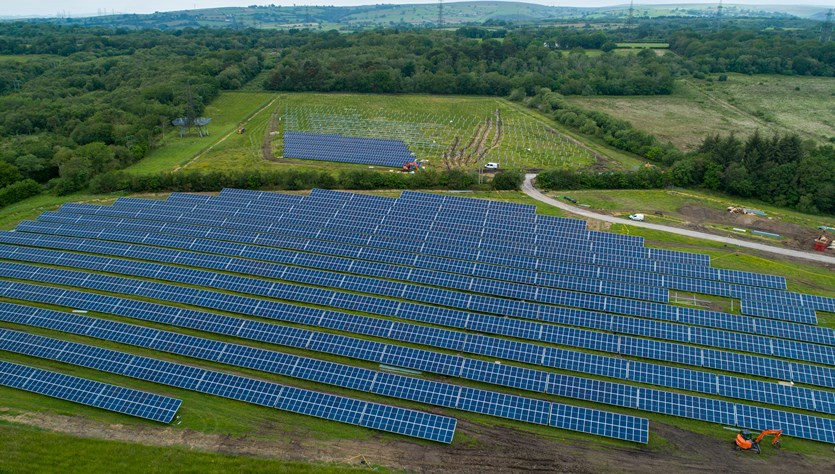
    Lai na phum mis ar ôl i’r gwaith adeiladu ddechrau’n swyddogol ar Fferm Solar Coed-elái, mae Cyngor Rhondda Cynon Taf, Bwrdd Iechyd Prifysgol Cwm Taf Morgannwg, a Vital Energi yn dathlu filltir arwyddocaol wrth i’r olaf o’r 9,400 o baneli solar gael eu gosod mewn pryd ar gyfer Diwrnod y Ddaear a gynhelir ar Ebrill 22, 2025.

    Mae’r fferm yn chwarae rhan sylweddol yn natgarboneiddio’r cyngor gan y bydd yn allforio 5MW o drydan glân i’r grid, ond bydd hefyd yn helpu i leihau allyriadau Bwrdd Iechyd Prifysgol Cwm Taf Morgannwg gan y byddant yn derbyn 1MW o bŵer carbon isel drwy gytundeb prynu pŵer arloesol.

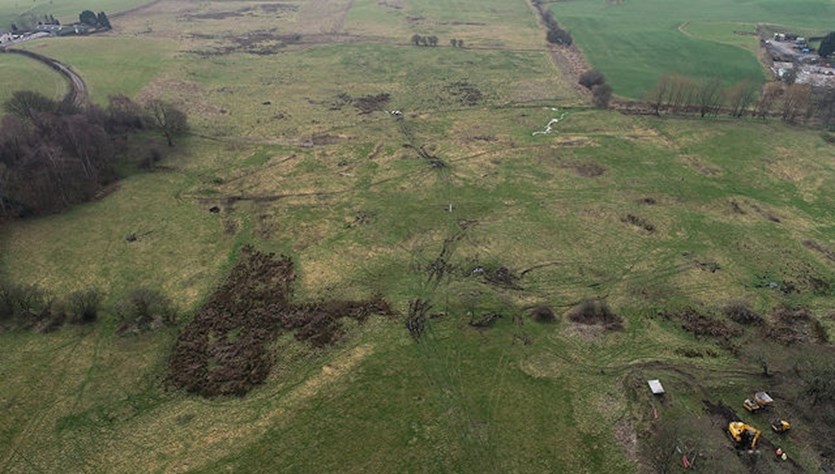
    Mae’r fferm solar wedi’i lleoli ar hen safle glofa ac yn cael ei darparu gan Gyngor Bwrdeistref Sirol Rhondda Cynon Taf mewn partneriaeth â Vital Energi, Hydrock, a Rhomco. Mae’n fenter graidd i helpu’r cyngor i gyrraedd ei dargedau carbon niwtral erbyn 2030.

    Mae thema Diwrnod y Ddaear eleni, ‘Ein Grym, Ein Planed’, yn ceisio ynni adnewyddadwy. Gyda’r gosodiad paneli solar bron wedi’i gwblhau, dyma’r amser perffaith i ddathlu’r cyflawniad hwn. Mae’n ysbrydoledig i weld mentrau tebyg ledled y byd, tra’n ein gyrru tuag at blaned lanach. Rydyn yn falch i fod yn rhan o’r symudiad hwn.”

    Cynghorydd Tina Leyshon, Cyngor Rhondda Cynon Taf

    Meddai’r Cynghorydd yn parhau.“Trwy gyflenwi trydan carbon isel i Ysbyty Brenhinol Morgannwg, rydyn ni’n helpu i leihau ei ôl troed carbon, gan wneud y prosiect hyd yn oed yn fwy buddiol a chyflenwi ein GIG lleol yn uniongyrchol.”

    “Yn ogystal â hynny, gan nad yw’r domen lo wedi’i hadfer, sydd ar y safle, yn addas ar gyfer amaethyddiaeth, mae’r prosiect yma’n dangos sut y gall tir gael ei ailbwrpasu ar gyfer ynni glân wrth fod yn gymorth i fioamrywiaeth ar yr un pryd. Bydd hawliau pori anifeiliaid yn parhau, gan ddangos bod prosiectau ynni solar yn gallu bodoli ochr yn ochr â ffermio i wella bioamrywiaeth.”

    “Rydym wrth ein bodd y bydd yr ysbyty cyfan yn cael ei bweru gan ynni’r haul ar ddiwrnodau brig yr haf. Bydd hyn yn cael effaith gadarnhaol sylweddol ar ein hymrwymiadau datgarboneiddio a ‘Green CTM’ a sut y gallwn ddarparu gofal iechyd mewn modd cynaliadwy ar gyfer cenedlaethau’r dyfodol. Fodd bynnag, nid yw’r cynllun hwn yn ddiwedd y stori yn Ysbyty Brenhinol Morgannwg, a byddwn yn darparu mwy o ynni adnewyddadwy a thechnolegau carbon isel yn y dyfodol i ddatgarboneiddio gofynion ynni’r ysbyty ymhellach.

    Dywedodd Linda Prosser , Bwrdd Iechyd Prifysgol Cwm Taf Morgannwg

    Hyd yn hyn, mae’r prosiect wedi creu deg swydd leol ac wedi cynhyrchu dros £600,000 o wariant gyda busnesau a chyflenwyr lleol. Mae’r tîm hefyd yn gweithio’n galed i wella bioamrywiaeth drwy blannu perthi a gosod pyst gwenyn, blychau adar, a blychau ystlumod.

    Bydd Fferm Solar Coed Elái yn darparu digon o ynni i bweru tua 8,000 o gartrefi bob blwyddyn tra’n cyflenwi trydan carbon isel yn uniongyrchol i Ysbyty Brenhinol Morgannwg drwy rwydwaith gwifrau preifat dros dri chilometr. Mae’r dull arloesol hwn yn sicrhau bod hyd at 15% o alw blynyddol yr ysbyty am drydan yn cael ei ddiwallu’n gynaliadwy gan godi i 100% ar ddiwrnodau brig yr haf.

  • Gloucestershire Royal Hospital takes a step closer to net zero

    Gloucestershire Royal Hospital takes a step closer to net zero


    Gloucestershire Royal Hospital takes a step closer to net zero

    Vital Energi are implementing a range of low-carbon energy solutions at Gloucestershire Royal Hospital in an £11.2m contract which will reduce Gloucestershire Hospitals NHS Foundation Trust’s carbon footprint by approximately 1,400 tonnes a year and deliver financial savings.

    As well as being the most visible part of the hospital site, the 11-storey concrete Tower Block building, which was built in the 1970s, is one of the most visible buildings in Gloucester, dominating the skyline.

    Vital Energi are carrying out comprehensive upgrades to the external fabric and windows of all four sides of the Tower Block, from the ground floor up to the 11th floor, which will significantly reduce heat loss through the building fabric and glazing units, resulting in lower energy usage and reduced carbon emissions.

    The Tower Block upgrade works will enhance the patient and staff experience through increased natural light, improved ventilation, and reductions in external noise levels, and the two-toned façade panelling will drastically improve the aesthetics of the building.

    The existing windows will be replaced with modern, contemporary tripled glazed windows throughout, and the heating systems will be improved too, which will help to optimise the temperature across the building.

    The project also includes the installation of a 200kW air source heat pump, which will provide low carbon heat to the hospital, as well as upgrades to the heating and hot water controls systems which will further reduce energy usage and carbon emissions.

    “We launched our Green Plan last year with the aim of making our NHS hospitals carbon neutral by 2040 in line with national policy. That’s a hugely ambitious goal and this programme is a significant step in that journey.”

    Jen Cleary, Head of Sustainability, Gloucestershire Managed Services

    Development Engineering Manager, Rolf Hudson, is playing a key role in the design and delivery of the project.

    “We’re really pleased to be working on our second round of PSDS (Public Sector Decarbonisation Scheme) projects with the Trust, assisting their journey to net zero carbon by 2040 under a new long-term energy performance contract. We’ve designed an optimum solution which will significantly reduce the hospital’s carbon emissions and energy bills, as well as providing increased levels of staff and patient comfort,” said Rolf.

    “We have an extensive track record of delivering complex infrastructure upgrades within hospital environments, and are working closely with hospital staff to ensure energy services are maintained at all times, and the patient experience is not affected.”

    Deborah Lee, Chief Executive of the Trust, said:

    “We are absolutely thrilled at securing this additional money. This investment will not only provide significant environmental benefits but will also enhance the aesthetic appearance of the Tower Block and bringing with it all those softer associations such as improved morale, staff recruitment and retention and a better public perception of our hospitals.

    “This investment comes on top of an existing capital programme of more than £100m which is enabling us to realise our vision for centres of excellence at our Cheltenham and Gloucester acute hospital sites. We want to provide the very best care possible with patient outcomes as good as anywhere else in the country.”

    The project received grant funding from PSDS Phase 3a and will be delivered through the Carbon and Energy Fund Framework (CEF), which has been specifically created to fund complex energy infrastructure upgrades for public sector organisations.

    The construction and engineering works are due to commence on site in March 2023.

    Read about the first phase of the Trust’s decarbonisation works here.