Blog

  • Five projects shortlisted in the ADE awards 2022

    Five projects shortlisted in the ADE awards 2022


    Five projects shortlisted in the ADE awards 2022

    We’re helping clients across the UK on their journey to net zero, and we’re delighted that five of our projects have been shortlisted in this year’s Decentralised Energy Awards. Congratulations to all of our clients!

    The Association for Decentralised Energy’s (ADE) annual awards are the most prestigious awards for those involved in decentralised energy, recognising and celebrating the people and projects which showcase innovation, best practice and achievements across heat, efficiency, power and flexibility.

    We’ve also entered into the Contribution to Net Zero category, which is a special award that will be presented during the awards ceremony in June.

    Our shortlisted projects are below:

    Heat and Efficiency: Operational
    Leeds PIPES Energy from Waste District Heating Project, in partnership with Leeds City Council & Ener-Vate.

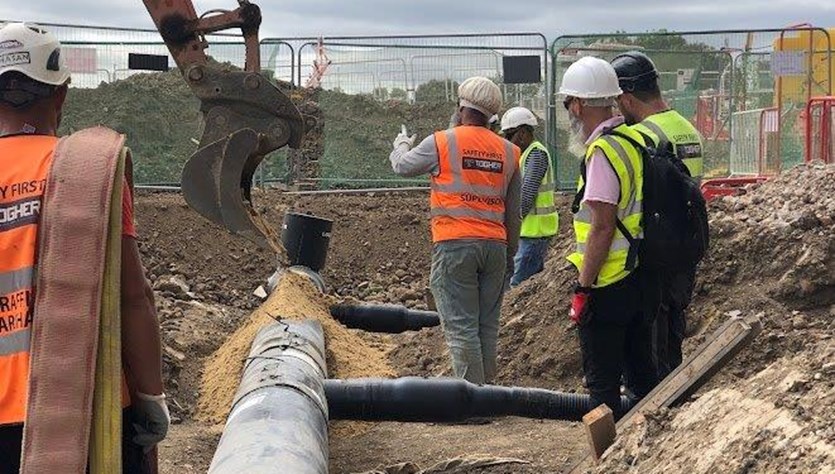
    The Leeds PIPES heat network is a landmark project which has demonstrated how towns and cities can generate rapid carbon reduction.  The scheme has already seen 26.5km of district heating installed, connecting almost 2,000 homes and 8 public buildings with more connections imminent.

    The project utilises waste heat from the local EfW plant, will account for 16,256 tonnes of CO2 reduction per year & alleviate fuel poverty.

    Heat and Efficiency Digital Innovation
    Oakshott Court, in partnership with Danfoss and Camden Council.

    We have partnered with Danfoss to introduce revolutionary AI software technology at Camden Council’s Oakshott Court, which in just 7 months has reduced the site’s energy consumption by a third, helping the borough transition to a low carbon future. By simple modernisation of the heat network through the deployment of digital technology, we have provided improvements to the heating system benefitting 114 homes.

    Heat and Efficiency Design Innovation
    Southwark Heat Pumps, in partnership with Southwark Council.

    We are working with Southwark Council to decarbonise their existing gas fired heat networks, across three local estates benefitting over 2,000 properties with a lower carbon heat supply. This is the first time water source heat pumps have been retrofitted within an existing high temperature heat network in London.

    Integrated Energy
    Swansea Bay University Health Board RE:FIT Projects

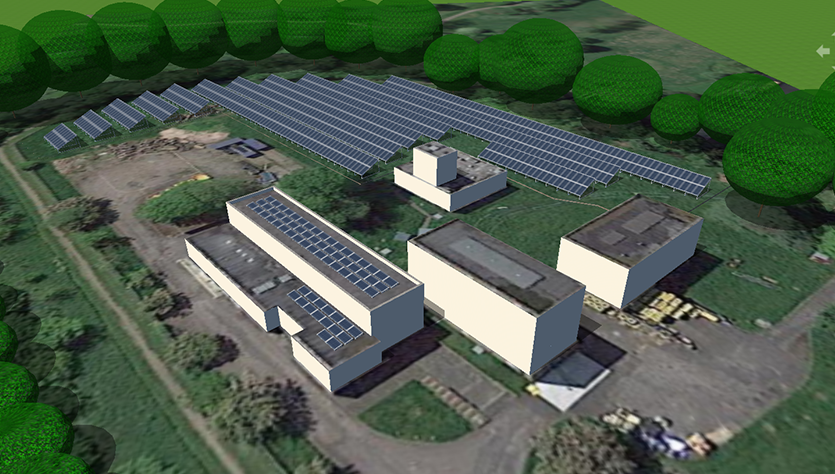
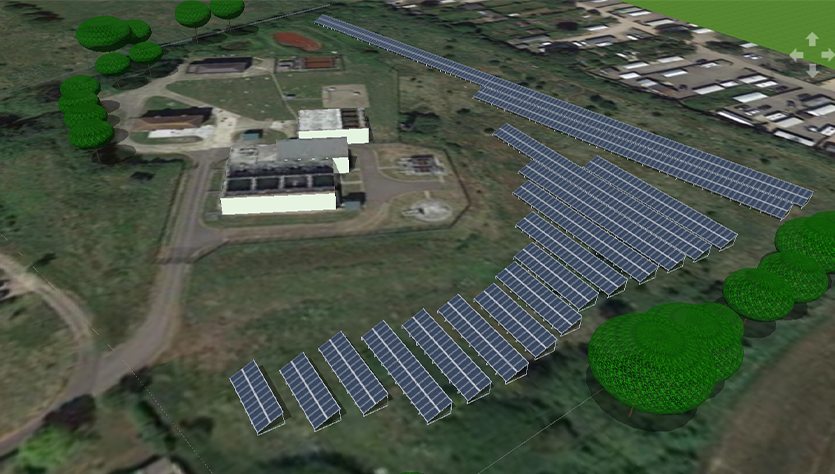
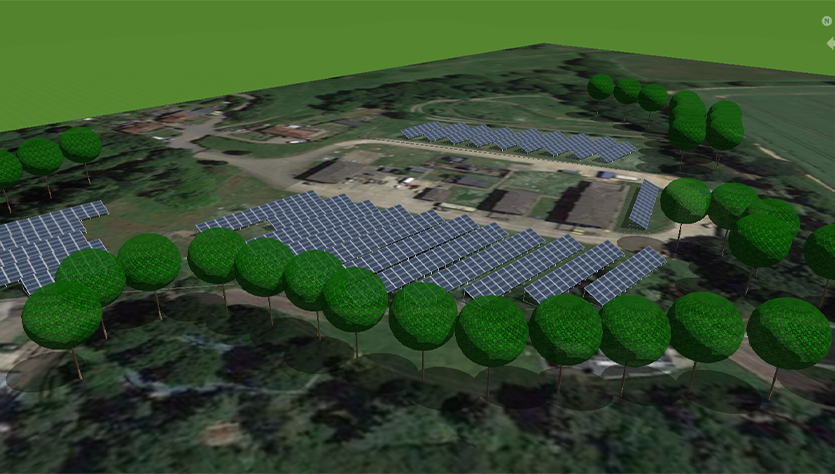
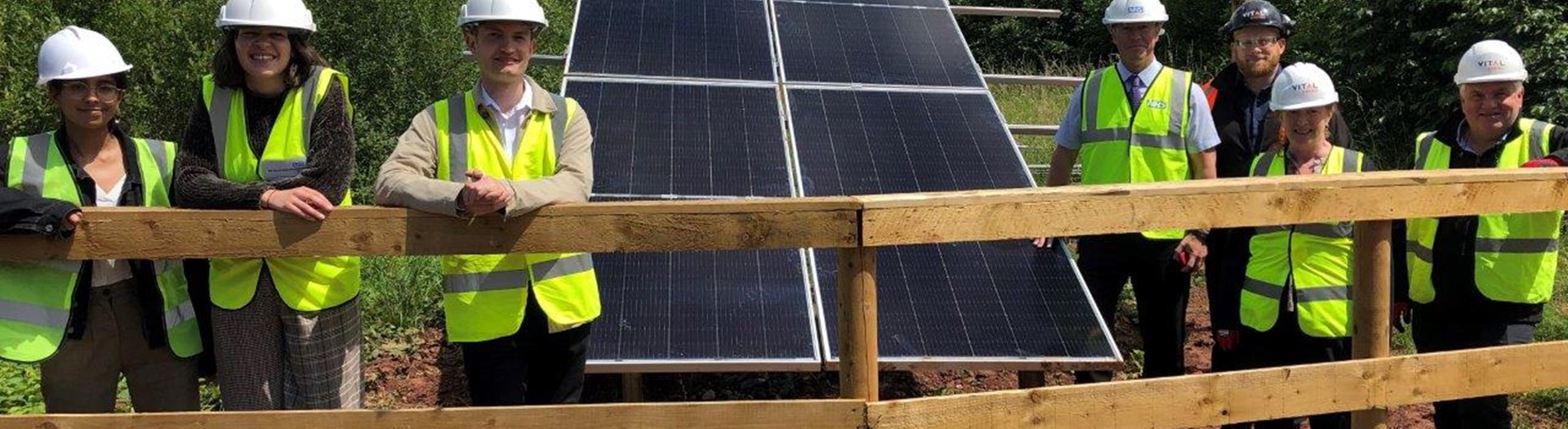
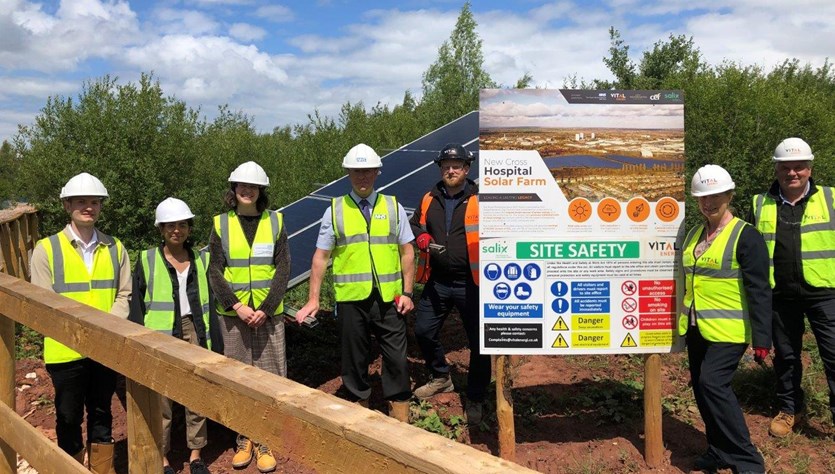
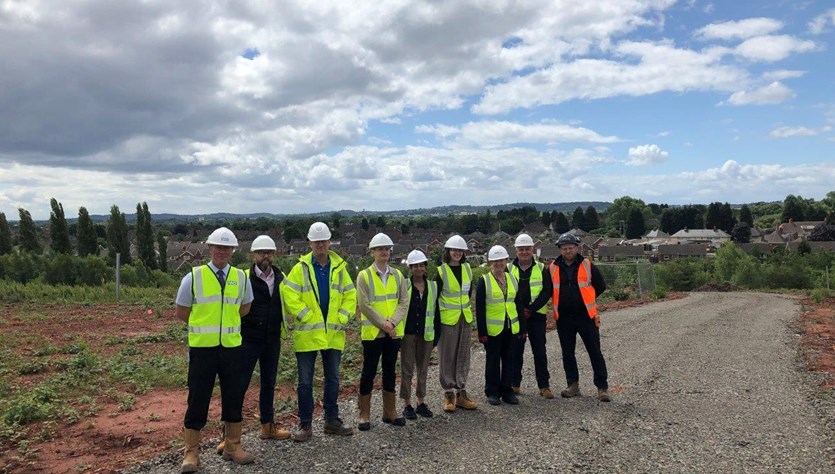
    Swansea Bay University Health Board is a multi-phase RE:FIT project which has pioneered an innovative blend of renewable energy generation and energy conservation measures including the creation of the UK’s first solar farm dedicated to supplying an NHS hospital. The primary focus of the project was to deliver substantial and rapid decarbonisation to help the health board meet their net zero commitments.

    Northwick Park Hospital, in partnership with London North West University Healthcare NHS Trust

    We are guaranteeing savings of £1.9m a year for the Trust and are reducing carbon emissions by 2,581 tonnes a year at Northwick Park Hospital. This is through a fully integrated, self-funding, multi technology energy solution which will help decarbonise the Trust, as well as creating a smart grid from which the local community will also benefit.

    The winners will be announced at the ADE’s annual gala dinner on Wednesday 15th June.

  • Improving Ageing Infrastructure Through HNES Funding

    Improving Ageing Infrastructure Through HNES Funding


    FirstPort & Vital Energi to Improve Ageing Infrastructure Through HNES Funding

    As part of the ongoing partnership with property managing agent FirstPort, Vital Energi has helped secure £489k in Heat Network Efficiency Scheme (HNES) funding to enhance the experience of residents living in the apartments at the Capital East II development, situated near the Royal Victoria Docks, London.

    Capital East 23

    This partnership builds on a relationship that began in 2018 when Vital Energi commenced the maintenance and data collection services for the heat network at the Capital East II development. Over the years, the hands-on experience gained by the Vital Energi team has provided invaluable insights into the operation of the Capital East II heat network.

    Solution detail

    Ageing heat network infrastructure & HNES funding

    Ageing infrastructure presents a significant challenge across the heat network sector, particularly as regulations and decarbonisation targets drive the need for greater efficiency. Vital Energi, working closely with FirstPort, took a proactive approach at the Capital East II development by conducting optimisation studies and securing HNES funding, which identified heat losses at the individual apartment level. This indicated that the existing heat interface units (HIUs) were inefficient, requiring frequent repairs and negatively impacting residents’ experience.

    The £489,900 HNES funding will support the replacement of 203 HIUs in two blocks of the development, with the highly efficient, electronic BESA-certified vTherm°e heat interface units. Upgrading to the vTherm°e will enhance the system’s temperature differential (dT), allowing for a lower pump flow rate and reducing overall electrical consumption. This improvement will boost system efficiency across the heat network.

    Upgrades to the existing BMS have also been designed to allow for weather compensation. This will change how the heat network controls the flow temperature, with controls adjusting the amount of heat generated depending on outdoor air temperature. In practical terms, this means lower energy consumption, improved efficiency, lower return temperatures, reduced plant cycling and more stable temperatures for residents throughout the year.

    “We are delighted that Capital East Phase II has received funding through the HNES, and we will ensure the knowledge gained from our recent studies is utilised during the improvement of Capital East’s heat network. This investment will improve the efficiency of the heating system, which will directly benefit our residents. The HNES provides opportunities to release capital funding to meet the requirements of the Heat Network Technical Assurance Scheme. Achieving this depends on working with reliable, focused partners. As we progress toward milestone two, our partners’ collaboration is essential to reducing heat network costs and improving transparency for residents.”

    Stuart Wilcox, Head of Critical Infrastructure at FirstPort

    This project marks a significant step forward in improving the efficiency, reliability and sustainability of the Capital East II heat network. Through continued collaboration with First Port, Vital Energi remains committed to optimising the performance of heat networks and improving the experience of residents living on heat networks.

    “We were pleased to support FirstPort throughout the HNES application process. The funding will improve the efficiency and reliability of the network and deliver tangible benefits for residents.”

    Katy Lister, Client Relationship Manager

  • Final Sections Added to Manchester’s 40m Tower of Light


    Final Sections Added to Manchester’s 40m Tower of Light

    The final sections of the 40m high Tower of Light were installed on Thursday 30th July, marking a significant milestone in the Manchester Civic Quarter Heat Network project.   The completion of the Tower of Light construction concludes an almost three-year process.

    The tower is made up of nine sections called “drums”, with each one measuring 4m wide, 6m long and 4m high, plus a 1.8m crown section.

    Vital Energi carried out the works within a 4.5-hour period during the night. Once the project is complete, the Tower of Light will act as the chimney for the low-carbon energy centre.

    The network will generate low-carbon heat and power for the city, helping Manchester to reach its ambition of becoming zero-carbon by 2038 at the latest.  It will initially serve seven iconic city centre buildings and has the potential to grow by connecting further buildings across the city centre in the future.  The first buildings to be connected to the network will be Manchester Town Hall and Town Hall Extension, Central Library, Manchester Central Convention Centre, The Bridgewater Hall, Heron House and the Manchester Art Gallery.

    The scheme is projected to save an initial 1,600 tonnes of carbon emissions per year and the energy centre will become even more efficient as additional buildings are connected.

    Containing a 3.3MWe CHP engine and two 12MW gas boilers, the energy centre will generate electricity and harness the recovered heat from this process for distribution via a 2km district heating network, which will supply heat for the buildings.

    The scheme has been part-funded by a £2.87m grant from the Government’s Heat Network Investment Project (HNIP), with Manchester City Council being one of the first local authorities to receive this funding.

    Anthony Shawcross, Senior Construction Manager for Vital Energi commented; “This project is much more intricate than a standard flue due to its complex geometry but will hopefully become an iconic part of Manchester’s skyline.  We’re delighted with how smoothly the installation went and we hope the people of Manchester will now enjoy it for many years.”

    The Tower of Light is an impressive new landmark for Manchester and a symbol of Manchester’s ambitious aim of becoming a zero-carbon city by 2038 at the latest. On completion, the Civic Quarter Heat Network project will realise significant carbon savings, supporting the council’s current plan to halve its own emissions by 2025.

    Angeliki Stogia , MCC’s Exec Member for the Environment

  • Extending the Leeds PIPES project to our furry friends at Lotherton

    Extending the Leeds PIPES project to our furry friends at Lotherton


    Extending the Leeds PIPES project to our furry friends at Lotherton Wildlife World

    Extending the Leeds PIPES project to our furry friends at Lotherton Wildlife World

    Vital Energi in partnership with Lotherton Wildlife World, and Leeds City Council, are sponsoring the newest animal enclosure at Lotherton, on behalf of the Leeds PIPES project. The latest enclosure will ensure its new primates have a warm place they can call home offering comfort without compromise.

    Lotherton Wildlife World is a key community space in Leeds, and a fun, educational facility for young people. As part of our ongoing mission to inform and engage, we’re continuing to raise awareness about the Leeds PIPES project through this latest initiative.

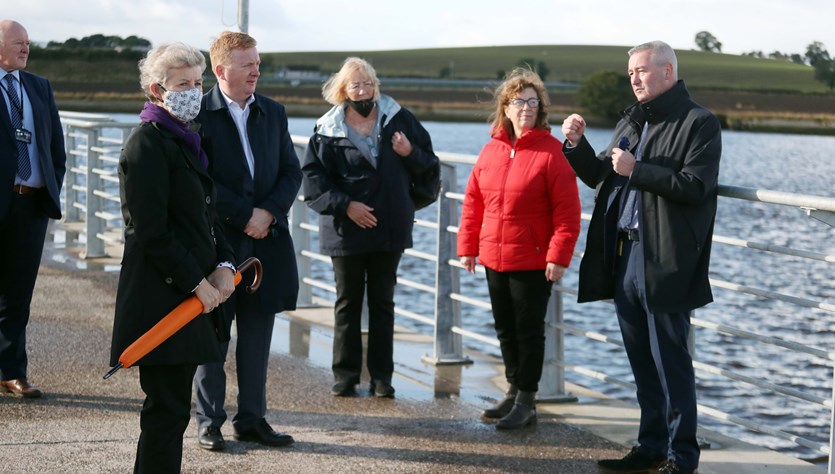
    The enclosure was officially opened on Tuesday 30th September by Councillor Mohammed Rafique, Leeds City Council’s executive member for climate, energy, environment and green space, and Regional Director at Vital Energi, Andrew Wightman. Young people from local organisation ‘CATCH’ also attended to assist with a ribbon cutting ceremony, followed by a ‘Meet the Wallabies’ session.

    The CATCH (Community Action To Create Hope) organisation is a Leeds-based charity dedicated to helping young people unlock their potential through positive mentorship, community support, and engaging activities.

    The new enclosure is one of several initiatives completed as part of the project. Throughout the scheme, the team has actively engaged with the local community and beyond, via a range of drop-in events, educational sessions, and involvement opportunities within the project.

    • 30 stakeholder engagement events held
    • 14 school & college Climate Education workshops hosted
    • 15 net-zero apprentices on the project
    • 430 green jobs created
    • 560 young people reached via our initiatives (so far)

    The Leeds PIPES network provides homes, businesses, and public buildings with affordable, reliable, low carbon, heat and hot water, saving up to 6,450 tonnes of carbon each year. With the network rapidly expanding, now connecting to historic buildings such as Leeds Civic Hall, it was only right to extend our support to the neighbouring species at Lotherton, because a greener future should belong to every species.

    To witness the journey of this project from the early stages to where it is today is impressive, but what’s even more inspiring is how that journey continues through initiatives like the Lotherton Wildlife World enclosure. Our partnership with Lotherton, and Leeds City Council, is a great example of how our collaborations go way beyond the completion of a single project. A huge congratulations to everyone involved in bringing this project to life, and a very warm welcome to the newest residents at the enclosure.

    Mike Worrall , Project Director at Vital Energi

    This new enclosure is a hugely positive addition to the Lotherton Wildlife World Zoo. The lessons learned on creating energy efficient enclosures will be put to good use as we continue to improve and develop the zoo.

    Councillor Mohammed Rafique, Executive Member at Leeds City Council

    We’re really excited about the new purpose-built indoor housing for our Cotton Top Tamarins. It will enable us to provide the perfect living conditions, being able to mimic the same tropical environment they need to thrive. Cotton Tops are critically endangered in their native Colombia, mainly because of deforestation for farming and settlements, so it’s great that zoos like ours can play a part in their survival through education about their plight and breeding programmes.

    Daniel Messer, Zoo Manager at Lotherton Wildlife World

    The new space is now officially open and available to visit at Lotherton Wildlife World.

    Find out more about the Leeds PIPES project here Leeds PIPES Case Study

  • ESCo: A Q&A with Paul McIver

    ESCo: A Q&A with Paul McIver


    ESCo: A Q&A with Paul McIver

    Community Energy Director, Paul McIver, is responsible for developing Energy Services Company (ESCo) opportunities for Vital Energi that will contribute to a low carbon future, and play a pivotal role in the UK’s energy transition and net zero carbon agenda.

    We asked Paul some questions about the benefits of an ESCo, how Vital can help with ESCo advice and support or act as the ESCo for your project, and he shares some examples.

    What is an ESCo?
    An Energy Service Company (ESCo) is the company that owns the assets and is responsible for generating, supplying, and managing energy to homes and properties. They take a project, and efficiently make use of the assets over and above that of distributed systems. By way of competitive fuel procurement, lower running costs, lower capital costs and reduced carbon emissions, end users benefit from competitively priced heat, cooling and hot water delivered directly to their premises. ESCo services can support a range of mixed-use developments, from a regeneration area or a large residential development, to a hospital or multi-unit development of retail outlets.

    What are the benefits of an ESCo?
    A key benefit is that an ESCo takes on financial risks, therefore minimising risks to clients. They also take the technical and operational risks too, as they optimise and manage the lifecycle of the assets.

    Heat, cooling, and hot water is provided directly to properties from low-carbon energy generation equipment often located within the development. This enables consumers to benefit from avoided costs associated with energy supplied via national distribution networks. It also means properties do not require individual boilers, saving space within the property and avoiding any boiler maintenance and lifecycle replacement costs.

    What is Vital Energi’s ESCo offering?
    With over 30 years’ experience in the design, build, operation and maintenance of district energy projects in the UK, we have proven in-house expertise to deliver the full range of ESCo services with the highest level of customer service. We recognise that heat needs to play a key part in decarbonisation therefore we will adopt and own these assets to get projects off the ground to help achieve our net zero targets. Delivering low-carbon, affordable energy to end-users is an integral part of what we do here at Vital, and so we have dedicated teams that focus on decarbonisation and create new and innovative ways to decarbonise new and existing schemes, helping local authorities, cities and organisations on their journey to net zero.

    What are the key considerations people should consider when selecting an ESCo?
    ESCo experience is key, so it’s important to find out what kind of experience the business possess in terms of delivery of design, build, operate, maintain, and finance of residential or mixed use developments.
    An ESCo that is credible, collaborative, flexible and has integrity, by protecting customers from artificially inflated charges, that works with the procurement process, and takes on the negotiation and adoption of the assets are key considerations too, failure of which can lead to costly legal and delay costs being incurred.
    High standards of customer service. This may seem obvious, but ultimately, the customer is left with the ESCo as their quasi-utility provider. There is a general misunderstanding of what a heat network is and what it means to a customer, so the ESCo has an obligation to ensure the customer is educated. This might be by way of literature or face to face meetings. It is essential that high standards of customer service can be evidenced.
    An ESCo that commits. As contracts typically last for 25 years or more, the ESCo must maintain their initial levels of commitment to the project for the entire project lifecycle, always keeping the end customer at the heart of all that they do.

    How do you procure an ESCo project?
    Depending on the organisation procuring an ESCo, public procurement (OJEU), competitive tender, frameworks (such as Fusion 21), or direct award may be utilised to procure the ESCo.

    How can an ESCo support social housing providers and developers?
    The ESCo should possess the expertise to provide a comprehensive service, encompassing initial feasibility and financial viability studies, provision of finance for projects, system design, installation and commissioning, and project management of associated works. They’ll also be responsible for the ongoing operation and maintenance, and contract energy management.
    By working in partnership with local authorities, social housing providers, and developers, an ESCo should be able to provide bespoke, outcome-based solutions that address each town, city, region or developments’ most pressing needs, improving efficiency, driving down costs and reducing CO2 emissions. The ESCo’s activities should be designed to make a real difference to the lives of the customers.

    Can an ESCo provide funding towards a scheme?
    In simple terms yes. There are various funding options available, from Government backed schemes that usually provide match funding to the ESCo providing a share of the asset value (a capital contribution). Each scheme is evaluated on its own merits to ascertain what, if appropriate, the correct route to funding may be.

    Can you share some examples of projects where Vital is the ESCo?
    We’re acting as the ESCo on number of projects. Examples include:

    • We’ve been the ESCo at The Movement since 2013 in a 35 year contract. It’s a 2.2 acre mixed use development in Greenwich, comprising 539 homes, and a 358 room hotel.
    • The H2010 development at Yarn Street, where we were appointed to deliver and operate a low carbon community energy scheme to new 315 homes at the heart of the new Aire Valley “eco-settlement” area of Yorkshire in a £14m contract, which began in 2018.
    • The Paintworks was originally an old paint and varnish factory which has been thoroughly transformed into a living and working community in the heart of Bristol. In 2016, we were appointed to design and build the community energy scheme and provide 30 years of on-going energy supply and services as the ESCo on the .


  • Event success for London

    Event success for London


    Event success for London

    We recently held our Delivering Decarbonisation event at London’s iconic Guildhall, where we gathered key delegates, stakeholders and guest speakers to learn and share knowledge on how to decarbonise cities, buildings, and homes.

    Local authorities, universities, developers, consultants, property managers and housing associations and turned up to the event, which was a great success, with inspiring presentations from guest speakers and the Vital team, followed by an engaging Q&A with the panel. Guests were then invited to stay for a networking session with drinks and canapés.

    • Craig Anderson did a fantastic job as our MC for the event
    • Our very own Elliott Sharpe discussed the main drivers of climate change in an engaging presentation which had everyone laughing (in a good way!)
    • Dr Ruth Rule from Energy Direction discussed the funding available through Government support schemes
    • NatWest’s Dominic Brindley delivered a presentation about banks investing in green business and the opportunities available
    • Tom Vosper from Southwark Council discussed the Southwark heat pump project which we’ve recently delivered, highlighting the positive impact on the local community and how the project was funded
    • The event was rounded off with a Q&A session with the speakers, plus Tony Nash and Chris Yeo. Delegates were invited to submit questions via Slido, and many took the opportunity to do so to learn more about decarbonisation, future technologies, funding, and more.
  • Humber hydrogen project submitted for government phasing competition

    Humber hydrogen project submitted for government phasing competition


    Equinor submits flagship Humber hydrogen project for government phasing competition

    Equinor has formally submitted plans for its ‘Hydrogen to Humber (H2H) Saltend’ hydrogen production facility into phase two of the Government’s Cluster Sequencing Process, supported by a series of co-operation agreements with prospective regional hydrogen users, which could be a world first and a catalyst for the Humber to achieve net zero.

    H2H Saltend is Equinor’s flagship 600 megawatts low carbon hydrogen production plant with carbon capture, located in Saltend, to the east of Hull. The Humber region is the most carbon intensive industrial cluster in the UK and H2H Saltend could enable industries at Saltend Chemicals Park and the East Yorkshire area to reduce CO2 emissions by nearly one million tonnes annually, representing a 30% reduction in the Saltend Chemicals Park’s total current emissions.

    The plan is backed by six prospective industrial operators who have signed varying agreements for the development and commercialisation of the project, including potential future hydrogen supply. Fuel switching from natural gas to low carbon hydrogen would support decarbonisation of the Humber region and further accelerate the development of what could be a world first-of-a-kind hydrogen value chain project.

    • Centrica Storage operates the Easington gas storage site in East Yorkshire and offshore platforms in the North Sea. Fuel switching from gas to hydrogen can help to reduce its emissions at Easington.
    • INEOS Acetyls supplies chemicals for a wide range of downstream industries such as food, pharmaceuticals, paints, adhesives and packaging from its site at Saltend Chemicals Park. Using hydrogen instead of fossil fuels within its processes can reduce its emissions and produce lower carbon chemicals for wider use in the economy or for export.
    • Pensana is in the process of establishing the UK’s first independent and sustainable rare earths processing facility at Saltend Chemicals Park. This will support a range of industries vital to meeting the country’s Net Zero ambitions, including Electric Vehicles and offshore wind. Utilising Hydrogen in the processing of end-of-life permanent magnets allows low energy recovery of the critical rare earths to be reused in this important supply chain.
    • Triton Power operates Saltend Power Station, currently natural gas-fired and providing power and steam primarily to the Chemicals Park. By switching from fossil fuels to low carbon hydrogen it can accelerate the decarbonisation of the Park and its other users.
    • Vital Energi is the energy services provider to the Yorkshire Energy Park, a proposed energy and technology park located within the Humber Freeport Zone. Using hydrogen within its electricity generation, heating and cooling can contribute to a low carbon park facility, helping to attract environmentally conscious companies.
    • Vivergo Fuels is a renewable bioethanol fuel producer based at Saltend Chemicals Park. Its bioethanol will be blended with petrol to create E10 fuel, when the plant reopens in early 2022. They will be collaborating with Equinor on assessing the potential for hydrogen to be used as a low carbon fuel alternative to natural gas within the drying of its co-produced animal feed.

    Beyond these initial off-takers, the low carbon hydrogen could also be used much wider, helping to decarbonise multiple sectors such as heavy industry, transport, heating and pharmaceuticals across the Humber region.

    The submission has also been accompanied by 23 letters of support from organisations across the region including MPs, local authorities, LEPs, business and trade bodies, educational institutions and diversity groups.

    It also coincides with the signing of an agreement with px Group, owner and operator of Saltend Chemicals Park, confirming the project location.

    H2H Saltend is the kick-starter project for the wider Zero Carbon Humber scheme, a UKRI-supported partnership of twelve organisations committed to making the Humber the world’s first net zero industrial cluster by 2040.

    It is also the essential building block for Equinor’s ‘Hydrogen to Humber’ ambitions which seeks to establish at least 1.8 Gigawatts of production in the region by 2030, over one third of the Government’s UK-wide target. In partnership with SSE Thermal, Equinor is planning to develop the world’s first at-scale 100% hydrogen power station at Keadby in Lincolnshire and a proposed hydrogen storage facility at Aldbrough in East Yorkshire. In partnership with gas distribution network operator Cadent, Equinor recently announced plans for potential hydrogen town trials in northern Lincolnshire, in line with the Government’s ambition to decarbonise domestic heating.

    In October the Department for Business, Energy and Industrial Strategy (BEIS) announced that the East Coast Cluster, of which Zero Carbon Humber is the largest regional industrial cluster, was one of two successful national bids in Phase One of its Cluster Sequencing Process. This allows individual decarbonisation projects within the cluster to enter Phase Two. Submissions closed on 21st January and a result is expected around May 2022.

    Equinor has also submitted three other projects into the process. These include two new carbon capture power stations at Keadby and Peterhead, both developed together with SSE Thermal, as well as the Net Zero Teesside Power project which is developed in partnership with bp.

    Dan Sadler, Vice President for UK Low Carbon Solutions at Equinor, said:

    “We are delighted to submit our formal plans to Government for our flagship H2H Saltend project, as well as three other low carbon projects across the UK. This shows the strength of ambition from Equinor in the UK, building on its considerable experience of similar projects internationally.

    “H2H Saltend is an exciting ground-breaking project which will provide low carbon hydrogen to multiple industries in the Humber by 2026, and the demand for this is clear from the industrial operators’ agreements we already have in place. Importantly, it is also a major step to a wider hydrogen economy which can reduce emissions across several sectors, act as a catalyst for greater inward investment and economic growth, and working with our partners, also ultimately result in a Zero Carbon Humber.”

    Quotes from off-takers

    Martin Scargill, Managing Director of Centrica Storage Limited, said:

    “Centrica are the UKs largest energy supplier and we are committed to being a net zero business by 2045 and helping our customers be net zero by 2050. Fuel switching our operations at Easington to Hydrogen would provide a unique opportunity to make a step-change reduction in our emissions, whilst also paving the way to provide large-scale, flexible, low carbon energy storage solutions for the UK “

    David Brooks, CEO of INEOS Acetyls, said:

    “As a business with a long tradition of developing lower carbon solutions, INEOS Acetyls is proud to back Zero Carbon Humber’s efforts to build the world’s first net zero industrial cluster and help make the region competitive for generations to come. At INEOS, we believe that achieving net zero by 2050 is only possible by significantly increasing the use of hydrogen, making the H2H Saltend project a critical component of the cluster strategy.”

    Paul Atherley, Chairman of Pensana, said:

    “We are establishing a world-class, independent and sustainable, rare earth processing facility at the Saltend Chemicals Park. We are also looking to process end-of-life magnets from wind turbine nacelles using an innovative hydrogen decrepitation process. We very much look forward to working with Equinor using hydrogen from the H2H Saltend project, not as a fuel, but in establishing this innovative process route as a key component in the circular economy for rare earth magnets in the UK.”

    Mick Farr, President of Triton Power, said:

    “Triton Power’s highly efficient Combined Heat & Power (CHP) Power Station at Saltend stands ready to convert to a Hydrogen blended fuel, and ultimately to accommodate 100% Hydrogen.

    “This will significantly reduce CO2 emissions from thermal power generation, which remains a vital component of the varied energy mix needed to enable security of supply through the energy transition; providing power when renewables are not generating, and grid stability when they are.

    “We believe this low-risk conversion project utilising proven technology can be the key enabler to kick-start a world leading UK hydrogen economy, and to decarbonize the hard to abate industrial consumers of our power and steam at the adjacent Chemicals Park.”

    Nick Gosling, Chief Strategy Officer of Vital Energi, said:

    “Vital Energi is an energy generation, distribution and supply company with over 30 years’ experience.  Vital has been selected as the energy services provider by Hull Eco Park Limited (the developer of the Yorkshire Energy Park).  Yorkshire Energy Park is a new development located in the East Riding of Yorkshire, which has a vision to become one of the first zero carbon business parks in the UK, providing up to 2,090 full time jobs when fully operational.  The park’s energy centre will use hydrogen as a fuel to generate the majority of the low carbon electricity, heat and cooling needs of the park customers.”

    Ben Hackett, Managing Director of Vivergo Fuels, said:

    “Vivergo Fuels will be one of Europe’s largest bioethanol producers when we re-open our plant in early 2022, and we are looking forward to collaborating with Equinor to assess the potential use of hydrogen as a low carbon alternative fuel to natural gas at our plant.”

  • Enfield’s Latest Heat Network Project is on Schedule

    Enfield’s Latest Heat Network Project is on Schedule


    Enfield’s latest heat network project is on schedule

    The construction works are progressing well and on schedule at the Energetik Energy Centre in Enfield, where the project is being led by Chris Beckwith (Construction Director) and Philip Kyriacou (Senior Projects Manager).

    Construction started back in March with groundworks, which consisted of a reduced level dig and installation of the piling mat. The building is located near to a water course and part of the design requirements are that it’s to be built to withstand a 1 in 100 year flood. The design of the elevated ground floor slab meant that our piling mat needed to be installed at a level 1m higher than the existing ground level. In order to do this, we laid over 1600m3 of hardcore, using around 110 wagons, all of which would be removed from site after the completion of the piles.

    Before piling could commence, we engaged the services of UXO (bomb detection squad) who needed to map the area and scan for any unexploded world war 2 bombs. Thankfully none were found, although we did find an old pot!

    We installed over 90 piles, the longest of which were 28m. To put that into context, that’s the same height as our Flue Tower, all below ground.

    Finally, we poured the concrete slab, which was designed to take the weight of the Thermal Stores and 16-ton boilers, and ranges in thickness from 600mm to 900mm.

    When we completed the concrete slab, which was our first milestone, Energetik arranged a site visit from the Deputy Mayor for the Department of Environment & Energy, Enfield Council’s Chief Executive, and other representatives of Enfield Council and the Greater London Authority.

    Meridian Water Heat Network (MWHN) is the name of Energetik’s upcoming district heating network that will supply low carbon heat and hot water the 10,000 homes and businesses to be built at Meridian Water as part of the regeneration. The network will be supplied by the main energy centre, located nearby at the Edmonton Eco-Park. The centre will eventually supply all of Energetik’s heat networks by capturing up to 60MW of unused energy generated at the North London Waste Authority (NLWA) Energy Recovery facility next door.

    The next phase of works is the superstructure, with the structural steel frame which will be followed by intumescent painting works of the structure and the installation of the envelope.

    Work at LVHN is progressing well and is a testament to all involved; despite the weather which has presented the greatest challenge so far. Pouring and power floating the ground floor concrete slabs during an ‘unseasonably’ wet July and August resulted in a number of 24 hour shifts, although thankfully the end result made the effort worthwhile. We’re currently completing the perimeter drainage and district heating pipework in anticipation of the structural steelwork arriving at the beginning of October. This will be our next real challenge as we’re effectively erecting a structure up to ten stories high within a heavily restricted footprint. Hopefully the pre-planning that has been done for this activity will result in a seamless erection

    Chris Beckwith, Construction Director

  • Energy Saving Dundee City Council NDEE Project Delivers As Promised

    Energy Saving Dundee City Council NDEE Project Delivers As Promised


    Energy Saving Dundee City Council NDEE Project Delivers As Promised

    The energy conservation measures delivered through the Non-Domestic Energy Efficiency (NDEE) framework for Dundee City Council have completed the measurement and verification phase and we are delighted to announce that they have met their financial and environmental targets, delivering 1,625 tonnes of carbon reduction and £466,330 in energy savings in its first full year of performance.

    The works saw improvements made to some of Dundee Council’s highest energy consuming buildings including the Dundee Ice Arena, St Johns RC High School, Lochee Swim & Leisure and Dundee International Sports Arena.  Vital Energi’s engineers installed a range of energy conservation measures which include Solar PV, lighting improvements and upgrades to the heating, ventilation and cooling system.  Vital Energi worked closely with the Council to ensure all works were completed on programme and minimised disruption on the day to day operations of buildings

    Dundee City Council have very ambitious decarbonisation targets, so we are delighted to confirm that the energy conservation measures are now working as designed, contributing strong carbon savings and making a significant contribution to them meeting their target of achieving city-wide carbon emission reductions of 40% by 2030. The NDEE framework has proven popular with the public sector as contractors deliver an energy performance contract which guarantees carbon and financial savings, transferring much of the risk from the client to the contractor and giving them long-term budget certainty.”

    Scott Lutton, Operations Director – North And Scotland

    In addition to the environmental benefits, Vital Energi were able to work with Dundee City Council to conduct a range of tours of the St Andrews Biomass Energy Centre for local youths and visit local primary schools to teach the children about the importance of reducing carbon emissions which ended in a tour of a working plant room.

    The energy saving measures are now saving over 4.5 million kilowatt hours each year and contributing to a cleaner, greener Dundee.

  • Energy modeller Veronica strengthens the Vital team

    Energy modeller Veronica strengthens the Vital team


    Energy Modeller Veronica to Strengthen Sustainable Solutions Team

    We are delighted to welcome Veronica Hamilton as our new Lead Development Manager who will further strengthen our ESCo offering, and develop energy models of Energy Performance Contract (EPC) projects such as Re:fit.

    With almost 15 years’ industry experience working for ESCo providers within the energy market and for engineering consultancies, Veronica brings substantial experience to her new role at Vital where she will further strengthen our ESCo offering. She has worked on some of the largest schemes across the UK, considering a wide range of technologies from energy from waste to heat pumps, and everything in between!

    ESCo modelling is Veronica’s main area of expertise and she’s working on various kinds of modelling work focused substantially on ESCo development, thereby supporting Vital’s strategic growth in this area. She’s also developing EPC models based on her sound understanding of the energy systems and their interaction with other fixed building-services and fabric.

    “I’m passionate about shaping projects to find the best balance between the technical, commercial and environmental,” said Veronica. “Working with the range of people with expertise in whole life cycle of projects, including business development, design, operations, energy markets, commercial and policy – is what I find really interesting when working on these projects. This is a really exciting time to join the team, and I’m looking forward to developing ESCo opportunities in support of Vital and contributing to the UK’s net zero transition.”

    Veronica Hamilton, Lead Development Manager

    Welcome to the team Veronica!