Blog

  • Key progress at Plymouth

    Key progress at Plymouth


    Key progress at Plymouth

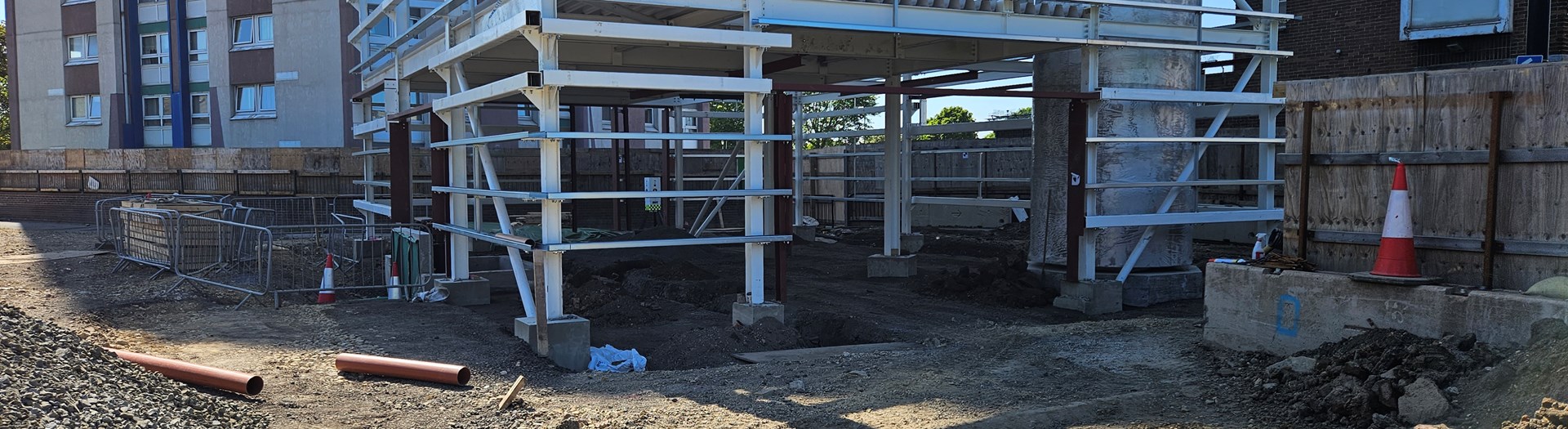
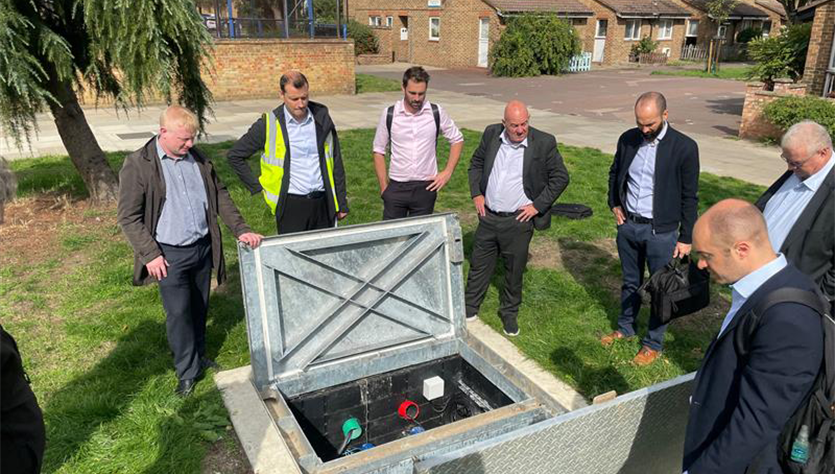
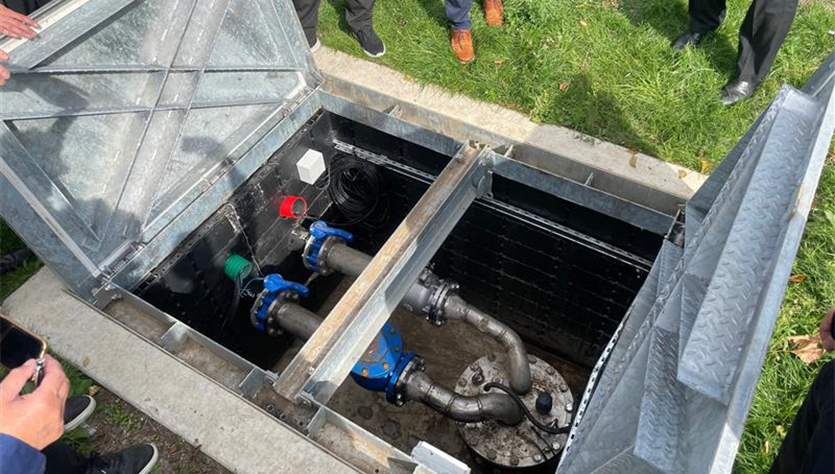
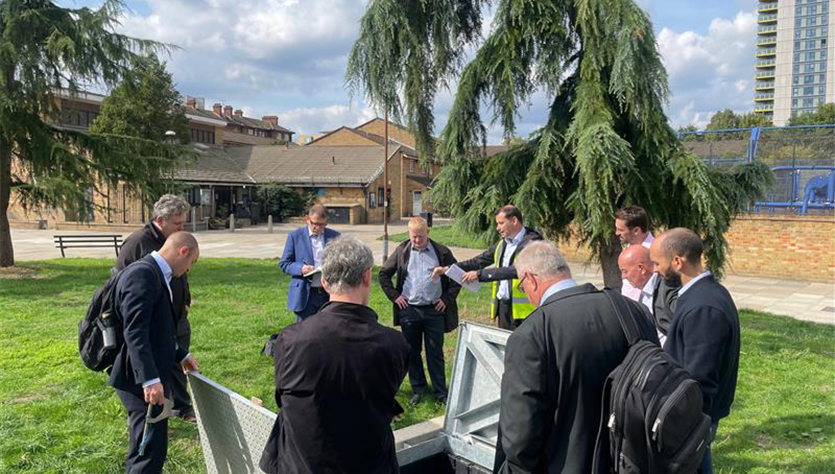
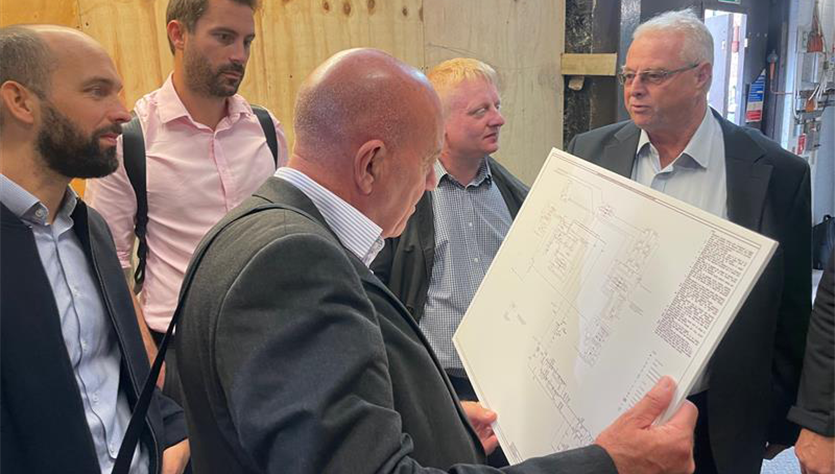
    Phase 1 of our works with Plymouth City Council is progressing well. Project Manager, Colin Sellers, has provided an update on four of the key buildings, along with some images.

    • The air source heat pump has been crane lifted to the roof of Elliott Terrace and the installation on the rooftop is now complete.
    • The air source heat pump base unit has been installed at Crownhill Court, and the steel support frame for the condensers has been manufactured and are waiting fitment. Inside the plant room, a 2000 litre buffer, and low temperature hot water (LTHW) pipework has been installed.
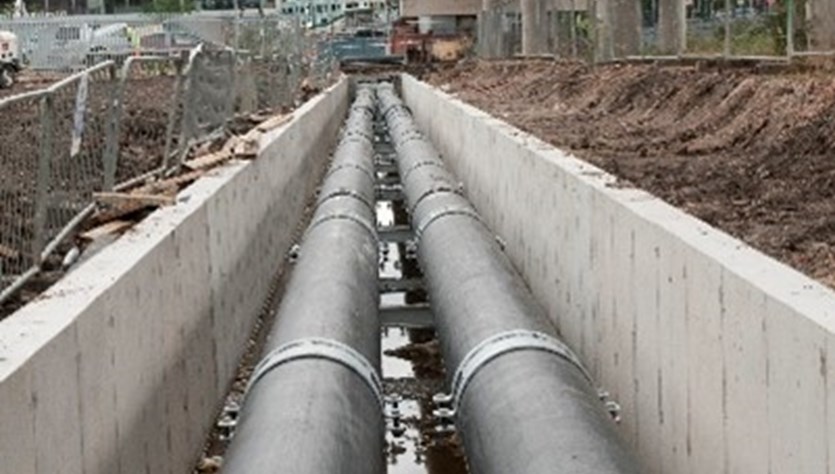
    • All air source heat pump and ancillaries have been delivered to the Guildhall site. Excavation beneath the Guildhall to the Law Courts car park has been completed with district heating pipework installed.
    • All air source heat pump and ancillaries are on site at Ballard House, and the evaporators have been lifted onto the roof and installed.

    For phase 2 of the project, we’ve taken delivery of water source heat pumps for Frederick Street Centre, Pounds House and Prince Rock Admin building. The air source component of the heat pumps is due for delivery next week.

    The next stages are to complete foundation works at Ballard House, and to install compressor units for the air source heat pumps at the Guildhall. Crownhill Court and Elliott Terrace are the closest to completion, so we’re working hard to reach commissioning stage!

    In total we’ll be decarbonising 10 of Plymouth City Council’s key buildings, helping pave their path to net zero. Find out more about the project here.

    Read more about phase 1 of the project here.

  • Key milestones reached at Northwick Park Hospital

    Key milestones reached at Northwick Park Hospital


    Key milestones reached at Northwick Park Hospital

    Work is continuing to progress well at Northwick Park Hospital.

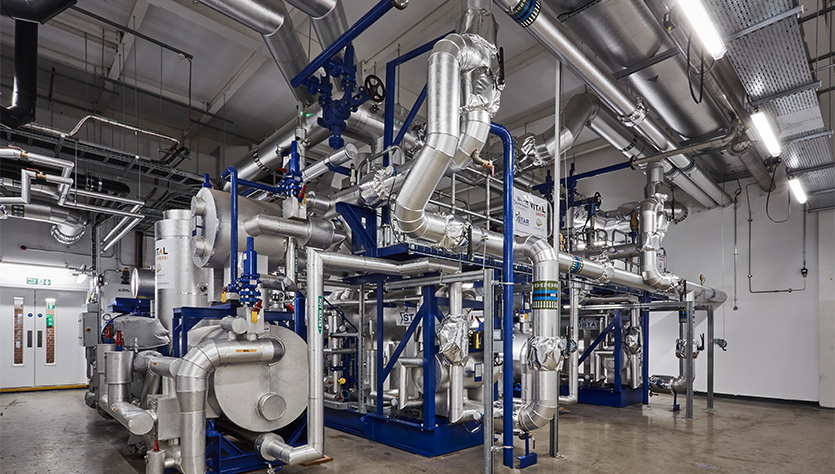
    We’ve mechanically installed the water and air source heat pumps, electrical installation will follow, and we’re working hard to bring 647kWp of solar PV systems across 7 roof spaces to the commissioning phase.

    The 2MW battery energy storage system has now been installed, which will maximise the use of onsite generation and help the hospital avoid import electricity at the most expensive times, as well as creating a smart grid from which the local community will benefit. We’re currently installing the HV supply connection and finishing the external finish to enclosure.

    In addition, we’ve installed over 5000 new LED light fittings, completed the retrofit and upgrades of existing air handling units and chillers, and the pipework insulation upgrades, so the Trust will benefit from early financial savings and carbon reduction 8 months ahead of practical completion.​​​​​​​

    The main energy centre build is progressing extremely well too, and all main items of plant have been delivered to site and are undergoing M&E installation.

    Gary McKiernan, Head of Construction, said:

    “Our site project team is working extremely well with our client and all supply chains to ensure that the construction phase of the project continues to progress at the pace required to meet key milestones in an efficient and safe manner. There are many challenges yet to come, but I have every faith that the team will embrace these to deliver on time as we head towards commissioning the systems during the spring.”

    We’re delighted to be helping London North West University Healthcare NHS Trust on their net zero journey through a fully integrated, self-funding, multi technology energy solution, which will guarantee savings of £1.9m a year for the Trust and significantly reduce carbon emissions at Northwick Park Hospital. 

  • Key green milestone reached at new Plumstead development

    Key green milestone reached at new Plumstead development


    Key green milestone reached at new Plumstead development

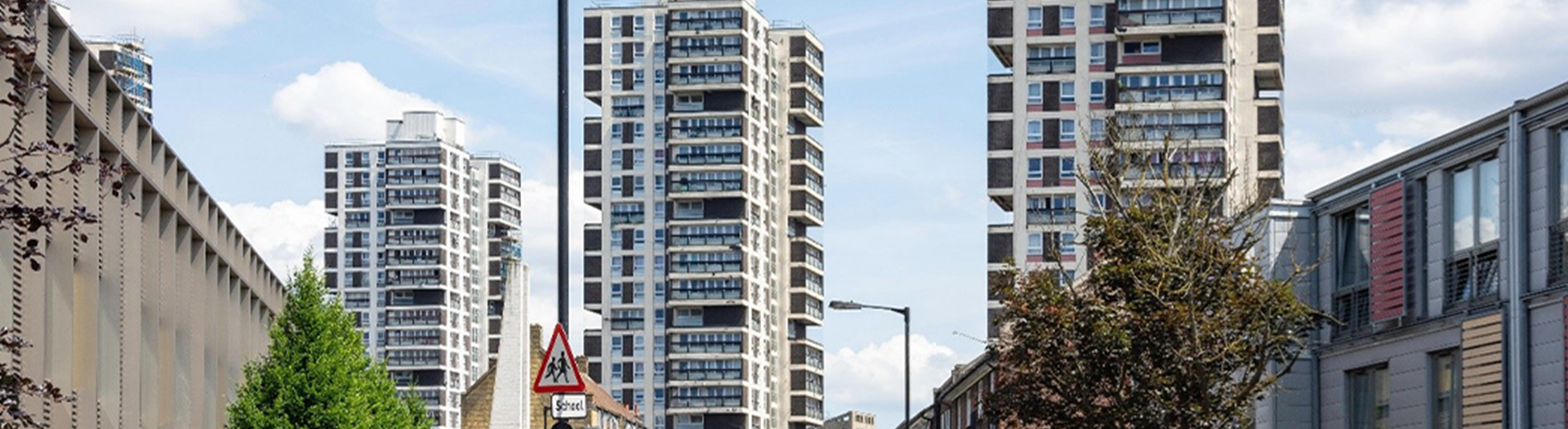
    Berkeley and Peabody are transforming the site of the former Arsenal Football Club home into a new, vibrant neighbourhood called Lombard Square, and the project recently completed a major green milestone.

    The installation of the Phase 1 district heating network is now complete. This is a section of the district heating spine which has been installed up to the boundary of the Lombard Square development and will be connected to the heat network as part of the next phase.

    When complete, the 17-acre development will be made up of 1,913 apartments, retail, commercial, community spaces and a biodiverse park, all served via 1km of district heating network.

    This is a heat network which will evolve alongside the development, growing as the heat demand grows. This will allow buildings to be connected as they come online and give customers access to greener, more affordable heat and hot water. Due to its association with Arsenal FC, the site has a long and storied history, and we are excited to play a part in it’s low-carbon future.

    Ashley Walsh, Managing Director – Heat Networks

    The Vital Energi team installed the highly insulated district heating pipework which will serve a total of 8 blocks around the development.

    Click here to read more about the project, where Vital Energi are also designing and building the Energy Centre that serves the whole development and are supporting Berkeley in reaching their sustainability goals through the installation of ground source heat pumps, which will extract water from aquifers below the surface via 140m deep boreholes.

  • Joining forces to address the London labour crisis

    Joining forces to address the London labour crisis


    Joining forces to address the London labour crisis

    In the next five years, housing associations and local authorities across London could be short of the thousands of people they need to look after existing properties, and build new homes – a challenge we’re joining forces with other industry players to tackle.

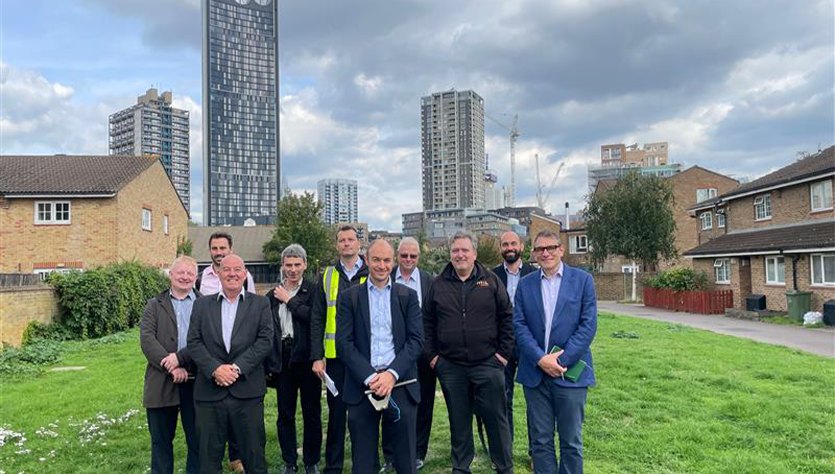
    We are proud to form part of the London Homes Coalition, a partnership of major housing associations, contractors and specialist providers, whose pipeline alone will represent around 10% of London’s construction workforce demand. We’re working together to ensure we maintain a highly skilled workforce to continue investing in high-quality homes for all.

    Due to the synergies within the renewable energy and heat networks industry, where we’ve seen the scaling up of heat networks and the introduction of heat network zoning, we’ve begun to address the need to upskill the green workforce of the future. This is the perfect opportunity to share key learnings and make an impact together.

    Strategy and Partnerships Director, Elliott Sharpe, represents Vital within the Coalition, so we asked him some questions about the goal of the initiative, why we wanted to be involved, how we’re doing our bit to help, and more.

    Why did Vital Energi want to be part of this initiative?
    We work with many councils and housing associations across the country, and as a key supply chain partner, we want to help them identify and combat the challenges they’re facing. Not only do our core values align with their mission, we’re facing similar skills gap and labour shortage issues in our own industry, so when we saw the opportunity to join forces and share key learnings, it was a no brainer.

    What is the aim of the London Homes Coalition?
    The UK social housing sector spends billions of pounds improving and maintaining homes every year, adding substantial value to communities, supporting jobs and driving economic growth and productivity. However, their ability to provide and maintain affordable housing across the capital is threatened by what is fast becoming a critical skills and labour shortage.

    The Coalition has launched the Building Skills for the Future report, which identifies the critical risk to the maintenance, retrofit and provision of London’s social and affordable housing.

    The purpose of the overall project is to understand the scale of the demand for asset management and investment works over the next few years, identify the potential skills gaps, and design and deliver solutions working together as a sector in close partnership with Government, industry bodies, and education providers.

    What kind of content does the report contain?
    First up, there’s a detailed data analysis of the consolidated work programmes of London’s major housing associations for the next 5-10 years, and the future workforce demand and the resulting skills gap.

    The report also highlights a range of potential solutions to the skills gaps, including collaborative action on outreach and promotion, training and skills development, operations and procurement, and workforce policies and culture, along with a high-level plan for how to progress the identified solutions.

    Can you share any key findings from the report?

    • Over the next 5 years, the London Homes Coalition’s pipeline alone will represent around 10% of London’s construction workforce demand.
    • Without action, the Coalition alone faces a potential deficit of around 2,600 skilled people, particularly in trades such as roofers, carpenters and joiners.
    • Women represent only 14% of London’s construction workforce, and as low as 2% in trade occupations. Ethnic minorities make up 24% of the workforce, compared to 40% across all industries.


    What are the key drivers of increasing labour and skills demand?

    • Increased sustainability standards from net zero regulations.
    • Retrofit targets increased – and with urgency to ensure specialised and experience workforce.
    • Building safety standards created further resource pressures.
    • Recent and upcoming regulatory changes (e.g., Future Homes Standard).
    • Housing associations prioritisation on investment, which determines that skills are needed in the sector.
    • Increased need to incorporate new technologies and use of data in the sector.

    As a company, how are we doing our bit to help bridge the skills gap?
    Here at Vital, we ensure diversity and inclusion is firmly embedded within our culture and operations. From championing our female workforce at our annual Women in Energi event, sponsoring the District Heating Divas and being a core member of the Diverse Heat Network, to encouraging an inclusive working environment and promoting equal opportunities for all employees, we are dedicated to fostering a workplace where diversity thrives.

    As well as attending careers fairs to promote jobs within the green industry, we deliver Climate Education sessions within schools, and have so far reached 16,800 young people across 108 schools, colleges and universities. We plan and deliver training for employees and upskill industry organisations within our £2m Training Academy, and have developed our own bespoke Net Zero Apprenticeship Scheme.

    We work closely with Government at local, regional and national levels and are at the centre of funding and policy discussions alongside the ADE and UKDEA, and are on the Board for the Heat Networks Industry Council (HeatNIC).

    We increase awareness of the sector through attending and exhibiting at trade shows and events, and via our social media channels, and are able to promote certainty of work pipelines through our ESCo and O&M contracts, some of which span 40 years.

    What are the next steps?
    Have a look at the graphic below which explains how we’re going to move the initiative forwards and address the challenges highlighted within the report.

    Click here for more information about the London Homes Coalition: https://www.londonhomescoalition.co.uk

  • Innovative Engineering Solution Installs Pipework below Gt Howard Street

    Innovative Engineering Solution Installs Pipework below Gt Howard Street


    Innovative Engineering Solution Installs Mersey Heat Pipework Under Great Howard Street in Liverpool

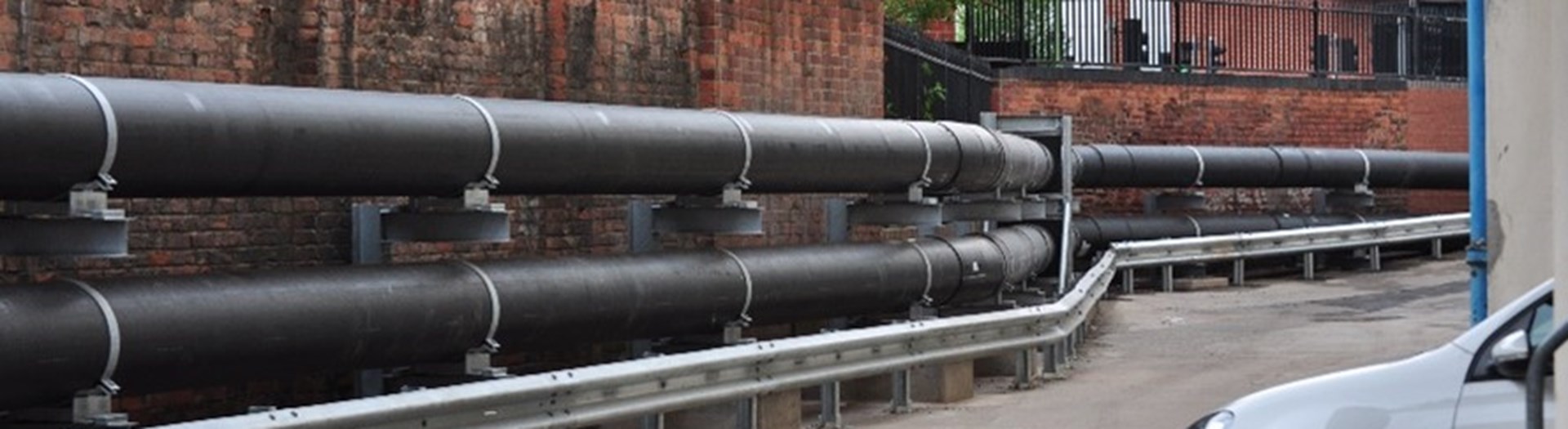
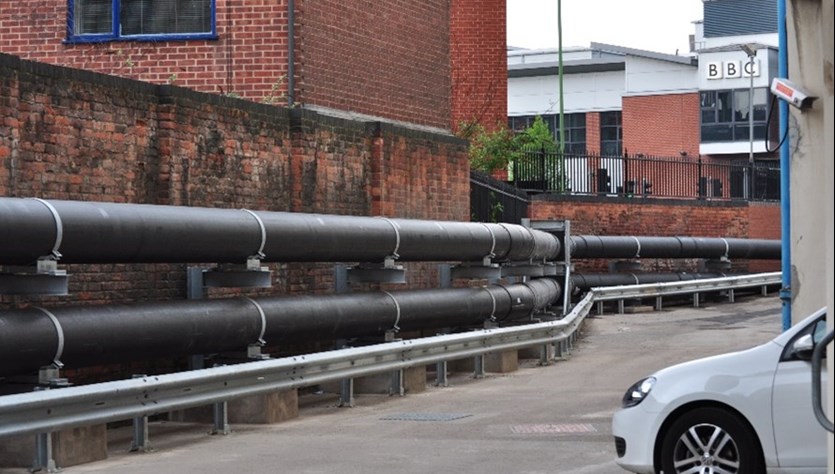
    State of the art civil engineering techniques have been employed by Vital Energi to install district heating pipework 5.5 metres below the surface of Great Howard Street in Liverpool.

    Using an innovative method, Vital Energi dug a 6 metre deep launch and receiver pit at either side of the key commuter route and then used a specialist hydraulic machine to bore the 32 metres between the two.  This allowed pipework for Peel NRE’s Mersey Heat district heating network to be installed without closing the road and avoiding significant disruption for the people of Liverpool.

    Vital Energi’s Managing Director – Heat Networks, Ashley Walsh commented, “Due to the depth of the excavations an installation like this would normally close the road completely for approximately 15 weeks, which would have been disruptive for commuters and the people of Liverpool as it’s one of the main arteries into the city.  By utilising an innovative “pipejacking” method, we have managed to deliver a quality installation and keep the traffic moving, which was one of the core goals for us, Peel NRE and Liverpool City Council.”

    This section of pipework is important as it will feed the Mersey Heat network from a new energy centre which gained planning permission last month, providing low-carbon heat and hot water for up to 9,000 homes and 4 million square foot of commercial space at Peel L&P’s £5bn Liverpool Waters development.

    Mersey Heat is a ten-year project to help reduce carbon emissions and make the Liverpool a cleaner and greener city and we’re pleased to be delivering the first stages of the network using innovative technology and construction methods to reduce the disruption to the public.

    Jonathan Burley, Commerical Director of Peel NRE

    Liverpool Waters District Heating Pipes

    The pipe network under Great Howard Street will also connect buildings at Stanley Docks to the Mersey Heat network including 540 homes at the newly converted Tobacco Warehouse followed soon by The Titanic Hotel & Rum Warehouse and Southern Warehouse. The initial phase has seen Vital Energi deliver 1.7km of buried district heating pipework and this will grow as the heat network expands into Liverpool City centre.

    Solution detail

  • Helping accelerate Camden’s transition to a low carbon future

    Helping accelerate Camden’s transition to a low carbon future


    Innovative energy efficiency tool accelerates Camden’s transition to a low carbon future

    Vital Energi have partnered with Danfoss and Camden Council to reduce the carbon consumption at Oakshott Court through the installation of a revolutionary Leanheat artificial intelligent software technology which is paving the borough’s way to net zero.

    Thanks to their longstanding relationship with Camden Council, Vital Energi are trialling an energy efficiency tool which harnesses the power of digitalisation to optimise energy generation and consumption, and increase operational efficiencies.

    The heating network temperature will be regulated to target a maximum of 24 degrees within the flats which will make a positive difference to the lives of the 114 residents of Oakshott Court, a 1970s block of flats in Somers Town which is owned by the council, who until now have experienced overheating in the summer months due to constant heating. The council and residents will now benefit from reduced carbon emissions and lower building maintenance costs.

    Danfoss have acquired and continue to develop the intuitive Leanheat AI technology software which works with a built in weather compensation and predication tool, which will optimise the heating system water temperature to meet an ideal and comfortable ambient temperature across the flats. An outdoor weather sensor has also been installed to capture localised weather readings as part of the machine learning applied within the software.

    Vital Energi have installed the hardware products required for the Leanheat software to be able to take control of the building, which includes a hardwired controller within the plant room in the basement of Oakshott Court. They have undertaken minor system modifications to the existing secondary heating pipework to accommodate a new three port control valve and temperature sensors, as well as installing climate room sensors strategically within a number of the 114 individual flats to gain an accurate heat map of the block and monitor the temperature and humidity of each dwelling.

    The data from the climate room sensors is sent to a secured and encrypted cloud where, along with data from the internal sensors and outside weather sensors, readings are taken every 10 minutes and the AI software creates a new set point. A signal is then automatically sent to open or close the control valve where heating is fed into the building to ensure the correct temperature is maintained across the block.

    “We’re really pleased to be continuing our relationship with Camden Council and helping deliver their ambitious net zero target through the installation of future-proof energy solutions. The energy efficiency trial at Oakshott Court ensures optimum comfort and improved wellbeing of residents, and is another step towards communities across Camden benefitting from greener, more affordable heat and hot water.”

    Rob Callaghan, Managing Director of Vital’s London Division

    Danfoss’ Software Solutions Manager – District Energy UK, Soulla Paphitis, said:

    “Leanheat AI software is a revolutionary low cost and easy to implement solution which will drastically change the heating profiles of existing buildings. The aim is to reduce emissions and support the transition to net zero, ensuring minimal disruption to residents and making sure their comfort is met throughout the year.

    “Working with Vital and Camden has been a breath of fresh air, Vital have driven ahead with being innovative and client focused whilst Camden have maintained a clear focus of resident comfort and future strategy across all their housing stock.”

    Oakshott Court is connected to the existing Somers Town district heating network, which was designed and built by Vital Energi in 2014. The heat network delivers heat and hot water to the residents of Camden and was designed with expansion in mind, allowing additional buildings to be connected and for it to grow into one of London’s major heat networks.

  • Residents Now Receiving Affordable Heat from the City’s Heat Network


    Hundreds of Residents are Now Receiving Affordable and Sustainable Heat from the City’s District Heating Network

    Almost 800 homes are now enjoying affordable and sustainable heat after being connected to the city’s £36m ‘Leeds PIPES’ district heating network.

    The scheme uses heat generated from black bin waste at the Recycling & Energy Recovery Facility (RERF) and transports it via a series of super insulated district heating pipes to local businesses and residents.

    Once the scheme’s first phase has been completed later this year the network will save tenants at 1,983 properties an estimated 10 to 25% on energy bills whilst reducing the city’s annual carbon footprint by 11,000 tonnes.

    The scheme has been delivered in partnership between Leeds City Council and Vital Energi with funding support from the West Yorkshire Combined Authority and ERDF.

    Councillors Debra Coupar and Lisa Mulherin met with local residents and representatives from Vital Energi at Shakespeare Grange on 28th March to find out more about the scheme and how it is helping residents.

    The 4 months since I got it have been heaven. I am saving on my general electric, I’m saving on one bill which compensates for the other bill too. When the warm weather comes, I will see a genuine change.

    Joan Fletcher, Resident at Shakespeare Grange

    Said Dirir, resident at Shakespeare Grange, said:

    “I’ve had the heating for the last 2 months. It’s nice and warm and I’m happy with it. I’m saving money too, before I was paying nearly £200 a month, now I’m saving around £150 a month.”

    Councillor Debra Coupar, Leeds City Council’s executive member for communities, said:

    “Leeds has made fantastic progress with its Affordable Warmth Strategy over the last few years, and it is promising to see that almost 800 properties are now connected to the district heating network. Too many people pay too much for their heating bills and this network is one of the ways which Leeds City Council and partners are tackling this issue.

    “I’m delighted that we’ve been able to connect residents in council properties to affordable heating and hot water. This will have a significant impact on the health and wellbeing of those connected to the scheme.

    “It is great to hear from local tenants about how the network has already made a positive difference by helping them stay warm and healthy over the winter period and how it will help them save money in the long-term.”

    Councillor Lisa Mulherin, Leeds City Council’s executive member for climate change, transport and sustainable development, said:

    “After declaring a climate emergency, the district heating network will make a positive contribution to enable local homes and businesses to connect to energy efficiency heating.

    “The district heating network is a fantastic example of how becoming more sustainable can help the council and residents save money on their energy bills whilst also working towards our target of becoming a carbon-neutral city.

    “The scheme is just one of the ways which Leeds has committed to reducing our carbon footprint and the network will make a huge difference to the city’s emissions.”

    Rob Falcon, Project Director for Vital Energi explained:

    “City-wide projects are particularly exciting as they have a large, positive impact on both carbon emissions and energy costs—but they also have scope to grow and connect more customers and residents and become even more efficient as they expand.

    “We’re delighted the project recently received HNIP funding for Phase 2 which we’re currently delivering in the Headrow and I am sure this will grow to become one of the UK’s most important heat networks.

    “We’re delighted that heat is now on in almost 800 flats and the remaining residents will be switched over onto the new system over the coming months.  We’d like to thank the residents for their good humour, patience and interest in the project and are proud they will now receive cleaner, greener, more affordable and efficient heating and hot water.”

    Businesses including the Leeds Playhouse have also connected to the network.

    Following the recent “heat on” for scheme’s first phase, work on the network’s second phase is now progressing after the council successfully received an additional £2.4m in funding from the Heat Network Investment Programme to extend the network.

    The new funding has allowed the 16.5km network to be extended by a further 2.5km along the Headrow and into the city centre and connecting the City Museum, Art Gallery, Central Library, Town Hall, St George House and Civic Hall to the scheme.

  • Ibrahim Qadir Crowned BESA “Rising Star”

    Ibrahim Qadir Crowned BESA “Rising Star”


    Ibrahim Qadir Crowned BESA “Rising Star” | Vital Energi

    Building Services Degree Apprentice, Ibrahim Qadir is celebrating after landing one of the industry’s most prestigious accolades; the Rising Star at this year’s BESA Industry Awards.

    The Rising Star category celebrates emerging professionals who have demonstrated outstanding performance and show great promise for the future of the industry. Ibrahim’s win in this category underscores his rapid progress and the significant impact he has already made early in his career.

    54073702842 94D79b05a7 C

    Ibrahim collecting his BESA Rising Star Award

    Solution detail

    Our entire Net Zero Apprenticeships programme was designed to plug the UK skills gap and identify the future leaders of the industry, and Ibrahim is currently living up to this by not only producing work of an extremely high standard but also contributing to the conversation about future solutions and the direction of the industry.

    Lee Moran, Design Director – Operations

    The award recognises, not only his outstanding work in his day-to-day job, which has seen him work on over 20 projects across various technologies, but also his influence in the wider industry as a STEM ambassador, Vice Chair of the CIBSE NextGen Network and Vital Energi’s Future Leaders board.

    Ibrahim joined us as part of our Net Zero Apprenticeship programme and has since worked on over 20 projects across various technologies.  He graduated from  his level 3 apprenticeship and has now moved on to a Higher Education degree.

    If you’d like to know more about apprenticeships at Vital Energi, click here.

  • Hundreds of households in Leeds to benefit from low carbon heat network

    Hundreds of households in Leeds to benefit from low carbon heat network


    Hundreds more households in Leeds to benefit from low carbon heat network

    Hundreds more households will soon enjoy more affordable, reliable, and lower carbon heating with three tower blocks set to become the latest to connect to the city’s flagship Leeds PIPES district heating network.

    259 council properties in Lovell Park Heights, Lovell Park Grange, and Lovell Park Towers will be set up to receive heat from the network within the next six months.

    Private leaseholders of properties in the Little London tower blocks will also be able to benefit from the network if they opt to connect their homes to the system.

    Households that are benefiting from the upgrade can expect to see the cost of heating their home reduce using Leeds PIPES, compared to their existing heating systems, and will also enjoy better reliability and control.

    Meanwhile, Leeds Conservatoire (formerly Leeds College of Music) has become the thirteenth non-residential customer to have signed a contract to connect.

    The new connections are expected to reduce the city’s annual carbon footprint by 279 tonnes, supporting efforts to end the city’s contribution to climate change by transitioning to ‘net zero’ emissions.

    By using heat and energy recovered from non-recyclable waste at the Recycling and Energy Recovery Facility (RERF) to provide warmth and hot water to buildings in the city, the Leeds PIPES district heating project is helping businesses and residents to move away from costly fossil-fuel powered heating systems.

    The council estimates that the network, delivered in partnership with Vital Energi, is helping existing customers to collectively save nearly half a million pounds (£490,000) in reduced energy costs this year alone.

    The £62 million network continues to expand and is regularly connecting to new buildings. Leonardo & Thoresby student accommodation buildings and St James’s Hospital are the latest buildings to have begun taking heat from the scheme.

    Leeds City Council is currently in discussions with dozens of potential customers. Buildings and developments located near the underground pipes can choose to connect at any time and can register their interest here.

    Last year, the network of insulated underground pipes supplied 22,029 megawatt-hours of heating in total and helped reduce the city’s carbon footprint by 3,975 tonnes.

    Councillor Mohammed Rafique, Executive Member for Climate, Energy, Environment & Green Space and Councillor Jessica Lennox, Executive Member for Housing, said:

    “We are both delighted that hundreds more residents will soon be paying significantly less to heat their homes thanks to this latest expansion of the Leeds PIPES network.

    “Residents in the Lovell Park estate will join the thousands of council tenants and hundreds of private sector renters already benefiting.

    “Too many families in our city struggle to pay their energy bills—in part because the UK’s homes are some of the least efficient and most reliant on costly fossil fuel gas in Europe.

    “Whether it’s by connecting homes to affordable low carbon heating like Leeds PIPES, or investing in energy-saving measures like insulation, this council is committed to helping households by making our homes greener and fit for the future.”

    Mike Cooke, Vital Energi’s Managing Director (North and Scotland), said:

    “Leeds PIPES continues to be the UK’s landmark heat network and we’re delighted to announce these new connections, which means more people will benefit from low-carbon, cheaper heat to businesses and residents, making a real difference in their day-to-day lives.

    “We look forward to welcoming another 259 homes and Leeds Conservatoire to the fastest growing heat network and will work closely with the council to ensure they have the best possible customer experience.” 

  • How to secure PSDS funding and accelerate your decarbonisation roadmap

    How to secure PSDS funding and accelerate your decarbonisation roadmap


    How to successfully secure PSDS funding and accelerate your decarbonisation roadmap

    Dedicated to helping the UK achieve its net zero ambitions, we are supporting clients through funding applications and accelerating their journey to decarbonisation.

    We’ve worked closely with our clients to navigate them through the PSDS application process and successfully secured £100m worth of PSDS phase 1 funding to deliver projects using the latest technologies to guarantee significant carbon and financial savings.

    It’s highly anticipated that further rounds of PSDS funding will be available, so we’ve spoken to Ashley Malin, Vital Energi Solutions Managing Director who highlights the key factors for a successful PSDS application, how we can support organisations through the process, why time is of the essence, and about the highlights of our previous PSDS successes.

    What is PSDS and who can apply?
    PSDS stands for Public Sector Decarbonisation Scheme, which is a grant funding initiative from the Government to inject capital into low carbon schemes for public sector organisations, such as schools, hospitals and local councils.  PSDS provides up to 100% grant funding for any low or zero carbon initiatives that meet the eligibility requirements, so if you’re a public sector organisation who wants to implement a scheme to lower your carbon footprint and save some money through solar, heat pumps, connection to a district heating scheme, lighting, BMS upgrades or other renewable technologies, PSDS can provide all the investment required.

    Why did the Government develop PSDS?
    The aim they have is twofold. One aspect is the decarbonisation of public sector buildings, and the other is to help with the Covid response from the Government, to invest money and generate more jobs within the green industry.

    Can PSDS be paired with other funding or private finance?
    It can. PSDS can provide up to 100% grant funding for projects that meet the eligibility criteria. There may be projects that will deliver additional carbon savings that would require the support of further investment, and in these cases you can look to take a blended approach between grant funding, private investment or third party finance to deliver the right project.
    For PSDS phase 1 there was no cap to the funding – the biggest single grant that Salix, who administer the scheme, awarded was £78.2m, and the smallest was £5,300. This funding is to help everyone within the public sector at any level, whether you’re a school who wants to install LED lighting or a large NHS Trust who wants to completely de-steam their site.

    What are the key factors to successfully gaining PSDS funding?
    The Government are looking for a balance between carbon reduction and the amount of grant funding required. So, if you’ve got a scheme which will save you a few tonnes of carbon but it costs £50m, then the tonnes of carbon saved per pound invested won’t be substantial and that particular project won’t be as desirable to fund.
    The timescales for submission are very short, and the level of interest leads to a large number of applications and an oversubscription for the funding available. Our advice would be to develop your project and complete as much detailed work as you can in advance of making an application. This is an opportunity to make a significant investment into the energy infrastructure on your site, putting you well on the path to net zero carbon.

    How can Vital help with the funding application?
    We have successfully gained funding for six clients in Phase 1 which delivered over £100m of investment into the public sector. Applications are required to be submitted by the organisation that’s eligible to receive PSDS funding. We can complete all the documentation on your behalf, including the application form and the supplementary details, such as programmes, risk registers, drawings, and you simply approve and submit the application online.

    How can I benefit from Vital’s support with my PSDS application?
    We have a proven track record of helping new and existing clients gain PSDS funding. Of the £1bn fund, we helped secure £100m for public sector organisations. We have the in-house capability to complete feasibility studies, surveys and data analysis required to develop a qualifying scheme. We have the expertise to optimise the solution to ensure the project has the best possible chance of securing grant funding, and self-deliver the construction, operation, and performance guarantee over the lifetime of the asset.

    Tell us about some of the PSDS successes Vital has supported.
    Nottingham University Hospital’s NHS Trust is currently the largest single project that we have supported through the PSDS process, with the Trust successfully receiving £25m of funding from PSDS phase 1. The project involves completely removing the existing coal-fired boiler house and replacing it with a higher efficiency, lower carbon system. In addition, we are installing over 300KW of solar across the hospital estate to generate zero carbon electricity, along with heat pumps to generate low carbon heat. The savings to the Trust are in excess of £2.5m a year and will reduce the hospital’s carbon footprint by an impressive 14,000 tonnes a year.
    We’re also in the process of installing battery storage across four other sites where we have secured PSDS funding. These battery storage units can provide a hospital estate with a range of options to lower carbon and reduce energy costs. Effectively, these battery storage units help turn the existing infrastructure into a “smart grid”. It will allow for the optimisation of a combination of energy systems that include solar and heat pumps, to lower energy costs, further reduce the site’s carbon footprint and enable the integration of additional zero carbon generation technology in the future.

    “Vital guided us through the whole application process, from completing feasibility works on site and developing a successful scheme, to compiling the required documentation, and project management. The team at Vital is extremely knowledgeable and made the process simple for us, and they turned the complex application round within a really challenging timescale.”

    Alberto Jaume , Nottingham University Hospitals NHS Trust

    Any words of advice for organisations considering applying for PSDS?
    Time is key. Early engagement from an energy services specialist like Vital Energi to develop a range of projects suitable for funding under this kind of initiative, and being in a position to make a successful application at the earliest opportunity, is very important. Having a delivery partner is an essential factor in the evaluation carried out by Salix. From the projects we’ve been involved in, public bodies who can demonstrate that their projects are well developed and they have a partner in place to deliver the project on time and within budget, with a recognised route through procurement, are more likely to be successful in securing PSDS funding.

    I’m interested in learning more; what’s the next step?
    Salix has provided a lot of guidance but there is no substitute to getting in touch and talking through the process with someone with experience and a passion for decarbonisation.

    Please contact us for further information or to discuss a PSDS project you have in mind.