Blog

  • New scheme cuts thousands of tonnes of carbon emissions across Southwark

    New scheme cuts thousands of tonnes of carbon emissions across Southwark


    Renewable energy scheme cuts thousands of tonnes of carbon emissions across Southwark

    Over 2000 households in Southwark will benefit from low carbon heating due to a ground-breaking renewable energy scheme developed by Vital Energi which will save thousands of tonnes of carbon dioxide from being released into the environment.

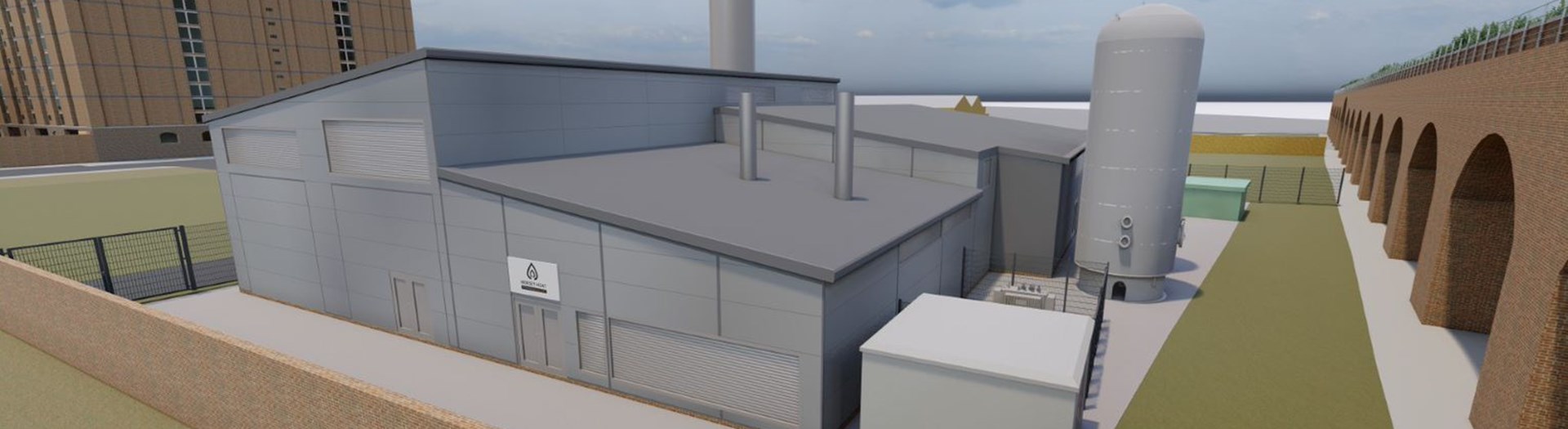
    Vital Energi is retrofitting water source heat pumps within an existing high temperature heat network across three Southwark estates – with this being the first time this has been achieved within the capital.

    In addition to new heat pumps, the estates will benefit from improvements to the district mains, boiler house works and electrical upgrades.  All of the works are scheduled to be complete before summer this year, and will help the council to achieve the Government’s Decent Homes standard.

    The initiative is part of the council’s strategy to tackle climate change and better protect the environment from polluting gases. Approximately 79% of the borough’s carbon emissions come from buildings.

    “We are pleased to have worked with Southwark Council on this innovative project which will benefit over 2,000 residents with a more resilient, efficient, low carbon heat supply. The scheme will also ensure the improvement of local air quality, helping the borough on its path to decarbonisation.”

    Rob Callaghan, Managing Director of Vital’s London Division

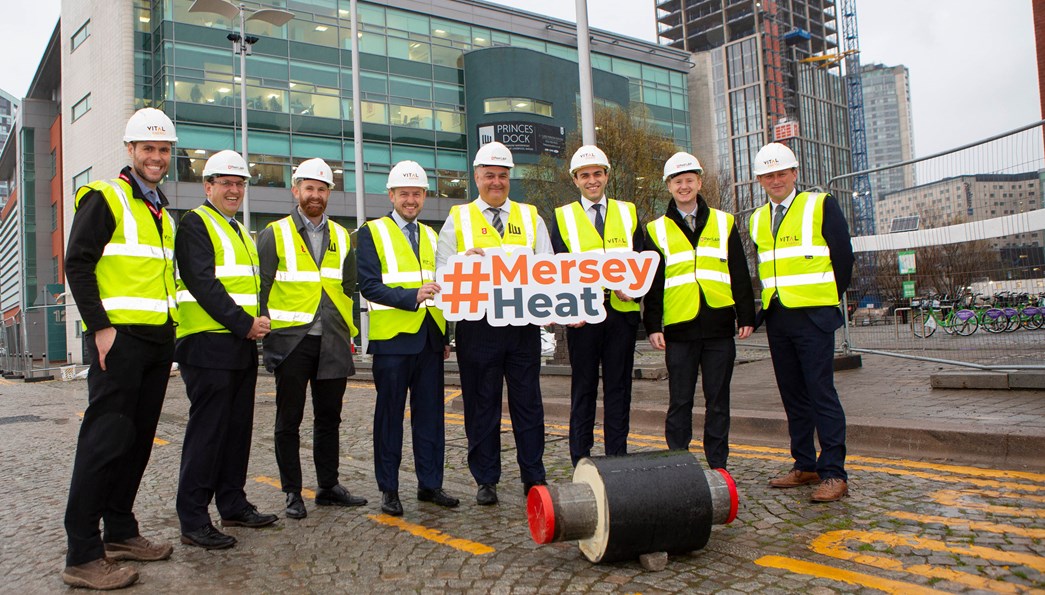
    Southwark’s Councillor Helen Dennis and Councillor Stephanie Cryan recently visited the Wyndham estate to find out more about the scheme and its impact on the borough.

    Councillor Helen Dennis, Cabinet Member for the Climate Emergency and Sustainable Development said: “Tackling the climate emergency is a top priority for Southwark Council. These new heat pumps will deliver a win-win for residents, keeping their homes warm whilst generating renewable energy and removing thousands of tonnes of carbon dioxide (CO2) from the air.

    “Our Climate Change Strategy & Action Plan is clear that we all need to do everything we can to reduce our carbon emissions, and help tackle the climate emergency together. Tackling emissions from buildings is crucial, and this project sits alongside our Green Buildings Fund, and the work we have already undertaken to green council buildings across Southwark.”

    Councillor Stephanie Cryan, Cabinet Member for Council Homes and Homelessness added: “We are working across the council to tackle the climate emergency that is facing us all. I am delighted that these works will further improve the quality of housing for our residents and also help us meet our ambitions for a healthier environment.”

    The carbon savings from the initiative equate to 3,848 people flying from Gatwick to Chicago every year, or an average car travelling 13,468,000 miles every year. It would allow 16,000 people to drive across the UK, from Land’s End to John O’Groats.

    Find out more about how Southwark’s new heat pump networks will operate.

  • Regional growth accelerates as Vital Energi invests in UK’s green future

    Regional growth accelerates as Vital Energi invests in UK’s green future


    Regional growth accelerates as Vital Energi invests in UK’s green future creating 400 green jobs

    Sustainable energy solutions developer Vital Energi has supercharged its operations, opening new offices in Newcastle and Swansea and expanding the scale of its presence in Glasgow, Scotland. The expansion comes as the result of a growing pipeline of energy generation, networks and storage solutions worth £2.5 billion.

    To deliver current and future work, Vital Energi’s 760-strong workforce will increase by approximately 50%, adding 400 new green jobs over the next five years. As well as new offices and the Glasgow expansion, the firm’s Blackburn headquarters has undergone a major refurbishment to modernise the office space and increase seating capacity by a third.

    This expansion marks the next step in Vital Energi’s pathway to not only develop and deliver energy assets but also be the asset owner. Through strategic collaborations, the company continues to strengthen its ability to develop, deliver and own energy infrastructure and generation assets that benefit local communities across the UK.

    In addition to educating and training the green workforce of the future at its £2 million state-of-the-art training facility in Blackburn, Vital Energi also invites industry organisations to learn from their experts, addressing the need to train, upskill, and reskill the UK’s workforce in line with the country’s net zero ambitions.

    “Our expansion across the UK demonstrates Vital Energi’s dedication to advancing the nation’s transition to net zero. By opening new offices in strategic locations, we aim to develop, implement and own innovative, low-carbon energy systems. Alongside this growth, we’re driving an ambitious recruitment campaign to fill a wide range of green jobs. We’re creating exciting opportunities for individuals passionate about sustainability and clean energy to join our mission of protecting our planet for future generations. We are committed to contributing to the country’s net zero goals by cultivating a highly skilled workforce and collaborating with public and private sector partners.”

    Mike Cooke, Managing Director for Vital Energi

    The company’s expanded presence will enhance collaboration with public sector organisations across the UK, from Scotland to London, delivering large-scale projects that tackle fuel poverty and reduce carbon emissions. Vital Energi’s expertise in decarbonising diverse sectors – from universities and hospitals to airports and industrial facilities – has already connected over 100,000 homes and buildings to sustainable heat networks.

  • Reaching milestones at City of London

    Reaching milestones at City of London


    Reaching milestones at City of London

    We’re improving energy performance within six of the City of London’s most iconic buildings as part of their robust zero carbon roadmap, and our decarbonisation project is taking shape.

    In total, we’ll be replacing over 10,000 light fittings with LED lighting across the Barbican Art Centre, the Guildhall Complex, Guildhall School of Music, and Dance including the buildings at Milton Court, John Hossier Annexe, Silk Street and Sundial Court, to increase energy performance.

    Out of the 10,000 LED upgrades, we have just 700 left to install within the Barbican, and within the Guildhall event spaces where we’re implementing specialist LED lighting. Work is due to be complete by mid-September.

    We’ve also installed Energy Conservation Measures such as draught proofing, BMS optimisation, replacement of failed or end of life control valves, ventilation distribution repairs, pipe insulation, Air Handling Unit EC fan retrofit, and metering, to reduce energy use, unnecessary heat loss, and help improve comfort conditions for building users.

    Once complete, the City of London Corporation will benefit from energy savings of over £480,000 a year and carbon savings of over 1,000 tonnes a year, helping take major strides towards the ambitious target of net zero carbon emissions by 2027 for its corporate estate.

    We asked Project Manager, Kaushik Modasia, to take some photographs of the progress so far.

  • RE:FIT Projects Pass Carbon Savings Landmark

    RE:FIT Projects Pass Carbon Savings Landmark


    RE:FIT Projects Pass Carbon Savings Landmark

    Over the last six years we have been working with a range of public sector organisations to lower their carbon emissions as they strive towards net zero.  Over this time we have successfully delivered 12 projects ranging from local authorities and universities to NHS Health Boards and Trusts.

    One of the most innovative aspects of the RE:FIT framework is that projects are underpinned by an energy performance contract which guarantees carbon reduction and financial savings through energy reduction.  We are delighted to announce that this work now accounts for over 11,500 tonnes of guaranteed carbon savings each and every year.

    Swansea Solar Farm

    We installed a major solar farm at Swansea Bay University Health Board through the RE:FIT framework.

    Solution detail

    The RE:FIT framework is about finding the best solution for a company’s decarbonisation within an agreed budget, combining speed, access to funding, reliable contractors and the certainty of knowing that financial savings and carbon reduction are guaranteed.”

    Chris Yeo, Director of Low carbon Solutions for Vital Energi

    Chris continues, “This, however, is only one of over 50 frameworks which we sit on, and we were able to announce several years ago that we were guaranteeing over 1 million tonnes of carbon reduction to the NHS.  Passing both these landmarks demonstrates how effective the correct framework can be and we look forwards to working alongside more of the UK’s councils, universities, hospitals and other public sector organisations as they work towards their net zero goals.”

    In addition to the environmental benefits, our RE:FIT projects are also delivering £9.8m in guaranteed energy savings per year, which is money which can now be reinvested where it will do the most good.

    Projects have seen us install building fabric improvements, lighting upgrades, HVAC improvements, Building Management Systems, heat pumps, rooftop solar PV and major solar farms in buildings ranging from leisure centres, hospitals, and universities to schools and libraries.  We often work with our clients to adopt a phased approach, allowing them to make progress on their net zero journeys as funding becomes available.

    If you’d like to learn more about RE:FIT projects and how they’re delivered we have case studies available here:

  • Rawcliffe Bridge Solar Farm Powers Ahead Towards Net Zero

    Rawcliffe Bridge Solar Farm Powers Ahead Towards Net Zero


    Rawcliffe Bridge Solar Farm Powers Ahead Towards Net Zero

    East Riding of Yorkshire Council, in partnership with Vital Energi, has commenced work to develop the council’s first utility-scale solar farm at Rawcliffe Bridge Village.

    East Riding of Yorkshire has taken a big step towards its net zero targets with the beginning of a 6MW solar farm, which will slash their carbon emissions by approximately 1,710 tonnes each year, the equivalent of removing around 1,200 cars off the road.

    The 10,000 solar-panelled farm, which was part-funded through the Devolution deal, will help the council save on costs, reduce reliance on external suppliers, and support vital public services. The £6.92m project is being delivered by Vital Energi and represents a significant step towards a greener future for the region.

    This is an opportunity to revolutionise how the council generates electricity, embracing green energy and delivering financial savings, environmental benefits, and improving biodiversity. We’re also working with the council to maximise local spend and education opportunities and supporting some of the fantastic organisations and charities which make the area so special.

    Andrew Wightman, Regional Director at Vital Energi

    A ‘sleeving’ arrangement will also be used with the council’s energy supplier, meaning electricity generated at Rawcliffe Bridge will be essentially traded back into the council’s overall supply, further supporting long-term cost and carbon savings.

    The solar farm aligns with the council’s corporate priority to value the environment. This means protecting and enhancing the natural environment, addressing climate change, and promoting high-quality design in development.

    The Rawcliffe Bridge scheme has been carefully planned to deliver wider economic and social value benefits. We are committed to leveraging the local supply spend during both construction and operation to maximise regional economic impact. Alongside this, Vital Energi will deliver our climate education programme to local schools with students aged between 3 – 11 years old, and site visits will be provided to inspire the next generation to explore green careers.

    Over 30 volunteering hours have been committed to local charities as part of the project. This includes support for Friends of Sugar Mill Ponds, a local environmental charity adjacent to the solar farm scheme, dedicated to enhancing and protecting the Sugar Mill Ponds area, and Two Rivers Community Pantry, which provides meals to those in need within the community

    The solar farm will cover 18.3 hectares of land to the south-west of Goole, north of the Aire and Calder Navigation Canal. The size of the project requires a minimum of 10% Biodiversity Net Gain, and consulting with an Ecologist, this has been meticulously integrated with the design to ensure a positive environmental impact, achieved through the planting and maintenance of a wildflower meadow, species-rich grasslands beneath the panels, and plenty of hedgerow planting.

  • Queens Quay Heat Network Set to Welcome Residents of Nearby Flats

    Queens Quay Heat Network Set to Welcome Residents of Nearby Flats


    Queens Quay Heat Network Set to Welcome Residents of Nearby Flats

    The award-winning Queens Quay heat network is set to expand by connecting residents on nearby Dumbarton Road in Clydebank.  Homes will receive heat from the low-carbon water source heat pump which has been supplying the Queens Quay development since 2020.

    46 homes, belonging to Clydebank Housing Association will be joining the network in this latest expansion which will add 450m of district heating pipework and the contract will also see Vital Energi provide the vTherm°e Heat Interface Units.

    Queens Quay 247 Copy (1)

    Heat for the flats will come from the multi-award-winning Queens Quay Energy Centre which uses water source heat pumps to take heat from the nearby River Clyde

    Solution detail

    It is welcome news that more buildings will now be supplied through the District Heating Network in Clydebank. The energy centre currently provides affordable low-carbon heating to local households, businesses and public buildings including the new Queens Quay care home and I am delighted to see an additional 46 homes added to the list. The network is one of a number of initiatives being undertaken by West Dunbartonshire Council in order to address climate change with a view to becoming net zero.”

    Alan Douglas – Regulatory & Regeneration, West Dunbartonshire Council – Chief Officer

    The project will connect 7 separate blocks, all belonging to Clydebank Housing Association.

    Scott Lutton, Vital Energi’s Operations Director for North and Scotland commented, “The heat network was designed to alleviate fuel poverty and expand to serve local businesses, organisations and residents, so it’s extremely exciting to connect more people to the scheme and share those benefits with them.

    “We’ll also be providing metering and billing services, customer services and operation and maintenance to ensure everyone connected has the best possible experience from their new heating scheme and we look forward to the heat on date and welcoming them to the Vital family.“

    Phase one of the project saw Vital Energi work in partnership with West Dunbartonshire Council to build a state-of-the-art energy centre in Clydebank.  The energy centre houses two 2.65MW water source heat pumps which takes heat from the nearby River Clyde and uses it to heat local homes and businesses.

    If you’d like to know more about how  West Dunbartonshire Council are using the River Clyde to heat the Queens Quay Development, click here.

  • Q&A: Why is now the time for women to join the world of engineering?

    Q&A: Why is now the time for women to join the world of engineering?


    Q&A: Our female industry experts explain why now is the time for women to join the world of engineering

    International Women in Engineering Day, which falls on Wednesday 23rd June, raises the profile of women that work within engineering, celebrating the fantastic work they do, and highlighting the exciting career opportunities available.

    We want to inspire and encourage more women to join the industry, so we chatted to female industry experts about how the world of engineering has changed, the opportunities for women and what you can expect if you follow in their footsteps. Find out what Ella Stokes (Group HR Manager for Vital Energi), Laura Rusholme MSc MCIOB (Head of Estates Projects for University Hospitals Bristol and Weston NHS Foundation Trust), and Rachael Mills from SE2 consultancy, had to say!


    Do you think now is a good time for women to join the engineering industry? And can you give some examples of why?

    Ella – Never mind ‘should they join?’ and ‘is now the right time?’, this industry needs women, so my answer is (and always has been) yes, yes yes! We should always be open-minded and willing to enter into this challenging and diverse industry. There was always a hidden stigma that this is not our domain, but the world has changed and finally opened its eyes.  We have amazing skills, passion, confidence, empathy and ability to achieve the results required to succeed like anyone and everyone.
    Laura – Now is a great time for women to join construction and engineering industries. You’ll find a diverse and creative environment, where no two days are the same. But there aren’t enough women considering roles in engineering, which is contributing to the overall skills shortage, so there isn’t a better time to join.
    Rachael – My question is, when is it not a good time for women to join the engineering industry – or any other industry for that matter?  Women should see the opportunities in all sectors, depending on their personal skills and ambitions – and different sectors should make sure women are welcomed.  In some cases, this will mean a societal shift, but so much has already been achieved.  It requires women to stand up and follow their dreams – and for the door to be flung wide open to them.

    What do you consider your biggest achievements in the industry?

    Laura – As a chartered construction project manager, I have led a number of multi-disciplined projects. My biggest achievement has been as a client-side project manager delivering a combined heat and power with district heating facility project, of which Vital were our Contractor. I quickly built relationships with Vital and Trust colleagues, working collaboratively to successfully deliver this project.
    Rachael – I’m a people person, so my biggest achievements is when there is collaboration, when we work together to create something bigger than the parts – when there’s a net sum gain.  The District Heating Divas is an example of that – it’s an informal networking group for women working in every aspect of heat networks.  It’s all done freely and is the most supportive group I’ve ever been involved with, especially while we’ve all variously been locked down over the last year or so.  We each use the groups as much or as little as we want to, for everything from making business contacts and asking technical questions, to mentoring and personal development.
    Ella – My biggest achievement is the development and growth of the people around me, not only directly linked with me but within the business and industry as a whole. I came into this industry during my placement year at university, when Vital had less than 25 people – 19 years on, I’m still going strong with this amazing company which now has over 525 employees. I feel incredibly proud to be part of this growth and success. We don’t hold back; we push to make a difference, and I love the values and all of our desires to succeed!

    What changes have you seen regarding women in engineering during your career?

    Rachael – Well, there’s more of them for a start!  I’m always super impressed with the young, smart women I see joining the sector now.  They have purposefully chosen engineering and they’re setting about to make it work for them – and that sometimes means breaking boundaries and being outspoken.  Diversity can only be a good thing, regardless of the circumstances, and it’s something that engineering as a whole will benefit from.
    Laura – The number of women in industry is still relatively low. Levelling the playing field is making sure that an environment is created where everyone feels comfortable and supported to take on any responsibility no matter your age, race or gender. Focussing on all workers with the same amount of respect. I have found, working with Vital on the CHP and DH project, that whilst equality, diversity and inclusion is something many organisations are having to put a lot of effort into cultivating, an inclusive and respectful attitude is innately Vital.

    “When I started my career, it was very much a male dominated working environment. Although we’ve seen an increase in the number of women in our industry, we still need more! The thoughts and feelings of ‘women not being suitable’ is finally changing and that is a breath of fresh air. Vital, as well as other companies within the industry, are looking from grassroots upwards to encourage and entice woman into this world. We want to make a difference and are positively committed to growing and developing our own strong independent woman within all areas of this industry.”

    Ella Stokes, Group HR Manager – Vital Energi

    Who and what has inspired you during your time in the industry?

    Rachael – Unsurprisingly, other women!  I am inspired by passionate people.  People who want things to work well.  People who try to look at problems from a different angle and then do something about it.  People who are willing to share their knowledge, expertise and time.  There’s lots of them out there – I feel very lucky!
    Laura – I have spent the majority of my career working in construction and estates industries, and what continues to inspire me is the camaraderie between project teams. I attribute this largely to the fact that projects are complex and multi-disciplined, which drives the need for the team to respect one another so that everyone feels comfortable to speak up and voice their opinion, allowing all the different disciplines, diverse experiences and backgrounds to effectively work together openly and honestly to deliver safely.
    Ella – The people! I have experienced many different walks of life, each with their own personality and traits; some have been compatible to mine, others have been different. However, each and every one of them has inspired and influenced me, showing and teaching me the type of person I aspire to be. The strong characters, from my Board of Directors, team members and colleagues all have differing opinions, which in turn have enhanced my resilience and improved my communication skills to allow me to work coherently and effectively with all. I love the fact that regardless of the differing views and opinions, we all have the same goals… we want to succeed! To do this, I have learnt we have to all work together, to compromise and be trusting of others and their judgements in paramount.

    What do you think the value of events like Women In Engineering are?

    Laura – They remind women and society as a whole that a career in a typically male-dominated industry is absolutely a career that they can pursue and succeed in. It is a time to reflect and celebrate how far women have come and be thankful for being born in a generation where opportunities for women to accomplish and achieve what they want from life are the greatest they have ever been, whilst acknowledging challenges women still face.
    Rachael – It puts women in the spotlight and gives organisations an opportunity to shine a spotlight on what they’re doing and what still needs to be done – and it gives women a voice.  However, it shouldn’t just be one week – we need this embedding 365 days of the year!
    Ella – It is a positive promotion of a driven and inspiring message. It shows that no matter what your skillset, gender, race, there are opportunities for everyone. The stigma of this industry being a male-dominant world needs to be eradicated. This should not just occur at this time, the message should start being communicated to all from a young age, with organisations encouraging and promoting women into our industry all year round!

    What advice would you give to young women considering a career in engineering?

    Laura – Go for it, it is a rewarding career. Society is changing and it is apparent that younger generations expect a lot more from their leaders. Organisations are certainly aware of this and are driven to ensure they are engendering a just culture, which is inclusive for all. We’ve already come a long way, if you decide this is a career for you, you could be part of a journey where hopefully one day, future generations of women would see it as the social norm to consider a career in construction and engineering industries.
    Rachael – Do something that you love – something that interests and maybe even excites you.  And if that’s engineering, then go for it!  There’s lots of great, supportive networks out there – find others in your tribe to swap stories and get support from.  Many people will happily give their time to help you on your journey – sometimes you just need to ask
    Ella – Take the plunge… It will be worth it! I am not going to lie, like anything in life, there will always be difficult and trying times that we have to face but by joining this world, you will be making positive active steps in making a difference. The rewards, desire to achieve and development of skills showing the younger generations (including our daughters and nieces don’t forget) what they can accomplish, will be amazing and guess what, you will be a part of that!

    Whatever stage of your career you’re at, if you’re interested in taking a step into the world of engineering, please don’t hesitate to get in touch with us by emailing [email protected].

  • Q&A: Gemma Dyson Discusses Changes In The UK’s Energy Landscape

    Q&A: Gemma Dyson Discusses Changes In The UK’s Energy Landscape


    Q&A: Gemma Dyson Discusses Changes In The UK’s Energy Landscape

    Gemma Dyson has been instrumental in building the team behind the successful bids for many of Vital’s innovative decarbonisation projects.  As such, she has a keen interest in how the low-carbon energy sector is evolving, what challenges it faces and how we can best help our clients achieve substantial and rapid decarbonisation.

    We sat down with Gemma to find out why there’s a lot of reasons to be optimistic about the UK’s journey to net zero…

    Name: Gemma Dyson

    Job Title: Proposals Manager

    Department: Pre-Construction Team (also known as the “Work Winning Team!”)

    What changes have you noticed since you joined Vital Energi?

    Well I’ve been at Vital for more than 4 years now and every day is different – so it’s safe to say there have been lots of changes!! But the most obvious thing would be the size of the Pre-construction Team.  It’s gone from five members to 20, and this reflects the growth of the industry and the ambition from all sectors to achieve net zero.

    The technologies have noticeably changed.  Most of our energy centre jobs used to be centred around CHP engines, but now they struggle to achieve the decarbonisation our clients need, we’re seeing more renewable led projects such as heat pumps and solar PV coming to market.  There’s also been a big increase in energy efficiency projects through frameworks such as Non-Domestic Energy Efficiency (NDEE) and Re:fit.

    What are your proudest moments in this Industry?

    It would be easy to say winning a big bid, but they’re always team efforts, so I’d have to say that the growth (and strength) of the work winning team over the last 4 years is probably my biggest achievement. (It’s not just down to me, of course, but I like to think I’ve played my part!)

    As a growing business, we’re always trying to do things differently, so we have recently added specialists to our team in specific areas such as solar PV, where we’ve gone from installing small rooftop installations to multi-megawatt solar farms in the space of a few years.  It’s a never-ending process, so we must keep evolving to make sure we have the best expertise deliver what our clients need.

    We’ve also just recruited our first Zero Carbon Apprentice to the work winning team, Harvey Hudson. Harvey is part of the first cohort of apprentices Vital Energi have employed and is 16 and has already wowed us with his passion and enthusiasm. With individuals like Harvey around, the future is bright! But we’ve got to keep promoting our sector and encouraging young people from diverse backgrounds into it.

    There seems to be the appetite for decarbonisation from most areas of society, from the public to the Government.  Is this being backed up by funding and legislation?

    The UK Government has one of the most ambitious carbon reduction targets in the world. It has already provided some strong funding for the development and delivery of projects and there are more initiatives in the pipeline which should ensure these essential projects come to fruition.

    Most of our energy centre jobs used to be centred around CHP engines, but now they struggle to achieve the decarbonisation our clients need, we’re seeing more renewable led projects such as heat pumps and solar PV coming to market.  There’s also been a big increase in energy efficiency projects through frameworks such as Non-Domestic Energy Efficiency (NDEE) and Re:fit.

    ,

    You came to Vital from a Social Housing background.  Do you have a view of how this market is reacting to the need to decarbonise?

    They are one of the sectors which will face the biggest challenge because they have their own zero carbon agendas, but they’re also constrained by price and affordability. Most importantly, they are driven by fuel poverty, which is only increasing, especially given the recent hike in wholesale gas prices.  In short, we need to make sure that that the green heat supplied to social housing is affordable to residents.

    Metering and billing is an area which shouldn’t be overlooked as it can make a big contribution to both decarbonisation and fuel poverty.  Vital Energi have recently launched the Glass App and at its heart it brings transparency and control to residents.  By giving residents access to smart controls, they can make more informed decisions on how they use their heat and spend their money more efficiently. Glass gives residents the opportunity to understand their own consumption and manage it effectively.

    What do you think the next years will bring for the UK’s energy infrastructure?

    I don’t think you need a crystal ball to predict more electric vehicles, which brings the need for more charging stations and more renewable generation of electricity through technologies such as solar PV.  The grid just won’t cope without renewables! Renewable energy generation, improved energy efficiency and the electrification of heat are all key features for the future, and I would hope that battery storage, wind and hydrogen will become more affordable and more readily available in the future. Hydrogen is clearly an emerging fuel that is likely to support the decarbonisation of heat which is reinforced by the UK Governments recent launch of the UK Hydrogen Strategy.

    The endgame is to maximise decarbonisation and create smarter supply and export of energy through smart grids and I am looking forward to playing my part!

  • Fferm Solar Coedelái bellach yn pweru Ysbyty Brenhinol Morgannwg

    Fferm Solar Coedelái bellach yn pweru Ysbyty Brenhinol Morgannwg


    Pŵer Lleol ar gyfer Gofal Lleol: Fferm Solar Coedelái bellach yn pweru Ysbyty Brenhinol Morgannwg

    This article is also available in English by clicking here.

    Mae Fferm Solar Coedelái bellach wedi’i throi ymlaen yn swyddogol ac yn cyflenwi trydan yn uniongyrchol i Ysbyty Brenhinol Morgannwg. Mae hyn yn golygu bod un o’n gwasanaethau cyhoeddus pwysicaf yn cael ei bweru gan ynni a gynhyrchir yma yn ein cymuned.

    Mae’r fferm wedi’i hadeiladu ar safle glofa wedi’i adfer, mae’r fferm solar yn cynnwys 9,000 o baneli ac yn cynhyrchu digon o drydan i bweru tua 1,800 o gartrefi bob blwyddyn, ac yn ogystal â phweru cartrefi, mae’r ynni hwnnw’n helpu i gadw’r goleuadau ymlaen, peiriannau’n rhedeg, a gofal yn llifo yn Ysbyty Brenhinol Morgannwg.

    Mae’r prosiect wedi creu swyddi lleol ac wedi cynhyrchu gwariant gwerth dros £600,000 gyda busnesau a chyflenwyr lleol. Mae’r garfan wedi gweithio’n galed i wella bioamrywiaeth trwy blannu gwrychoedd a gosod pyst gwenyn, blychau adar a blychau ystlumod ochr yn ochr â’r Fferm Solar.

    Cafodd Fferm Solar Coedelái ei hariannu ar y cyd gan Gyngor Bwrdeistref Sirol Rhondda Cynon Taf, Llywodraeth y DU drwy Gronfa Ffyniant Gyffredin y DU, a’i hariannu’n rhannol gan Lywodraeth Cymru.

    Mae’r garreg filltir yma’n cynnwys gweld yr holl waith caled yn dwyn ffrwyth wrth i Ysbyty Brenhinol Morgannwg dderbyn ei hwb cyntaf o bŵer o’r fferm solar. Mae’r prosiect uchelgeisiol yma’n gyfle unigryw i ddarparu ynni er budd ein cymunedau. Bydd unrhyw drydan a nad yw’n cael ei ddefnyddio gan yr ysbyty yn cael ei fwydo i’r Grid Cenedlaethol, gan helpu i gryfhau diogelwch ynni cyffredinol y DU. Ond mae ‘lleol’ yn pwysig I’r prosiect hwn, pŵer lleol ac effaith leol.

    Cynghorydd Ros Davies,Aelod o’r Cabinet , Gyngor Bwrdeistref Sirol Rhondda Cynon Taf

    Meddai Mark Williams, Cyfarwyddwr Partneriaethau Vital Energi: “Mae gweld ynni glân, carbon isel yn cael ei drosglwyddo i Ysbyty Brenhinol Morgannwg yn fwy na chyflawniad technegol yn unig, mae’n dangos sut y gall y sector cyhoeddus gydweithio i gyflawni ei nodau sero net. Dyma ychwanegiad gwych arall at seilwaith ynni carbon isel Cymru ac un a fydd yn cyfrannu at ddyfodol glanach a mwy cynaliadwy i bawb.

    “Hoffen ni longyfarch Cyngor Bwrdeistref Sirol Rhondda Cynon Taf ar gynllun gweledigaethol a greodd dempled ar gyfer cydweithio y mae modd ei ailadrodd ledled Cymru a thu hwnt.”

    Adeiladwyd Fferm Solar Coedelái ar safle glofa wedi’i hadfer, gan droi 84 erw o hen dir diwydiannol yn ased ynni adnewyddadwy ar gyfer y rhanbarth. Fel un o’r prosiectau solar mwyaf awdurdod lleol yng Nghymru, mae’n cynhyrchu digon o ynni glân i bweru tua 8,000 o gartrefi bob blwyddyn wrth gyfrannu 5MW at y grid.

    Meddai Claire Thompson, Cyfarwyddwr Gweithredol Strategaeth a Thrawsnewid: “Dyma gam pwysig i’n bwrdd iechyd ac i Ysbyty Brenhinol Morgannwg. Mae troi ynni’r haul ymlaen yn fwy na chyflawniad technegol yn unig – mae’n symbol o’n hymrwymiad i ddarparu gofal iechyd mewn ffordd gynaliadwy, blaengar.

    “Rydyn ni’n falch o fod yn rhan o brosiect sy’n lleihau ein hôl troed carbon ac yn cryfhau ein partneriaeth â Chyngor Rhondda Cynon Taf a Vital Energi. Dim ond dechrau ein taith tuag at ddyfodol mwy gwyrdd yw hwn.

    “Diolch o galon i’n holl gydweithwyr y gwnaeth eu hymroddiad a’u gwaith caled y garreg filltir yma’n bosibl.”

    Ychwanegodd Matt Ace, Cyfarwyddwr Rhanbarthol Stantec yng Nghymru: “Roedd y prosiect uchelgeisiol yma yn gofyn am wybodaeth ofalus a helaeth ynghylch dylunio solar a chyflenwi pŵer, yn ogystal ag ymchwiliadau daearegol cymhleth a modelu economaidd dibynadwy. Rydyn ni’n falch o fod wedi bod yn rhan o garfan brosiect hynod gydweithredol a blaengar. Credwn fod y cynllun yma’n dangos yr hyn y gellir ei gyflawni pan fydd partneriaid cyhoeddus a phreifat yn rhannu gwydnwch, effeithlonrwydd ac arloesodd fel nodau cyffredin.”

  • PSDS secures sustainable future for Hospital of St Cross

    PSDS secures sustainable future for Hospital of St Cross


    PSDS secures sustainable future for Hospital of St Cross

    Vital Energi is implementing a host of renewable energy solutions at the Hospital of St Cross, Rugby, thanks to successful Public Sector Decarbonisation Scheme funding of £4m.

    As part of the University Hospitals Coventry and Warwickshire NHS Trust’s green plan, Vital Energi helped them secure funding from the Department for Business, Energy and Industrial Strategy (BEIS) as part of PSDS Phase 3, delivered by Salix Finance.

    The scheme aims to put the public sector at the forefront of decarbonising buildings in the UK. The Trust will use the funding to install low carbon heating solutions to replace fossil fuel fired equipment as part of their roadmap to reach net zero by 2040.

    Significantly reducing the Trust’s carbon footprint, plans include the installation of energy conservation measures, comprising a 200kW air source heat pump (ASHP), thermal insulation measures, and the removal of a fossil fuel-fired plant, all to make the hospital site more energy efficient.

    A solar array of 1,250 solar panels covering 2,403m2 producing 500kWp will also be installed on the available roof spaces across the estate.

    University Hospitals Coventry and Warwickshire NHS Trust’s Chief Executive Officer, Professor Andy Hardy, said:

    “It is terrific news to hear our application has been successful and we can press ahead with this work. Not only will it help the Trust’s goals in terms of energy conservation and support the delivery of the Trust’s Green Plan, but it will provide a positive financial saving going forward that can be reinvested in patient care.”

    “PSDS is a great opportunity for public sector organisations to make strides on their decarbonisation journey and we’re delighted to have successfully supported The Hospital of St Cross through their PSDS application. We’re looking forward to installing the multi-technology energy solution we’ve designed which will save over 600 tonnes of carbon per year and accelerate the hospital’s journey to net zero by 2040.”

    Ashley Malin, Managing Director of Vital Energi (Solutions)

    To enable site-wide utilisation of heat from the ASHP, Vital Energi will also implement a district heating network to interconnect the heating loads of the three areas of the site currently served by three separate energy centres.

    As well as supplying low carbon heat across the estate and improving local air quality, this will reduce maintenance costs associated with gas-fired boilers and enable connection of further low-carbon generation systems at a later date. It will also improve the energy supply resilience, which is essential for a hospital providing patient services 24/7.

    Business and Energy Minister, Lord Callanan, said:

    “Using cleaner technology to heat our civic buildings is helping to shield public sector organisations from costly fossil fuels, especially at a time of high global prices. This funding will bring significant savings for taxpayers of well over half a billion pounds each year by making public buildings cheaper to run, heat and cool, whilst supporting economic growth and jobs across the country.”

    Salix Client Support Officer, Gbenga Adenaike, added:

    “We are delighted to be able to support the University Hospitals Coventry and Warwickshire NHS Trust meet its net zero and energy saving goals. This project will have a positive impact on the staff, visitors and of course the patients.”

    The scheme is being delivered under the Carbon and Energy Fund (CEF).