Category: Uncategorized

  • Bringing blooms to Southwark

    Bringing blooms to Southwark


    Bringing blooms to Southwark

    We recently visited the Newington estate in Southwark, where we joined Southwark Council, ICAX Ltd, residents connected to the network, and the Tenants and Residents Association, in planting 5,000 daffodil bulbs across the estate.

    Contracts Manager, Mark Pocknell, who is overseeing the project, said:

    “We’re committed to bringing social value to places where we deliver projects, and so last week we joined Newington residents and planted 5,000 daffodils across their estate. It was a really enjoyable day – we were lucky with the weather and it only took around 2 hours to plant all the bulbs.

    “I’d like to thank everyone who got their hands dirty, and I can’t wait to see the results of our hard work in the spring.

    ‘We all really enjoyed the bulb planting day at Newington, and it was great to see the residents engaged with the project. We’re looking forward to seeing these bulbs come into bloom in spring, coinciding with the completion of our heat pump project, delivery of low carbon heating, and beautiful gardens for the borough. Well done to Vital Energi and the team.”

    Tom Vosper, Strategic Project Manager, LB of Southwark

    We’ve been working on a ground-breaking project to decarbonise the borough by retrofitting water source heat pumps into existing heat networks across the Newington, Consort and Wyndham estates, which will provide over 2,000 properties with a more resilient, efficient, low carbon heat supply.

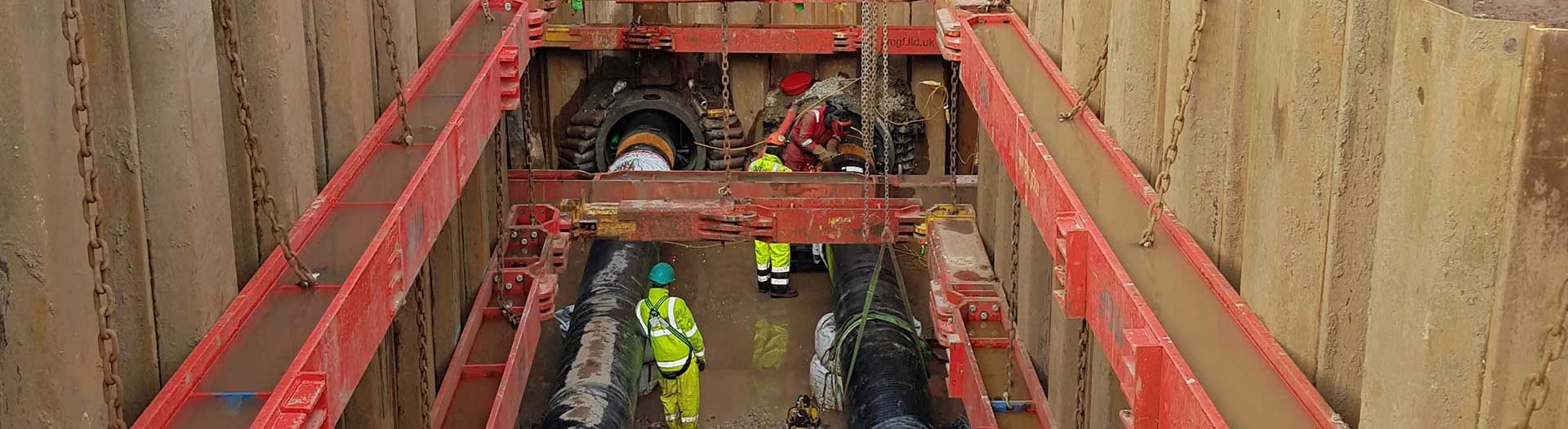
    The Consort and Wyndham estate heat pumps are fully installed, coupled with their buried pipework from the 120m deep bore holes back to the estate’s energy centres. The penultimate installation at Newington estate is due to be complete around March 2022 which will then see all three of the Southwark estates using heat pump technology to provide heat to all the homes connected to the existing networks.

  • Bristol Heat Network Set for a Lower-Carbon Future

    Bristol Heat Network Set for a Lower-Carbon Future


    Bristol Heat Network Set for a Lower-Carbon Future

    Bristol’s heat network will enter a new stage of decarbonisation when the Castle Park heat pump begins generating low-carbon heat and we’re delighted that the new year has brought a series of major milestones.

    The project team have so far installed the abstraction platform, which is responsible for the intake of harbour water, thermal store and, most recently, the delivery of the 32-tonne packaged plant room which will house the water distribution pumps, which circulate low carbon hot water from the water source heat pump within the energy centre.

    The Castle Park project represents a significant investment and is being delivered in partnership between Goram Homes, Bristol City Council and Vital Energi and will supply 3MW of green heat into the network which already supplies heating and hot water to 1,000 properties.

    This is a very exciting project as it demonstrates that you can harness the latest, cutting-edge technology and integrate it into existing heat networks. By using the latent heat in the harbour we can provide the people of Bristol with lower carbon heat and hot water and take another step towards making Bristol a net zero city.

    Scott Lutton, Operations Director North & Scotland, Vital Energi

    The 3MW water source heat pump will take water from the nearby floating harbour and use it to generate low-carbon heat and hot water for the residents of Bristol via the existing Bristol heat network.

    As part of the heat pumps development, people enjoying the north side of the park may notice warm air being ejected away from the energy centre. This is due to the installation of Dry Air Coolers which allow the heat from the pump to be dissipated into the air while the energy centre is being built. The scaffolding will be erected on the 28th Jan 2022, with the units being delivered and set up on the 31st Jan 2022. The units will be fenced off in the park and the warm air will be ejected away from the energy centre towards the north of the park. They will be there for approximately 6-8 weeks in total.

    More information on the Bristol City Council’s heat network can be found on their Energy Service website.

    Take a look at the progress pictures here

  • Green Workforce Opportunities for Barking & Dagenham

    Green Workforce Opportunities for Barking & Dagenham


    Barking & Dagenham Network Expansion Brings New Green Workforce Opportunities

    The 3.75km district heating extension in Barking and Dagenham is not only helping to decarbonise the borough but is also bringing employment and training opportunities for local young people who want to join the “Green Workforce”.

    Our most recent appointment sees Barking and Dagenham College student, Priscilla Boateng, join us on placement as a Trainee Site Manager. The placement is part of a social value agreement between Vital Energi and B&D Energy, (wholly owned by Barking and Dagenham Council), which will see us invest in local people and the local economy whilst delivering the project.

    Vital Energi’s Managing Director – Heat Networks, Ashley Walsh, commented: “We’ve been working hard to create a greener borough through the installation of an extensive district heating network, and thanks to the council’s giving back initiative, we’re delighted to welcome local college student Priscilla on board, who will be a great asset to the team.”

    Trainee Site Manager, Priscilla Boateng said, “I’m really grateful for the fantastic opportunity that Barking and Dagenham Council and Vital Energi have provided me with. I’m looking forward to working on a large-scale project close to home that will have a positive impact on the entire community through the decarbonisation of the borough.”

    Vital Energi will also be appointing an apprentice on the project as part of their commitment to hire 20 apprentices in 2021 and further support the growth of the green economy

    This is fantastic news for Priscilla and further cements our commitment to supporting our residents, local businesses and the whole community with employment, training and other opportunities. It’s just another example of how we’re able to achieve this. There are lots of pathways into work opportunities, and what we see here is just one of them. I’d urge residents to visit lbbd.gov.uk/working-together to access even more opportunities

    Councillor Sade Bright , Cabinet Member for Employment, Skills & Aspiration

    Councillor Cameron Geddes, Cabinet Member for Regeneration and Social Housing, said: “I’m pleased to see the expansion of B&D Energy’s district heating network is now well underway. This is another fantastic step in our journey to becoming the green capital of the capital and demonstrates our commitment to decarbonising the borough for the benefit of local people. Not only does this support our vision for a greener borough for all, but it will also mean residents can benefit all round from this excellent work.”

    When completed, the £10m heat network will connect 15 different sites, over 8,000 homes and deliver 12,000 tonnes of carbon reduction per annum.*  The heat network will be powered by a new energy centre which will house two 1.5MWe combined heat and power engines and 27MW of backup gas boilers which will provide added resilience as well as contributing during peak demand.

  • Blackburn with Darwen Council Partner with Vital Energi to Reduce Carbon

    Blackburn with Darwen Council Partner with Vital Energi to Reduce Carbon


    Blackburn with Darwen Council Partner with Vital Energi On Carbon Reduction Project

    Blackburn with Darwen Council have set a target of being carbon neutral by 2030 and as part of this ambition, will be working with Vital Energi on a new heat decarbonisation plan which will investigate ways in which the council can lower the emissions from their estate.

    Vital Energi will produce the plan which will inform the council’s transition to being carbon neutral by 2030 and inform an application for funding to the Public Sector Decarbonisation Scheme.

    David Wilkinson, Vital Energi’s Design Director for Pre-Construction, commented, “This is a fantastic opportunity to be working on a project with some of the area’s best-loved and most-iconic buildings. The mix of premises make this project interesting, with some originating from the mid-1800s and others only approximately 10 years old.”

    Blackburn Croppped

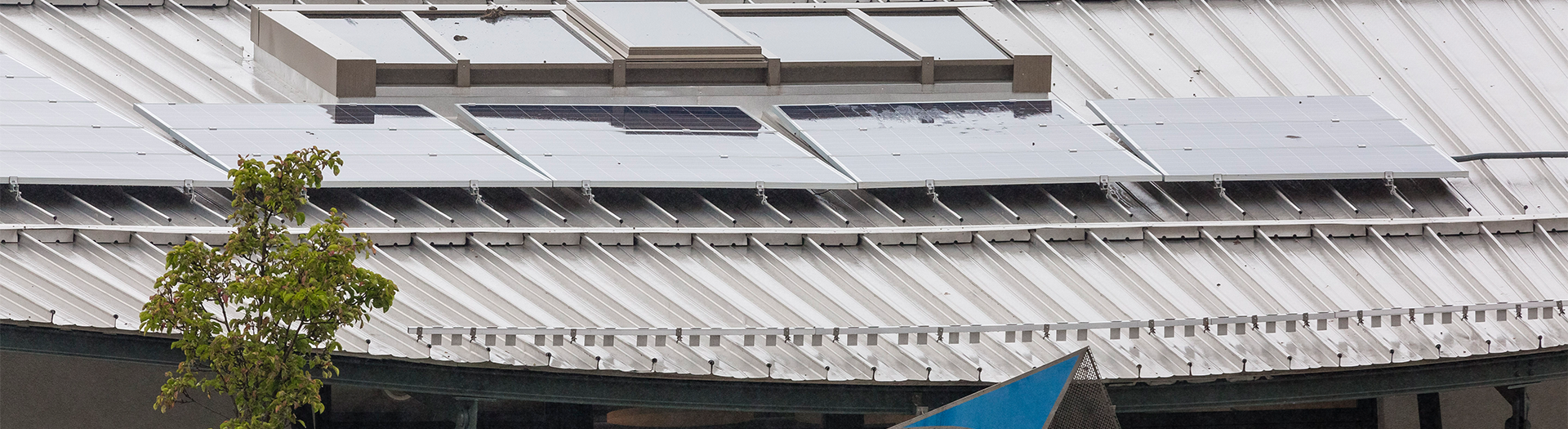
    One of our engineers assessing the existing solar system at Darwen Leisure Centre

    Solution detail

    What this project does is allow us to survey each building, looking for opportunities to upgrade their heating systems and controls to make them more efficient, which will also save them money on their energy bills. We’ll be investigating everything from draught proofing and insulation, through to rooftop solar panels and heat pumps and at the end of the project the council will have a roadmap of the opportunities available to them on their journey to being carbon neutral.”

    David Wilkinson, Vital Energi’s Design Director – Pre-construction

    The council has chosen 13 of their buildings for the project and Vital Energi have undertaken in-depth surveys to identify the best options which could reduce carbon emissions by hundreds of tonnes per year. Buildings include:

    • 10 Duke St, Blackburn
    • Blackburn Central Library
    • Blackburn Market
    • Blackburn Museum and Art Gallery
    • Blackburn Sports & Leisure Centre
    • Blackburn Town Hall
    • Darwen Leisure Centre
    • Darwen Town Hall
    • Blackburn Enterprise Centre
    • King Georges Hall
    • Witton Park Arena
    • Darwen Town Hall
    • Darwen Library & Theatre
  • Bridging The Welding Skills Gap – Ensuring UK Can Meet Net Zero Targets

    Bridging The Welding Skills Gap – Ensuring UK Can Meet Net Zero Targets


    Bridging The Welding Skills Gap to Ensure the UK Can Meet its Net Zero Targets

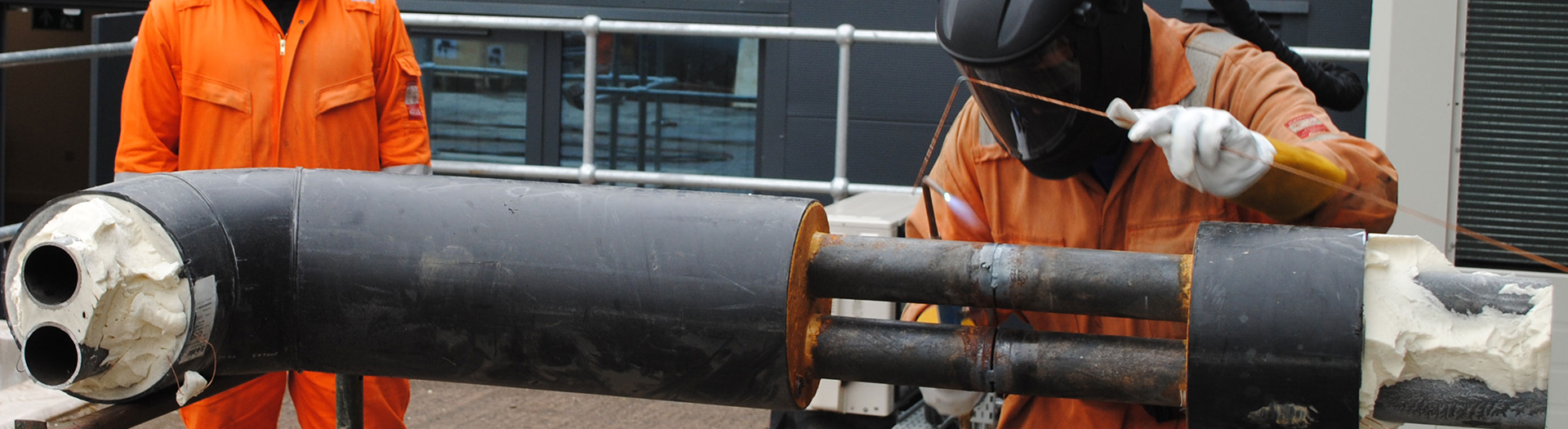
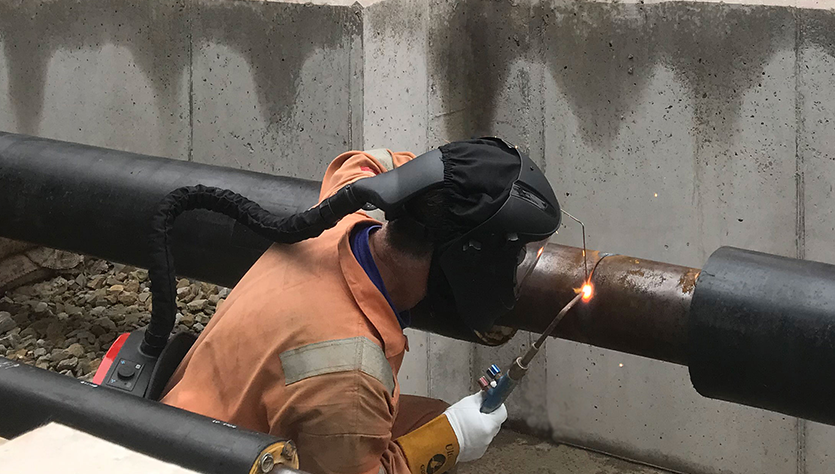
    Vital Energi have dual trained their first crop of welders in the essential skills of both arc welding & oxyacetylene welding needed to deliver small & large diameter district heating pipework.

    Whilst steel district heating mains are predominantly welded using Arc welding, pipework of 100mm or less must use differing methods due to the wall thicknesses of the steel pipe work. Oxyacetylene welding is a preferred method for this for pipe sizes 100mm and below, and the number of trained operatives in this area has dwindled in recent years, alongside the overall number of welders in the UK declining by a quarter over the last five years.

    As welders with the necessary skills are no longer available in the numbers required, Vital created a training programme at their £2m training academy to upskill their existing workforce with the necessary skills.

    Ashley Walsh, Vital Energi’s Managing Director of Heat Networks explains, “Oxyacetylene welding has been in decline, as a skill, for a while, which is worrying as we believe Heat Network Zoning will see a significant increase in the amount of district heating being installed, and this is a necessary skill for successful delivery.  If this continues it will create a skills gap which will be a genuine barrier to the UK delivering heat networks and meeting its net zero targets.

    “The only way to address this is for organisations to take responsibility and train employees in the essential skills they will need to deliver heat networks to the high standard required for what is an essential part of the UK’s energy infrastructure.”

    The training sees Vital’s employees undertake a 6-month training course under the guidance of an experienced welding tutor and, after passing practical exams at an independent UKAS testing house, become accredited to perform oxyacetylene welding.

    We continue to see an aging workforce when it comes to welders for pre-insulated steel pipes which truly brings the impending skills gap into focus and, unless we address it, we will see the industry fighting over an ever-decreasing skills pool and struggling to deliver district heating projects. This would be a disaster for the UK as we’ve seen the positive impact heat networks can have on city-wide projects such as Torry, Manchester, Liverpool and Leeds to name a few.

    Dave Hutchinson – Vital Energi, Operations Director – Heat Networks concludes,

    Mr Hutchinson continues, “There has been some outstanding work done to create high standards for the industry, such as the Heat Network Code of Practice and the work being done through the Heat Network Technical Assurance Scheme, but this will only have an impact if operatives have the skills necessary to deliver a quality install and we are confident that graduates from our training course will have these skills.”

    The first graduates from the project are now working to install major heat networks throughout the UK and we look forward to expanding the training to more Vital Energi employees.

    Ashley Walsh is Vital Energi’s Managing Director for Heat Networks and has been instrumental in delivering some of the UK’s largest district heating projects, including the Queens Quay, Liverpool Waters and Leeds PIPES.  David Wilkinson, our Design Director sits on the Heat Network Technical Assurance Scheme Steering Group and has decades of overseeing the design of major UK heat networks and energy centres.  Both sat down with us to discuss the key considerations for delivering heat networks and if you’d like to see the conversation, click here.

  • Apply to become a net zero apprentice and unlock your future

    Apply to become a net zero apprentice and unlock your future


    Apply to become a net zero apprentice and unlock your future

    Applications for our next intake of apprentices are now open!

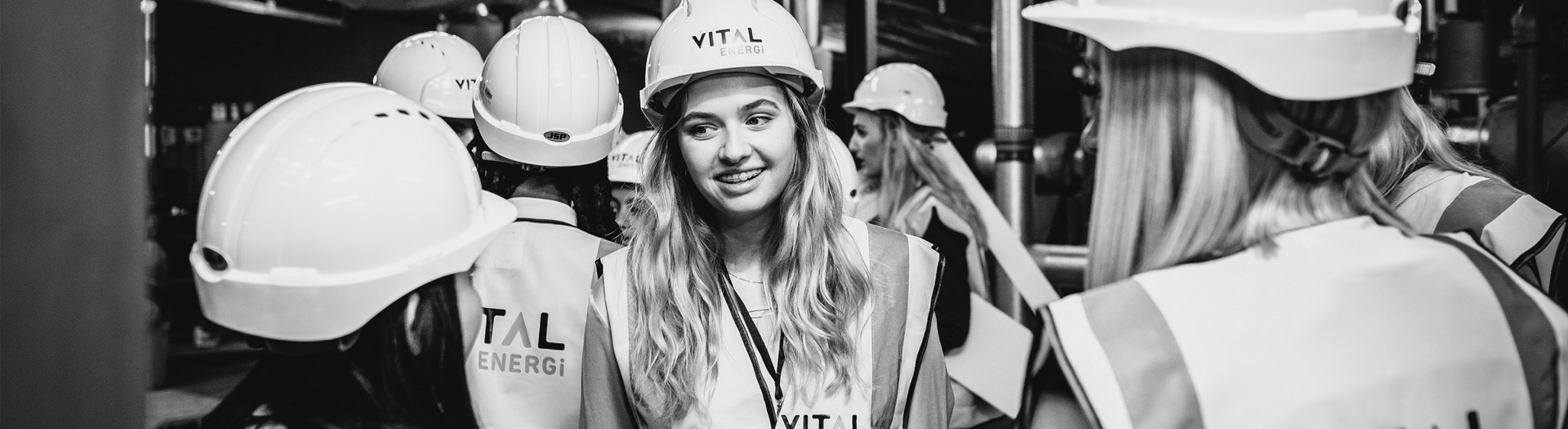
    We’re holding two open days during National Apprenticeship Week where students and school leavers are invited to our Blackburn headquarters. They’ll be able to see the offices and facilities, and chat to current apprentices and staff to gain insight into not only the different apprenticeships on offer, but what it’s like to work at Vital Energi.

    The open days are taking place on Tuesday 11th February from 4 – 7:30pm, and Thursday 13th February from 9:30am – 4pm.

    We welcome anyone who is passionate about working on innovative projects that tackle harmful carbon emissions and make a real difference in the world. We’d love you to join us in our mission to protect our planet for future generations.

    Our open days involve:

    • Touring our state-of-the-art training centre
    • Listening to industry experts about the diverse projects we deliver
    • Participating in STEM activities
    • Connecting with current apprentices to gain valuable insights into life at Vital Energi

    There are many apprenticeships on offer, from our award-winning net zero apprenticeship programmes, energy modelling, and finance, to business admin, and HR.

    This is truly an exciting and growing industry to be a part of. Not only will you get to work with the latest technologies, and work with industry leaders who are developing groundbreaking tech and IP to transform energy generation and storage, you’ll help different sectors on their transition to net zero. Sectors we work with include healthcare, education, industry, commercial, new build, and existing residential.

    As exciting as our projects are, it’s the people who make Vital Energi special and you’ll get to work alongside nationally renowned experts with decades of experience and learn from the very best the industry has to offer.

    “Kickstart your career with an apprenticeship at Vital Energi, where you’ll gain hands-on experience working on sustainable and renewable energy projects that are shaping our future. Becoming part of the Vital Family alongside 61 other apprentices, you’ll play a key role in delivering innovative solutions that drive the UK’s journey to net zero. Join us and be part of a company that’s not just building careers, but building a greener, more sustainable world. Your future starts here!”

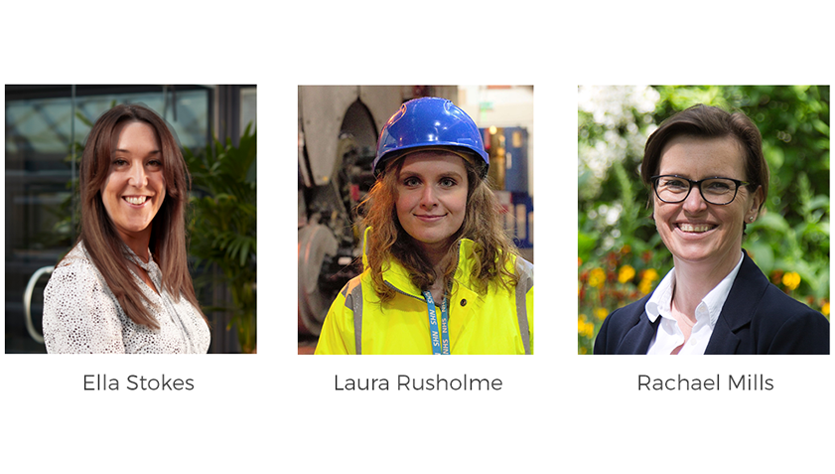
    Ella Stokes, Vital Energi’s HR & People Director

    Our net zero apprenticeship programmes will take apprentices on an energy journey where they will learn and work within the renewable energy and heat network sectors.

    We’re delighted to be collaborating with Salford City Council, where our net zero apprentices will complete their curriculum learning.

    Allan Milne, Director of Apprenticeships & Employer Engagement at Salford City College Group, said:

    “Apprenticeships are an excellent way to launch a successful career in the growing green energy sector. At Apprenticeships at Salford City College, our partnership with Vital Energi ensures that apprentices receive high-quality training from day one, working alongside industry experts on real-world sustainable energy projects. With dedicated support from the college, apprentices gain invaluable skills, achieve industry-recognised qualifications, and build a future-proof career that makes a real impact on the journey to net zero.”

    Net Zero Apprentice, Mia Walker, who is on the technical pathway, started her apprenticeship journey last September and has worked across a number of different departments.

    “For me, a Vital Energi Apprenticeship has given me the freedom to choose my own path within the company. We are able to experience different disciplines within multiple departments, gaining valuable knowledge from experienced colleagues that offer guidance and room for growth. Whether you have your career mapped out or don’t, there are plenty of opportunities here at Vital.”

    If you would like to attend one of our open days, please click here to sign up.

  • Leah Hardaker Named Apprentice of the Year

    Leah Hardaker Named Apprentice of the Year


    Leah Hardaker Named Apprentice of the Year

    We are delighted that 2024 has seen our apprentices continue their award-winning success, with Senior Apprentice, Leah Hardaker claiming the Campbell Cummings Building Services Apprentice of the Year award at Salford City College’s annual apprentice awards.

    Leah has been outstanding since she joined us as an apprentice. It’s been a pleasure watching her confidence grow as her abilities have grown and she is now making a real, positive impact on our Pre-fabrication Team who are instrumental in our decarbonisation projects.

    Jimmy Shuff , Mechanical Installations Manager – Vital Energi

    Leah

    Leah Hardaker was named as an Apprentice of the Year at the 2024 Salford City College Apprenticeship Awards Evening

    Solution detail

    Her Manager continues, “Leah is a great example of an apprentice who joined us with the right attitude, making the most of every opportunity and constantly looking for ways to improve and learn.  We’re delighted that she was named as an apprentice of the year and look forwards to great things from her.”

    Leah is just one of our apprentices to win an award, with other successes including the CIBSE apprentice of the year, BESA apprentice of the year and the Ken Dale Bursary.

    If you’d like to follow in their footsteps and join Vital Energi as an apprentice then you can find out more about our craft, technical and business apprenticeships here. 

  • Back to School for Vital Staff with Triple Outing

    Back to School for Vital Staff with Triple Outing


    Back to School for Vital Staff with Triple Outing

    We love taking the opportunity to meet youngsters to discuss climate change, the work we do to combat it and the various career paths available in the green energy sector. November was a particularly busy month with our staff getting invited to three schools across England and Scotland to deliver climate education talks.

    Our Project Director, Hugh Thompson and Proposals Manager, Gemma Dyson travelled to St John’s Primary School in Blackwood, Scotland to meet a group of 20 pupils aged 9-11 and talk about global warming and ways to join the future green workforce.

    The pupils at St John’s were so polite and really engaged in the session. We talked about what they could do to help tackle climate change and they had loads of great ideas from sustainable fashion to vegetarianism. Lots of them have started already. If these pupils represent their generation, our future is in safe hands.

    Gemma Dyson, Proposals Manager – Vital Energi

    Richard Houghton returned to Bolton School, where he had previously studied, to address a lunchtime audience of years 10-13 and talk about careers in electrical engineering. Richard talked about studying for a degree, the importance of the right work placements and the work he does now with 3-D models, diagnosing problems and finding ways to solve them.

    Our third visit involved Design Director, Operations North & Scotland, Lee Moran, who attended St Bede’s in Lytham, where he spoke at a careers provision event and discussed the wide variety of roles and pathways into the future green workforce.

    We’d like to thank all the schools who made our staff feel so welcome and the students for their engagement and enthusiasm.

    School Visit Bolton School

    Bolton School students

    Solution detail

  • A Glowing Example of Green Energy

    A Glowing Example of Green Energy


    A Glowing Example of Green Energy

    With almost 20 years’ experience in solar energy, Vital Energi’s Pre-Construction Manager, Giles Barker, gives us an insight into how solar technologies can provide organisations all over the world with a bright and sustainable future. 


    Why did you choose to specialise in solar?
    I first installed solar panels in 2004 during a social housing development project, and really liked the idea of residents being able to save money on energy costs and benefit from free electricity, and properties as a whole being more self-sufficient. I enjoy thinking outside the box to overcome different challenges when improving energy efficiencies, introducing solutions which will truly benefit the client. Solar energy is good for the planet too, so I’m passionate about introducing it wherever I can.

    What are the main advantages of using solar?
    Using solar energy reduces your dependence on the grid and fossil fuels. It’s a mindset. It also saves you money, a fair amount depending on your system size. It reduces carbon and your carbon footprint, and once installed, it’s low maintenance and there are minimal running costs.  

    How does solar benefit the environment?
    It’s a renewable source of energy, so it won’t run out, plus it’s environmentally friendly because it doesn’t generate greenhouse gases. Renewable energy technologies help reduce your carbon footprint, meaning you’ll personally be doing your bit for the environment.
     

    Can you share any surprising facts about solar? 2 facts!

    • 90% of the aluminium frames are produced from recycled materials.
    • Installed product prices have reduced by 75% in 10 years approximately.


    Do solar panels still work on cloudy days?
    Solar panels work all year round. It’s actually radiation from the sun, rather than temperature, heat or direct sunlight, that enables solar PV panels to generate electricity. The most optimum conditions are surprisingly on a sunny winter’s day, because cold temperatures help solar panels convert energy more efficiently.

    How does Vital make use of solar panels?
    At Vital’s HQ in Blackburn, there are 264 solar panels on the roof which power the fleet of electric vehicles. Many of the company vehicles are electric and there is the facility to charge 22 vehicles at once. So far, the solar panels have powered over 400,000 electric miles, saving 8,000 gallons of fuel, which is really impressive!

    Does solar PV work best as a standalone energy source or combined with other technologies?
    Solar PV works very effectively both independently and connected to further technologies. It works incredibly effectively with both Air Source Heat Pumps and Ground Source Heat Pumps.

    Do solar farms pose an environmental threat?
    There is a common misconception that solar farms pose environmental challenges, however when installed correctly, they can have a positive impact on the surrounding land. For example, the land where solar farms are located can be used for active grazing, and the solar panels create man-made shelters for livestock, which stops them overheating during summer months.


    Have you introduced any unique techniques to add value to solar projects?
    Yes, bee bombing! Not all fields have to be mowed, so I have introduced wildflower meadows to fields where we’ve installed solar farms. The beauty of wildflower meadows is that the flora and fauna grow to roughly the same height as the solar panels, so they don’t affect efficiencies. This of huge benefit to the environment, as the world is short of bees (mother nature’s gardeners), and these meadows provide a feast for them.

    What advice would you give to an organisation who are considering going down the solar route?
    Listen and take advice from experts and people who have experience in solar energy. Think about how solar can work with other low carbon technologies such as battery storage and heat pumps to provide more significant benefits.  If it’s installed properly, you can reap the benefits for many years.


    What kind of solar projects has Vital been involved in?
    During my time here at Vital, we have delivered a broad range of solar schemes from freestanding solar farm projects and private wire schemes, to on roof schemes delivered as part of larger projects. It’s fair to say Vital Energi can deliver it all.

    If you would like to know more about how you can benefit from solar technologies, don’t hesitate to get in touch.

  • A new era for heat: Queens Quay heat pump

    A new era for heat: Queens Quay heat pump


    A new era for heat: Queens Quay Heat Pump System

    A first for the UK – A new way of generating heat

    Queens Quay 25

    While there is considerable enthusiasm for large-scale water source heat pumps for new-build projects, they aren’t always considered as suitable for retrofit buildings with traditional secondary side heating systems. With correct design, however, they are an intelligent solution for most projects or – as in the case of the Queens Quay project, commissioned by West Dunbartonshire Council – a mixture of new-build and retrofit connections.

    The Queens Quay energy solution has two 2.65MW ammonia water source heat pumps, built by Star Refrigeration, and a 130m3 thermal store at the heart of the low carbon system. This provides around 80% of the 51,000MWh annual heat demand, with the remainder supplied by backup, gas-fired boilers. There is also scope for two heat pumps to be added as the build out progresses and the heat demand increases.

    The colourfully lit chimney contains the heat pump ventilation system and includes the emergency ammonia purge system, which ensures there is adequate dispersion and no impact on locals in the event of a leak. Three boiler flues also terminate in the chimney.

    A riverwater abstraction system has been installed at the Queens Quay Basin, which takes water from the river Clyde and circulates it through the heat pumps, before returning it to the river, with a stipulation that it cannot be returned more than 3K cooler than its original abstraction temperature.

    The heat pump converts the latent heat from the river into low-temperature hot water, which is distributed via a 1.5km district heat network serving the 23-hectare development. It will eventually serve 1,200 homes, and the associated infrastructure needed to support them, such as health centres and commercial facilities.

    Solution detail

    Delivering a hybrid district heating system

    Vital Energi Energy Generation Banner 2021 Queens Quay (1)

    While the heat pumps were capable of supplying heat at 80°C+, there was strong motivation to lower the low-temperature hot water (LTHW) flow temperature as much as possible, because every 1K reduction resulted in an increased heat-pump efficiency of 1.5%. This created a dilemma for the designers, who would need to keep temperatures relatively high to meet the needs of the existing buildings, but low enough to get maximum efficiency from the pump.

    Historical heating systems served by gas boilers operate on 82°C flow and 71°C return temperatures, meaning primary flow temperatures of up to 90°C are commonly used in district heating schemes to satisfy this requirement across a hydraulic break, such as a plate heat exchanger.

    A detailed review of the existing systems concluded that these buildings can operate at 75°C flow and 60°C return, while new buildings have been designed to operate at 70°C and 45°C return. Weather compensation can reduce summertime temperatures for further efficiency benefits.

    The flow temperature has to be high enough to meet the needs of the four retrofit buildings but, as these constitute 10% of the demand, they don’t influence the overall network distribution temperature too much and we can still prioritise overall system efficiency.

    If the balance of loads tended towards a higher retrofit percentage, then the reciprocal would be true. However, reduction in temperature via weather compensation is important to ensure the system can satisfy the domestic hot-water production, as well as any specialist needs, such as healthcare pasteurisation.

    With this blend of new-build and retrofit, our designers achieved a coefficient of performance of 3.1, making it considerably more efficient than traditional solutions, such as gas-fired boilers or combined heat and power.

    Solution detail

    Building the data model

    Queens Quay Pump Delivery 115

    Initially, the development had the following anchor-load buildings: the Aurora Building, Clydebank College, Titan, a leisure centre and the Queens Quay Care Home. It will create new-build properties, such as 1,200 homes, but there is an opportunity to incorporate significant existing building stock going forward.

    Predicting the energy demands of a development is difficult, but necessary because it dictates the sizing of the plant, equipment and district energy network. For new-build connections, understanding the heat demand based on building designs is relatively straightforward – by looking at U-values, for example – but occupants can use energy in a variety of ways, which affects their annual energy demand and profile.

    Energy data for existing buildings is seldom available in the granularity required to build detailed energy profiles, so calculations often incorporate experience to find a solution with inherent flexibility that can deal with all possible scenarios.

    Understanding peak loads to size energy-centre plant is something all district energy designers must consider. The real challenge, however, is understanding the diverse energy profiles across the network to select the most appropriate water source heat pump and thermal storage, to achieve a significant heat fraction.

    This means accurately predicting the energy demands for all connected buildings, plus the diversity across the network. Without these, the water source heat pump could have been sized incorrectly: too large and it would not operate efficiently; too small and the carbon savings would not be achieved.

    Solution detail

    A flexible solution

    Graph

    Designing new buildings and properties to connect to a district energy system, which operates at lower temperatures, is relatively straightforward. Building Regulations have helped reduce the heat losses from buildings by improved U-values and lower infiltration rates – all of which means thermal comfort can be achieved with lower temperatures.

    Existing buildings, particularly ageing ones, usually have higher heat losses and infiltration rates, so higher temperatures are required to achieve the same thermal comfort levels.

    Connecting these buildings to a network with lower operating temperatures can only be done after a full evaluation of space-heating emitters – such as radiators, fan coil units and air handling unit coils – to ensure heat losses are achieved.

    While it wasn’t necessary on the Queens Quay project, improvements to building fabric, such as insulation and replacing single-glazed windows with double-glazed ones, can help with reducing heat losses and is often a sensible place to start.

    Often, older LTHW systems have constant-volume pumps controlled via 3-port valves. This can lead to high return temperatures to the energy centre and to the system not performing as designed, or turning off. This, in turn, can result in increased network losses and higher contribution from gas-fired boilers.

    Converting these 3-port systems to 2-port ones, employing pressure independent control valves, ensures good control and low return temperatures, although there will generally need to be a change in pump-control philosophy, from constant volume to variable volume, often requiring the introduction of inverters to all pumps.

    Another consideration is domestic hot water. CIBSE/Association of Decentralised Energy Heat network code of practice (CP1) has recently reduced the temperature required within residential properties.

    However, commercial and healthcare buildings have different temperature requirements and these influence the minimum network temperatures. This is particularly applicable to the summer operating condition, ie the minimum weather compensated temperature.

    Solution detail

    A heat pump-ready HIU

    Queens Quay Vtherm 051

    Many traditional heat interface units (HIUs) do not have the ability to operate efficiently at lower temperatures. While the Queens Quay development would have flow temperatures of up to 80°C, this would be a rarity, and in the warmer summer months – when there is little heating demand – it would be dropped as low as 60°C.

    To deliver efficiency over these parameters, it was necessary to design a heat pump-ready HIU, with an intelligent core, that could monitor the changes in flow temperature and the domestic hot-water temperature, and compensate to ensure optimum performance.

    Vital Energi spent two years developing the vTherm°e HIU to meet these requirements. While it was designed with the next-generation district heating systems in mind, it can perform efficiently at higher temperatures.

    This, combined with its ability to react to temperature changes, means it will stay optimised as the flowrates change throughout the season, giving real-time optimisation to the project.

    Ian Spencer, associate design director, says: ‘Reduced temperatures mean reduced losses – and, while losses created by an individual HIU are comparatively small, when you multiply this by 1,200 and operate them over a 20-year period, it can deliver significant savings in operating costs and carbon.’

    If you’d like to learn more about the energy management system at Queens Quay you can read the case study here.

    Solution detail

    Retrofit and new-build performance

    A review of a building’s energy system is essential to understand the changes needed to make it compatible with a lower-temperature district energy system. This, combined with a survey of historical energy consumption, begins to paint a picture of what is necessary, but historical oversizing of heat emitters and antiquated controls systems can actually provide a benefit, as they reduce the need to change the secondary side heating system.

    Improved standards and advances in technology mean buildings that are only years old can compare poorly in relation to current buildings. The Queens Quay development has buildings that are a few decades old, but because of their fabric construction and existing heating system design, we need to be able to deliver flow temperatures of 80°C and return temperatures of 60°C.

    On the new buildings, where we can have an input on design, we can deliver 70°C flow and 45°C, resulting in lower temperatures and a higher temperature differential.

    Retrofits require more consideration in the design process, but we believe Queens Quay demonstrates that heat pumps are viable for buildings of all ages. Lowering temperatures, while improving insulation, emitters and controls, can be an extremely efficient energy solution.

    If you’d like to learn more about the Queens Quay energy project then please visit our case study page here.