Category: Uncategorized

  • Vital Energi to Help Network Rail Meet Net Zero Targets

    Vital Energi to Help Network Rail Meet Net Zero Targets


    Vital Energi to Help Network Rail Meet Net Zero Targets

    Vital Energi are delighted to have been appointed to Network Rail’s new decarbonisation framework. Network Rail are undertaking a decarbonisation programme which will make a strong contribution to meeting its carbon reduction target of being net zero by 2050 (2045 in Scotland) as part of the Government’s Road to Zero Strategy.

    Vital have been appointed to the ‘Upgrades to Heating and Cooling Systems’ category of the framework which will see energy improvements delivered across Network Rail’s built assets in all UK regions.  Network Rail have already completed 150 energy audits which have identified opportunities to reduce carbon and energy usage.

    This is a very exciting opportunity to work with one of the UK’s largest, best known organisations to decarbonise their assets and make a real impact on the UK’s green infrastructure. Network Rail have set some challenging targets, and now we are successfully on this framework we’re ideally placed to help them drive down their carbon emissions through improving their heating and cooling infrastructure.”

    Gemma Dyson, Vital Energi’s Proposals Manager

    These potential projects can include energy conservation measures, such as insulation and improvements to pumps, sensors and building energy management systems as well as upgrading current heating systems to air and ground source heating pumps.

    Vital Energi has been appointed to the “Upgrade Heating & Cooling System” section of the framework which will last for 5+ years.

  • Vital Energi light the path to net zero for Affinity Water

    Vital Energi light the path to net zero for Affinity Water


    Vital Energi light the path to net zero for Affinity Water

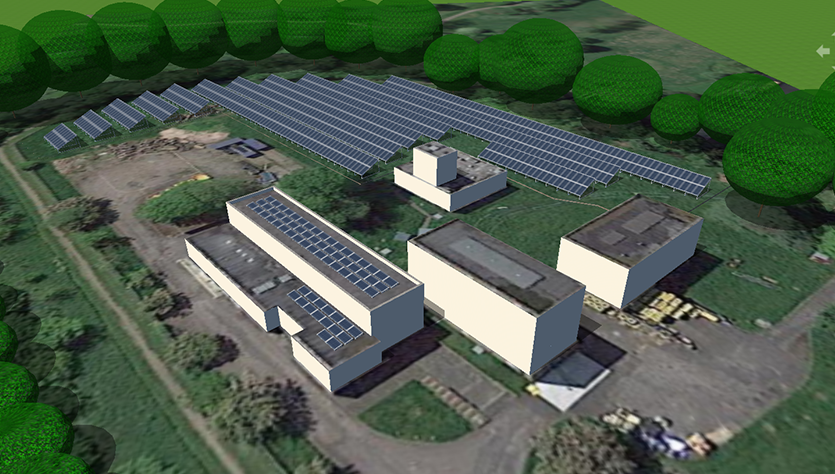
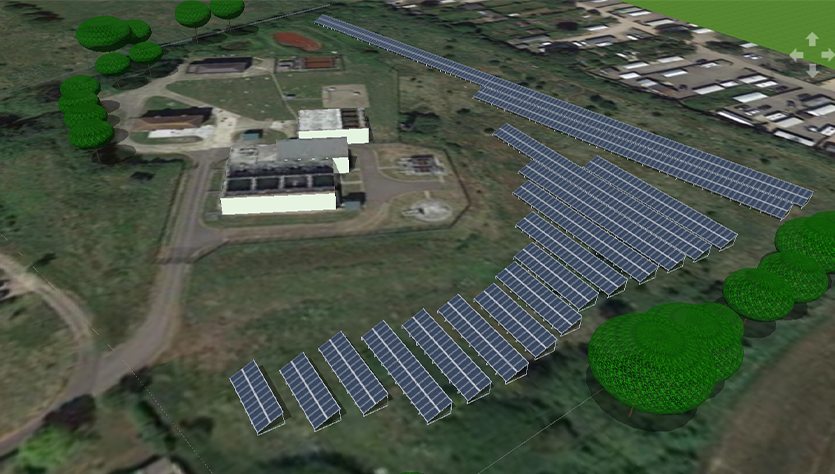
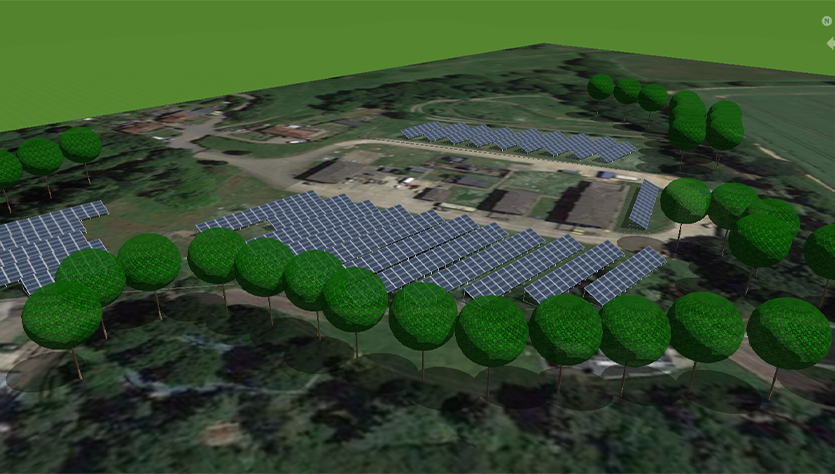
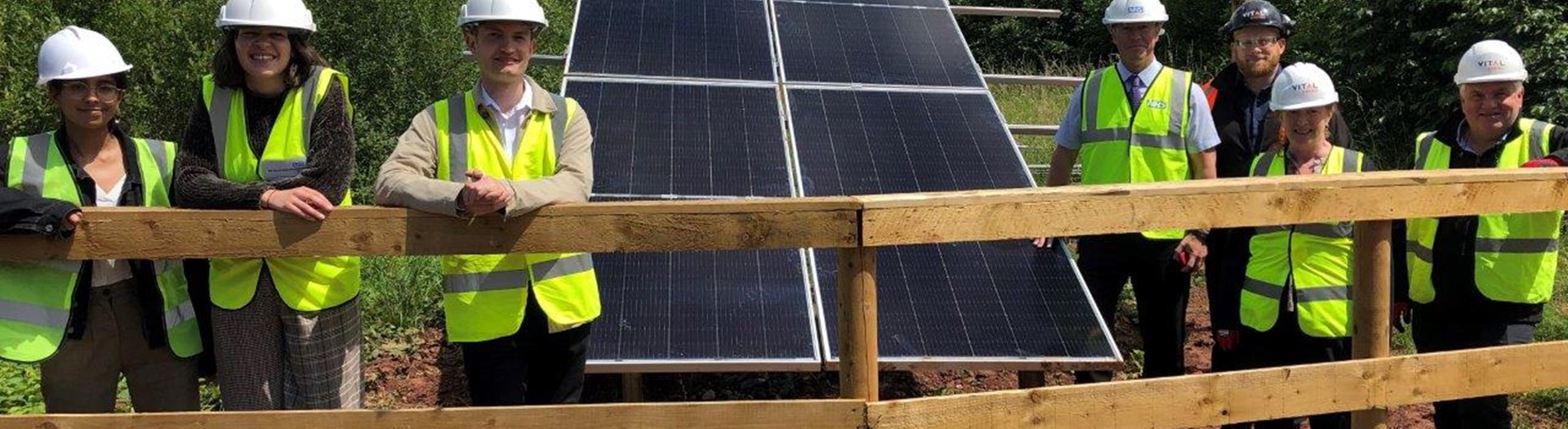
    As part of their ambitious plans to be net zero by 2030, Affinity Water have appointed Vital Energi to install solar across 4 of their sites in London and the south of England, in a contract initially worth £3.9m.

    Affinity Water supplies an average of 950 million litres of water each day to 3.8 million people across the south, and they are committed to reducing their carbon footprint and achieving net zero operational carbon emissions by 2030, partly through the installation of renewable technologies.

    There are plans in place for the scheme to significantly grow too. A total of 37,000 panels are set to be installed which will generate 23.5MW of renewable energy a year to help power 28 of Affinity Water’s pumping stations across the south of England, which will result in energy savings of up to £2.8m a year.

    We’re delighted to be helping Affinity Water on their decarbonisation journey through the installation of solar across their sites. Due to the nature of their business, Affinity Water are high energy users, however as their pumping stations sit on large areas of land, harnessing solar energy is the perfect solution to kickstart their move towards decarbonisation.

    Rob Callaghan, Managing Director, Vital Energi’s London division

    The project will also guarantee savings of 2,584 tonnes of carbon in the first year, which is the equivalent of taking 2,900 cars off the road, 33 million miles driven by petrol cars, or planting 222,000 trees.

    Once complete, the solar is expected to generate electricity in the region of 19 GWh per year (19,000,000 kWh) and will run for a minimum of 25 years, accumulating significant savings over the lifetime of the project at an estimated total project cost of £25m.

    Solution detail

    Energy is the second largest cost to our business and has increased significantly in recent months due to global supply factors, it is also a significant contributor to our carbon footprint. This cost pressure alongside the need to transition to a Net Zero business by 2030 means that saving energy is essential for our business both now and into the future. Our plans will look at our asset infrastructure, improve our energy data and insight, and build resilience while developing our people and culture.

    Ben Hayward , Affinity Water’s Programme Delivery Manager

    The project will see the installation of both ground and roof mounted solar arrays, along with new and upgraded electrical infrastructure, and will deliver a net gain in biodiversity of 10% through species habitat enhancements. All the work is being undertaken in accordance with the requirements of the water industry, with engagement of local residents and considerate construction methods.

    Construction is due to begin in June.

  • Gloucestershire Royal Hospital takes a step closer to net zero

    Gloucestershire Royal Hospital takes a step closer to net zero


    Gloucestershire Royal Hospital takes a step closer to net zero

    Vital Energi are implementing a range of low-carbon energy solutions at Gloucestershire Royal Hospital in an £11.2m contract which will reduce Gloucestershire Hospitals NHS Foundation Trust’s carbon footprint by approximately 1,400 tonnes a year and deliver financial savings.

    As well as being the most visible part of the hospital site, the 11-storey concrete Tower Block building, which was built in the 1970s, is one of the most visible buildings in Gloucester, dominating the skyline.

    Vital Energi are carrying out comprehensive upgrades to the external fabric and windows of all four sides of the Tower Block, from the ground floor up to the 11th floor, which will significantly reduce heat loss through the building fabric and glazing units, resulting in lower energy usage and reduced carbon emissions.

    The Tower Block upgrade works will enhance the patient and staff experience through increased natural light, improved ventilation, and reductions in external noise levels, and the two-toned façade panelling will drastically improve the aesthetics of the building.

    The existing windows will be replaced with modern, contemporary tripled glazed windows throughout, and the heating systems will be improved too, which will help to optimise the temperature across the building.

    The project also includes the installation of a 200kW air source heat pump, which will provide low carbon heat to the hospital, as well as upgrades to the heating and hot water controls systems which will further reduce energy usage and carbon emissions.

    “We launched our Green Plan last year with the aim of making our NHS hospitals carbon neutral by 2040 in line with national policy. That’s a hugely ambitious goal and this programme is a significant step in that journey.”

    Jen Cleary, Head of Sustainability, Gloucestershire Managed Services

    Development Engineering Manager, Rolf Hudson, is playing a key role in the design and delivery of the project.

    “We’re really pleased to be working on our second round of PSDS (Public Sector Decarbonisation Scheme) projects with the Trust, assisting their journey to net zero carbon by 2040 under a new long-term energy performance contract. We’ve designed an optimum solution which will significantly reduce the hospital’s carbon emissions and energy bills, as well as providing increased levels of staff and patient comfort,” said Rolf.

    “We have an extensive track record of delivering complex infrastructure upgrades within hospital environments, and are working closely with hospital staff to ensure energy services are maintained at all times, and the patient experience is not affected.”

    Deborah Lee, Chief Executive of the Trust, said:

    “We are absolutely thrilled at securing this additional money. This investment will not only provide significant environmental benefits but will also enhance the aesthetic appearance of the Tower Block and bringing with it all those softer associations such as improved morale, staff recruitment and retention and a better public perception of our hospitals.

    “This investment comes on top of an existing capital programme of more than £100m which is enabling us to realise our vision for centres of excellence at our Cheltenham and Gloucester acute hospital sites. We want to provide the very best care possible with patient outcomes as good as anywhere else in the country.”

    The project received grant funding from PSDS Phase 3a and will be delivered through the Carbon and Energy Fund Framework (CEF), which has been specifically created to fund complex energy infrastructure upgrades for public sector organisations.

    The construction and engineering works are due to commence on site in March 2023.

    Read about the first phase of the Trust’s decarbonisation works here.

  • Our work at Berkeley’s West End Gate is complete

    Our work at Berkeley’s West End Gate is complete


    Our work at Berkeley’s West End Gate is complete

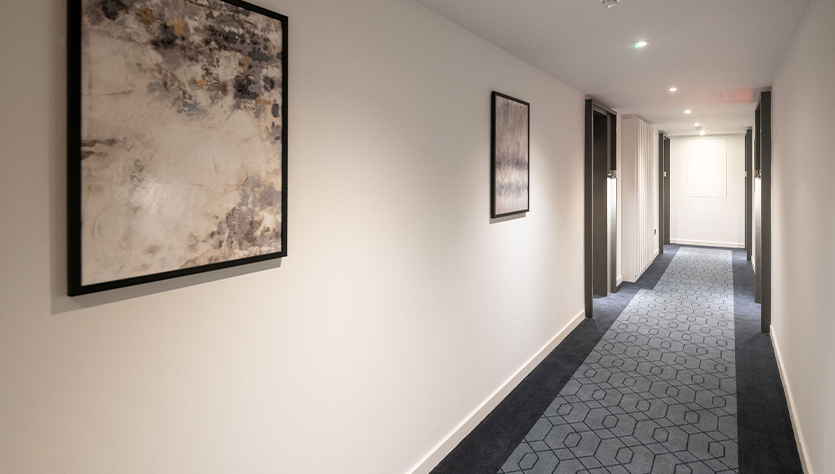
    Work is now complete on our Mechanical Infrastructure and Mechanical Fit Out package for Berkeley’s prestigious West End Gate development, which is situated near Marylebone and Little Venice.

    The development comprises four blocks – B, D, E and F which are part of the Affordable Houses and Asquith House blocks. Blocks B and D contain 108 apartments over 10 storeys, whilst blocks E and F are made up of 108 apartments set over 18 floors. The ground floors of each of the four blocks consist of retail spaces and striking entrance lobbies, and the development boasts first-class resident facilities, including a cinema room, private gym, swimming pool and spa.

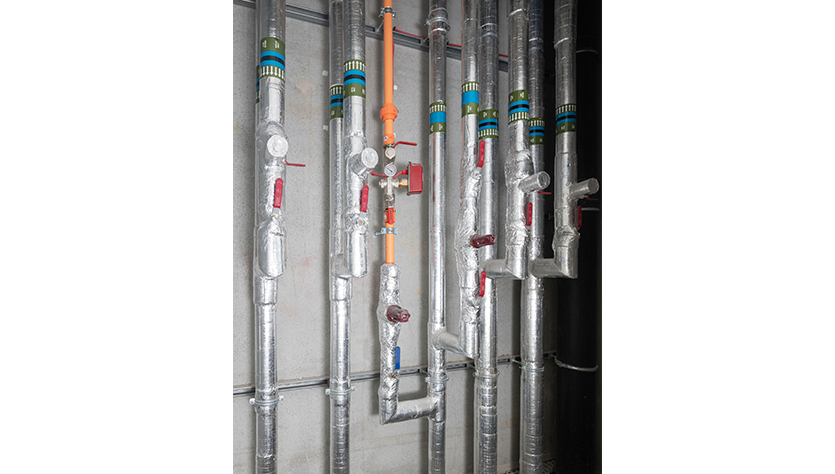
    We delivered essential infrastructure and apartment fit outs across each of the four blocks, which included the installation of low temperature hot water and boosted cold water services within each property, fitting of Heat Interface Units (HIUs), along with chilled pipework, flat duct, internal plumbing, and sprinkler pipework. All wet riser systems, fire stopping systems, and smoke extracts systems have all been fitted and tested t

    “I am delighted that we have completed another of Berkeley’s mixed-use developments which provides much needed residential and commercial space within the heart of London. Berkeley is a long-standing client of ours and we are proud to have been involved in the mechanical and apartment fit out at West End Gate.”

    Rob Callaghan, Managing Director, Vital Energi’s London division

    Apartments have now been handed over to Berkeley Homes, and residents have turned each dwelling into a home.

  • Vital Energi accelerate Northwick Park Hospital’s journey to net zero

    Vital Energi accelerate Northwick Park Hospital’s journey to net zero


    Vital Energi accelerate Northwick Park Hospital’s journey to net zero

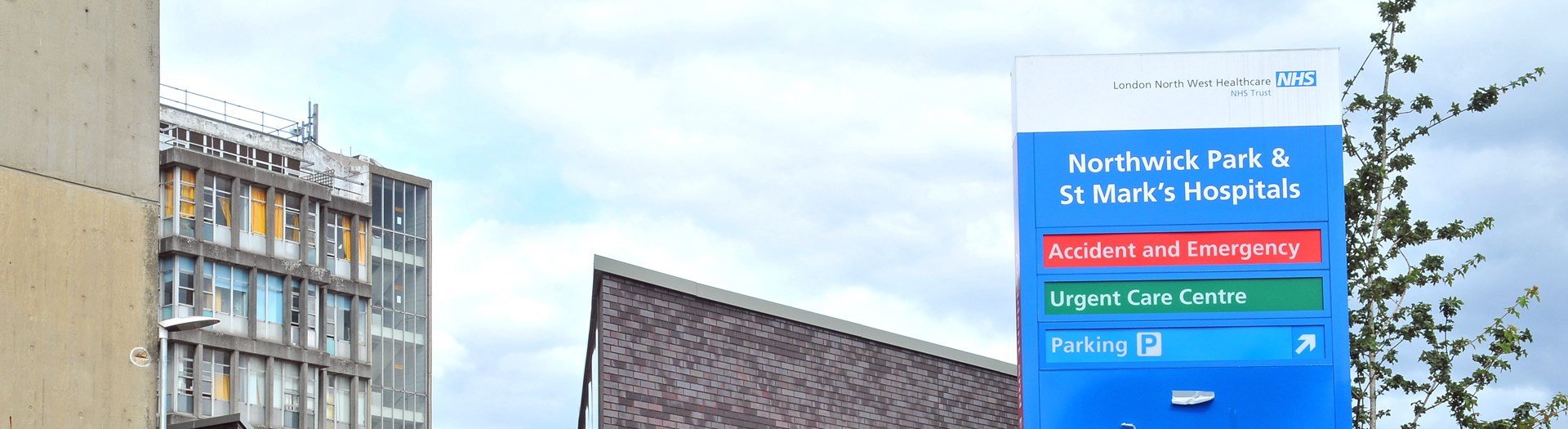
    Vital Energi are delighted to have secured a contract with London North West University Healthcare NHS Trust to guarantee savings of £1.9m a year and significantly reduce carbon emissions at Northwick Park Hospital. 

    The 15-year performance-based contract will see the implementation of a self-funding fully integrated energy solution, which includes the conversion from the existing steam heating system to a Low Temperature Hot Water (LTHW) distribution infrastructure. This will be supplied by a modern highly efficient gas fired combined heat and power unit, complete with a selective catalytic reduction system, LTHW boilers and solar photovoltaic arrays.

    This solution is further enhanced via the introduction of an innovative combination of water and air sourced heat pumps and a battery energy storage system, which will help create a smart grid from which the local community will benefit, together with a range of Energy Conservation Measures (ECMs) funded by the Public Sector Decarbonisation Scheme (PSDS).

    Building on their extensive track record of delivering future-proof energy solutions within major acute hospital environments throughout the UK, Vital will deliver ECMs such as a 643kWp solar PV array on the roof, optimisation and upgrades to the existing Building Management System, pipework insulation, and the retrofit and upgrades of existing air handling units and chillers, all specifically designed to reduce the energy consumption and the overall carbon emissions of the Northwick Park Hospital.

    The PSDS funding, which is administered by Salix on behalf of the Government’s Department for Business Energy and Industrial Strategy (BEIS), was secured through the combined efforts of the Trust and Vital Energi teams working together to submit a complex application within an extremely challenging timeframe.

    “Having supported the Trust through their PSDS application, we’re proud to have designed an optimum energy solution which aligns with the aspirations for the future development of the hospital by providing space within the energy centre to introduce additional energy technologies. As well as guaranteeing a significant reduction in carbon emissions along with substantial financial and energy savings, we’re working alongside hospital staff to ensure energy services continue as normal and the patient experience is not affected.”

    Ashley Malin, Managing Director of Vital Energi Solutions

    Mark Trumper, Director of Estates & Facilities at the Trust, said:

    “The financial savings and the eradication of high-risk backlog maintenance cannot be underestimated at an NHS Trust, however we are extremely proud to be part of a team that will save 2,500 tonnes of carbon every year in London.

    “This was only deliverable through complete collaboration, an innovative commercial model to maximise value, and an expedited project delivery within a long-term partnering arrangement.”

    The Project Development Team at Vital Energi  have a proven track record of successfully delivering highly complex and fully integrated energy solutions to both private and public sector customers throughout the UK, including site specific energy generation schemes similar to the solutions for Northwick Park hospital.

    Vital Energi are delivering the project through the Carbon and Energy Fund Framework, which has been specifically created to facilitate energy infrastructure projects for public sector organisations.

  • Vital Energi achieve project success through full RIBA design offering

    Vital Energi achieve project success through full RIBA design offering


    Vital Energi achieve project success through full RIBA design offering

    The design stage is crucial for a successful construction project, and Vital Energi are delighted to offer a complete design process across all RIBA stages to help organisations achieve their energy ambitions.

    By influencing key decisions made early on in the design process, the team at Vital ensure buildings are designed in an optimum way by working alongside M&E consultants, sustainability consultants, structural engineers, and architects, to ensure clients benefit from design efficiency from the beginning.

    Vital have recently been working with one of the UK’s largest developers, Taylor Wimpey, on their Hepscott Road project in Hackney Wick, which comprises 145 apartments and 23,820 sq. ft of commercial space.

    Early involvement in the project from RIBA Stage 2 has allowed Vital to work with the architects at the pre-planning stage, influencing key decisions and providing optimal support to Taylor Wimpey.

    Spatial provisions, such as the location of HIUs and utility cupboards, rooftop plant areas, riser sizes, ceiling void depths, and energy centre plant areas have been determined. These key considerations provide the architect with valuable information to ensure the building works get the best out of the heat network.

    “The introduction of Vital Energi at concept stage has been invaluable. Design input has been consistent, and the Vital team have fully integrated with the design team to make the process efficient and successful.”

    Amanda Daly, Senior Technical Manager for Taylor Wimpey London

    Elliott Sharpe, Vital Energi’s Design Director, said:

    “It’s great to be able to share the company’s experience from design, installation and operation of heat networks with the project design team and clients at such an early stage of a development. Not only does the professional team benefit, but so does the end customer through the creation of an efficient, low carbon heat supply.”

    With over 30 years’ heat network experience, Vital Energi’s design team specialise in creating robust and creative energy generation, distribution and conservation solutions of all sizes for small to large scale projects across all sectors, and are proud to have developed schemes for over 83,000 properties and installed upward of 30,000 HIUs.

    The Vital team can share their knowledge at any stage of the design process, however by RIBA Stage 4, many of the key decisions have already been made, some of which may be irreversible, such as defining the energy strategy, size and location of the energy centre, number and size of risers required, and the optimum district heating route. If the initial concept needs reworking, this can cause project delays, redesign work and additional cost.

    Having a heat network specialist on board from the early stages also integrates Vital’s experience of installation, ESCo services, metering & billing, and operation & maintenance into the design from day one.

    If you’re based in the South and would like to see your energy ambitions become reality, please contact Elliott at [email protected].

  • Vital Awarded Contract to Drive Smart Tariff Innovation


    Vital Awarded Contract to Drive Smart Tariff Innovation

    Vital Energi are leading a consortium of experts to drive innovation in the development and support of smart tariffs.

    Smart tariffs today are energy tariffs which vary depending on when energy is consumed – tomorrow’s smart tariffs may be even smarter. Smart tariffs are a critical part of the UK’s ability to achieve the 2050 net zero target. Typically, a smart tariff rewards consumers for using energy when it is abundant, thus enabling higher levels of intermittent renewable power generation that are key to achieving carbon neutrality. By encouraging reduced consumption during periods of peak demand, smart tariffs will also facilitate cost effective grid management.  Consumers who can be flexible about when they use energy, through setting appliances or charging their vehicle, need innovative new tools to help them find the tariffs that work best for them.

    The consortium will develop a comparison prototype tool that gives consumers an easy way to find the most cost-effective tariff options to suit their needs; the prototype will also encourage and enable more informed adoption of low-carbon technologies like electric vehicles and heat pumps. Smarter comparison tools will help consumers see the benefit of smart meters; having a smart meter will mean they have a wider choice of tariffs and are able to get accurate price comparisons based on actual consumption

    The tool will be open source which means that every energy supplier, price comparison web site and low carbon technology provider can use the solution at no cost to help consumers make the best tariff and technology choices to suit their lifestyle and budget.

    Our work will be based on extensive research with consumers and energy sector stakeholders complemented by complex model development to deliver a customer-centric solution.

    The £400,000 Smart Tariff Smart Comparison project is funded through the Department for Business, Energy and Industrial Strategy (BEIS) Energy Innovation Programme. By funding the development of this prototype and the related learnings, BEIS is giving industry a tool to encourage suppliers and low carbon technology providers to develop innovative new tariffs and solutions for the market.  At the end of the project BEIS will publish reports and hold events to disseminate findings.

    Smart tariffs offer an exciting opportunity for consumers to lower their energy spend and should be an effective tool in the fight against fuel poverty. This project has the opportunity to create a consumer-facing tool to allow easy comparison of smart tariffs that will also incentivise energy suppliers to offer more smart tariffs, which would be great news for consumers looking for a better deal from their energy supplier, or considering low carbon technologies, while also helping to grow renewables and manage the grid.

    Denise Neville, Vital’s Service Centre Delivery Manager

    Vital Energi will lead the consortium and other partners on the project include.

    The project was conceived and funded by BEIS with the Vital Energi-led consortium delivering the winning bid. The project is expected to be completed by March 2021. A project web site will be launched within the next few weeks.

  • Vital Chosen to Deliver Heat Network for First Phase of £6bn Development

    Vital Chosen to Deliver Heat Network for First Phase of £6bn Development


    Vital Chosen to Deliver Heat Network for First Phase of £6bn Development

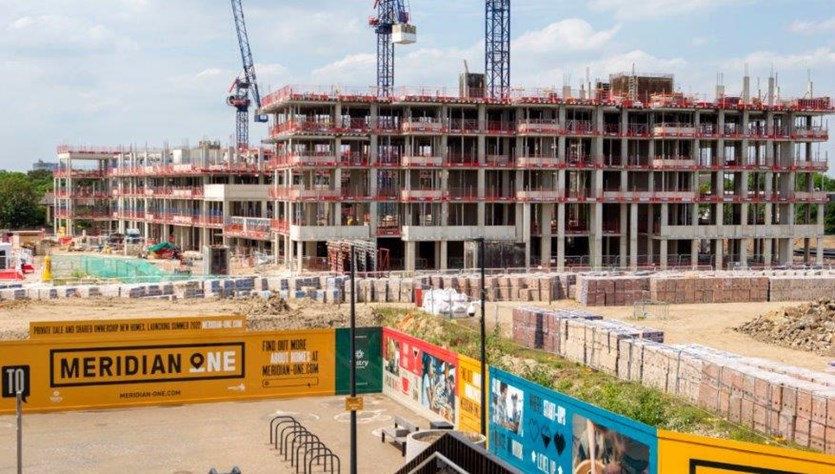
    Vistry Partnerships have chosen Vital Energi to deliver the district heating network contract which will connect Meridian One – the first residential-led phase of the Meridian Water regeneration program – to the wider Enfield community.

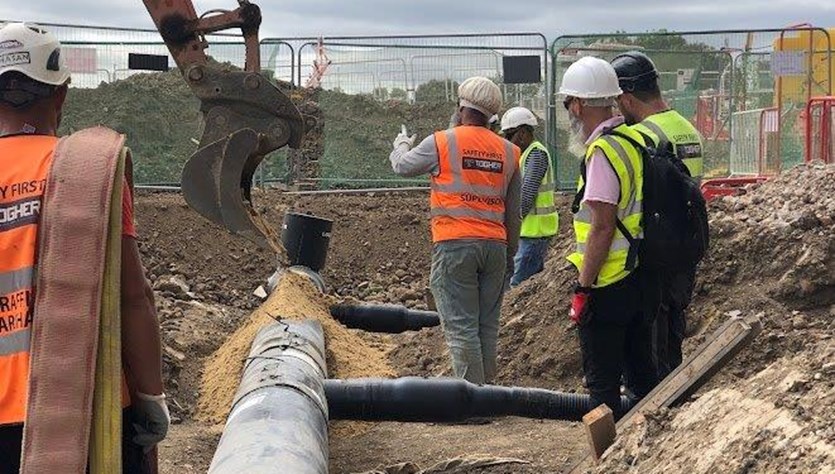
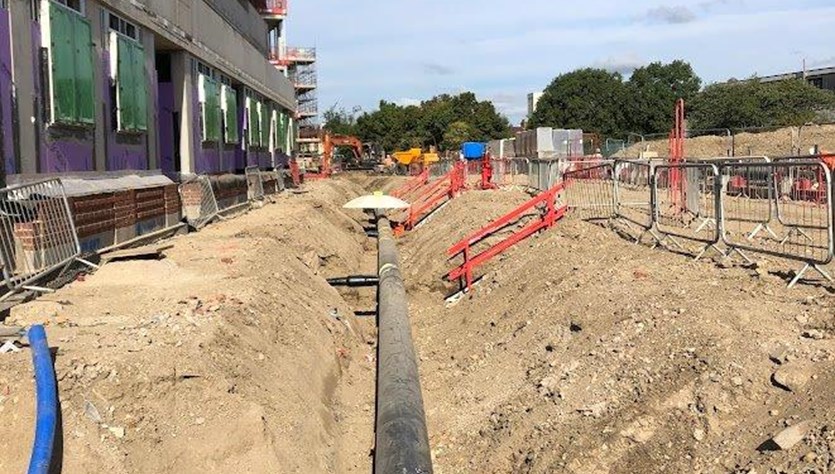
    Meridian Water is a £6bn major regeneration project which will deliver over 10,000 homes across the next 20 years. Vital Energi have been appointed to deliver the district heating extension which will add a further 2.5km of pipework to the network.

    This is a development of national significance, so it’s very exciting to be involved in delivering the green infrastructure which sits at its heart. The lifecycle of a district heating network can be well in excess of 50 years, so it is essential that it is installed to the highest standards and can serve the community by delivering low carbon heat for many decades to come.”

    Ashley Walsh, Managing Director – Heat Networks

    1

    The Meridian One district heating network will connect into the wider Enfield network as it continues to expand across the borough, linking up multiple connections and bringing low carbon heat and hot water to customers.

    Wash concludes, “The council made it clear that this heat network is primarily for the benefit of local residents and we will be installing it to the highest standards and implementing a range of quality control initiatives to ensure it will deliver year after year.  All welds will undergo ultrasonic testing, the pipework will be subject to pressure testing and hydraulic flush, and our solution includes a built-in alarm system which can identify developing network issues before they become a problem.”

    Solution detail

    2

    In addition to connecting Meridian One, Vital Energi have future proofed the network to make it easier to connect future developments

    Works are now underway and are scheduled to be complete in late 2022.

    Solution detail

  • UK’s First Large-Scale Water Source Heat Pump Project Officially Opens

    UK’s First Large-Scale Water Source Heat Pump Project Officially Opens


    UK’s First Large-Scale Water Source Heat Pump Project Officially Opens

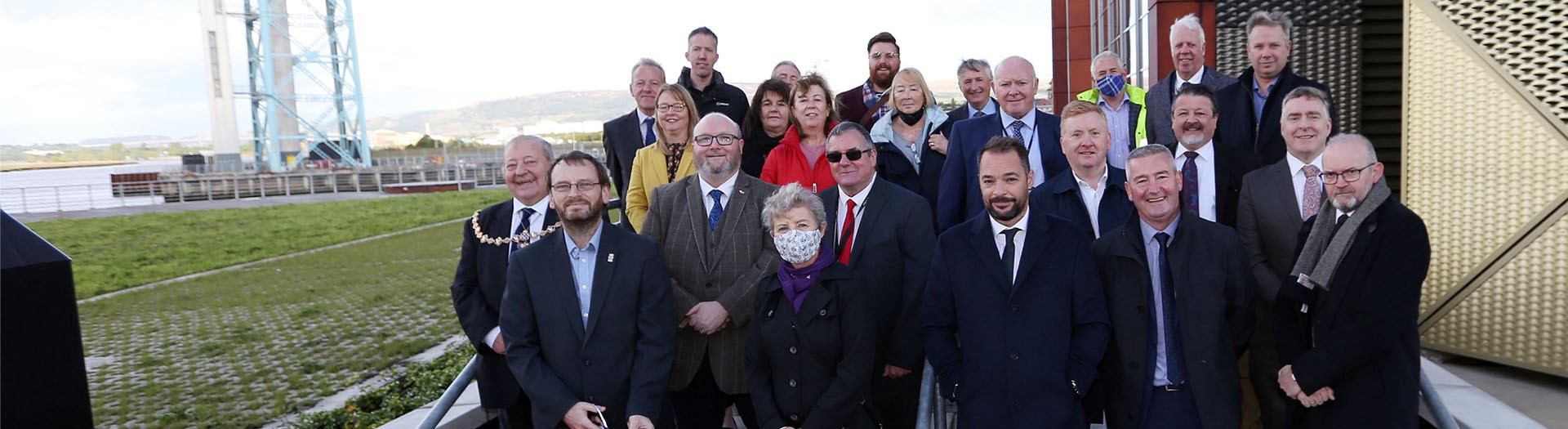
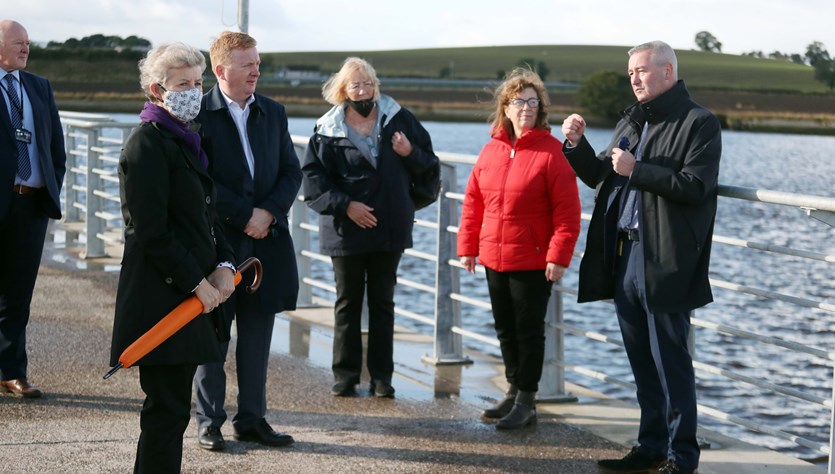
    The award-winning Queens Quay Heat Pump Energy Centre is providing low-carbon heating to the first phases of the £250m Clydebank-based development and members of West Dunbartonshire Council, Vital Energi and Star Renewables gathered to celebrate the achievement in an official opening on Friday 1st of October.

    The opening is a particularly timely showcase of Scottish innovation as world leaders are set to gather in Glasgow for the COP26 United Nations Conference.

    The £20m project, which was delivered by Vital Energi on behalf of West Dunbartonshire Council will provide heating and hot water to the 23-hectare Queens Quay development which includes plans for 1,200 homes, businesses and public buildings. The initial phase connects Aurora House, the Titan Enterprise Centre, Clydebank Leisure Centre and care home, Queens Quay House.

    At full build out the project will deliver circa 5,705 tonnes of CO2 reduction per year due to grid decarbonization.

    Scott Lutton, Vital Energi’s Operations Director – North & Scotland said, “With COP26 fast approaching it is timely that we showcase the local authorities who have successfully delivered initiatives to meet their carbon targets and are an inspiration to others. West Dunbartonshire Council have shown that it is possible to, not only deliver large carbon reduction by harnessing renewable technology, but that this heat can be delivered at a more affordable price.

    “One of the truly exciting things about this development is that it will continue to grow over multiple phases, increasing in scale, becoming more efficient and allowing more people, businesses and organisations to access low-carbon heat.”

    The energy centre houses two 2.65MW water source heat pumps which extract water from the River Clyde at a rate of 125 litres per second and use the latent heat to produce heating and hot water for the development via a 5km district heating network.

    Councillor Iain McLaren, Convener of Infrastructure, Regeneration and Economic Development, said: “I am extremely proud to officially open the West Dunbartonshire Energy Centre. This ambitious project has been many years in the making and it’s a pleasure to see the system up and running, providing low-carbon heat energy to so many buildings already, and with the capability of expansion throughout Clydebank.

    “As the world turns its eyes to the West of Scotland for COP26, and we work to agree action to try and halt the climate emergency, we are determined to do our part. This system, alongside a number of other steps taken by the Council, will help us achieve our goal to be net zero by 2045 and lead the way in tackling the climate emergency.”


    Enegy Centre Opening SR 11

    The network was designed to accommodate further growth, with the potential to expand beyond Queens Quay over several phases. The network has been future-proofed, and pipework has been installed to supply the forthcoming Health Centre, West College Scotland, the first 140 flats and retail units currently on site, all other homes planned for the site as well as Clydebank Library and Clydebank Town Hall.

    Future plans also include connections to the Golden Jubilee Hospital, Clyde Shopping Centre Dalmuir Flats, and into the town centre.

    Councillor Daniel Lennie, West Dunbartonshire Energy LLP Board member, said: “This fantastic system is already heating so many public buildings from the leisure centre to the care home, with the potential to expand to the Golden Jubilee and beyond.

    “It makes me so proud that as a Council we are showing our commitment to our net zero mission, especially because we are using our shipbuilding heritage and the Clyde – our most famous resource – to do so.

    “As well as taking these steps to tackle the climate emergency, we are also addressing fuel poverty for our communities and I’m sure Clydebank will see the benefits of the system for years to come.”

    Solution detail

  • Helping green Wolverhampton hospital through 15,200 panel solar farm

    Helping green Wolverhampton hospital through 15,200 panel solar farm


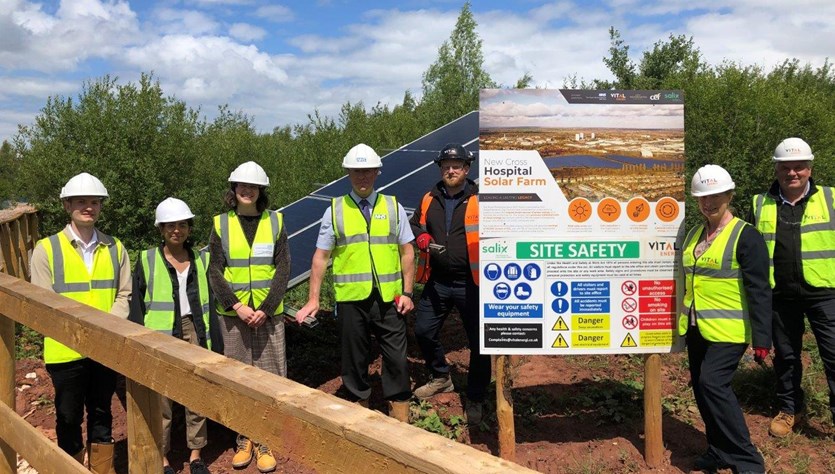
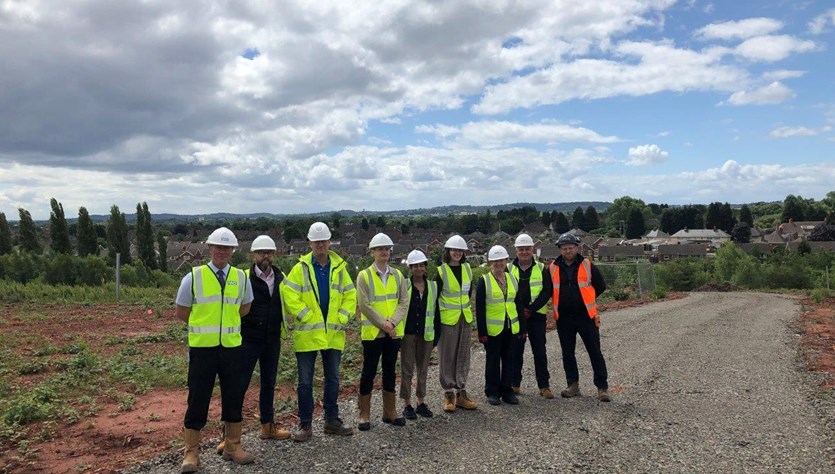
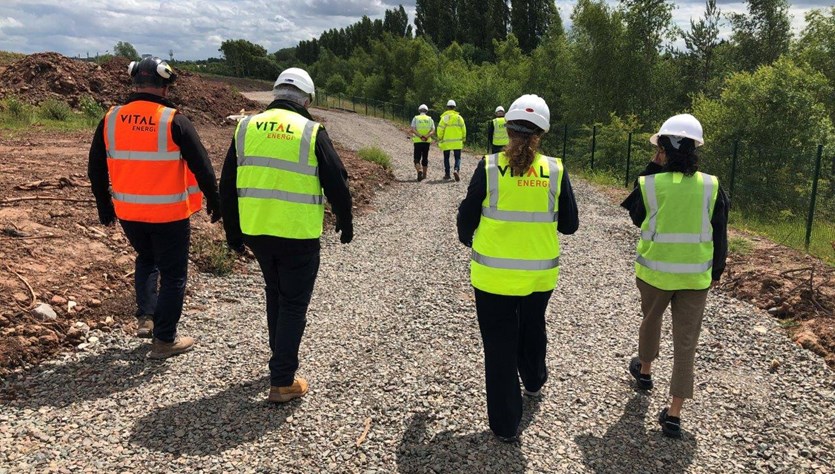
    Solar Farm Installation for New Cross Hospital

    More than 15,000 electricity generating solar panels are being installed at a new city solar farm to help power the whole of New Cross Hospital and save 1,450 tonnes of carbon a year.

    The Royal Wolverhampton NHS Trust, and project partners, including Vital Energi who is delivering the project, had to overcome a number of challenges, including badgers, methane, and anti-social behaviour, to prepare the brownfield site, which is more than 40 acres – the size of 22 football pitches.

    The panels, which will all be installed by October, are part of a multi-million-pound investment, provided by Salix Finance, a government-funded body, to help power the hospital for three quarters of the year – around 288 days of self-generated renewable energy.

    The new solar farm will save the Trust around £15 – 20m over the next 20 years which equates to around £1m a year, money which will be put back into frontline healthcare.

    “We’re working really hard to meet the Trust’s and the NHS’s target to reach net zero carbon by 2040 and this investment is a huge boost to help us achieve that. Our primary focus as a Trust is always on the patient and these works ensure the Trust saves money on future energy bills, which we can then subsequently invest across other healthcare services.”

    Stew Watson, Director of Estates Development at the Trust

    Salix Finance provided the Trust with nearly £10 million in 2021 and it recently received a further £33 million to carry out green energy works as part of the Department of Business, Energy and Industrial Strategy’s Public Sector Decarbonisation Scheme (PSDS).

    Rob Gray, Project Manager from the CEF, said:

    “A lot of work has happened to get the site ready for the solar panels. Firstly, we had issues with the methane venting system, which is in place to release the gases from the waste material buried under the ground. Following surveys and an Environmental Agency inspection, the local authority undertook gas venting works and an additional drainage network was installed, to ensure water escaped correctly from the site to reduce standing water and flooding.

    “Further to the surveys and clearing the land of trees, we also had to protect the badger setts on site by creating exclusion zones within the project for the badgers to continue to inhabit. Once the land was cleared, we installed 24-hour security.”

    The solar panels will power the air source heat pumps that are being installed at the hospital by Vital Energi, along with other energy efficiency measures including steam trap replacements, pipework insulation, LED lighting, window replacements, and controls updates.

    Work has also begun on the underground cabling which will connect the hospital to the solar farm.

    Helen Brindle, National Account Manager at Vital Energi explained the challenges of installing the one and a half miles of private wire from the solar site across the highway, a canal bridge and a busy road junction to the hospital.

    “The underground cabling has to be dug through fields and the local highway from the solar farm to the hospital,” said Helen. “This will take around four months to complete and will ensure a brand new clean, green energy source for the hospital.”

    Jake Helliwell, from Salix Finance’s NHS team, added:

    “Stew and the team at The Royal Wolverhampton NHS Trust are particularly determined to carry out these works to improve the energy supply of the hospital, reducing their bills in the process and freeing up resources to improve patient care. This project is particularly ambitious and time-pressured but the whole team’s energy, knowledge and passion has been invaluable in overcoming various challenges with delivery. Working with them has been an absolute pleasure.”