Category: Uncategorized

  • The customer experience… creating a lasting legacy through social value

    The customer experience… creating a lasting legacy through social value


    The Customer Experience… Creating A Lasting Legacy Through Social Value

    Infrastructure projects, like the Duffryn Heat Network replacement project, can be an opportunity to deliver meaningful social value initiatives. We spoke to Mark Chircop, Hedyn housing association’s Community Investment and Partnership Coordinator to discuss how to understand communities and make the contributions that matter.

    What were you hoping to achieve through the Duffryn Heat Network Replacement Scheme?

    From a social value perspective, although this contract was based over a short period of time, our Community Development Team were able to carry out Asset Mapping before Vital Energi won the contract. We spent time talking to community members, charities, and community groups to really understand the wants, needs, and aspirations of the people in Duffryn. Our aim was to work in partnership with Vital Energi and pass on what we’d learned so that we could support the community and leave a long-term, positive legacy.

    Do you think that goal was achieved?

    Personally, yes. Together we tackled urgent needs, like donating Christmas food packages to the local food bank, and invested in long-term projects, such as the Nurture Farm at Tredegar Park Primary, which will benefit the community for generations. We focused on where we could maximise the collective impact on the community.

    The Duffryn community has long felt unheard, but Vital, in partnership with Hedyn, showed they were truly listening and took meaningful action based on what the community had identified.

    How important is social value to Hedyn?

    Absolutely. Social Value is very important. Utilising localised knowledge to help us make informed decisions. We were very focused on delivering something with longevity in the heart of the community.  While short-, and medium-term initiatives are essential for urgent needs, we’re also thinking about the wellbeing of future generations.

    Our mantra is: “Doing the right thing. Making it happen. Being the Difference”,  connecting communities where everyone can live well and creating a lasting legacy.
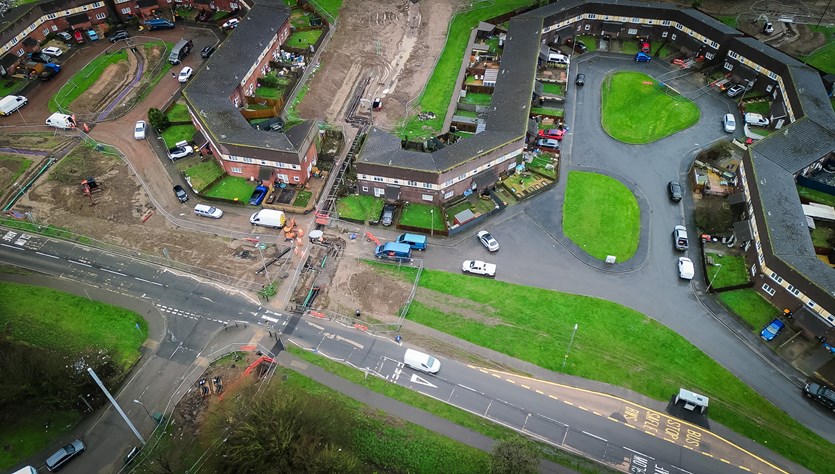
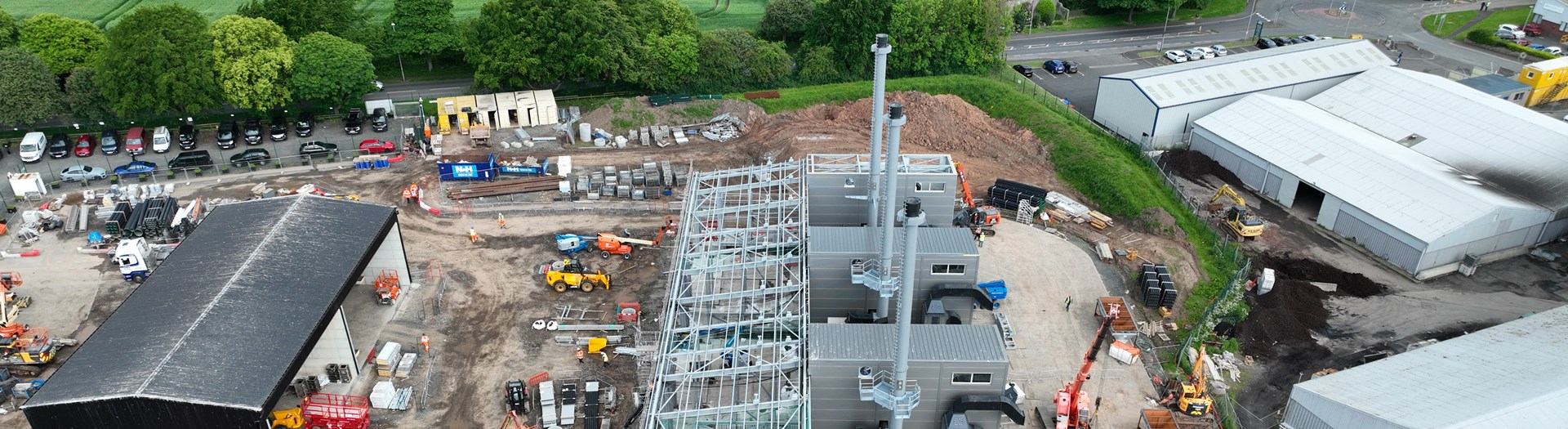
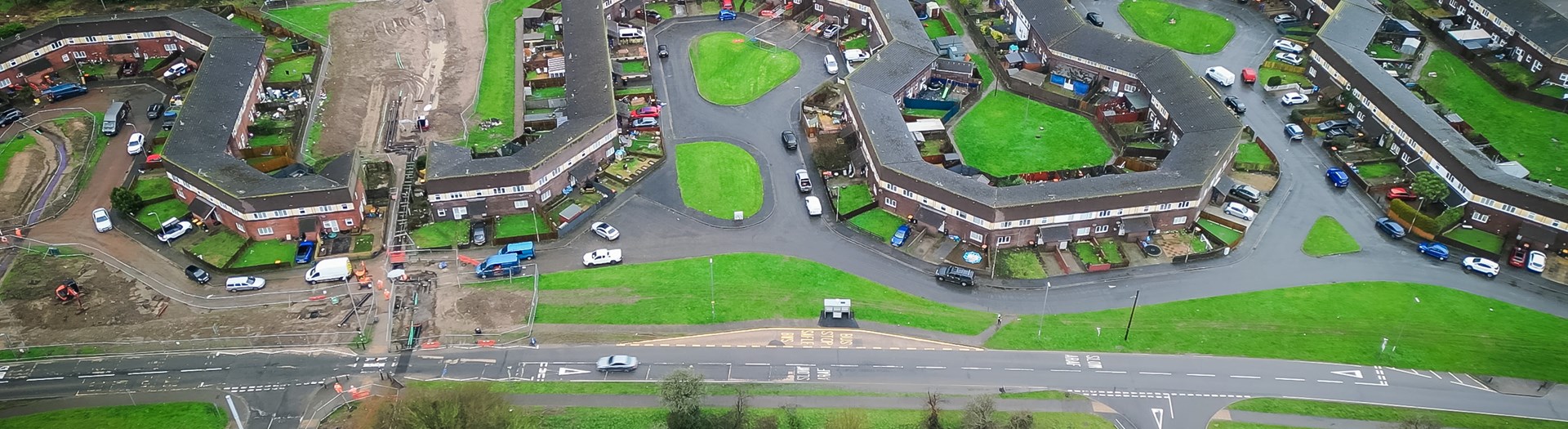
    Duffryn Heat Network

    The project delivery restored reliable, more efficient heating to the Duffryn Estate.

    Solution detail

    The Duffryn community has long felt unheard, but Vital, in partnership with Hedyn, showed they were truly listening and took meaningful action based on what the community had identified.

    Mark Chircop – Hedyn, Community Investment and Partnership Coordinator

    How did Vital Energi align with that mantra?

    Like any partnership, it took time. Vital isn’t a local contractor, so we had to help them understand the community’s wants, needs and aspirations. What they did well was listen. There was no arrogance on their part, and they were open to the research we’d been doing and the options we were able to provide.

    They worked with us to build initiatives that would have real impact. Once we understood each other, it was clear our missions were aligned. We found shared passions and worked hard to deliver on them. The Vital team was really positive and, overall, their mission and ours was very similar in that we want to help create stronger communities. Once this had been created, we were able to introduce them to the options in the community.

    Hedyn seems to have a deep understanding of Duffryn. How did you get to this point, and what advice would you give other housing associations?

    It’s an ongoing journey. We’ll never fully understand everything, but we’ve spent a lot of time engaging with groups and individuals, building an asset-based community development model. We look at what exists, what the challenges are, and how to remove barriers and unlock potential.

    You also have to be honest, learn from what worked and what didn’t. Accept criticism and use it to improve. That way, we can help contractors maximise the good they can do whilst they’re working in these communities.

    Not all contractors listen, and that’s their choice. But Vital made it clear they weren’t just an energy partner, they were a full partner, which is when this kind of work really shines.

    For example, they funded a Carpet Kurling competition for the over-55s for a year. That one initiative promoted activity, wellness, mental wellbeing, and tackled loneliness. It had a real positive impact on that community and culminated in an away day visit to Rodney Parade stadium, where the sessions were put into practice, with other schemes from around the City. This also left somewhat of a legacy, as it continues to this very day, growing every year.
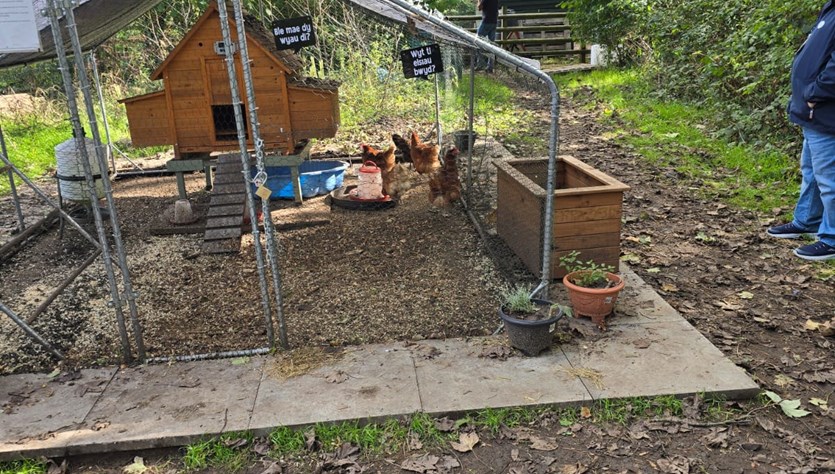
    IMG 20250916 WA0027

    Tredegar Primary School’s school’s nurture farm includes goats and chickens as well as an vegetable patches where children can grow food.

    Solution detail

    How important is the pre-construction period in building shared values and goals?

    It’s crucial. I attended the mobilisation meetings and got to know the team early on. This was a shorter contract, just nine months, so we had to hit the ground running. We started mapping opportunities three months before the project began, so we had ideas to bring to the table.

    That early dialogue helped us build strength and focus on real community needs.

    What advice would you give to organisations planning similar heat network replacement projects?

    Be open and honest.  Have challenging conversations early on if necessary.  Build understanding and gather feedback. Decisions should be collective and informed.

    Balance short-term needs, like food bank support, with long-term goals, like the Nurture Farm.

    What can these Public/Private Partnerships Achieve at Their Best?

    I think the Tredegar Park Primary School’s new Nurture Farm, which Vital part-funded, is a fantastic example of what can be achieved.  It’s created a new, outdoor space which promotes an active learning model.

    In an age where it’s tempting for children to stare at their screens, the kids at Tredegar Park Primary are out in nature, learning practical skills and connecting with nature.  This new facility now serves 430 children and the headteacher is sharing it with the wider community so more people can enjoy this fantastic facility.

    If you want a metric that matters, look at the faces of the kids when they’re outdoors, looking after goats, chickens and tending vegetable beds… You really can’t put a price on that.

    We worked closely with Hedyn Housing Association to identify opportunities to support community groups.  The video below covers just a few of the initiatives we took part in.
  • The customer experience… delivering a solar farm

    The customer experience… delivering a solar farm


    The Customer Experience… Delivering A Solar Farm

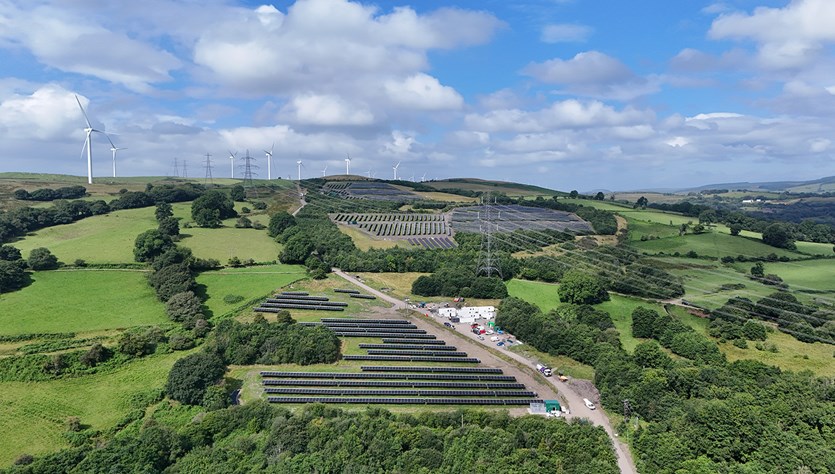
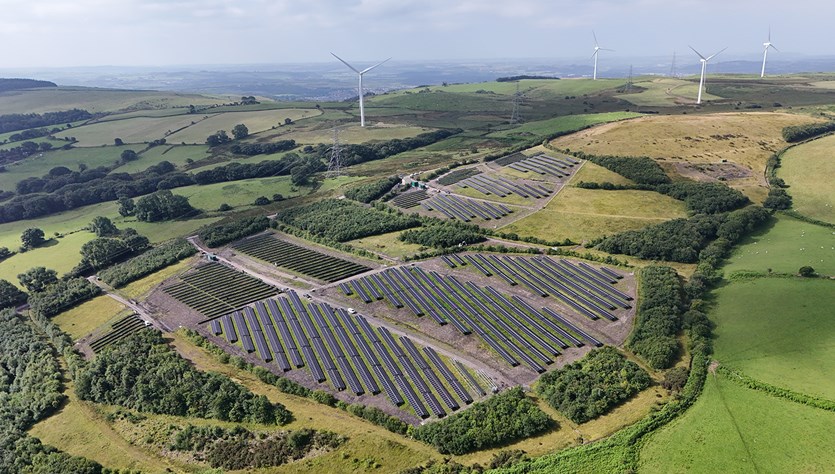
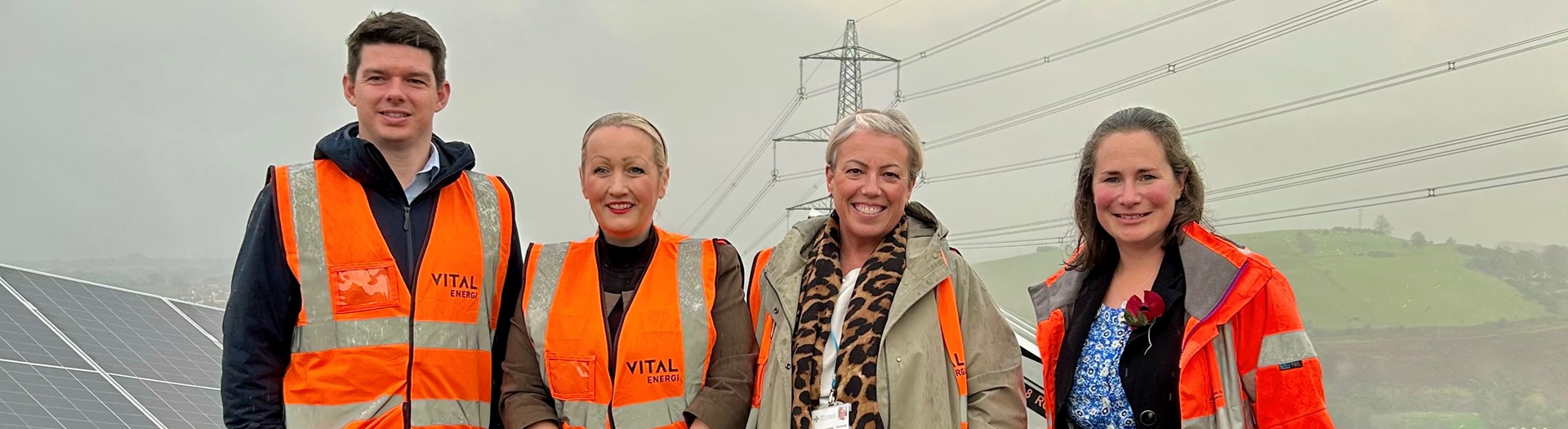
    The Coed Ely Solar Farm is a landmark project which has seen Rhondda Cynon Taf County Borough Council create a 6MW solar farm, but in an innovative collaboration, 1MW of the clean electricity generated will be exported to Royal Glamorgan hospital. Shortly after the project was finished we caught up with Rhondda Cynon Taf County Borough Council’s Coed-ely Solar Project Team to discuss the project…

    What did this project mean to the council?

    This project represented a bold step forward for the council, moving beyond our traditional delivery models to embrace a more innovative, partnership-led approach. By working closely with external stakeholders, we’ve not only delivered a major renewable energy installation, but also laid the groundwork for long-term financial sustainability through income generation. It’s a tangible example of how local authorities can lead on climate action while creating value for the public sector. The successful completion of the project, on time and in line with our strategic aims, reflects the strength of collaboration and the council’s commitment to delivering impactful, future-focused infrastructure.

    How important was the preconstruction period and what should you look to achieve?

    The detailed design and pre-construction phase was absolutely vital to the success of the project. It provided the opportunity to discharge planning conditions, secure essential consents, and develop the design to a level of maturity that gave everyone confidence moving forward. This period wasn’t just about ticking boxes, it was about building trust, aligning expectations, and ensuring that the technical and logistical groundwork was solid. It allowed us to engage meaningfully with stakeholders, clarify roles and responsibilities, and identify potential risks early on. Importantly, it also enabled the contractor to begin procurement with certainty, which helped maintain momentum and avoid delays later in the programme. That early investment in planning and coordination laid the foundation for a smooth delivery phase and ultimately contributed to the project being completed on time and to a high standard.

    Do you feel like Vital Energi are a part of your wider team?

    Initially, the team had some reservations about working with a contractor whose head office is based in the North West, quite a distance from our site in Wales. But those concerns were quickly put to rest. Vital Energi have consistently demonstrated that geography is no barrier to collaboration. From the outset, they’ve been fully engaged, always available, whether on site or at the end of the phone, and ready to support with any query or challenge. Their communication has been clear and proactive, and they’ve shown a genuine commitment to being part of the wider delivery team. It’s never felt like ‘us and them’, we’ve operated as one team with a shared goal. They’ve contributed not just technical expertise, but also a positive, solutions-focused attitude that’s helped us navigate complex aspects of the project. Their willingness to adapt, listen, and work collaboratively has made a real difference, and it’s been a pleasure having them as a key delivery partner.

    DJI 20250724102427 0695 D Copy

    The project delivery team used the pre-construction period wisely to plan for success.

    Solution detail

    It’s never felt like ‘us and them’, we’ve operated as one team with a shared goal. They’ve contributed not just technical expertise, but also a positive, solutions-focused attitude that’s helped us navigate complex aspects of the project. Their willingness to adapt, listen, and work collaboratively has made a real difference, and it’s been a pleasure having them as a key delivery partner.

    Rhondda Cynon Taf County Borough Council, Coed Ely Project Team

    What lessons have you learned during the delivery process which could help others?

    One of the key lessons we’ve learned is the importance of prioritising legal documentation early in the process. These agreements can take significantly longer than expected to finalise, and having the right legal and commercial support in place from the outset is essential to avoid delays. It’s not just about drafting contracts—it’s about aligning stakeholders, clarifying responsibilities, and ensuring the project has a solid foundation to move forward.

    Another critical insight is the value of strong relationships with local authorities, particularly around traffic management. Their input and influence can shape the feasibility and timing of works, especially when operating in sensitive or high-traffic areas. Engaging early and maintaining open communication with highways teams can make a real difference.

    We also learned the importance of thorough ground investigation, especially when working on reclaimed or previously developed land. Understanding the site conditions in detail helped us minimise surprises during construction and allowed the design to be adapted accordingly. Investing in this early stage of work can save time, cost, and complexity later on.

    Overall, these lessons highlight the need for proactive planning, strong stakeholder engagement, and a willingness to adapt as new information emerges. Sharing these insights can help other teams navigate similar challenges more effectively.

    Part of this project is a power purchase agreement with a local hospital.  How have Vital been at working in a live hospital environment?

    One of the more challenging aspects of this project was coordinating civil and electrical works within the operational constraints of a live hospital setting. The hospital was already undergoing its own expansion works, and parking availability was a sensitive issue. Our project introduced further restrictions, which required careful negotiation and planning to avoid compounding disruption.

    Vital demonstrated a strong understanding of the complexities involved in working within such a critical environment. From the outset, they engaged proactively in a series of detailed planning meetings with both our team and hospital stakeholders. These sessions focused on minimising disruption to hospital operations, particularly around access, safety, and parking logistics.

    During the civil works phase, Vital worked collaboratively to develop phased approaches that allowed disruption to essential hospital functions to be minimised.

    In the electrical works phase, Vital maintained a high level of professionalism and coordination. They ensured that all activities were scheduled around hospital peak times and critical services, with clear communication channels in place to respond to any issues swiftly. Their team was respectful of the environment, adhering to strict health and safety protocols and maintaining a low-impact presence on site.

    How were we at resolving issues?

    Throughout the project, our team demonstrated a proactive and solutions-focused approach to resolving issues as they arose. Working in a live hospital environment presented unique challenges, from access restrictions and parking limitations to coordinating around ongoing hospital operations, but they remained committed to maintaining progress while minimising disruption.

    The team prioritised open communication and early engagement with stakeholders, which helped us identify potential issues before they escalated. Regular coordination meetings allowed us to respond quickly and collaboratively, ensuring that any concerns were addressed with clarity and care.

    This responsiveness not only helped maintain momentum but also strengthened relationships with our partners and stakeholders, reinforcing trust and confidence in our approach.

    DJI 20250724100043 0686 D Copy

    The solar farm exports 1MW of electricity to the nearby Royal Glamorgan Hospital via a 3.2km private wire network.

    Solution detail

    What’s been the most positive part of the process?

    The most rewarding part of this project has been working as part of a wider, multidisciplinary team all aligned around a shared goal. From the early planning stages through to delivery, there was a strong sense of collaboration and mutual respect across all parties involved, whether it was our internal teams, Vital, the hospital stakeholders, or external consultants.

    Everyone brought their expertise to the table, and there was a genuine commitment to problem-solving, innovation, and delivering impact. That unity made even the more challenging aspects of the project feel manageable and purposeful. It created an environment where ideas could be shared openly, issues were tackled collectively, and successes were celebrated together.

    This spirit of collaboration not only helped us deliver a technically complex project in a sensitive environment but also reinforced the value of partnership in achieving sustainable, long-term outcomes.

    If you had one piece of advice for working with an energy partner, what would it be?

    If the team had to give one piece of advice for working with an energy partner, it would be: invest time early in building a shared understanding of goals, constraints, and communication expectations.

    Energy projects, especially those involving live environments like hospitals, are complex and often involve multiple stakeholders with competing priorities. Establishing a strong foundation of trust and transparency from the outset helps ensure that everyone is aligned and working toward the same outcomes.

    Ultimately, the success of the partnership came down to clear communication, mutual respect, and a shared commitment to delivering impact with minimal disruption.

  • Vital Energi complete low carbon upgrade at Bracknell Urgent Care Centre

    Vital Energi complete low carbon upgrade at Bracknell Urgent Care Centre


    Bracknell Urgent Care Centre: £1.7m Low Carbon Upgrade

    Vital Energi has delivered a £1.7m energy upgrade at Bracknell Urgent Care Centre, supporting Royal Berkshire NHS Foundation Trust’s decarbonisation goals while maintaining essential clinical services.

    Delivered over a seven‑month period, the upgrade focused on improving energy efficiency, resilience and flexibility within the urgent care setting, where temperature control is critical to patient comfort. Bracknell Urgent Care Centre supports vulnerable patients, including those receiving kidney dialysis treatment and cancer respite care, with different clinical needs requiring both heating and cooling at the same time.

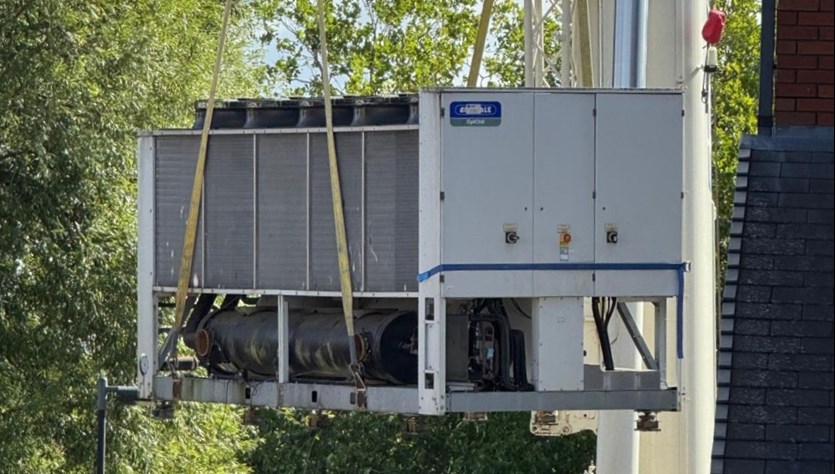
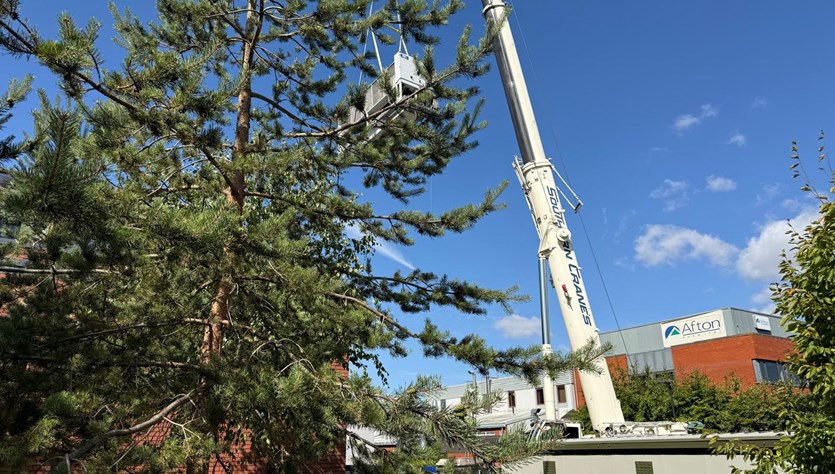
    To meet these requirements, Vital Energi installed two air source heat pumps capable of producing chilled and heated water simultaneously, ensuring temperatures can be tailored to individual areas of the building. The system is supported by four 7,000‑litre buffer vessels, providing thermal storage and enhancing system stability, alongside a newly installed energy compound to house key plant and infrastructure.

    The project delivers long‑term carbon and financial savings for the Trust, while providing a future‑proofed, low‑carbon solution aligned with NHS sustainability targets.

    This project is a great example of how we can successfully decarbonise our estate while maintaining high-quality patient care. Working closely with Vital Energi, we’ve delivered a solution that not only reduces our carbon footprint but also improves the resilience and flexibility of our facilities for the future.

    Dave Fuller, Head of Estates Projects, Royal Berkshire NHS Foundation Trust

    We’re proud to be supporting the Trust’s net zero ambitions through the delivery of a future proofed, low carbon solution. Maintaining resilience and patient comfort within a live urgent care environment was critical, and this project shows how complex healthcare settings can decarbonise without disrupting essential clinical services.”

    Paul Smith, Commercial Director, Vital Energi

    The works were carried out within a fully operational urgent care environment, requiring careful planning, close collaboration and continuous liaison with key hospital stakeholders. Maintaining energy resilience throughout the programme was essential to ensure uninterrupted care for patients.

    The successful completion of the Bracknell Urgent Care Centre project further demonstrates Vital Energi’s experience in delivering complex decarbonisation schemes across live healthcare estates, helping NHS organisations reduce carbon emissions while improving infrastructure resilience and performance.

    The project received £1.7m funding through Phase 4 of the Public Sector Decarbonisation Scheme (PSDS).

  • What really works when decarbonising energy intensive industries?

    What really works when decarbonising energy intensive industries?

    The surge of new technologies and ideas has opened exciting opportunities for industrial businesses, but the volume of information can feel overwhelming. With energy independence now more important than ever, focus on what matters most: visualise your energy use, optimise operations, and decarbonise your supply. By cutting through the noise and focusing on strategies outlined below, you can take control of your energy and carbon footprint, turning rising costs and regulatory pressures into a competitive advantage.

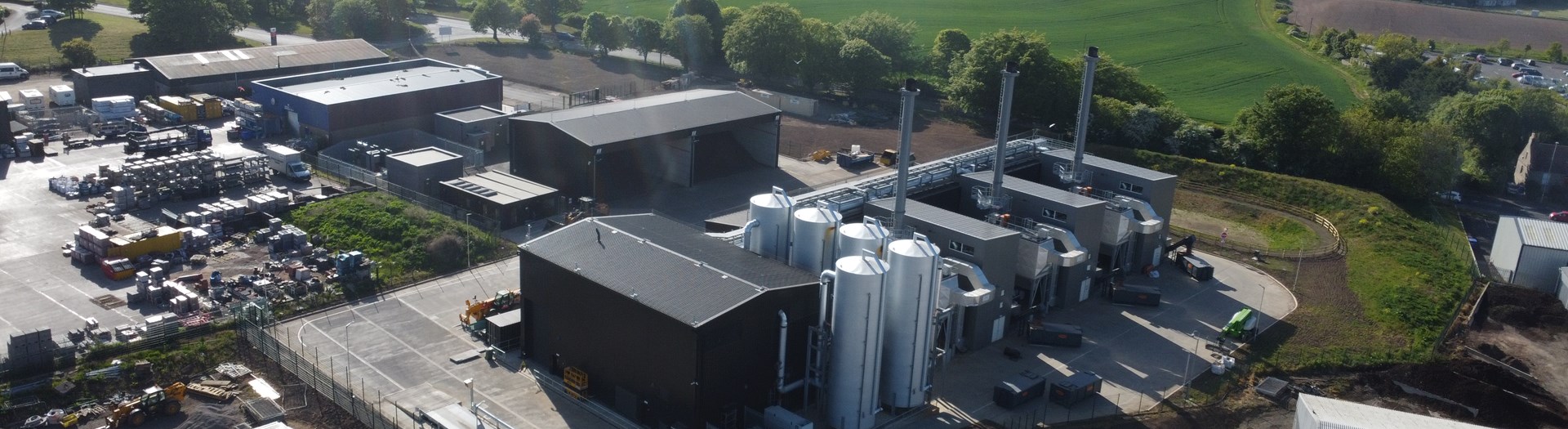
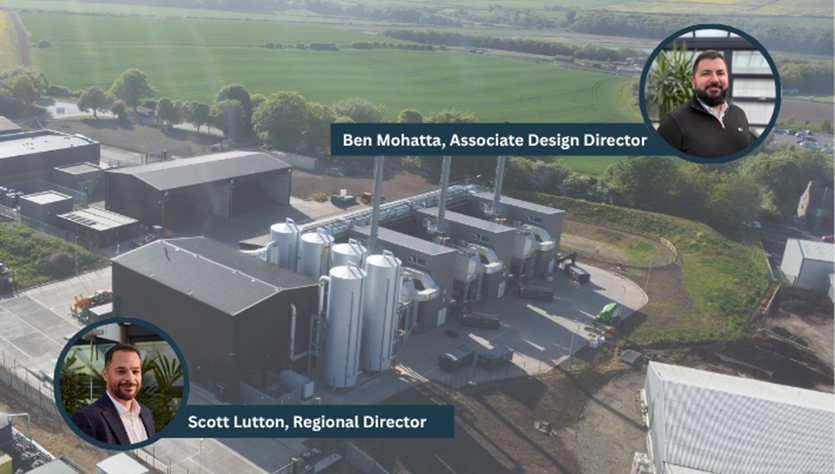
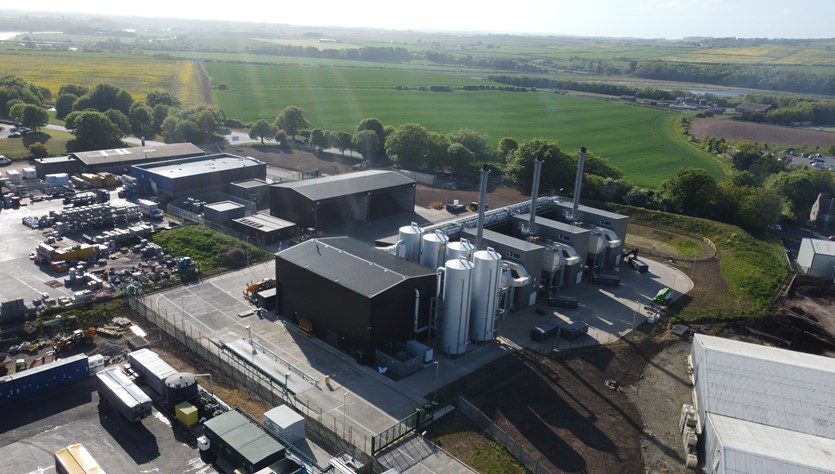
    With over two decades of experience in the energy sector, Scott Lutton, Regional Director at Vital Energi, shares practical steps for energy‑intensive industries to strengthen performance and build long‑term resilience. Meanwhile, Ben Mohatta, Associate Design Director, offers an inside look at a major decarbonisation project at Simpsons Malt Limited’s Tweed Valley Maltings, the UK’s largest malting site. This scheme is now capable of reducing carbon emissions by 25,000 tonnes a year.

    1. Visualise your energy use

    Begin by understanding your data. It may sound simple, but having clear, accurate information about how you use energy is the essential first step. Bring together meter readings, invoices and BMS data into a unified view to see how much energy you use, where it’s used and when. Analyse production lines, batch processes, ovens and kilns, and systems like compressed air and steam to give you a complete picture of site performance.

    2. Small tweaks, big savings

    Once energy flows are clear, the next step is optimisation, often delivering the fastest, highest return on investment (ROI) improvements.

    3. Decarbonise your remaining demand

    The final step is to decarbonise the remaining energy demand, to meet long term sustainability and net zero requirements.

    4. People power

    Technology alone isn’t enough; people and processes are equally vital.

    The message is simple: Visualise. Optimise. Decarbonise.

    By focusing on the areas that deliver the greatest impact, you can reduce costs, strengthen resilience and stay ahead of regulatory change. Energy independence is more important than ever due to world economic factors, and it remains a key driver of future success. With major support arriving in April 2026, when around 500 UK businesses will see network charge discounts increase from 60% to 90%, now is the ideal moment to accelerate your plans.

    We also operate several operational and funding models to suite all customer needs. From fully financed customer CAPEX, through to flexible funding arrangements, we help businesses upgrade their energy infrastructure to reduce both costs and carbon.

    Contact us today to find out how we can help you: [email protected]


    • Got a project in mind?

      Tell us about your project and a member of our team will be in touch shortly.


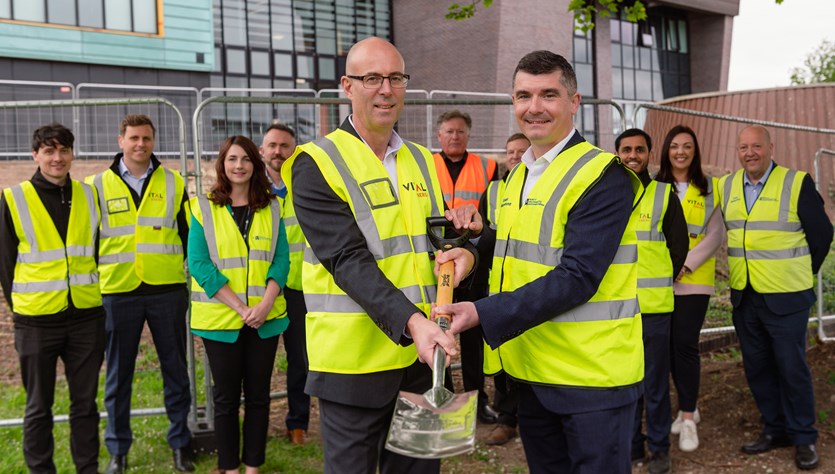
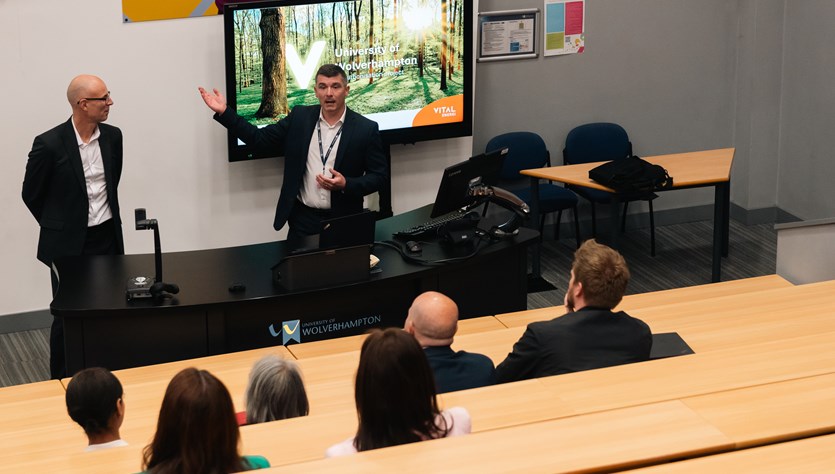
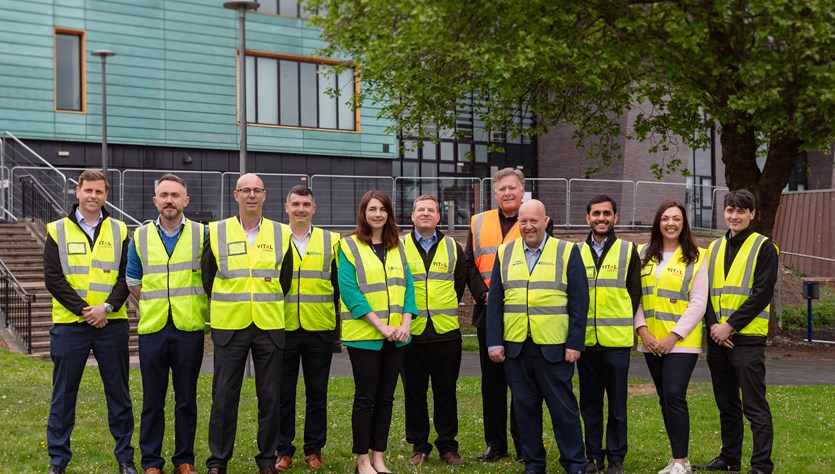
  • University of Wolverhampton unveils major decarbonisation project

    University of Wolverhampton unveils major decarbonisation project


    University of Wolverhampton: £11m Decarbonisation Project

    Heat pumps, solar PV, and a heat network are just some of the technologies being introduced at the University of Wolverhampton as part of an £11m project to accelerate their journey to net zero.

    The University has joined forces with Vital Energi to deliver the multi-technology energy solution at their Walsall Campus, which will reduce carbon emissions by over 1,000 tonnes each year.

    Gas-fired equipment and end of life boilers will be replaced with an air to water source cascade heat pump system, which recovers heat from the air and boosts it to higher temperatures to provide low carbon heating and hot water to campus buildings.

    To enhance the overall efficiency of the heat pump system, Vital Energi will recover chilled water from the air source heat pumps, thereby eliminating the need to run the chillers during summer months, which will save more energy.

    Solar photovoltaics systems will be installed across a number of rooftops to allow for on-site renewable electricity generation. Energy efficiency measures will also be installed, such as air conditioning controls, pipework insulation, and improved heating and cooling controls.

    An underground network of district heating pipes, known as a heat network, will be installed, which will supply low carbon heat to five campus buildings.

    A ‘Living Lab’ will also be established, which will allow academics, researchers, and students to study the impacts of the heat pump technology, solar, and energy conservation measures. The Living Lab will offer real-life research opportunities for students and researchers, evidence-based recommendations for operational staff, and opportunities for research impact for academics.

    “At the University of Wolverhampton, we are thrilled to be making great progress towards our sustainability goals and reducing our carbon footprint. This is one of many great initiatives the university is committed to including the Green Innovation Corridor and a partnership with UNITAR to provide student education backed by the United Nations Sustainable Development Goals.”

    Dr. Pete Cross, Chief Financial Officer at the University

    Phil Mottershead, Project Development Director at Vital Energi, said:

    “We’re really pleased to be supporting the University’s journey to a net zero future. This project provides a large step towards full heat decarbonisation at the Walsall campus, with the inclusion of Solar PV and energy conservation measures meaning that year on year energy cost savings will also be delivered.”

    The project was made possible thanks to funding from the Phase 3c of the Public Sector Decarbonisation Scheme totalling £8.6m, which is delivered by Salix Finance on behalf of the Department for Energy Security and Net Zero.

    Director of public sector decarbonisation at Salix Ian Rodger said:

    “At Salix every day we’re driven to helping organisations reduce carbon emissions and introduce more energy efficiency measures.

    “In the face of climate change we have no time to waste. We’re pleased to support the University of Wolverhampton in the journey to net zero and look forward to seeing the progress made thanks to the Public Sector Decarbonisation Scheme funding.”

    The project will be delivered by March 2026.

  • Coed-Ely Solar Farm Welcomes Welsh Government

    Coed-Ely Solar Farm Welcomes Welsh Government


    Coed-Ely Solar Farm Welcomes Welsh Government

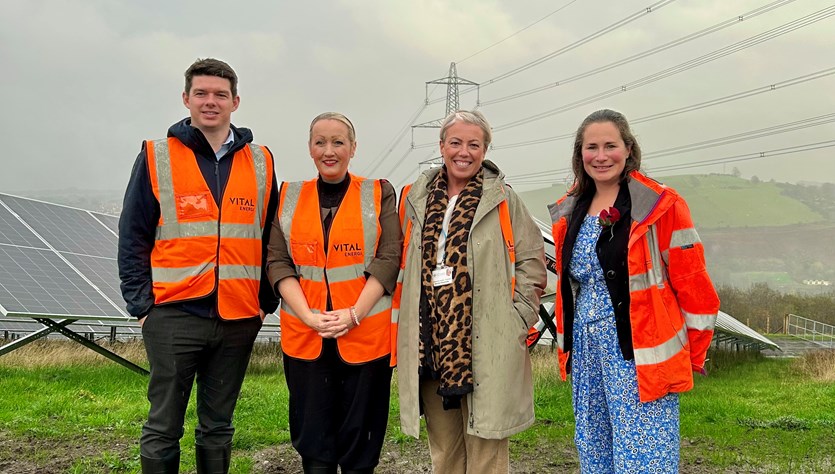
    On Thursday, November 6, Cabinet Secretary for Economy, Energy and Planning, Rebecca Evans MS attended the official opening of the new Coed-Ely Solar Farm, alongside Cabinet Member for Resources, Councillor Ros Davis, and representatives from the UK Shared Prosperity Fund (UKSPF), UK Government, NHS, Stantec, Rhomco, Vital Energi and the Welsh Government Energy Service.

    The visit came as part of the official switch on for the solar farm, which began supplying electricity directly to the Royal Glamorgan Hospital in early October. The visit provided opportunity to see the project generating electricity for one of our most vital public services.

    The visit included a tour of the solar farm and a visit to the hospital, meeting the team behind the project and learning more about the unique partnership between Rhondda Cynon Taf County Borough Council and Cwm Taf Morgannwg University Health Board, highlighting how the project has improved energy security, created local jobs, and generated over £600,000 in spending with local businesses and suppliers.

    Coed Ely Solar Farm is made up of 9,400 solar PV panels which can generate 6MW of electricity, with 5MW exported to the grid and 1MW sent to Royal Glamorgan Hospital through a 3.2km private wire network. It’s built on the site of a former 84-hectare colliery tip and is a great example of how we can repurpose our industrial past to be part of our energy future. Marking Welsh Climate Week and tying in with this year’s theme, unlocking the benefits of change, the solar farm creates local power for local care whilst providing grazing for farm animals and thriving hedgerows for local wildlife.

    The Coed-Ely Solar Farm was jointly funded by Rhondda Cynon Taf County Borough Council, the UK Government through the UK Shared Prosperity Fund (UKSPF), and part-funded by the Welsh Government.

    IMG 0518

    Welcoming the Cabinet Secretary for Economy, Energy & Planning, Rebecca Evans MS to the Coed Ely solar farm.

    Solution detail

    Seeing the solar farm live is a truly magnificent milestone. This ambitious project has been delivering energy for the benefit of our communities for a few weeks now and it’s fantastic to meet with our contractors, partners and those from the Royal Glamorgan Hospital on site today to see the project in action. The visit comes as part of Welsh Climate Week and this year’s theme, unlocking the benefits of change, ties in perfectly with what the solar farm stands for, creating local power for local care whilst still providing grazing for farm animals and thriving hedge rows for local wildlife.

    Councillor Ros Davis, Cabinet Member , Rhondda Cynon Taf County Borough Council

    Councillor Davis continues, “Any electricity generated that is not used by the hospital is fed into the National Grid, helping strengthen the UK’s overall energy security. But ‘local’ is at the heart of this project, local power and local impact.”

    Cabinet Secretary for Economy, Energy and Planning, Rebecca Evans MS said: “The Coed Ely Solar Farm is a shining example of how we can transform our industrial heritage into clean energy infrastructure that serves our communities.

    By repurposing this former colliery site to power vital NHS services, we are demonstrating that Wales’ journey to net zero can create local jobs, support local businesses, and ensure our public services are more resilient and sustainable for the future.”

    Secretary of State for Wales Jo Stevens said: “The Coed Ely Solar Farm is a great example of the UK Government investing in a project that creates jobs, drives economic growth, contributes to lowering household and public sector energy bills, and helps achieve carbon neutral targets.

    We have invested £4.892 million from the UK Shared Prosperity Fund which, alongside funding from our partners, means the solar farm is now supplying green electricity to the Royal Glamorgan Hospital and the national grid and playing a part in our mission to make the UK a clean energy superpower.”

    Mark Williams, Partnerships Director at Vital Energi explains: “One of the truly exciting things about this solar farm is that it demonstrates what can be achieved when the public sector collaborates to improve resilience, lower carbon emissions and save money on energy bills.  We shared the council’s vision that this project should bring maximum value to the community, so we’re pleased we could employ local people, spend money with local businesses and work with the charities, schools and groups which make up this fantastic community.”

  • Heat pumps transform Tameside Hospital in £14m project

    Heat pumps transform Tameside Hospital in £14m project


    Heat Pumps Transform Tameside Hospital | Vital Energi

    Vital Energi has partnered with Tameside and Glossop Integrated Care NHS Foundation Trust on a £14m decarbonisation project that will cut carbon emissions at Tameside General Hospital by over 2,000 tonnes a year.

    Having designed and developed the scheme, Vital Energi will construct a new energy centre housing a 2MW heat pump system, comprising four air source heat pumps and two water source heat pumps, supported by two efficient low temperature hot water boilers.

    A new air source heat pump will also be installed within the Pathology block, replacing the old and inefficient gas boiler.

    The project includes de‑steaming the site-wide heating and domestic hot water systems to improve temperature control and eliminate heat losses, enhancing overall energy efficiency.

    A range of Energy Conservation Measures (ECMs) will also be installed. These include cavity and pipework insulation, hydronic optimisation of secondary systems, EC fan upgrades, upgrades to the building management systems, and roof‑mounted solar PV. More than 500 light fittings across the site will be upgraded to LEDs, including 170 emergency lights.

    The Trust’s collaboration with Vital Energi represents a significant step toward improving the efficiency and sustainability of the estate. The project will significantly reduce the Hospital’s energy bills, savings that can be reinvested into frontline patient care.

    The project is being delivered through the Carbon and Energy Fund (CEF) Framework, which has been specifically created to fund complex energy infrastructure upgrades for public sector organisations.

    “We’re proud to be working alongside the Trust on a project that will make a real difference to carbon reduction, energy efficiency and ultimately patient care. By integrating innovative heat pump technology, de steaming ageing infrastructure and delivering a comprehensive package of energy saving measures, we’re transforming the estate in a way that will deliver long term operational and environmental benefits. This investment represents a major step in the Trust’s decarbonisation journey, and we’re delighted to support them in delivering this scheme which reduces carbon emissions, cuts energy costs, and strengthens the resilience of healthcare services.”

    John Runniff, , Account Development Manager at Vital Energi

    “We are delighted to be working with Vital Energi on this milestone project to de-steam the heating infrastructure, whilst improving reliability and resilience of our engineering plant.”

    Ian Hinitt, Head of Estates at Tameside Hospital

    This project has been made possible through grant funding from Phase 4 of the Public Sector Decarbonisation Scheme (PSDS), which prioritises reducing direct carbon emissions from public buildings by supporting projects that deliver the highest carbon savings.

    The scheme is run by the Department for Energy Security and Net Zero and delivered by Salix Finance.

    “Every unit of energy saved in the NHS is a step toward cleaner air, better health outcomes, and a more resilient healthcare system, proving that energy efficiency is as vital as any treatment. This is about creating better buildings for the future, and healthier environments for the patients, the teams and everyone who visits a hospital.”

    Ian Rodger , Director of Public Sector Decarbonisation at Salix

    Alongside Tameside and Glossop Integrated Care NHS Foundation Trust, Vital Energi successfully guided eight clients through the Phase 4 application process, securing a total of £55.6 million for sustainable projects and contributing to the continued acceleration of the NHS Net Zero Strategy.

  • Official Opening of Hebburn Heat Network’s Paul Younger Energy Centre

    Official Opening of Hebburn Heat Network’s Paul Younger Energy Centre


    Official Opening of Hebburn Heat Network’s Paul Younger Energy Centre

    The Hebburn Heat Network is an exciting new project which is revolutionising the way the community generates and distributes heating and at the heart of the project is the newly opened Paul Younger Centre.

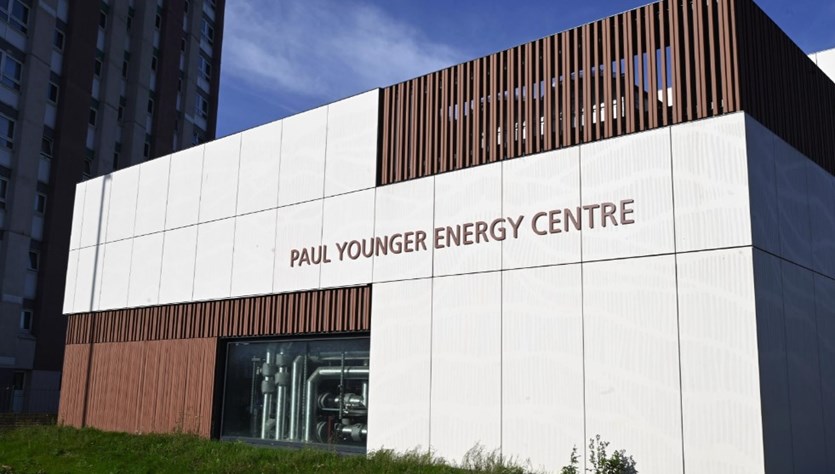
    The energy centre, in Hebburn town centre, uses air source heat pumps to provide renewable heating and hot water to Durham Court residential block and Hebburn Central leisure facility.

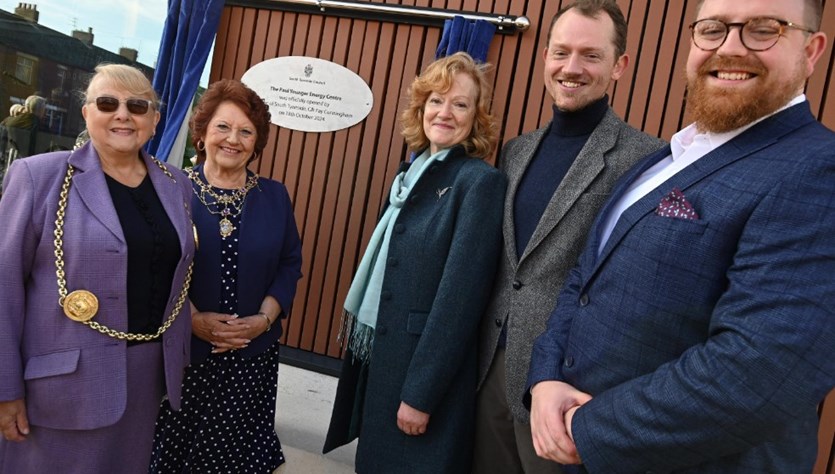
    The Mayor of South Tyneside, Councillor Fay Cunningham unveiled a plaque to mark the official opening of the building. She was joined by the Mayoress, Stella Matthewson and dignitaries including former Mayor Councillor John McCabe as well as Paul’s family and friends.

    The Hebburn Renewable Energy Centre is a wonderful tribute to the late Professor Paul Younger, who was born in the town and went on to become one of the world’s foremost experts in his field. It was a real honour to perform the official opening and wonderful to mark such a special occasion with Paul’s family and friends. Paul was described by his colleagues as passionate, warm and as having a fundamental desire to do good in the world. I’m sure he would be extremely proud to have such a fantastic facility in the town he was born.”

    Councillor Fay Cunningham , The Mayor of South Tyneside

    Hebburn Opening 2

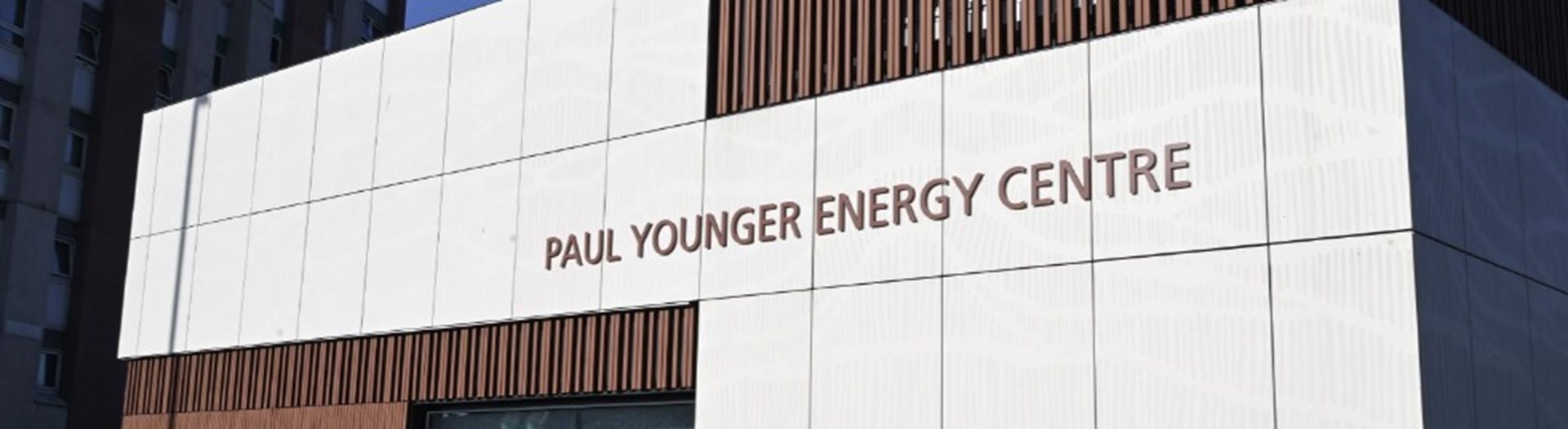
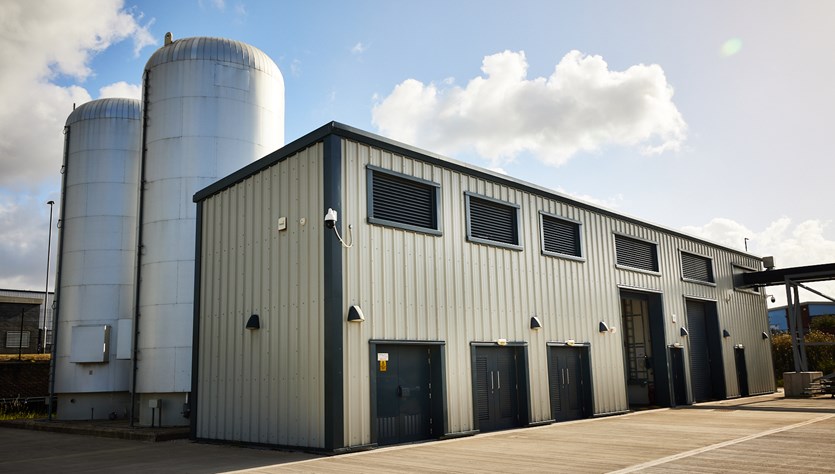
    The Paul Younger energy centre, which feeds the Hebburn Heat Network

    Solution detail

    About The Project

    The centre’s two-stage 450kw air source heat pump solution takes ambient heat from the air and converts it into hot water to provide low carbon heating. It has allowed the Council to reduce its reliance on traditional, gas-fired boilers, and is helping to cut carbon emissions by around 320 tonnes per year. Electricity generated locally using solar panels and a Combined Heat and Power unit helps to power the system.

    The project originally intended to draw on geothermally heated warm water in flooded disused coal mines. However, this method was found to be unworkable during the drilling works phase due to the conditions deep underground which could not have been foreseen. Fortunately, mitigation measures designed into the scheme from the outset meant the project could progress, with energy generated by drawing ambient heat from the air, rather than from underground.

    The scheme secured more than £4.8m in funding from the European Regional Development Fund (ERDF) and was developed in collaboration with the Coal Authority and Durham University, with the new centre built in a partnership with Vital Energi, Buro Happold and Driver Group.

    It is the second of the Council’s flagship renewable energy projects, following the opening of the award-winning Viking Energy Network in Jarrow (VENJ). VENJ draws heat from the River Tyne using innovative technologies, making it a first in the UK and was also delivered by Vital Energi.

    Both schemes, marking their first year in operation, are delivering a combined annual reduction of around 1,035 tonnes in carbon emissions.

    Councillor Ernest Gibson, Lead Member for Neighbourhoods and Climate Change at South Tyneside Council, said: “These groundbreaking energy centres show real innovation and vision in renewable energy solutions. We will continue to work in partnership with others to assess and deliver future schemes wherever possible to help us deliver even more carbon savings.

    “They are just one of the ways we are using modern technology to meet our energy demands in a more sustainable way and creating a cleaner, greener Borough for our residents.”

  • Work starts to extend low-carbon heat network across Leeds

    Work starts to extend low-carbon heat network across Leeds


    Work starts to extend low-carbon heat network across Leeds

    Construction has recently commenced on milestone extensions to the innovative low-carbon district heating network being rolled-out in Leeds city centre by sustainable energy experts Vital Energi, in partnership with Leeds City Council.

    £3 million of Heat Network Investment Project (HNIP) funding was secured by Leeds City Council to support the phase three spine extension of the Leeds PIPES project, which uses heat from non-recyclable waste at the nearby Recycling and Energy Recovery Facility (RERF) to generate reliable, affordable, low-carbon heat and hot water for nearly 2,000 flats and a dozen non-domestic buildings across Leeds. The HNIP funding will support a significant 2,500m spine extension across zones covering student apartments, residential developments, multi-storey flats, large public sector sites. Additionally, the extension will help to strategically open up more of Leeds for future sustainable energy developments.

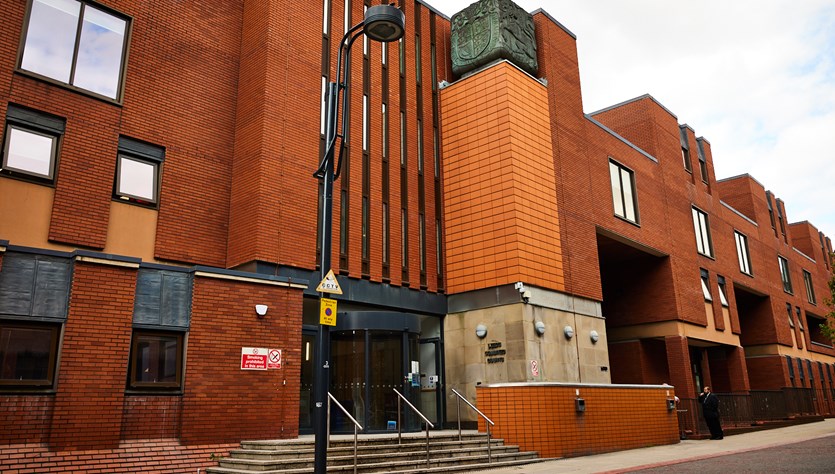
    Demonstrating the momentum of the network, a second separate piece of work has also commenced which will see the Ministry of Justice commit to greener energy consumption for the future in Leeds. Leeds Magistrates Court and Leeds Combined Courts are the latest in a list of high-profile city centre buildings and developments to have signed-up to connect to the district heating network from the existing network along Great George Street. The Combined Court Centre will take up to 1,400 kW and the Magistrates Court up to 800kW from the network.

    At full build out, the heat network has the capacity to save approximately 16,220 tonnes of carbon per year.

    By extending the district heating network, we’re enabling forward-thinking organisations like the Ministry of Justice to commit to a more sustainable future, which in turn sets a great example for other businesses across the city looking to lower their emissions and find more affordable methods of operating. By joining the network, organisations will have access to an affordable, reliable and low carbon way to provide heating and hot water and will avoid feeling as much impact from energy price increases. Meanwhile, making the long-term shift to a more sustainable form of energy will support wider decarbonisation efforts and help take the city a step closer to reaching its net zero ambitions.”

    Mike Cooke , Managing Director, North & Scotland

    VITAL LEEDS AUG2022 170

    Leeds Magistrates Court and Leeds Combined Courts | The latest in a list of high-profile city centre buildings and developments to have signed-up to connect to the district heating network.

    Solution detail

    Moving away from fossil fuel heating is a priority for us across the court estate as we look to build back greener from the pandemic and improve sustainability. Connecting Leeds Combined Court and Leeds Magistrates’ Court to the network will support our target to reduce our carbon footprint and our ambition to achieve net zero carbon by 2050. This project is a great example of local and cross-governmental working to tackle an important issue.”

    Graeme Goldsmith, Delivery Director for HMCTS North East

    VITAL LEEDS AUG2022 56

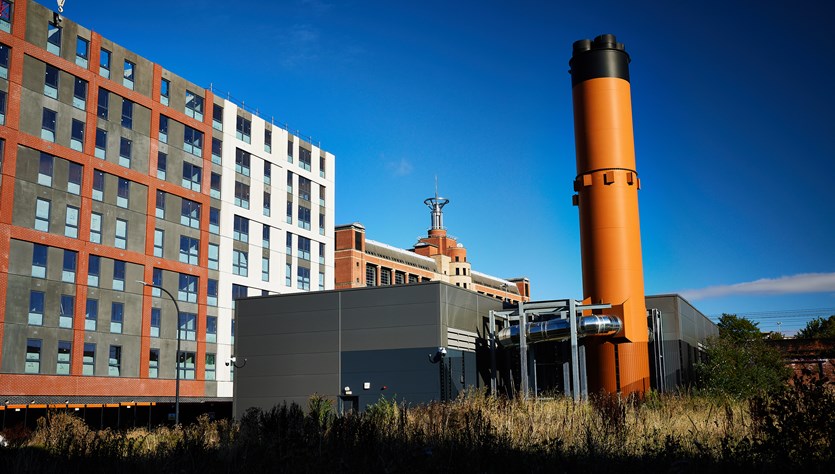
    Cross Green energy centre | Takes heat from non-recyclable waste at the RERF

    Solution detail

    The Leeds PIPES district heating network is one of our most exciting infrastructure projects and has real momentum behind it with more public, commercial, and residential buildings all choosing to connect. By extending the network to more parts of the city, I am delighted that we’ll soon be able to give even more businesses and residents the opportunity to enjoy affordable, reliable and low carbon heat—helping them to move away from costly fossil fuel based systems and towards a greener future.”

    Cllr Helen Hayden, Leeds City Council, Executive Member for Infrastructure and Climate

    VITAL LEEDS SEP2022 1

    Saxton Gardens energy centre | part of the low carbon Leeds PIPES heat network, helping Leeds City Council on their journey to net zero.

    Solution detail

    Government grants have already allowed homes, businesses and public buildings across Leeds city centre to move away from using costly fossil fuels and this latest heat network funding will help many more to see the benefits of low-carbon heating. Coupled with upgrades through the government’s Public Sector Decarbonisation Scheme, we are showing how investing in cutting-edge clean technologies can help protect consumers and businesses from the costs that are driving up energy bills at a time of high global prices.”

    Lord Callanan, Minister for Business and Energy

  • Chris Calder: First steps to decarbonising your manufacturing plant

    Chris Calder: First steps to decarbonising your manufacturing plant


    Chris Calder: First steps to decarbonising your manufacturing plant

    With over 10 years’ experience within the energy sector, Vital Energi’s Project Development Director, Chris Calder, shares examples of ways in which the food and beverage manufacturing industry can start to take control of their energy consumption and build a resilient future.

    The UK food and beverage industry is experiencing significant challenges through rising costs due to factors such as inflation rates and supply chains. Over the last few years, the industry has seen many local and global factors impact the daily business operations. From volatile utility costs directly proceeding the COVID 19 pandemic, to a war that has had significant impacts, the road ahead has felt challenging.

    We must also acknowledge the immense pressure on supply chains, particularly on suppliers of raw goods and materials. This pressure has been driven by factors such as inflation and concerns over supply security, like reduced availability of ingredients and bad weather affecting crops, leading to a perfect storm of challenges. Whilst there are some immediate solutions to energy there also must be more support from the new Government to encourage greater adoption of on-site generation and clearer pricing on third party charges for energy bills.

    There are however strategies to mitigate these rising costs, and some are easier and quicker to adopt than others. Breaking down into simple tasks is often a way that we help customers set out and plan for not only their net zero requirements but also their cost and carbon reduction in the short and medium term.

    There are growing pressures to decarbonise due to net zero targets, economic challenges, and shifting consumer values. Not only is sustainability key to staying relevant and maintaining positive brand perception, it also helps achieve certifications like B-Corp, demonstrating a commitment to both environmental and social responsibility.

    Data Visualisation & Optimisation

    One of the critical first steps to reducing energy consumption is understanding where it’s going. The simple and cost-effective act of installing meters and submeters will give extraordinary amounts of data, which can be used to drive local efficiencies, and reduce the baseline heat, gas and power consumption before beginning larger projects. Clear data allows for easy optimisations, such as turning key plant equipment on/off or up/down at critical times of the day, which from previous experience could potentially reduce energy consumption by up to 30% on sites that haven’t streamlined operations.

    Installing a Building Management System (BMS) or upgrading an old control system can reduce consumption by 10-15%, and it can evolve and grow over time to incorporate more assets and buildings.

    Visualising and optimising data not only drives down consumption, but in some cases, can create new revenue streams in flexibility markets too.

    Onsite Generation & Renewables

    When faced with the challenge of reducing carbon emissions, it’s easy to act upon the most obvious thing that emits carbon – the onsite generation. Whilst this is incredibly important, if the first steps are not taken to reduce and rationalise energy, then systems could be installed in the wrong size, which could lead to higher capital expenditure costs, higher operational expenditure costs and larger overall investment. When considering where to start with onsite generation there are some key considerations. Is the data for the site up to date and accurate? This will drive the overall size of asset that is installed.

    Installing solar panels is an incredibly cost-effective way of reducing costs by generating electricity that would normally be imported from the grid. In many cases solar arrays can produce up to 30% of the annual electrical demand and even more if coupled with a battery storage device.

    Solar generation can then be used to offset the transition to the electrification of heat. Since the cost of electricity still dwarfs the cost of gas then it can often be challenging to replace fossil fuel burning assets over to greener solutions. However, with the inclusion of solar and also the rationalisation of actual energy consumption many customers are able to achieve similar operational costs when moving to a heat pump for example. The installation and management of the heat pump is incredibly important, and one size almost always doesn’t fit all. There are many technical considerations to be made which is why it’s important to consult with an expert when considering this change as swapping a boiler for a heat pump is not a simple like for like transition.

    There are also very unique ways to tackle on site generation. Depending on the customer, there can be instances where a waste biproduct of the production line can be used to re-energise the site and reclaim valuable waste. Where there is excess heat, this can be captured and re-used to pre-heat other areas of the site or converted to electricity to power other processes.

    Future Technology and Opportunities

    There are many cases where a business has recently invested in assets, such as CHPs, and are now concerned about reducing their emissions. There are options available through technologies such as carbon capture. Where there is a business need to use carbon in the process, such as carbonated beverages or in packaging, then capturing the carbon on site and converting into food grade CO2 can be a viable option. This can give a security of supply while also reducing direct emissions. In some cases, CHPs have been installed as power only or power led assets, where the heat is effectively wasted due to low requirement, the best use case for this would be to share this excess heat with those who have a need locally.

    Our future will be made up of mini networks of generating assets that share heating, cooling and power demands across borders to make best use of the available generation. There have been very successful case studies of data centres supplying their excess heat to housing developments or other local off takers. Future developments need not mean brand new technologies, innovation can simply be sharing our resources rather than losing it.

    As products and technologies evolve, we will see cost reductions come through maturity of market supply. In the meantime, there are present and real solutions to the cost pressures faced by the food and beverage sector.

    Carbon Emissions in the Sector

    According to the Department for Environment, Food & Rural Affairs (DEFRA), the food chain is responsible for approximately 20% of the UK’s greenhouse gas emissions. The pressure is on the industry to decarbonise not only from a Scope 1 and 2 perspectives but also from Scope 3, where manufacturers form part of the high street supply chain Scope 3 emissions. Retailers are becoming increasingly aware of the need to partner with environmentally friendly suppliers and subsequently that adds to the pressure of the industry to take action. Those who fall into the UK ETS also need to consider the cost of carbon and the potential for this to increase over the years further challenging the bottom line of customers. Some businesses have also been known to relinquish their B-Corp status because the cost of purchasing carbon credits became untenable. As a result, they decided to focus on their own carbon reduction methods and other initiatives that could better help the planet. With the cost of carbon credits increasing and the validity of sources on the market this brings back the attention of what can be done at a local level.

    There is a cost of inaction. Although day to day challenges are mounting for manufacturers there is a growing pressure to secure long term futures that include green production of products. Therefore, we must enable that transition by sharing best practices and guiding businesses to a simple long-term strategy. Removing carbon from operations brings with it many cost benefits. The immediate and obvious benefits are seen in the reduction of energy used and the newly created on site generation avoiding the grid. However also has its long-term benefits that strengthen relationships with customers, retail and end consumers.

    Next Steps

    The UK food and beverage sector is grappling with rising costs driven by inflation, supply chain disruptions, and energy price increases. These challenges have significant implications for both producers and consumers. Simultaneously, the sector must address its substantial carbon footprint. Through a combination of sustainable practices, technological innovation, and supportive policies, the industry can navigate these challenges and contribute to the UK’s broader environmental goals. Addressing these issues not only supports economic stability but also ensures a more sustainable and resilient food system for the future.

    There is no one size fits all solution, but the first step for every organisation is to enlist an expert to look at your data, and come up with a bespoke energy solution.

    Vital Energi have been able to shape decarbonisation strategies for organisations across the UK including major malt manufacturers, Simpsons Malt, where we’re reducing their carbon footprint by 25,000 tonnes a year, and Muntons, where we have installed a 14MW biomass boiler.

    To find out how we can help you take the first step on your net zero journey, please email [email protected].