Category: Uncategorized

  • Work Begins on Newcastle International Airport’s £3.6m solar farm

    Work Begins on Newcastle International Airport’s £3.6m solar farm


    Vital Energi begin work on Newcastle International Airport’s £3.6m solar farm project

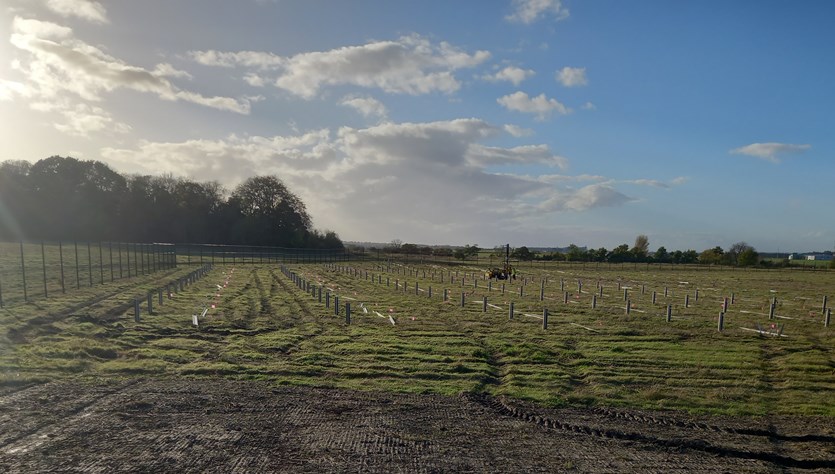
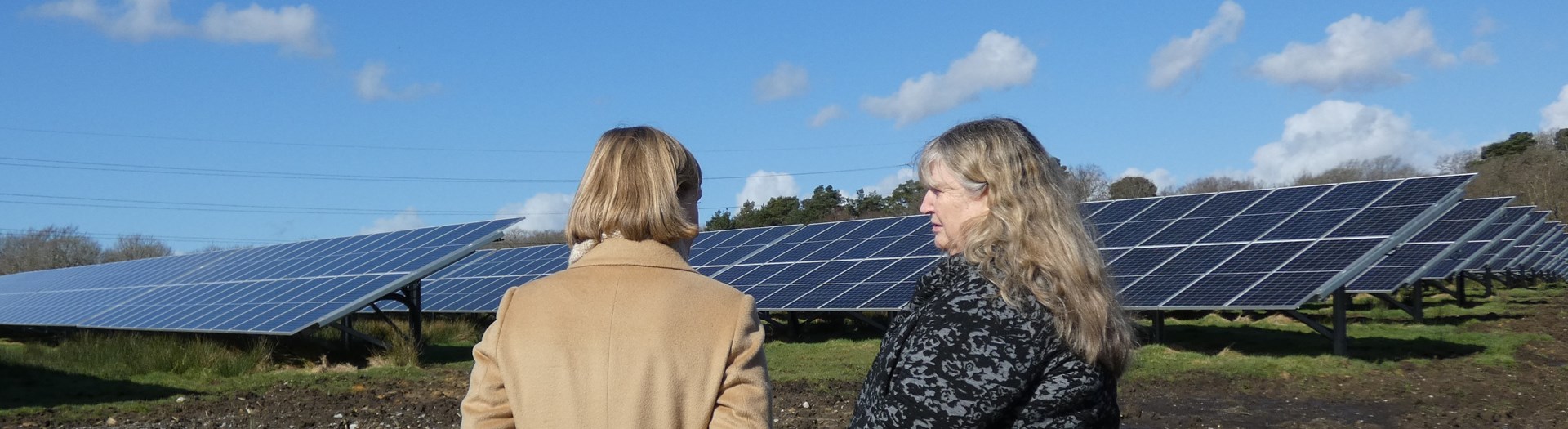
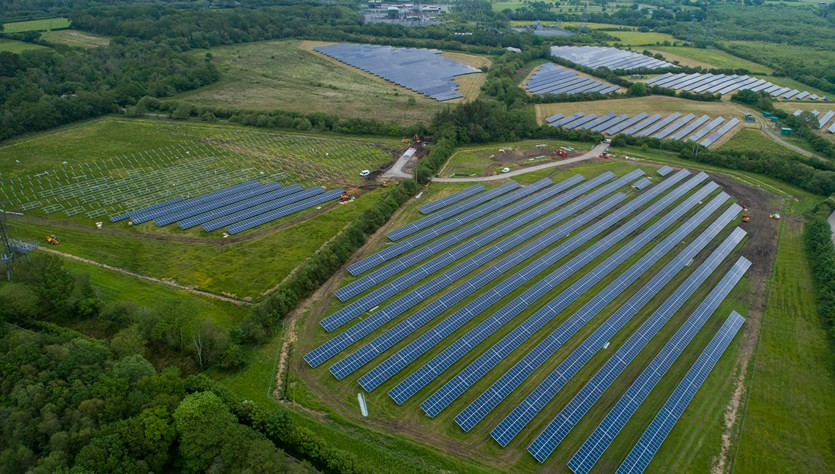
    Vital Energi have begun work on the construction of Phase 1 of Newcastle International Airport’s solar farm project which will begin generating clean energy by early 2023.

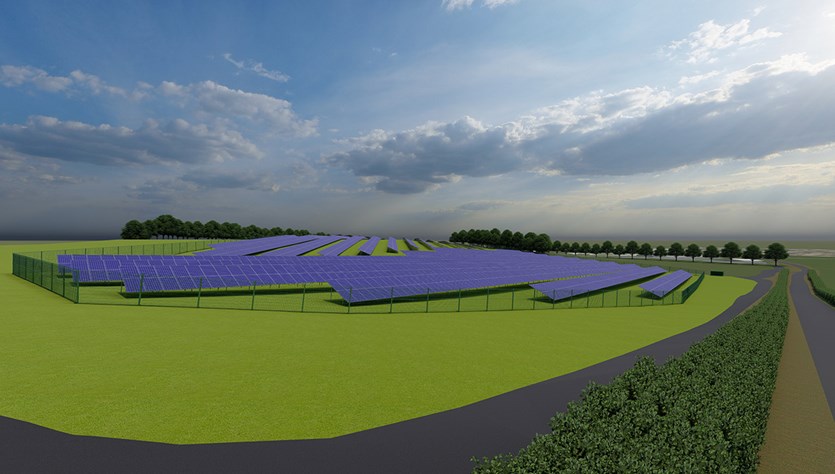
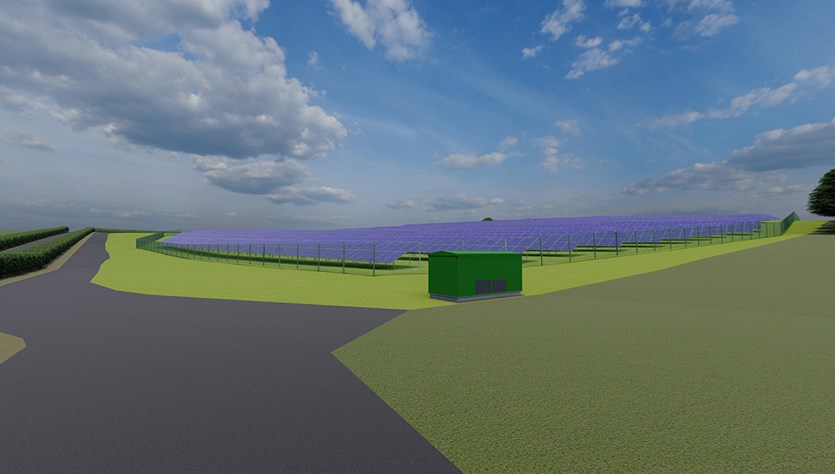
    Earlier this year, planning permission was secured for a total of four phases, providing in the region of 16MW of energy. Phase 1 will provide approximately 3MW.

    This first phase will be a £3.6m investment, of which 50% is funding from the European Regional Development Fund (ERDF).

    The commencement of the project marks a major milestone in the Airport’s ambitious strategy to be Net Zero emissions by 2035, ahead of the majority of airports across Europe which have plans to become Net Zero before 2050, and ahead of the Government’s Jet Zero strategy target of 2040.

    Photo 4

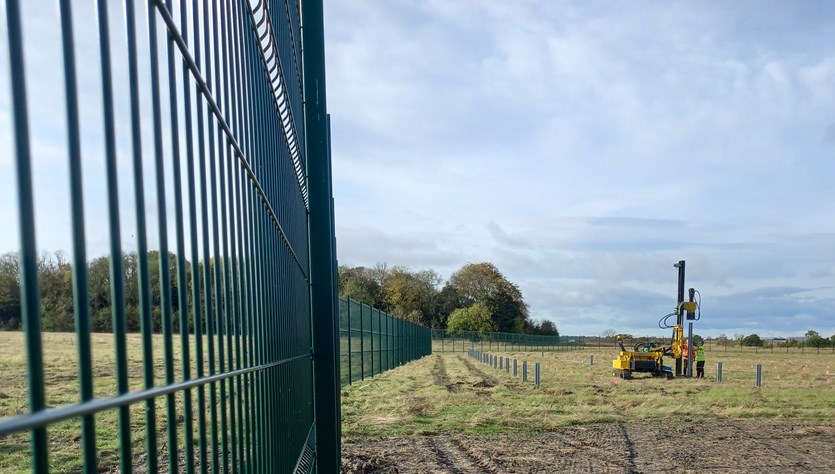
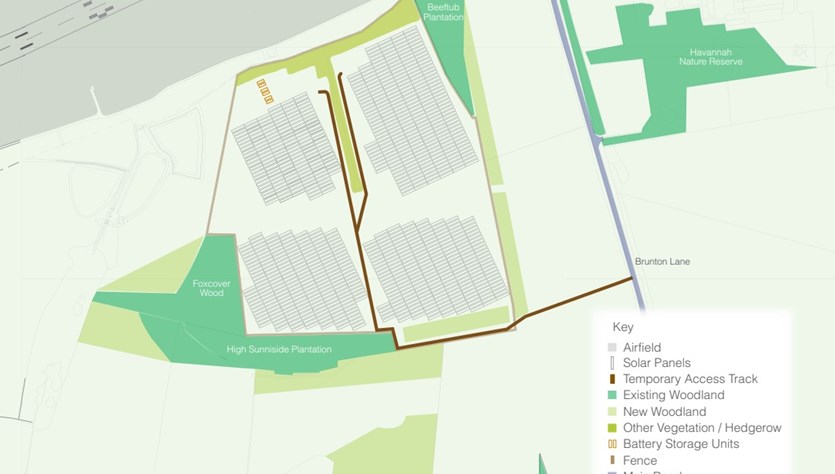
    The site for the scheme is situated on Airport owned land to the south of the eastern end of the Airport runway.

    The scheme will include areas of tree planting to screen the view of the solar farm from the surrounding roads and public rights of way. Measures will also be put in place to protect wildlife and to deliver ecological enhancements, known as Biodiversity Net Gain.

    Solution detail

    This is the biggest milestone so far in our journey to Net Zero. Our ambitious plan to decarbonise the Airport is critical to the North East becoming a low carbon region, and the solar farm development is demonstration of the willingness of the Airport to invest.

    Nick Jones – Chief Executive , Newcastle International Airport

    This is a major investment which will transform the way Newcastle International Airport generate electricity and, by significant amounts of carbon during the projects lifecycle, will be a huge step towards them meeting their net zero carbon target. We’re extremely excited to be delivering Phase 1 of the airports masterplan and look forward to the first phase being energised for the supply of low-carbon electricity to the airport.”

    Scott Lutton, Operations Director, Vital Energi

    It is fantastic to see the airport making this significant commitment and investment in its journey towards net zero, and is reflective of our collective ambitions to be a low carbon region. “Authorities across the North East have declared climate emergencies and have set themselves challenging targets in reducing emissions to achieve carbon neutrality. “Together, we can work to bring about positive change.”

    Councillor Tracy Dixon, Leader of South Tyneside Council & Lead for LA7

    Sustainability and decarbonisation are key priorities for AMP Capital, and it is important to us that these goals are achieved by the assets that we invest in. The Airport’s solar farm project, along with many other forward thinking initiatives, demonstrates its commitment to becoming Net Zero Carbon by 2035.”

    Graeme Ferguson, Head of Airports Europe, AMP Capital

    Photo 1

    The Airport has also planted over 8,300 trees on land around the solar farm as part of the North East Community Forest project.

    Solution detail

  • Climate Change Minister officially opens University’s solar development

    Climate Change Minister officially opens University’s solar development


    Climate Change Minister officially opens University’s green electricity solar development

    Climate Change Minister officially opens University’s green electricity solar development

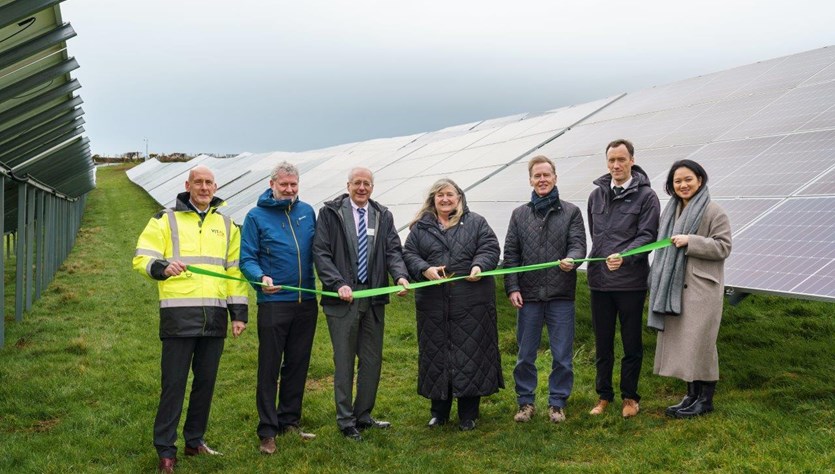
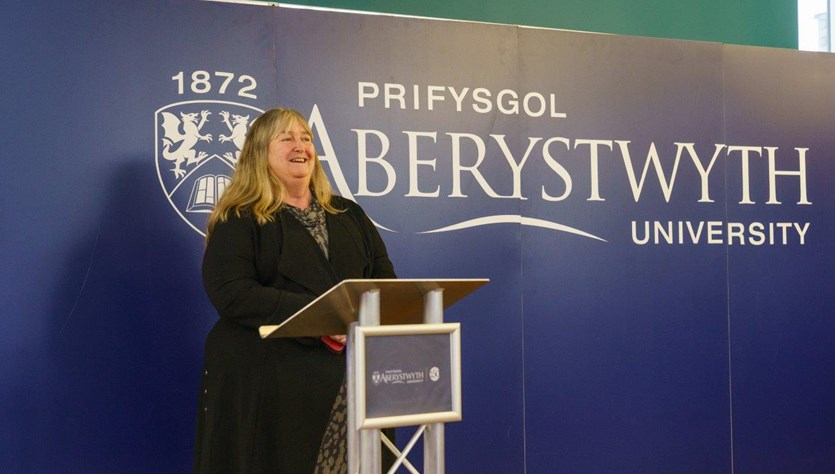
    A solar array producing at least a quarter of the electricity required by Aberystwyth University’s Penglais Campus has been officially opened today (Thursday 9 March 2023) by the Welsh Government Minister for Climate Change, Julie James MS.

    The green electricity development is expected to reduce the University’s carbon emissions by over 500 tonnes a year as well as deliver annual energy cost savings of over £450,000 based on current prices.

    Covering 3.8 hectares of land belonging to the University on Fferm Penglais, the array includes around 4,500 individual solar panels.

    Construction on the site has also included work to encourage greater biodiversity in surrounding hedgerows and drainage basins. With the development now fully operational, sheep can continue to graze the pasture around the panels.

    The £2.9m investment has been supported by the Welsh Government Energy Service and funded by a £2.6m loan from Welsh Government via Salix Finance Ltd and the University, with support from the Higher Education Funding Council for Wales (HEFCW).

    Minister for Climate Change, Julie James said: “I am delighted Aberystwyth University have progressed this solar development. The technical support from Welsh Government’s Energy Service and zero interest finance from the Wales Funding Programme operated on Welsh Government’s behalf by Salix Finance Ltd, has been vital to deliver the scheme.

    At times of high electricity prices, the return on this investment will be even greater than first envisaged. The way the scheme has delivered demonstrates once again that investing in clean energy can result in financial and carbon savings whilst enhancing biodiversity.”

    Julie James , Minister for Climate Change

    Professor Neil Glasser, Pro Vice-Chancellor for the Faculty of Earth & Life Sciences at Aberystwyth University, said: “As a University we are committed to tackle the challenges of climate change in as many ways as possible. We do so not only through our research and teaching but also through our strategic institutional aims. This solar array marks another key milestone towards the University’s aim of becoming a zero-carbon estate by 2030/31 and we are grateful to all those involved in this important development.”

    Mark Williams, Partnerships Director at Vital Energi said: “It’s a privilege to work alongside public sector organisations, such as Aberystwyth University, to help them meet their net zero targets and we’re delighted the first two phases of our work with them have had such a positive impact with respect to reducing both their emissions and their energy bills.  The solar array was a significant investment by the University to deliver an innovative project and we’re sure it will be an inspiration to other organisations looking to decarbonise.

    Joan Dayap, Programme Manager, Wales Team Salix Finance said: “Salix are proud to be supporting Aberystwyth University in decarbonising its estate with £2.6m of funding from the Wales Funding Programme, delivered in partnership with the Welsh Government and the Welsh Government Energy Service. The Solar PV array will generate financial savings for the University of over £450,000 at current energy prices and more than 500 tonnes of carbon annually. The University is a brilliant example of the innovative work taking place across the education sector in Wales, playing a crucial role in the nation’s journey towards net zero.”

    Over the past 10 years, Aberystwyth University has reduced its CO2 emissions by over 40 per cent and in 2019, the institution made a formal climate emergency declaration.

    In addition to the solar project at Fferm Penglais, the University has been working closely with the Welsh Government Energy Service which has provided a range of technical and commercial support to help identify, develop and deliver suitable green projects.

    In 2020, the University joined a consortium of UK universities to strike a £50m landmark green energy deal – the first time public energy users had collaborated on a deal of this kind to buy clean electricity.

  • Rochdale shines a light on clean energy as work on solar farm begins

    Rochdale shines a light on clean energy as work on solar farm begins


    Rochdale shines a light on clean energy as work on major solar farm begins

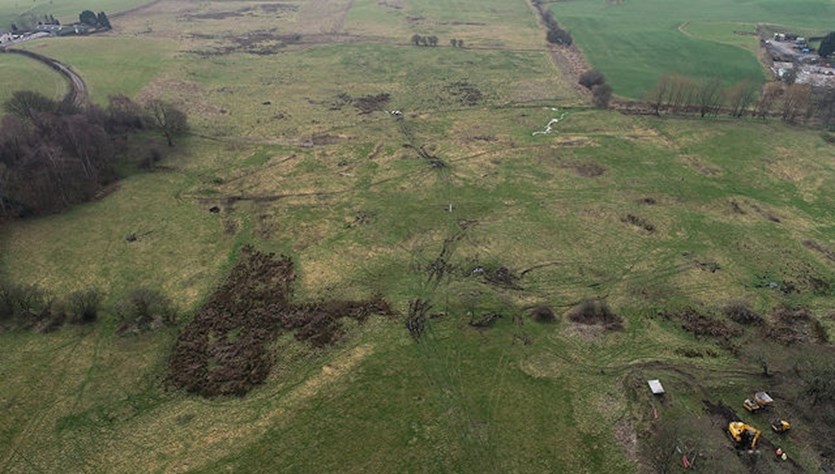
    Plans for a brand new solar farm in Heywood are powering ahead, with work beginning on site.

    The 10 hectare site, at Chamber House in Heywood, will be transformed over the coming months, with the new solar farm set to produce enough energy to power 1,700 homes.

    The electricity produced will be supplied to the national grid and used to offset the council’s annual energy bill, potentially saving the authority hundreds of thousands of pounds a year.

    The project was made possible after Rochdale Borough Council successfully bid for £3.3m funding from the European Regional Development Fund (ERDF).

    Chamber House

    Site of the Chamber House Solar Farm

    Solution detail

    Chamber House is only the second solar farm in the borough, following the installation of one at Rochdale Leisure Centre, which helps to power the facility.

    The Chamber House Solar farm will be able to produce 5.5 megawatts of electricity, which will make a significant contribution towards Greater Manchester’s target of increasing renewable energy generation by 45 MW before 2024 across the 10 boroughs.

    Liam O’Rourke, cabinet member for climate change and the environment, said: “It’s great to see this vital project heating up. It’s really important for Heywood and the wider borough. All local authorities in Greater Manchester have pledged to become net zero by 2038 and schemes like this show that Rochdale is more than playing its part to help us all reach this important target.

    In addition to helping us to tackle the ongoing climate emergency, this scheme will shave thousands off the authority’s annual energy bill, which is more important than ever, as costs continue to rise.”

    Liam O’Rourke, Rochdale Borough Council, Cabinet Member – Climate Change & the Environment

    The new solar farm, which is expected to be operational during autumn this year, is one of a number of schemes the council is delivering to help tackle the environmental crisis.

    The borough’s three largest leisure centres have all had solar panels installed on their roofs, as have a selection of primary schools and other council buildings, including the Green Lane Depot and some council-owned industrial units.

    The project is being delivered by Vital Energi. Operations Manager at Vital Energi, David Oatt, said: “This is an ambitious project to create a major new solar farm capable of generating 5.5MW and is a significant step on Rochdale’s net zero journey.  We are delighted to be working in partnership with Rochdale Borough Council on a project which will contribute to a cleaner, greener Greater Manchester as well as drastically reducing the council’s energy bills.”

  • West King Street Redevelopment Gets Heating & Cooling from vTherm° Units

    West King Street Redevelopment Gets Heating & Cooling from vTherm° Units


    West King Street Redevelopment to Receive Heating & Cooling from vTherm° Units

    Vital Energi are delighted to have been chosen to deliver a key part of the heating and cooling infrastructure on the West King Street Redevelopment which will see Ardmore transform the Grade II-listed Hammersmith & Fulham Town Hall and the building of 204 new homes on the Civic Campus site, of which more than half are genuinely affordable.

    The mechanical contractor STRUCKTOR Mechanical will install 117 Vital Energi’s vTherm°e Heat Interface Units (HIU) which act as the link between the district heating scheme and the residents’ in-home system, delivering heating and hot water into the home.

    West King Street will also see the installation of 87 prestigious properties with the combination of both vTherm°e Heat Interface Units (HIU) and our vTherm°c Cooling Interface Units (CIU) which will deliver heating, hot water and cooling to apartments.

    West King Street is an extremely exciting redevelopment which will create the new Hammersmith Civic Campus, and will be a fantastic addition to West London. This was the very definition of a collaboration with all parties which enabled the vTherm°c to be developed to best suit the client and meet the needs of the residents.”

    Brendan Clancy – Vital Energi, Group Business Development Manager

    Vthermc Boxed

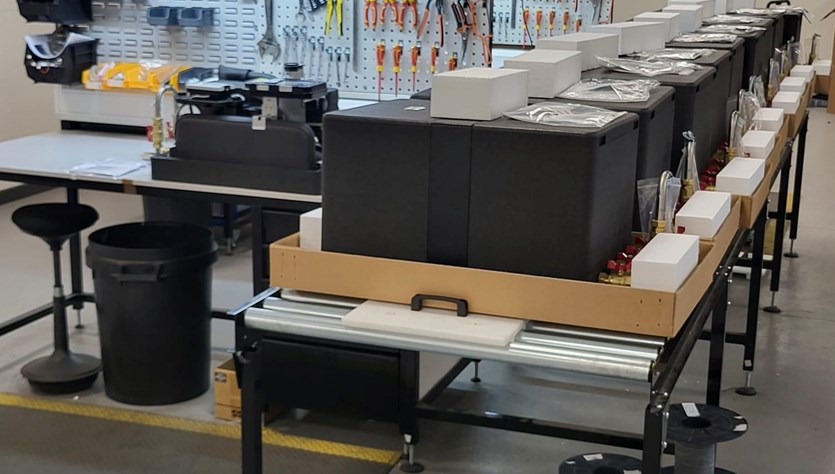
    vTherm°c units, waiting to be shipped to the West King Street development from our Blackburn Headquarters.

    Solution detail

    HIUs and CIUs are an essential component of any residential district heating scheme and they are a big factor in the overall efficiency of a scheme, so we’re delighted to be installing our vTherm° range of products to bring residents reliable, efficient heating and cooling.”

    Lance Colwyn, HIU Business Unit Manager , Vital Energi

    The Town Hall will be at the heart of the Civic Campus Scheme, with Developers creating an additional 4,500sqm glass box extension.  When complete, the mixed-use campus will include 204 new homes, community art and event spaces, offices and public spaces.

    The scheme is being delivered through a joint venture partnership between Hammersmith & Fulham Council and A2 Dominion.

  • Vital Energi Embrace Lower Carbon Technology in First for UK

    Vital Energi Embrace Lower Carbon Technology in First for UK


    Vital Energi Embrace Lower Carbon Technology in First for UK Heat Networks

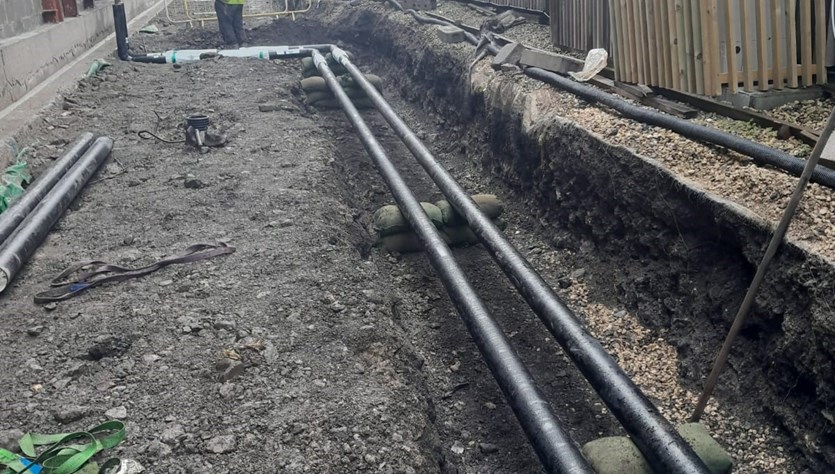
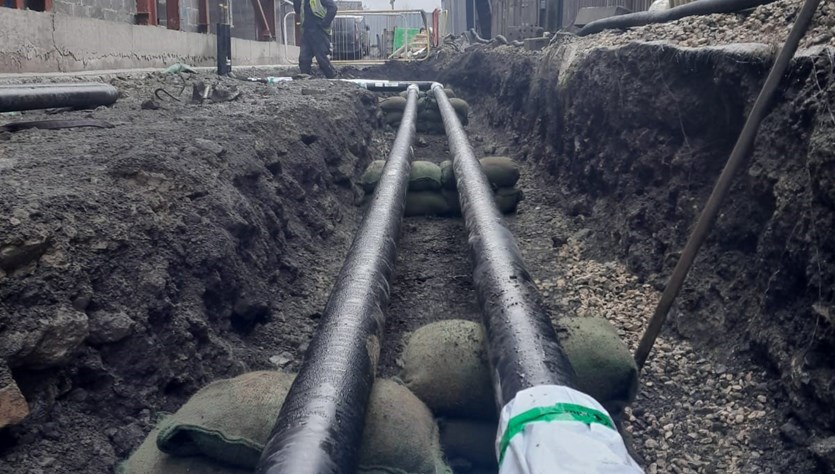
    Vital Energi are delighted to be installing a new, lower-carbon type of district heating pipework on the Ebbw Vale heat network in a UK first.

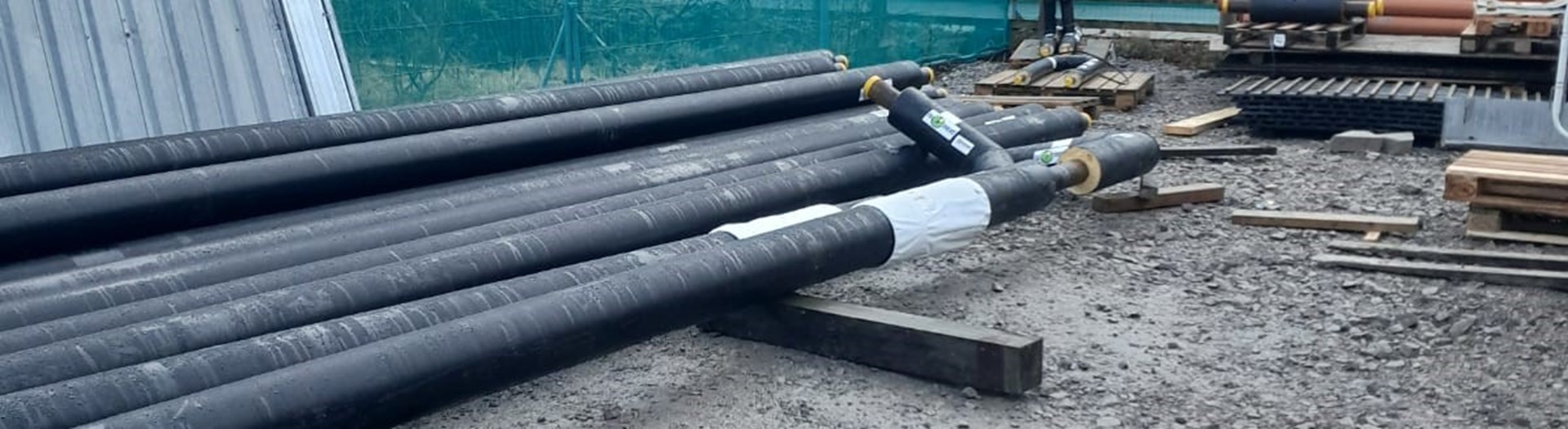
    All district heating has a protective outer coating to ensure longevity once it is buried underground, but on a new product called isonext, the outer casing is made from waste and remains of vegetable oil, refining processes or used cooking oil which is collected from industrial companies and restaurants.

    Isonext 3

    The product is being installed as a 113-metre extension on the larger 4km Ebbw Vale heat network.  The Ebbw Vale heat network is operated by Blaenau Gwent County Borough Council and takes heat from a centralised energy centre and supplies space heating and hot water to a number of buildings including council offices, Ebbw Vale Sports Centre, Ebbw Fawr Phase School and Gwent Archive Building.  The extension will connect the National Digital Exploitation Centre.

    Solution detail

    We don’t just think about the carbon saved from energy generation. We’re constantly looking at ways to lower the emissions from our products, services and operations, and this is a great step forwards for district heating as it lowers the embodied carbon in the pipework, is recyclable, but does not reduce quality of longevity of the product. We want to have the lowest environmental impact possible when delivering heat network schemes and by harnessing natural products in the creation of the pipework, rather than creating fossil fuel-based materials, we’re helping our clients take another step on their net-zero journey”

    Ashley Walsh, Vital Energi – Managing Director Heat Networks

    Isonext 2

    Isonext Is produced by Danish manufacturers isoplus who claim that the new way of manufacturing their polyethylene outer coating saves 1.9 tonnes of C02 for every 1 tonne of material produced, has International Sustainability and Carbon Certification and complies fully with EN 253 standards.

    Solution detail

  • Minister visits Morriston Hospital’s high performing solar farm

    Minister visits Morriston Hospital’s high performing solar farm


    Minister visits Morriston Hospital’s high performing solar farm

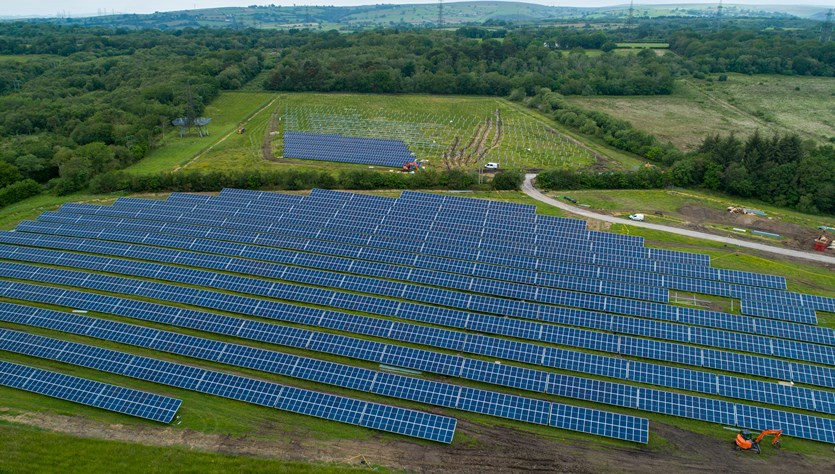
    The energy crisis means the UK’s first direct wired solar farm developed to power a hospital will generate far greater savings than could have been predicted. It went live in October last year and is expected to produce a fifth of Morriston Hospital’s energy consumption every year.

    Even during the winter months there have been days when it has generated enough to power the entire hospital – and on occasions with electricity to spare to export to the National Grid. This is despite only operating during the shortest days of the year.

    The £5.7m solar farm was built thanks to a loan scheme set up by the Welsh Government to decarbonise the public sector by 2030, and is repayable on an invest to save basis. It is estimated that the hospital has already saved an estimated £120,000 in electricity bills since it was switched on in November, and is projected to save 1000 tonnes of carbon and £500,000 per year in bills when fully operational. It has already produced 30,000 kWh surplus energy that’s been sold back to the energy grid at a profit to the hospital.

    Swansea (1)

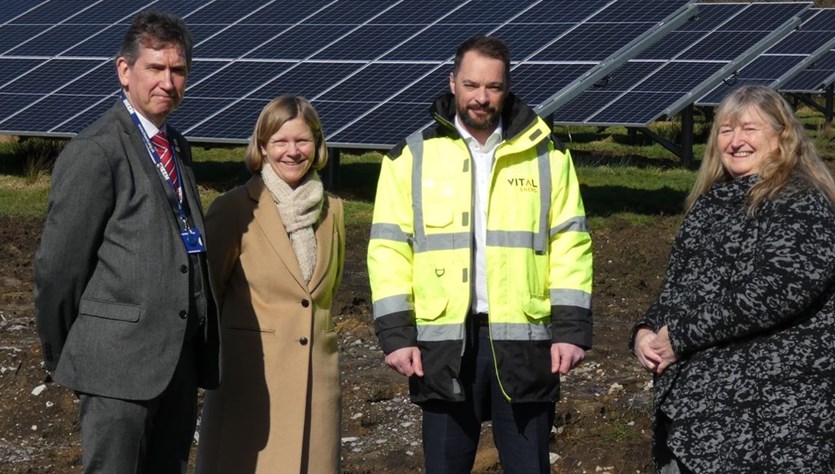
    Caption: Des Keighan, Swansea Bay UHB Assistant Director, Estate, Swansea Bay UHB Chair, Emma Woollett, Scott Lutton, from Vital Energi and Welsh Government Minister for Climate Change, Julie James, at the Morriston Hospital solar farm.

    Solution detail

    This project demonstrates the commitment and ambition of both Swansea Bay UHB and Welsh Government to meet their net zero targets. Through enhancement of their energy infrastructure, Swansea Bay UHB have been able to maintain the highest levels of resilience, whilst significantly improving efficiency and harnessing renewable technology to create a true 21st century energy solution.

    Scott Lutton – Vital Energi, Operations Director – North & Scotland

    Visiting the 4MW project on Brynwhillach Farm, which is linked to Morriston by a 3km private wire, Minister for Climate Change Julie James said:

    “We want our energy to come from community owned and locally run renewable energy sources in Wales. This will ensure our supply is resilient, reliable and reasonable for both our planet and our pockets.

    “We have bold ambitions to decarbonise the public sector by 2030. Morriston Hospital – which depends not only on the powers of its staff, but also the energy hungry machines to keep their patients alive and well – have blazed the trail in their switch to renewables, which makes sense both financially and to the health of the people of Wales.

    “Our addiction to fossil fuels is proving harmful, volatile and no longer viable. In Wales we will continue to accelerate our investment in renewable energy and energy efficient measures such as those adopted at Morriston hospital, and call on the UK Government to support a socially just transition to Net Zero as we respond to the climate emergency.

    “The IPCC have rung the clarion call for our planet, now we must listen and respond to the science.”

    Chair of Swansea University Health Board, Emma Woollett, said:

    “I am delighted that the solar farm’s performance has already exceeded our initial expectations. The health board’s aim is to reduce its carbon footprint and maximise opportunities to use renewable energy sources.

    “The solar farm will play an important part in achieving that aim, but there is also an additional benefit in terms of cost savings. It is not only lowering our electricity costs every day, but on some days covering 100% of our electricity needs.

    “With the current volatile situation with energy prices, this really shows that the investment and the long-term thinking on behalf of the health board has paid off.”

    Vital Energi Swansea Bay University Health Board Solar Farm South Field Complete 3

    It has estimated that the Solar Farm has saved an estimated £120,000 in electricity bills since going live in November 2021.

    Solution detail

    Since being switched on, the 10,000-panel solar farm has produced enough energy to power 190 three-bedroom houses for a year, or to boil almost 200,000 kettles.

    The four megawatt farm was anticipated to reduce the hospital’s electricity bill by around £500,000 a year. But with world energy prices spiralling, the actual savings could be almost double that figure.

    A few years back, Swansea Bay University Health Board was awarded £13.6 million, on an invest-to-save basis, to bring down its energy costs and reduce its carbon footprint by around 5,000 tonnes a year. The money was awarded through Re:Fit, a national programme, supported by the Welsh Government. Following an extensive selection process, the health board selected Vital Energi as its partner.

    Phase one, a range of energy conservation measures at Morriston and Singleton hospitals and other health board premises, was completed last year at a cost of £7.7 million. The solar farm, developed on a 14-hectare site at a cost of £5.9 million, comprised the second phase.

    Swansea Bay’s Assistant Director of Operations, Des Keighan, said the hospital previously used around 20 gigawatts of electricity a year.

    “The first phase of energy saving measures reduced the hospital energy demand to 16 gigawatts a year,” he said.

    “The solar farm will reduce the need to import energy from the grid by a further four gigawatts over the course of a year.

    “It was expected that over the winter months the solar farm would contribute electricity, but that the hospital would still need to continue to buy power from the grid every day. What has come as a pleasant surprise is that for a total of 50 hours, the hospital has been entirely powered by the solar farm, and nearly 30,000 kilowatts sold back to the National Grid. This is despite the fact that the solar farm hasn’t been operating continually over the winter.

    “It has still been undergoing tests and fine-tuning, and is not due to be completely finished until the end of March. So this additional performance has been even more of a bonus.”

    Since October, the solar farm has produced 598,000 kWh (kilowatts an hour) of energy. That is enough to:

    • Power 190 three-bedroom houses for a year;
    • Boil 196,333 kettles;
    • Power 4,496 55-inch TVs or 196 washing machines for a year;
    • Drive a Tesla Model Y car 2,103,571 miles.

    But it doesn’t end there. Factor in the first phase energy saving measures and the overall drop in electricity demand from October until February at Morriston is nearly 1.5 million kilowatts. That is sufficient to:

    • Power 484 three-bedroom houses for a year;
    • Boil 500,000 kettles, power 11,450 TVs or 500 washing machines for a year;
    • Drive the same Tesla car 5,357,143 miles.

    Mr Keighan said the value of the savings was also expected to be considerably higher than expected because the world situation meant energy prices were increasingly so rapidly.

    “When this started, electrical prices were around 13p per kilowatt hour (kWh) from the Grid,” he said.

    “This morning it was 25p per kWh. That’s not far off doubled, with prices expected to increase over the coming weeks.

    “We want to extend the solar farm by installing another 1MW of solar panelling and also install 2MWh battery for storage

    “We get two to three pence per kW if we export. And at the moment electricity from the Grid is costing us around 25p a KWh and from April that could be as high as 50p. So using it ourselves makes far more sense and we are trying to secure funding for that, and we hope that will be the next stage.”

    Additionally, the solar farm will save around 1,000 tonnes of carbon a year, on top of the 4,000 tonnes saved by the first phase

  • Success for Queens Quay at the Scottish Green Energy Awards 2021

    Success for Queens Quay at the Scottish Green Energy Awards 2021


    Success for Queens Quay at the Scottish Green Energy Awards 2021

    Microsoftteams Image (70) (3)

    The Queens Quay heat pump project in Clydeside has added another accolade to its growing collection after claiming top honors at the Scottish Green Energy Awards.

    The project was a finalist in three categories and was named winner of the 2021 Carbon Reduction Award.

    Councillor Iain McLaren, Convener of Infrastructure, Regeneration and Economic Development, said: “I am thrilled that West Dunbartonshire Council’s Energy Centre and heat network has been recognised at this important event. This project delivers low carbon heat, helping us to reduce our organisation’s carbon footprint as we work towards our ambition of being net zero by 2045, and also offers our residents access to affordable heating.  Well done to all involved.”

    Solution detail

    West Dunbartonshire Council 2

    The Queens Quay project was shortlisted in the following categories:

    • Sustainable Development Award
    • Carbon Reduction Award
    • Outstanding Project Award

    This is the third award the project has received this year, after being named Heat Pump City of the Year by the European Heat Pump Association and highly commended in the H&V News Awards Heat Pump Project of the Year category.

    Congratulations to West Dunbartonshire Council on another award success.

    Solution detail

    Queens Quay is the first major water source heat pump project to demonstrate that we can harness the heat in our rivers, seas, and estuaries, which will be a game changer as we move to electrify heat. West Dunbartonshire Council have been pioneers in this area and shown how renewable energy can be a huge contributor on the journey to net zero. We now look forward to the heat network expanding and allowing more customers to access low-carbon, more affordable heat.

    Scott Lutton, Operations Director (North) – Vital Energi

  • Vital Net Zero success at the ADE Awards

    Vital Net Zero success at the ADE Awards


    Vital Net Zero success at the ADE Awards

    We’d like to congratulate our fantastic clients after they were recognised for their work in helping the UK on its Net Zero Journey.

    Our partnerships with Leeds City Council and Ener-Vate on the Leeds PIPES Project scooped the Heat and Efficiency (Operational) Award and we also took the Special Award for Contribution to Net Zero for our work with West Dunbartonshire Council, Leeds City Council, Southwark Council and Swansea Bay University Health Board.

    The ADE Awards are the most prestigious awards in our industry, and this is the first time this the Contribution to Net Zero award has been presented to an organisation rather than a specific project, which highlights the important work we have been doing in partnership with our clients.

    We were particularly impressed with the sheer breadth and number of shortlisted applications that came from Vital Energi this year. They’re clearly a major player and a major contributor to achieving net zero in heating in the UK with schemes using water source heat pumps, ground source heat pumps, energy from waste and solar arrays – you name it, Vital are there. We were impressed with this huge range and their huge contribution to cutting carbon emissions. Well done Vital Energi!

    Stephen Knight – Heat Trust, ADE Awards Judge -Contribution to Net Zero

    Queens Quay Water Source Heat Pump Network

    Queens Quay 14

    The Queens Quay WSHP project is a UK first which will serve 1,200 homes, and public buildings, providing low carbon heat from the River Clyde. The custom-built energy centre houses two 2.65MW WSHPs and a thermal store.

    The project will eventually deliver 5,705 tonnes of CO2 reduction and is a great example of the decarbonisation, digitalisation and electrification of heat.

    Solution detail

    Leeds PIPES Energy from Waste Heat Network

    Leeds City Centre 2

    The Leeds PIPES heat network is a landmark project which has demonstrated how towns and cities can generate rapid carbon reduction. The scheme has already seen 26.5km of district heating installed, connecting 1,983 homes and 7 civic buildings with more connections completed recently and more planned for the future.

    The project utilises waste heat from the local EfW plant, will account for 16,256 tonnes of CO2 reduction per year & alleviate fuel poverty.

    Solution detail

    Southwark Heat Pumps – Consort Estate, Wyndham Estate and Newington Estate

    Southwark

    Southwark Council are decarbonising their existing gas fired heat networks across three local estates, benefitting over 2,000 properties with a lower carbon heat supply. Saving 3,362 tonnes of carbon a year, this is the first-time water source heat pumps have been retrofitted within an existing high temperature heat network in London.

    Solution detail

    Swansea Bay University Health Board

    Approved DJI 0007

    The Trust’s multi-phase RE:FIT project has pioneered an innovative blend of renewable energy generation and energy conservation measures including the creation of the UK’s first solar farm dedicated to supplying an NHS hospital.

    The primary focus of the project was to deliver substantial and rapid decarbonisation to help the health board meet their net zero commitments.

    Solution detail

    Two of Vital Energi’s other projects were in contention on the night, having been named as finalists in their respective categories.

    Northwick Park Hospital, in partnership with London North West University Healthcare NHS Trust – Integrated Energy

    Vital Energi are guaranteeing savings of £1.9m a year for London North West University Healthcare NHS Trust and are reducing carbon emissions by 2,581 tonnes a year at Northwick Park Hospital. This is through a fully integrated, self-funding, multi technology energy solution which will help decarbonise the Trust, as well as creating a smart grid from which the local community will also benefit.

    Oakshott Court, in partnership with Danfoss and Camden Council- Heat & Efficiency (Digital Innovation)

    We have partnered with Danfoss to introduce revolutionary AI software technology at Camden Council’s Oakshott Court, which in just 7 months has reduced the site’s energy consumption by a third, helping the borough transition to a low carbon future. By simple modernisation of the heat network through the deployment of digital technology, we have provided improvements to the heating system benefitting 114 homes.

  • Work Begins on Aberystwyth University Solar Installation

    Work Begins on Aberystwyth University Solar Installation


    Work Begins on Aberystwyth University Solar Installation

    Low-carbon electricity at Aberystwyth University has moved a step closer after work began on the installation of a major new solar PV array.

    The £2.9m investment will provide up to 25% of the annual electricity needs of the Penglais Campus and reduce the University’s carbon emissions by just over 500 tonnes annually, and up to 12,000 tonnes over its anticipated 25 year working life.

    Covering an area of 3.8 hectares of University owned land on Fferm Penglais, the new array will feature more than 4,500 individual solar panels and is scheduled to be fully operational by the end of July 2022.

    The electricity generated is expected to reduce annual energy related emissions by 8% across the University’s entire energy portfolio (gas and electricity) and contribute to fulfilling the University’s objective of a zero-carbon estate by 2030/31.

    And, at a time of rising energy costs, the project is expected to deliver financial savings of over £325,000 per annum and over £13m over the lifetime of the project.

    We are delighted to be getting construction work underway on this exciting new project which reflects the University’s commitment to reducing our dependence on fossil fuels and cutting our greenhouse emissions. Our ambition is for the University’s estate to become carbon neutral by 2030/1. This solar development is an important step towards realising this aim, however there is much that remains to be done as we tackle some of the underlying challenges society faces and we work to decarbonise our economy for the good of the planet.

    Professor Neil Glasser, Pro Vice-Chancellor at Aberystwyth University

    The Welsh Government Energy Service was approached back in 2018 to evaluate Aberystwyth University’s renewables potential. We helped identify an appropriate site by carrying out initial feasibility modelling, and we provided advice on the development of a business case to secure the investment needed. This is another great example of the Welsh higher education sector leading the way towards net zero and we are excited to see this project coming to life.”

    Brian Drysdale – Development Manager, Welsh Government Energy Service

    1 3 Photo (2) Copy

    Expected to be carbon neutral within the first few years of its working life, construction on the site will also include work to encourage greater biodiversity in surrounding hedgerows. Once fully operational, sheep will continue to graze the pasture around the panels.

    Solution detail

    Aberystwyth University has made some strong progress in meeting its carbon reduction targets and the solar PV array is another significant investment which shows how committed it is to achieving net zero. Whilst the primary driver for this project has been carbon reduction, renewable electricity has the additional benefit that it will insulate the University from the rising price of energy.”

    Scott Lutton, Operation Director-North & Scotland-Vital Energi

    Salix are proud to be supporting Aberystwyth University in delivering this phase of their Re:Fit Scheme, with £2.6m of funding from the Wales Funding Programme, in partnership with the Welsh Government. The Solar PV Array project will play an important role in the work to decarbonise the public sector in Wales, with more than 500 tonnes of carbon estimated to be saved each year”

    Hayley Bristow, Programme Coordinator for Salix Finance Ltd

    1 1 Photo (2)

    Over the past 10 years, Aberystwyth University has reduced its CO2 emissions by over 40% and in 2019 declared a climate emergency.

    Vital Energi also worked with Aberystwyth University to complete a £3m energy performance contract as part of the Welsh Government backed RE:FIT programme which is designed to make buildings more energy efficient.

    The Welsh Government Energy Service has supported the University, providing a range of technical and commercial support, to help identify, develop and deliver suitable projects such as the solar project at Fferm Penglais.

    The University is also a member of a consortium of UK universities to strike a £50m landmark green energy deal, the first time public energy users have collaborated on a deal of this kind to buy clean electricity.

    Solution detail

  • 48 Homes Set for Low Carbon Heat in Dalmarnock

    48 Homes Set for Low Carbon Heat in Dalmarnock


    48 Homes Set for Low Carbon Heat in Dalmarnock

    Dalmarnock took another step towards its net zero targets recently when work began on the district heating system which will connect Keepmoat’s Arrolbridge development to the £6m Clyde Gateway heat network.

    Vital Energi are delivering the 12-week programme of works which will see the main network, which it delivered in 2020, extended by 1km to connect 48 new homes.

    Dh3

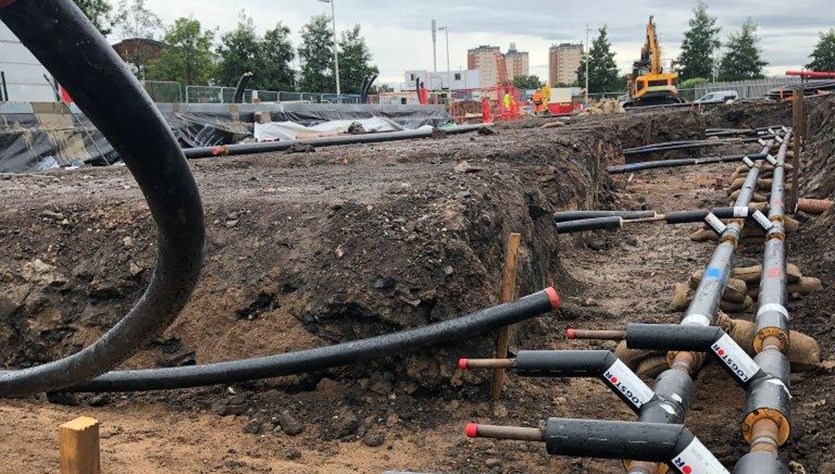
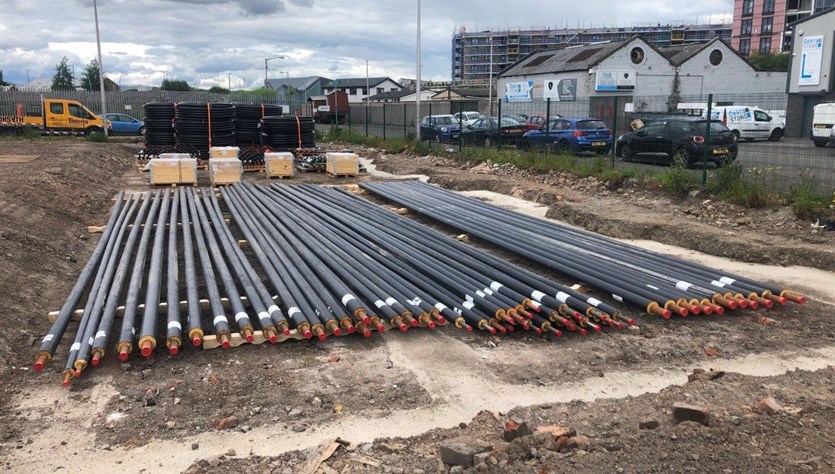
    Vital Energi worked closely with the developers to create an innovative flexible steel pipe solution which will enter homes through a pre-installed duct, allowing the business to progress with construction of the development whilst district heating works take place at the same time.

    In addition to the district heating network, Vital Energi will also provide its vTherm°e heat interface unit, which will convert heat from the network into useable heating and hot water for residents, providing a complete turnkey, low-carbon system.

    Solution detail

    We’re thrilled to be working on this development to bring this low energy heating solution to residents in Dalmarnock. We are looking forward to providing much needed family homes to the area, which, as well as being connected to this innovative district heating network, will feature energy saving and environmentally friendly features for our customers. Our Arrolbridge development has been designed for a new era of living, with flexible home office spaces included in each property and all homes encircling a central green public open space with play facilities.”

    Spokesperson, Keepmoat

    DH2

    The Arrolbridge development will include a range of two-, three- and four-bedroom houses, which will have energy efficient designs for a lifetime of low energy bills, including enhanced insulation and solar PV panels. These will also be the first residential properties to connect to this district heating network.

    Solution detail

    Ashley Walsh, Managing Director – Heat Networks commented: “Keepmoat wanted this development to be of the highest environmental standards and have installed measures such as enhanced insulation and Solar PV panels on this development. The connection to the district heating network will further drive down the carbon emissions of the development, which will be another positive step for Dalmarnock on its net zero journey.

    “It is fantastic to see much-needed homes being delivered just 3km from Glasgow town centre and this is another great addition to Dalmarnock’s green energy infrastructure.”