Category: Uncategorized

  • Councillors Tour New Solar Facilities at Westminster Leisure Centre

    Councillors Tour New Solar Facilities at Westminster Leisure Centre


    Councillors Tour New Solar Facilities at Westminster Leisure Centre

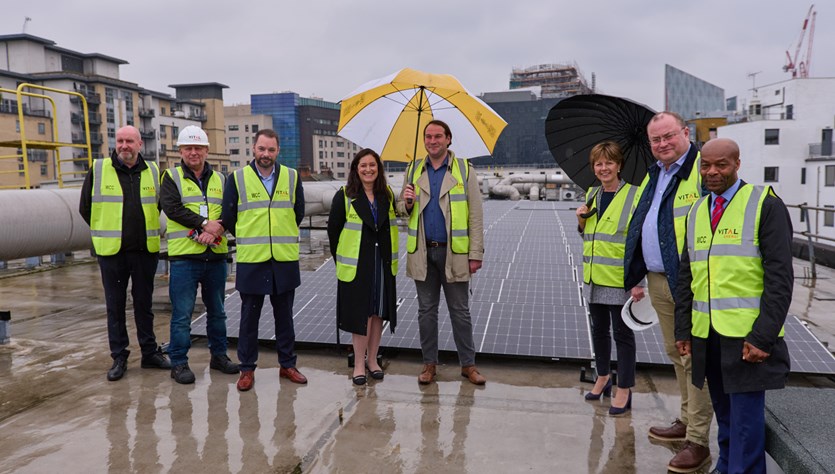
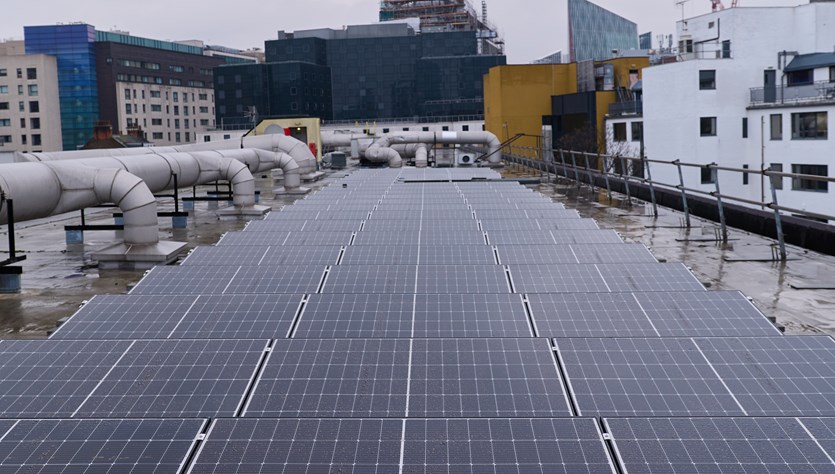
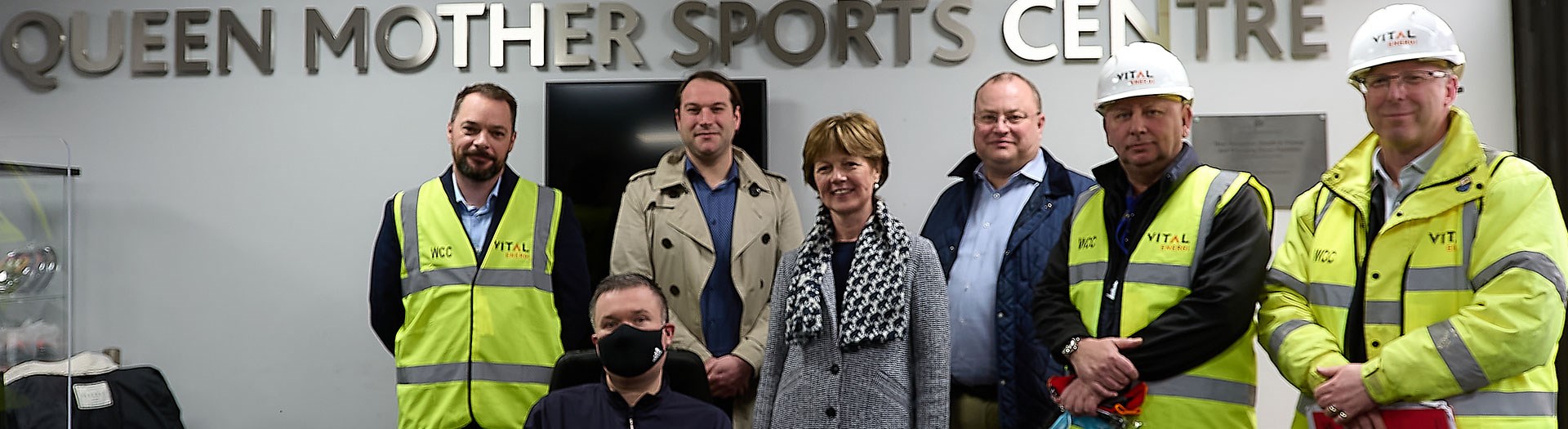
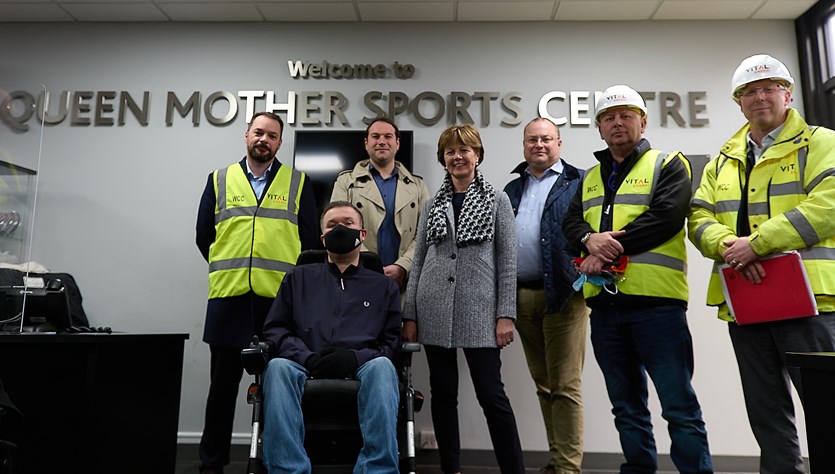
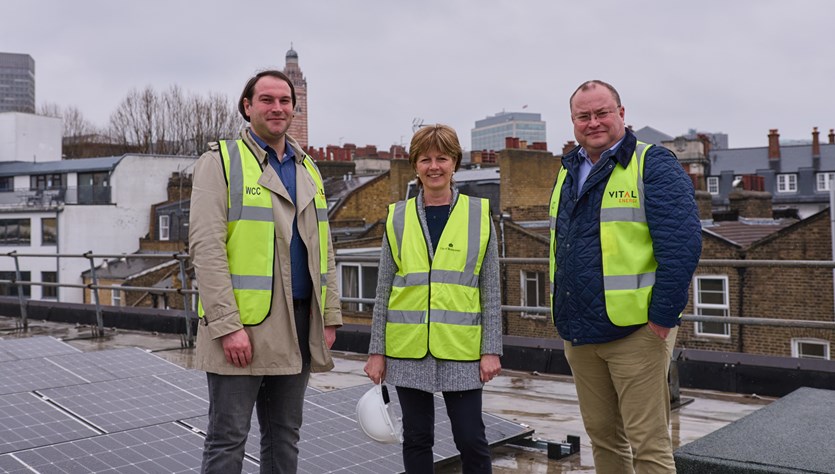
    Vital Energi have completed the rooftop solar PV project at the Queen Mother Sports Centre as part of a £13m RE:FIT project and the leader of Westminster City Council, Cllr Rachael Robathan joined other council members and Vital Energi for a tour of the installation.

    The work at the Queen Mother Sports Centre is one of  twelve solar installations taking place which    will see approximately 1550 panels installed. These panels will generate 550kw of zero-carbon electricity and result in over 40 tonnes of carbon reduction per year.

    This is a major project which will see improvements delivered to 70 buildings and reduce emissions by almost 1,700 tonnes per annum. By harnessing a range of technologies and focussing on carbon reduction, this project will play a large role in helping Westminster City Council reach their net zero target. We are delighted that the solar panels are now in place and will deliver zero carbon electricity to both the Queen Mother and Moberly leisure centres, but this work is one small part of a much bigger project and we look forwards to the other energy saving technologies coming online and further reducing carbon emissions.

    Scott Lutton, Operations Director, Vital Energi

    Attending the event were:

    • Cllr Rachael Robathan – WCC – Leader of the Council
    • Cllr Paul Swaddle – Cabinet Member for Finance and Corporate Property
    • Cllr James Spencer – Cabinet Member for City Management
    • Gerald Almeroth – Executive Director for Finance and Resources WCC
    • Claire Barrett – Director of Corporate Property WCC
    • John Hamilton – Head of Service Development WCC
    • Paul Casey – Energy Officer WCC
    • Scott Lutton – Operations Director Vital Energi
    • David Oatt –Operations Manager, Vital Energi
    • Paul Carnew – Senior project Manager
    • David O’Dowd – Senior project Manager

    Works included in the RE:FIT project include:

    • Lighting – Replacing approximately 12000 lights across  60 Westminster sites.
    • BMS – Optimisation works and upgrades to BMS systems across 18 Westminster sites.
    • Thermal Insulation – Improvements have already been made to 22 of the council’s sites.
    • EC Fan Upgrades – Replacing 46 fans across two sites.
    • Heat Pumps – Installing 1.8 MW of air source heat pumps to provide lower-carbon heating.
    • Draught Proofing – completing works to seal windows/doors to reduce heat loss on X sites.

    The RE:FIT project will see energy upgrades delivered at council-owned buildings throughout the City of Westminster and is funded by a £13m grant via the Department for Business, Energy and Industrial Strategy’s Public Sector Decarbonisation Scheme and is the largest grant of its type to be awarded to a London Local Authority.
  • Final Sections Added to Manchester’s 40m Tower of Light

    Final Sections Added to Manchester’s 40m Tower of Light


    Final Sections Added to Manchester’s 40m Tower of Light

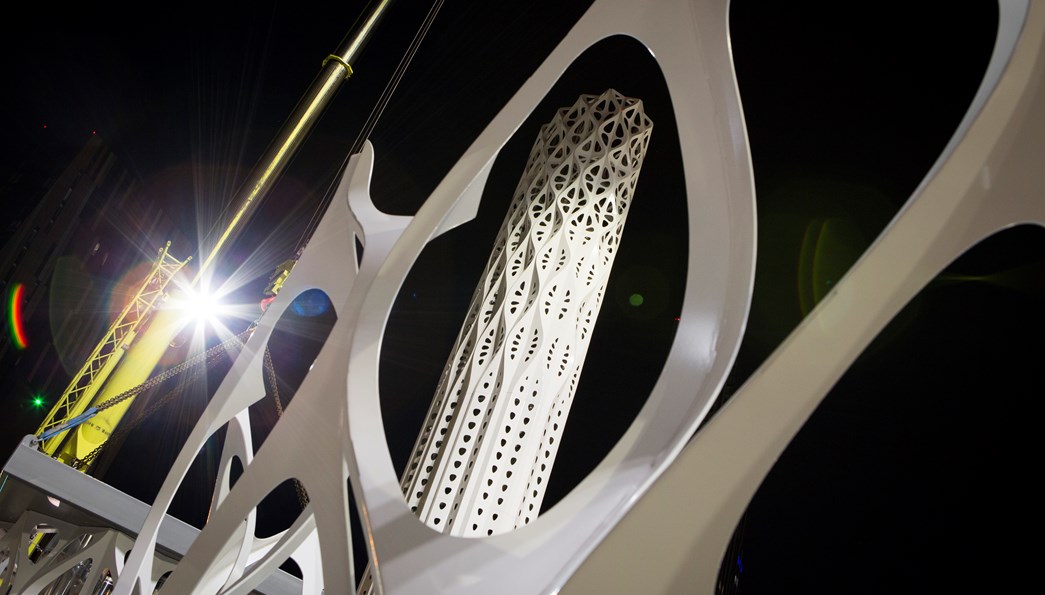
    The final sections of the 40m high Tower of Light were installed on Thursday 30th July, marking a significant milestone in the Manchester Civic Quarter Heat Network project.   The completion of the Tower of Light construction concludes an almost three-year process.

    The tower is made up of nine sections called “drums”, with each one measuring 4m wide, 6m long and 4m high, plus a 1.8m crown section.

    Vital Energi carried out the works within a 4.5-hour period during the night. Once the project is complete, the Tower of Light will act as the chimney for the low-carbon energy centre.

    The network will generate low-carbon heat and power for the city, helping Manchester to reach its ambition of becoming zero-carbon by 2038 at the latest.  It will initially serve seven iconic city centre buildings and has the potential to grow by connecting further buildings across the city centre in the future.  The first buildings to be connected to the network will be Manchester Town Hall and Town Hall Extension, Central Library, Manchester Central Convention Centre, The Bridgewater Hall, Heron House and the Manchester Art Gallery.

    The scheme is projected to save an initial 1,600 tonnes of carbon emissions per year and the energy centre will become even more efficient as additional buildings are connected.

    Containing a 3.3MWe CHP engine and two 12MW gas boilers, the energy centre will generate electricity and harness the recovered heat from this process for distribution via a 2km district heating network, which will supply heat for the buildings.

    The scheme has been part-funded by a £2.87m grant from the Government’s Heat Network Investment Project (HNIP), with Manchester City Council being one of the first local authorities to receive this funding.

    Anthony Shawcross, Senior Construction Manager for Vital Energi commented; “This project is much more intricate than a standard flue due to its complex geometry but will hopefully become an iconic part of Manchester’s skyline.  We’re delighted with how smoothly the installation went and we hope the people of Manchester will now enjoy it for many years.”

    The Tower of Light is an impressive new landmark for Manchester and a symbol of Manchester’s ambitious aim of becoming a zero-carbon city by 2038 at the latest. On completion, the Civic Quarter Heat Network project will realise significant carbon savings, supporting the council’s current plan to halve its own emissions by 2025.

    Angeliki Stogia , MCC’s Exec Member for the Environment

  • PSDS secures sustainable future for Hospital of St Cross

    PSDS secures sustainable future for Hospital of St Cross


    PSDS secures sustainable future for Hospital of St Cross

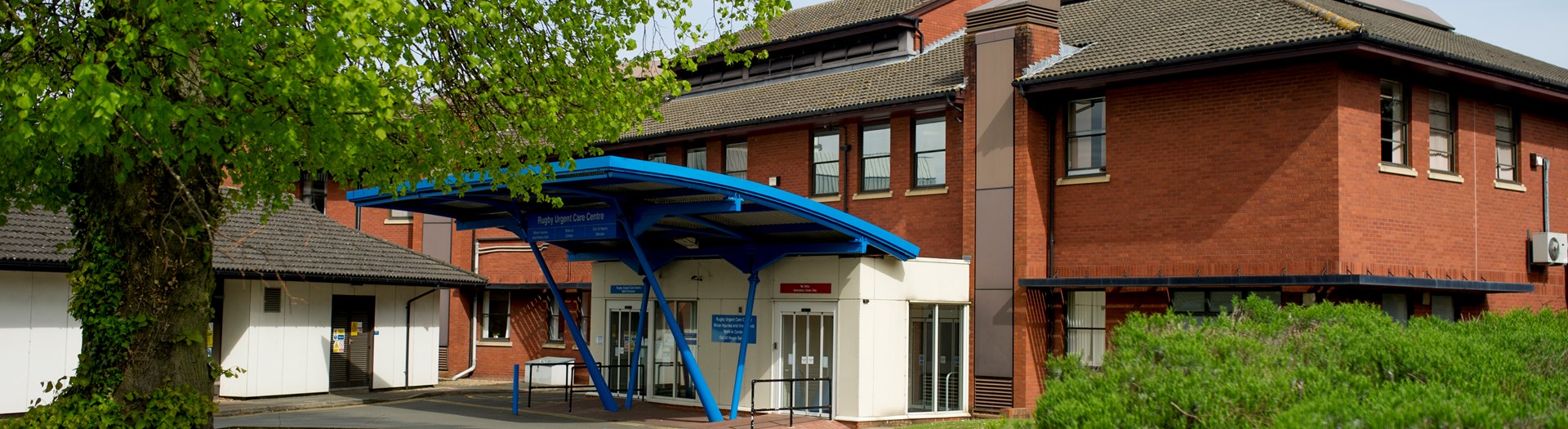
    Vital Energi is implementing a host of renewable energy solutions at the Hospital of St Cross, Rugby, thanks to successful Public Sector Decarbonisation Scheme funding of £4m.

    As part of the University Hospitals Coventry and Warwickshire NHS Trust’s green plan, Vital Energi helped them secure funding from the Department for Business, Energy and Industrial Strategy (BEIS) as part of PSDS Phase 3, delivered by Salix Finance.

    The scheme aims to put the public sector at the forefront of decarbonising buildings in the UK. The Trust will use the funding to install low carbon heating solutions to replace fossil fuel fired equipment as part of their roadmap to reach net zero by 2040.

    Significantly reducing the Trust’s carbon footprint, plans include the installation of energy conservation measures, comprising a 200kW air source heat pump (ASHP), thermal insulation measures, and the removal of a fossil fuel-fired plant, all to make the hospital site more energy efficient.

    A solar array of 1,250 solar panels covering 2,403m2 producing 500kWp will also be installed on the available roof spaces across the estate.

    University Hospitals Coventry and Warwickshire NHS Trust’s Chief Executive Officer, Professor Andy Hardy, said:

    “It is terrific news to hear our application has been successful and we can press ahead with this work. Not only will it help the Trust’s goals in terms of energy conservation and support the delivery of the Trust’s Green Plan, but it will provide a positive financial saving going forward that can be reinvested in patient care.”

    “PSDS is a great opportunity for public sector organisations to make strides on their decarbonisation journey and we’re delighted to have successfully supported The Hospital of St Cross through their PSDS application. We’re looking forward to installing the multi-technology energy solution we’ve designed which will save over 600 tonnes of carbon per year and accelerate the hospital’s journey to net zero by 2040.”

    Ashley Malin, Managing Director of Vital Energi (Solutions)

    To enable site-wide utilisation of heat from the ASHP, Vital Energi will also implement a district heating network to interconnect the heating loads of the three areas of the site currently served by three separate energy centres.

    As well as supplying low carbon heat across the estate and improving local air quality, this will reduce maintenance costs associated with gas-fired boilers and enable connection of further low-carbon generation systems at a later date. It will also improve the energy supply resilience, which is essential for a hospital providing patient services 24/7.

    Business and Energy Minister, Lord Callanan, said:

    “Using cleaner technology to heat our civic buildings is helping to shield public sector organisations from costly fossil fuels, especially at a time of high global prices. This funding will bring significant savings for taxpayers of well over half a billion pounds each year by making public buildings cheaper to run, heat and cool, whilst supporting economic growth and jobs across the country.”

    Salix Client Support Officer, Gbenga Adenaike, added:

    “We are delighted to be able to support the University Hospitals Coventry and Warwickshire NHS Trust meet its net zero and energy saving goals. This project will have a positive impact on the staff, visitors and of course the patients.”

    The scheme is being delivered under the Carbon and Energy Fund (CEF).

  • Supporting the Palace of Westminster’s low carbon future

    Supporting the Palace of Westminster’s low carbon future


    Supporting the Palace of Westminster’s low carbon future

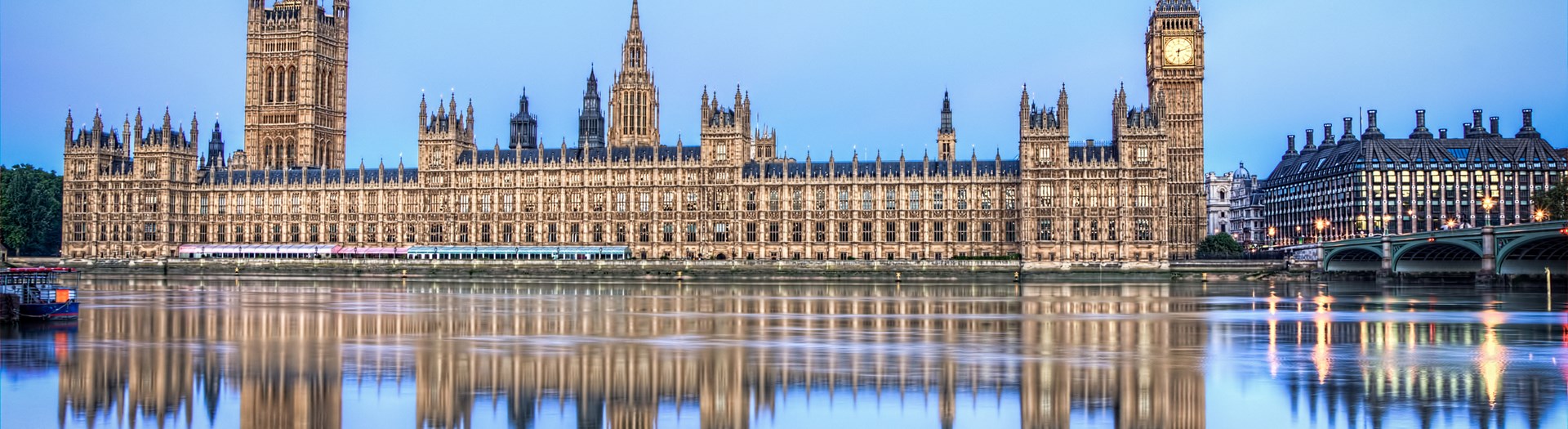
    We’ve been sub-contracted to support the Palace of Westminster’s Restoration & Renewal Programme, where we’re completing an early concept feasibility study on the application of water source heat pumps to reduce the carbon footprint of the Palace.

    The iconic Palace of Westminster, home of Parliament, has played a unique role in our political history for 900 years and now it needs urgent repair.

    Work has started on extensive surveys and inspections throughout the Palace to better understand the condition of the building, and thanks to our extensive experience in the design and installation of heat pumps, we have been asked to compile a comprehensive feasibility study into the use of water source heat pumps.

    We will assess and quantify the potential available energy from the River Thames and detail how river heat exchange and boreholes can be used in tandem to ensure the most resilient and robust heating and cooling supply arrangement. We’ll also review options and make recommendations for the optimum heat pump technologies and arrangement.

    The Restoration and Renewal Programme is committed to embedding sustainability across all phases of the works. Sustainability aspirations and objectives have been developed and will be used to steer design, construction and operational decisions.

    Through the feasibility study, we’ll be supporting the delivery of one of the Programme’s key sustainability aspirations which is, “delivering resilience using innovative technology to maintain operation in a changing climate. Optimising building performance, establishing long term maintenance strategies and sustainable logistics.”

  • Westminster City Council visit exemplary Southwark project

    Westminster City Council visit exemplary Southwark project


    Westminster City Council visit exemplary Southwark project as they work towards net zero

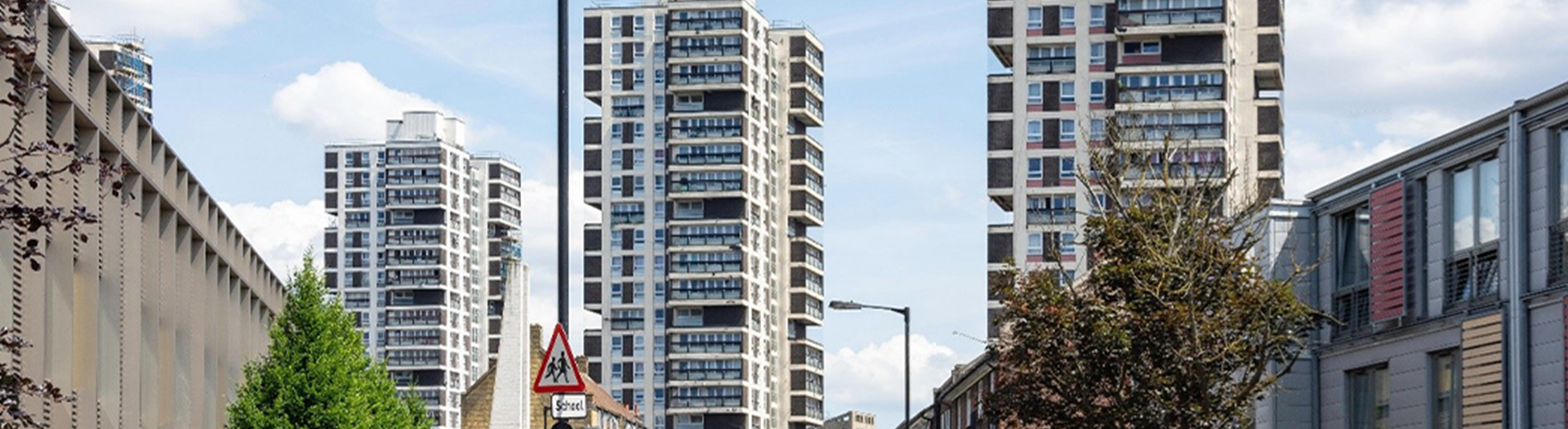
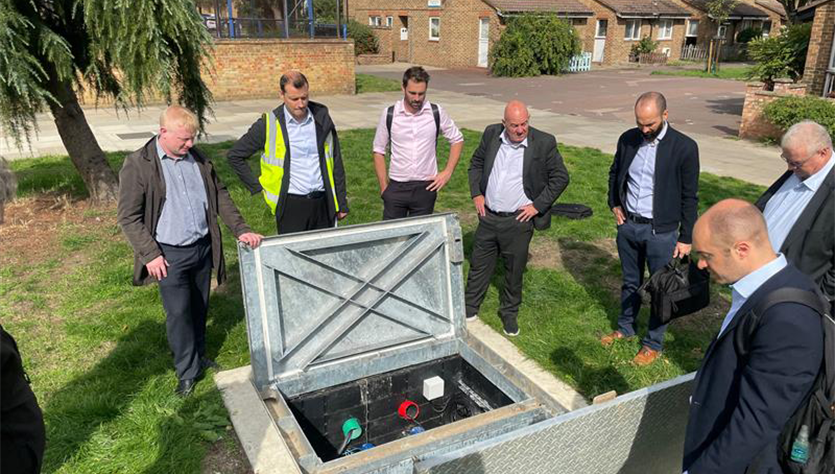
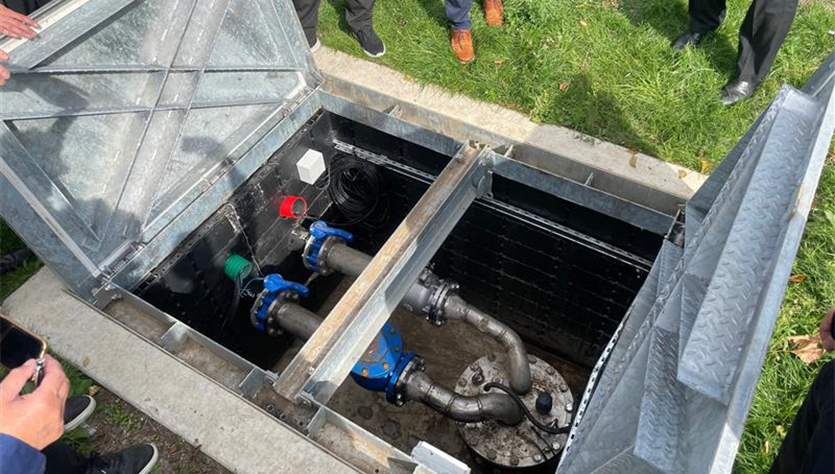
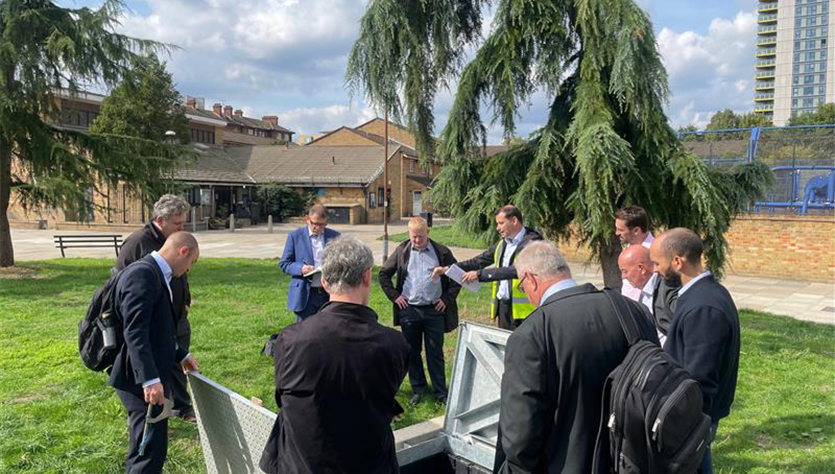
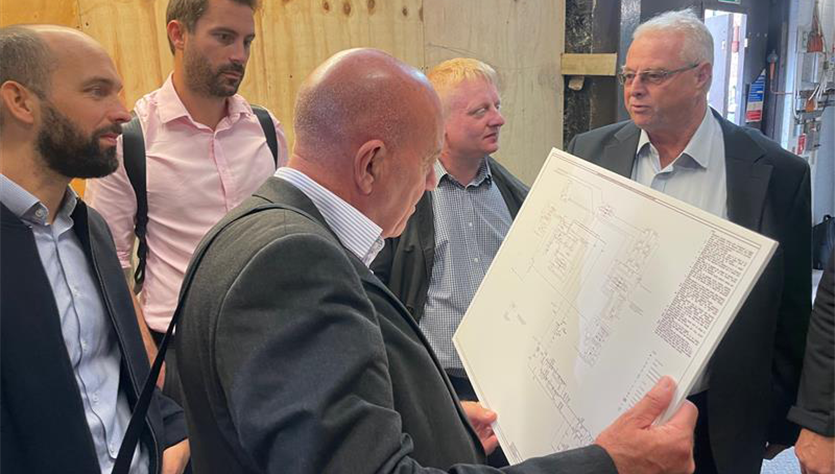
    We are currently working on a decarbonisation project with Westminster City Council, and as part of their journey to net zero, they’re exploring a range of renewable technologies. We recently took consultants from the council on a tour of the completed Southwark water source heat pump project, so they could learn about the benefits of a project like this, along with any challenges.

    Tom Vosper, Strategic Project Manager for Southwark City Council led the tour and was joined by Vital’s Operations Manager, Steve Parsons, Pre-Construction Director, James Davis, and Principal Engineer Paul Canning.

    During the visit, consultants saw the 120m boreholes that were drilled within the Newington estate and learnt the challenges around completing these works within a densely populated residential area. They also gained a greater understanding of the processes, challenges and risks that were faced during the budgeting, procurement, design and build process.

    They were very impressed about the amount of work which was carried out with no disruption or cost to the council and residents who lived on the estate. They also saw the energy centre that feeds the Newington estate.

    “Thanks to Vital Energi for arranging a useful and informative site visit to Southwark. It was great to see a completed aquifer source heat pump project in central London and explore some of the challenges and benefits of integrating low carbon heat pumps into an existing communal heat network. It provided some food for thought for the Westminster team as they move forwards with their net zero programme,” said Chris Spicer, PSDS Programme Manager for City of London, who works closely with Westminster City Council.

    Steve Parsons, Operations Manager at Vital Energi, said:

    “It was a pleasure showing some of the consultants from Westminster Council and Chris Spicer from the City of London our Southwark heat pump project. Our work with Southwark Council on this project has been a big accomplishment for us at Vital because we were able to work through the challenges, take risks, during the pandemic and still be successful in decarbonising over 2,000 properties.”

    Southwark Council is striving to achieve net zero carbon emissions by 2030 and as part of its plan it is decarbonising the existing gas-powered heat networks across three large council estates. The heat pump projects will see 2,175 residents at Consort, Newington, and Wyndham benefit from a resilient, reliable heat energy supply, along with improved local air quality and reduced carbon emissions. The project involves 5 water source heat pumps being retrofitted into the existing gas fuelled network, utilising water from the aquifers sat below the ground through constructed boreholes.

    Find out more about our ongoing project with Westminster City Council here, which will cut carbon by 1,700 tonnes a year.

  • Vital acquire expert team to support rapid growth of heat pump market

    Vital acquire expert team to support rapid growth of heat pump market


    Vital Energi acquire specialist team to support rapid growth of the heat pump market

    Vital Energi have always believed in the importance of being a complete solution provider to clients by having the capability to deliver services, products and technologies that fully meet their needs, and have now invested in a new specialist team to support the rapid growth of the heat pump market.

    Heat pumps will play a key role in the UK’s transition to net zero and it’s expected that the number of heat pump installations will increase from 55,000 a year to 600,000 a year by 2028.

    The new team will enhance Vital Energi’s in-house expertise, enabling them to remain at the forefront of design, specification and implementation of energy solutions which include heat pumps.

    Ashley Malin, Vital Energi’s Managing Director (Solutions), said:

    “The energy market is changing at pace, and through strengthening our in-house expertise, we’re demonstrating our market-leading capability and ensuring we can meet the needs of our customers in an agile manner. The addition of the new team not only enhances our heat pump capability, but ensures we have the right skills to create energy infrastructure for our future.”

    The talented team of 10 experts with over 140 years of combined experience in the refrigeration, air conditioning and heat pump (RACHP) sector bring with them unparalleled expertise in thermodynamics, vapour compression, heat exchange, system modelling, and software programming, as well as field service and commissioning.

    The team is led by Engineering Director, Chris Green, and Technical Director, Patrick Knight.

    As well as lending their expertise to the asset management and ongoing performance optimisation of Vital Energi’s existing ground, water, and air source heat pump installations, continued investment in R&D will ensure that Vital Energi remain at the forefront of the heat pump market, providing the best energy solutions to clients using next generation heat pump technology.

  • We’ve committed to the Young Person’s Guarantee

    We’ve committed to the Young Person’s Guarantee


    A vital commitment to creating opportunities for young people in Scotland

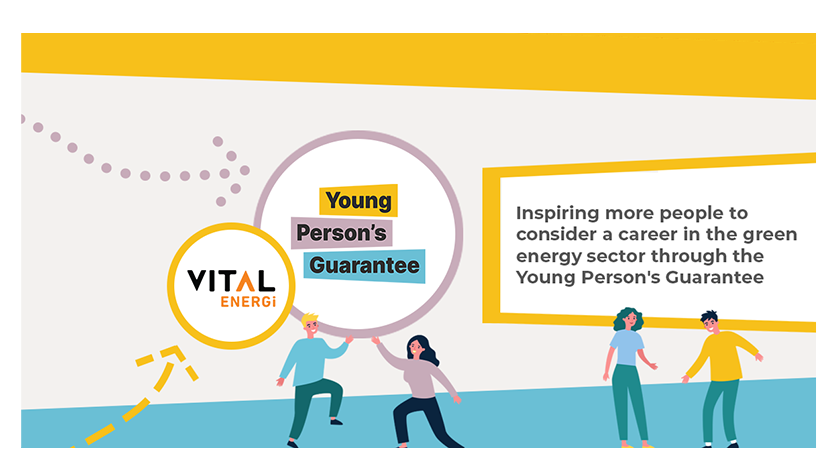
    We’re delighted to announce our commitment to the Young Person’s Guarantee and join employers across Scotland in creating opportunities for young people.

    The Young Person’s Guarantee is a joint commitment to provide opportunities for all 16-24 year old’s in Scotland through jobs, apprenticeships, further and higher education, training programmes and volunteering.

    With the support of our local partners, we plan to offer work placements, and site visits to some of our key projects across Scotland. Through this partnership, we’ll also be engaging with local schools to create work experience opportunities and encourage more young people to consider a career in the green energy sector via our Climate Education programme.

    We are delighted to announce our commitment to the Young Person’s Guarantee. As an organisation, we’re passionate about welcoming more young people into the industry, this is an investment in the successful long-term future for our company. The Young Person’s Guarantee will inspire more people to consider a career in the green energy sector to achieve the UK’s net zero targets.

    Jenny Jackson, Resource Manager at Vital Energi

  • Leeds PIPES Award shortlist

    Leeds PIPES Award shortlist


    Leeds PIPES Shortlisted for Collaboration Award

    We’re delighted that Leeds PIPES project has successfully been shortlisted at the inaugural Unlock Net Zero Awards for ‘Collaboration of the Year – energy projects’ category.

    The awards recognise and champion progress on the housing sector’s decarbonisation journey and the supply chain that supports it. Leeds PIPES is one of only six projects shortlisted in the category and the winner will be announced at the awards ceremony, taking place alongside Housing 2023 on Tuesday 27 June at Manchester Central.

    The success of the project results from a true partnership approach with Leeds City Council, Ener-vate and ourselves, combining our joint expertise and knowledge to create one of the UK’s major heat networks.

    Leeds PIPES is a £49million project to transform the lives of residents and communities by reducing carbon emissions, improving air quality and tackling high rates of fuel poverty. The success of the project so far has been made possible through a collaborative approach combining our joint expertise and knowledge to create one of the UK’s major heat networks.

    The multi-phase scheme takes heat from the nearby Recycling & Energy Recovery Facility converting energy from non-recyclable household waste into affordable, reliable, and low carbon heat and hot water. This is then distributed to a range of buildings across the city.

    These awards are a great opportunity to celebrate the outstanding work being done to decarbonise the UK’s housing stock. Leeds PIPES is an example of working collaboratively and efficiently, 4 years on from the contract signing the project is now in its third phase which will deliver over 16,000 tonnes of carbon reduction. Our partnership continues to flourish as the network grows.

    Mike Cooke, Managing Director Projects North & Scotland, Vital

    In addition to this award shortlist, Leeds PIPES heat network has been awarded prestigious awards from ADE and Heating & Ventilation Awards.

  • Low-Carbon Future Looks Bright for 4MW Swansea Solar Farm

    Low-Carbon Future Looks Bright for 4MW Swansea Solar Farm


    Low-Carbon Future Looks Bright for 4MW Swansea Solar Farm

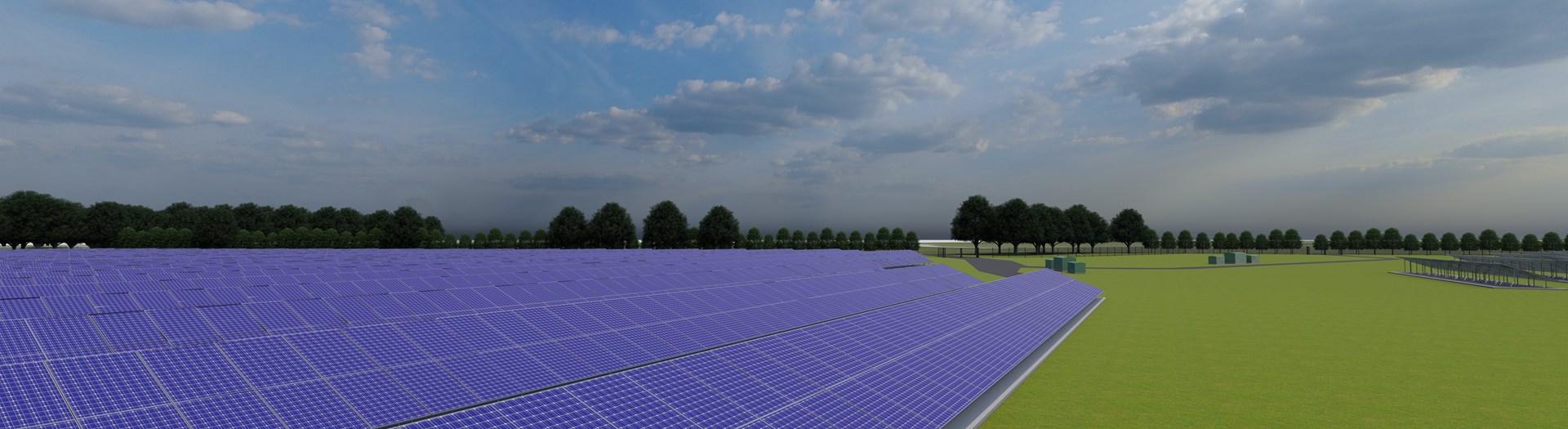
    Vital Energi will be delivering a new 4MW solar PV installation for Swansea Bay University Health Board at Brynwhilach in a partnership which will reduce the Health Board’s carbon emissions by over 20,000 tonnes.

    The solar farm, which is being delivered through the Re:fit framework, will see almost 10,000 PV panels installed over an area of 20,000m² and, when operational, will supply over 3.5 million kWh of zero-carbon electricity to Morriston Hospital via a 3km private wire network. In addition to the carbon reduction the project will save £439,000 per annum in electricity costs.

    Our health board takes seriously our responsibilities to future generations by reducing our environmental impact and in particular cutting our carbon footprint and reducing our costs is a win-win for the Health Board, our patients and taxpayers.

    Emma Woollett, Swansea Bay UHB Chair

    The first phase was a range of energy conservation measures at Morriston and Singleton hospitals, and other Health Board premises. These included changing the majority of light fittings, and improving the insulation, lagging and upgrading building management systems. The second phase is the development of the solar farm, which will enable us to produce our own electricity. This is in line with the Welsh Government’s commitment for the public sector to be carbon neutral by 2030. We will be the first Health Board in Wales to develop its own solar farm. It has been very challenging. However, with a lot of hard work from our project team, which included the Welsh Government and other key partners, we have managed to secure the development.

    Des Keighan, Health board Assistant Director of Operations

    The exciting thing about this project is that it more than pays for itself and the profit it generates can be allocated to delivering front-line clinical services. By offering a long-term energy performance contract on the project we can bring a level of certainty to the Health Board’s budget and decarbonisation plans.

    Phil Mottershead, Project Development Director, Vital Energi

    This marks another significant investment in carbon reduction and the Welsh Government and Swansea Bay University Health Board should be congratulated on their on-going commitment to decarbonisation.

    Scott Lutton, Vital Energi Operations Director, North & Scotland

    The energy conservation measures have been carried out throughout 2020 and will be completed early next year.

    Work on the solar farm development is due to start in the early part of 2021 and should be operational by the end of the summer.

    All financial, carbon and electrical generation targets are guaranteed by Vital Energi under a 20-year energy performance contract which ensures the scheme will perform as designed.  In addition to designing and installing the solar farm, Vital Energi will also undertake long-term operation and maintenance duties on the project.

    The Welsh Government were the first in the UK to pass a Climate Emergency Declaration and have set a target of net-zero carbon emissions by 2050.  Swansea Bay University Health Board have a long-term carbon reduction strategy in place and the solar farm is the second stage of works undertaken through the Re:fit framework.  Phase 1 saw Vital Energi work in partnership with the Health Board to deliver a range of energy conservation measures which reduce carbon emissions by 2,476 tonnes per annum whilst delivering energy cost savings of £870,000 per year.

    The project is being supported by the Welsh Government and Salix funding.  Work will begin on site in February 2021 with completion scheduled for July 2021.

  • Vital Energi advances The Christie’s drive to net zero

    Vital Energi advances The Christie’s drive to net zero


    Vital Energi advances The Christie’s drive to net zero

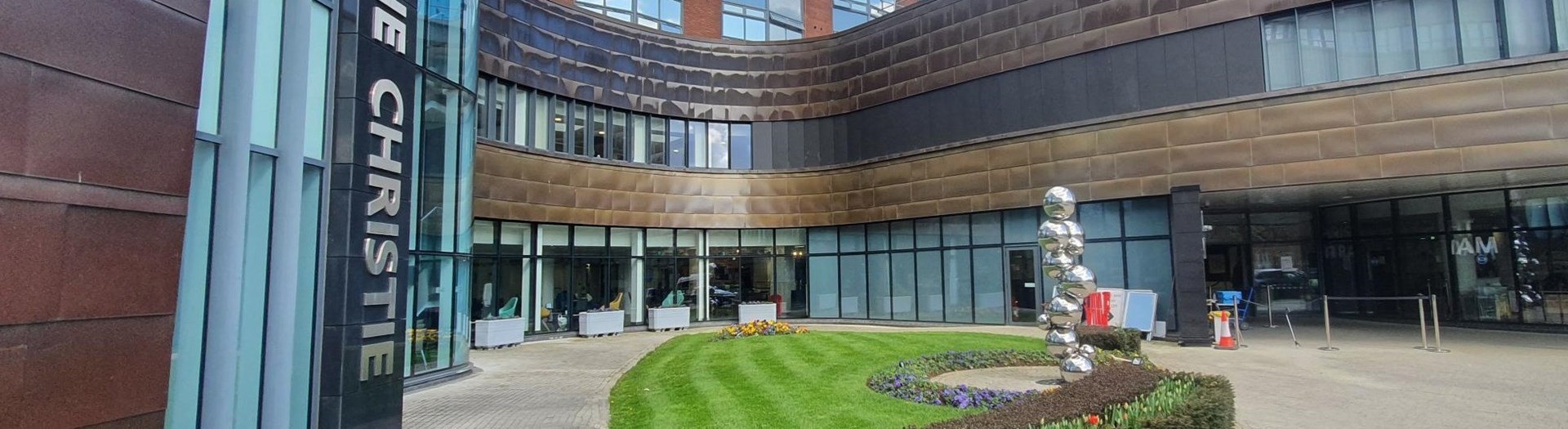
    Vital Energi are supporting The Christie NHS Foundation Trust on their journey to net zero through the installation of a multi technology energy solution at The Christie Hospital, which will significantly reduce their carbon footprint and deliver financial savings of over £1m a year.

    As one of Europe’s leading cancer centres treating over 44,000 patients a year, The Christie requires a resilient energy supply to ensure patient services can be delivered at all times.

    Vital Energi supported the Trust through their PSDS application, from which they obtained £7.9m of grant funding to support the installation of a self-funding fully integrated energy solution comprising a unique blend of renewable technologies.

    To deliver significant carbon and financial savings whilst improving the energy supply resilience of The Christie, Vital Energi will update the hospital’s energy infrastructure and integrate complimentary technologies including water and air source heat pumps (totalling 582kW), a 309kWp solar PV array, and a 2MW battery energy storage system (BESS).

    As well as enabling the site to maximise the use of onsite generation and help the hospital avoid import electricity at the most expensive times, the BESS will provide flexibility during times of high demand and help create a smart grid from which the local community will benefit.

    The Christie will also benefit from reduced running costs and enhanced patient care thanks to a range of energy conservation measures. These include the upgrade of 3,000 lights to efficient LED fittings, optimisation and upgrades to the existing Building Energy Management Systems, the replacement of air handling unit fans units with low-energy fan systems (EC Fans), and pipework insulation upgrades across the hospital estate.

    The Christie is Vital Energi’s charity of choice, so this is a project close to their heart. Over the last 15 years, Vital employees have raised in excess of £40,000 for the charity through a range of initiatives from bake sales and half marathons, to three peaks challenges, Christmas donations, and raffles.

    “As well as reducing the Trust’s carbon footprint by almost 1,000 tonnes a year, the innovative mix of renewable technologies and energy infrastructure has been designed with the ability to grow and adapt in the future. In addition, patients and staff will benefit from improved comfort levels as we ensure optimum temperatures are maintained, and the lighting upgrades will enhance the visual appearance of the wards and common areas. We are delighted to be delivering a future-proof scheme which will help the Trust achieve their target of net zero by 2040.”

    Ashley Malin, Managing Director of Vital Energi (Solutions)

    Vital Energi’s extensive track record of delivering complex energy solutions within hospital environments throughout the UK has allowed them to develop a deep understanding of the needs and requirements of the NHS. They recognise the need for the Trust to maintain patient services at all times and have worked with staff to develop strategies to deliver the works without impacting on the normal operations of the hospital.