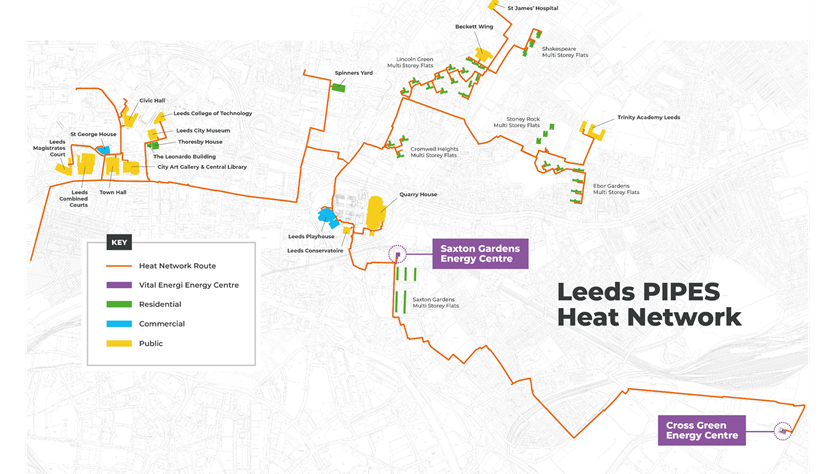
Work is currently underway at St James’s University Hospital, the latest major connection to the network.
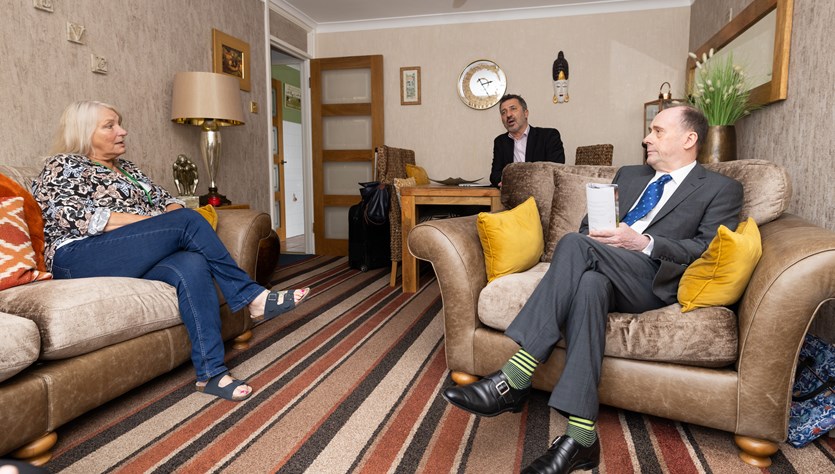
Craige Richardson, Executive Director of Estates and Facilities at Leeds Teaching Hospitals, said: “We were delighted to show Lord Callanan the changes we are making to the Trust estate to ensure we meet the NHS 2040 net zero target. We recognise that if we are to provide the best possible care to our patients and improve their quality of life, we need to reduce our environmental impact. Decarbonising our estate is a key priority for the Trust and the connection to Leeds PIPES is taking us closer to achieving this”.
New plans for two major extensions to the award-winning network—which would enable dozens more buildings to connect—have also been published by the local authority and discussed by senior members in recent weeks.
The four latest buildings, including the first private-sector residential developers, which have confirmed their intention to connect to the network within the next 12 months are:
- Spinner’s Yard around Mabgate, developed by Rise Homes
- Leonardo and Thoresby buildings on Gt George Street, developed by McLaren on behalf of Arrow Leonardo
- The redevelopment of Leeds Technology Campus on Cookridge Street, developed by Metropolitan & District Securities
- Leeds Conservatoire on Quarry Hill
Separately, senior councillors have recently approved an application for up to £20 million of grant funding that, if successful, would enable two major new extensions to the existing network.
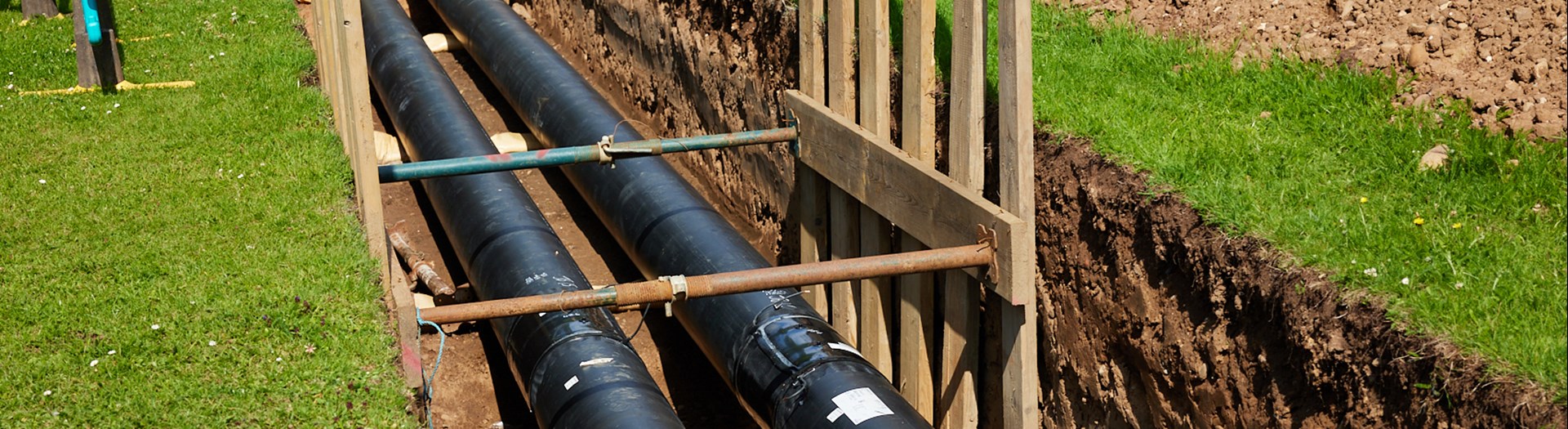
The first new extension would see another 600m (0.4 miles) of pipes laid from Little Queen Street to Wellington Street. A second new extension, located in the South Bank of the city centre, would see approximately 7 km (4.3 miles) of low carbon heat network being installed from Clarence Road to Sweet Street and eventually connecting to the existing Leeds PIPES infrastructure. Subject to funding and final approval, construction of the extensions could begin as soon as 2024 with works completing in 2026.
Work to develop the detailed project plans and business cases required to secure funding for and construct the new extensions is currently underway, after the council successfully secured £154,000 of grant funding from the government’s Heat Network Development Unit earlier this year.