Author: admin

  • Ofgem Regulation – A Major Milestone for UK Heat

    Ofgem Regulation – A Major Milestone for UK Heat


    Ofgem Regulation – A Major Milestone for UK Heat

    We welcome Ofgem as the statutory regulator for the UK heat energy industry, marking a significant step in the sector’s development, bringing improved quality standards, greater customer protections and clearer routes of accountability across the sector.

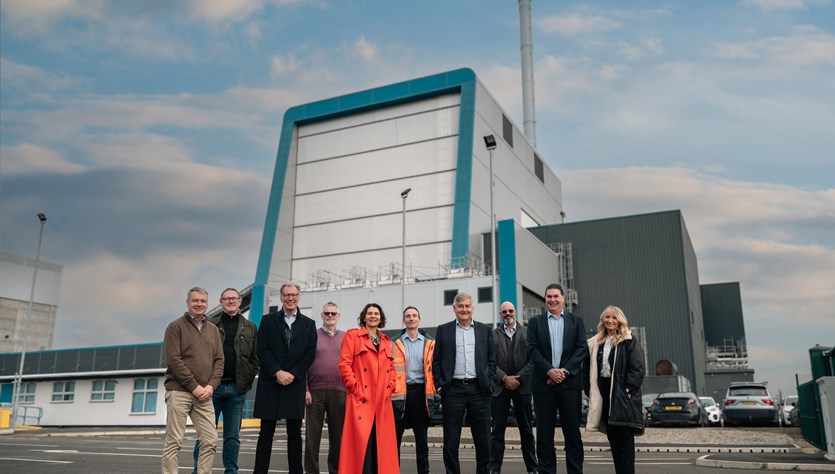
    To mark this milestone, Martin McCluskey, Parliamentary Under-Secretary of State in the Department for Energy Security and Net Zero visited our  Queens Quay heat network scheme to discuss how the new Ofgem heat network regulations and Warm Homes Plan will drive improved outcomes for customers living and working on heat networks.

    “For too long customers on heat networks have been unprotected, being hit with unfair price rises and having to manage with hugely inconvenient service outages. It’s simply not good enough – and that is why from today, we’re giving Ofgem new powers to act and hold heat network suppliers operating a poor-quality service to account. Support is already available through the Energy Ombudsman, and I would encourage anyone with an ongoing issue with their heat network to get in touch with them and take advantage of these new consumer rights.”

    Martin McCluskey, Parliamentary Under-Secretary of State DESNZ

    What’s Changing And Why Does It Matter?

    • Ofgem will be the statutory regulator for the industry from Tuesday 27th January 2026, introducing a formal regulatory framework for heat networks, strengthening consumer protections and driving improved technical standards and service expectations.
    • The Warm Homes Plan sets the direction of travel for upgrading homes and scaling up of low-carbon heating solutions, including heat networks. We continue to welcome the funding support from Green Heat Network Fund (GNNF) and Heat Network Efficiency Scheme (HNES).
    • Heat network zoning is being developed to accelerate heat network delivery in areas where they are expected to be the lowest-cost solution for decarbonising heat. With the initial pilot zones already in procurement or commercialisation, heat network zoning will be found in towns and cities across the UK and will support the UK Government’s focus on improving consumer outcomes whilst meeting national decarbonisation targets.

    With Ofgem’s regulatory oversight, heat network customers can look forward to improved consumer rights, living on a heat network governed by greater quality standards, more transparency over service accountability, and ultimately receiving fair treatment, especially if they find themselves in a vulnerable circumstance.

    The Warm Homes Plan provides the broader policy backdrop for upgrading homes and the scaling of the low-carbon heat market. For Vital Energi, regulation is ultimately about improving outcomes for the people living on heat networks.

    We support residents in living in heat network-connected homes across the UK through dedicated communication channels, engagement support, and joined-up operational services, including operations & maintenance and metering & billing. Backed by an experienced customer service team with expertise in supporting vulnerable customers, we help operators deliver the reliable, transparent experience that regulation, planning and funding are designed to achieve.

    Our Involvement

    As we welcome this major milestone for the UK heat network industry, we’d like to thank our colleagues who have been part of the Heat Network Technical Assurance Scheme (HNTAS) and the Ofgem consumer protection consultation process, devoting their time, expertise and resources to enable this important regulatory development to happen and ultimately helping to improve the future of our industry.

    Read more about how we have supported managing agents FirstPort in accessing HNES funding for improvements at their Capital East II development.

    What Is The Timeline For Regulation?

    2026 will be a year of transition, involving understanding the details of Ofgem’s ‘rulebook’ and ensuring the availability of accurate data to enable performance and customer care improvements across all heat networks.  Here is a brief overview of key dates:

    • 1st April 2025: Consumer advocacy services (Citizens Advice, Consumer Scotland) and the Energy Ombudsman became available.
    • 27th January 2026: Ofgem becomes the statutory regulator for the UK heat industry. All existing heat networks will be granted ‘deemed authorisation’ by Ofgem and will be able to continue to operate.
    • Early 2026: Ofgem ‘rulebook’ released.
    • Spring 2026: Ofgem’s digital service for registration and data submission goes live.
    • 26th January 2027: All existing heat networks must be registered with Ofgem, and new networks must apply for authorisation before operating.

    What Are Your Priorities In 2026 As A Heat Network Operator?

    Please fill out the form below if you would like to speak to someone about developing your heat network, your data infrastructure, improving customer care, accessing funds for improvements through the Heat Network Efficiency Scheme (HNES) or simply your heat network requirements as we transition towards regulatory compliance.

    • Got a project in mind?

      Tell us about your project and a member of our team will be in contact within 24 hours.

  • Powering Futures: Bringing Solar Energy to Local Schools

    Powering Futures: Bringing Solar Energy to Local Schools


    Powering Futures: Bringing Solar Energy to Local Schools

    As part of our commitment to protecting our planet for future generations, we have donated 112 solar panels to two schools; Meadowhead Community Infant School and Turton and Edgworth Primary School.

    These schools are at the heart of our community, and by investing in them today we’re powering futures and sparking a lifelong passion for sustainability.

    To mark the launch, senior figures from across the company, including the engineers who designed the scheme, visited both schools to explain to children aged between 6 and 12 how solar technology works and to inspire pupils about green careers and the opportunities within the energy sector. The sessions highlighted the importance of collaboration and innovation in tackling climate change.

    We believe that by engaging young people today, we can help them grow up with an understanding of renewable energy and the role they can play in shaping a sustainable future.

    Watch the videos below and hear from the pupils at each of these schools about what they learned…

  • Get To Know Our Pre-Fabrication Department

    Get To Know Our Pre-Fabrication Department


    Get To Know Our Pre-Fabrication Department

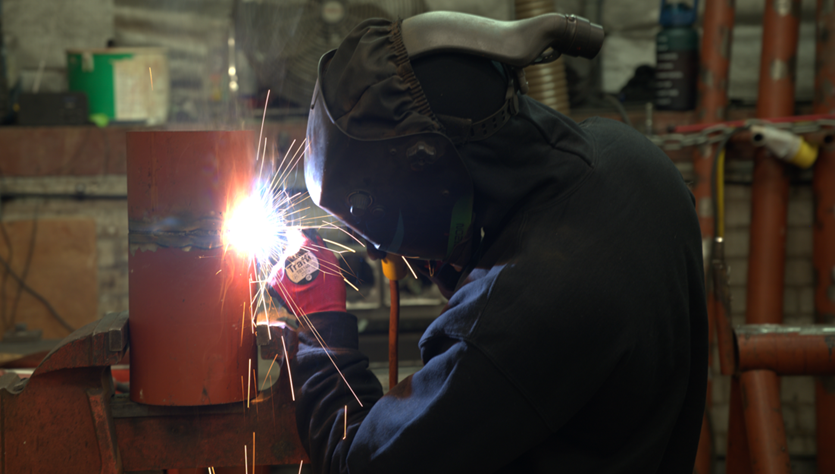
    Our Pre-Fabrication Department is at the heart of designing and developing innovative components and solutions which are embedded within decarbonisation projects we’re delivering across the UK. Responsible for the off-site prefabrication of energy centre pipework, skids, containerised plantrooms, and support frames, the team ensures seamless integration with our on-site installation team.

    The department is headed up by Pre-Fabrication & Installations Manager, Lee Brindle, who has worked at Vital Energi for the last 12 and a half years. We caught up with him to find out what makes the team unique, the innovative solutions they’ve created, the advantages of having an in-house Prefab team, and more.

    Tell us a bit about the people in your team…
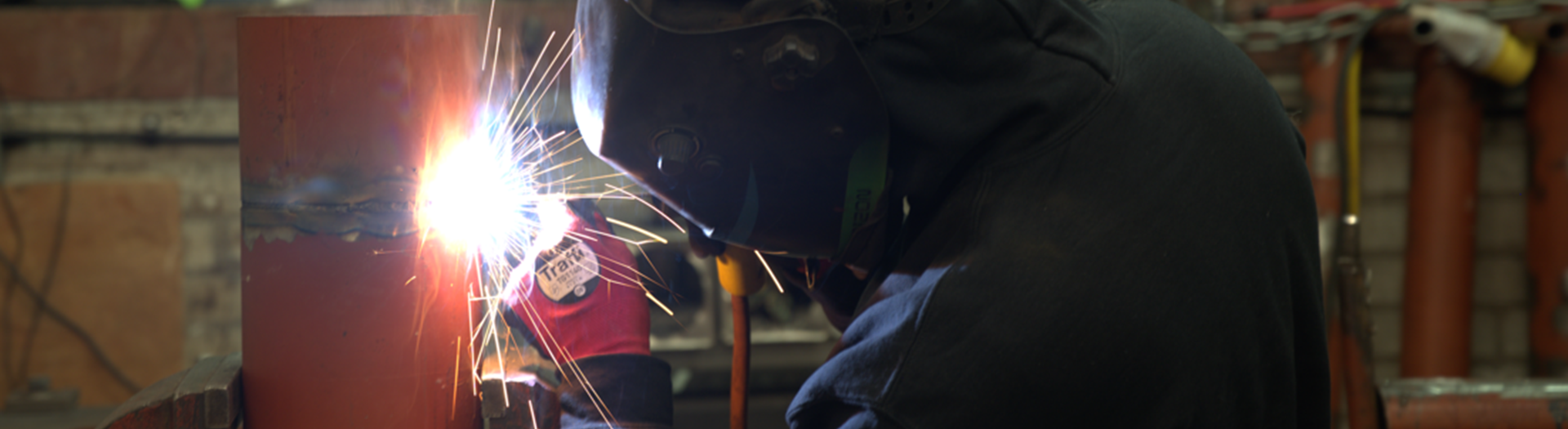
    The team is 26 strong, and is made up of pipefitters, welders, and coded welders, who hold official certification proving they can perform welding to specific industry standards and procedures. We also have 7 apprentices, who are on Vital’s bespoke net zero apprenticeship programme.

    What are the biggest projects you’ve worked on?
    Some of our biggest projects include Drakelow, Muntons Biomass Project, Simpsons Malt, Liverpool Waters, plus a whole lot more. Our work at Muntons included large sections of the biomass boiler system, pipework, and plant room components being manufactured at our prefabrication facility rather than on Muntons’ site to speed up efficiency and minimise disruption.

    What is your most innovative solution?
    The Balnagask Prefabricated Plantroom for the Torry Heat Network Project. This was a purpose-built enclosure which was fully fitted out mechanically, and we also had a specialist in to complete the electrical installations, power, lighting etc. Once completed and pre-commissioned, an escorted vehicle took it all the way to site in Aberdeen. It was then dropped into position on its pre-formed concrete base and connected to the district heating network.

    What are the main advantages of an in-house prefab team?
    The main advantages of having an in-house prefabrication team are greater control over the process, increased efficiency and speed, enhanced quality, and better cost management. By keeping the manufacturing process internal, a company can streamline production and improve project outcomes.

    How do you collaborate with other departments across the business?

    We collaborate with teams across the business such as Procurement, Design, and Commercial. We work closely with our Design teams as they act like architects creating detailed plans and equipment schedules, while the Pre-Fab team are the builders who turn those plans into physical equipment.

    What makes the team unique?
    Flexibility! Our team can adapt quickly to changing priorities and we all work proactively to meet our clients’ expectations

    What advice do you have for someone who wants a career in prefabrication?
    Since prefabrication takes place in a factory setting, the work environment is controlled, but it still requires the discipline and technical knowledge of on site environments. Those wishing to begin a career in prefabrication would be enrolled on the same courses as those working on site, such as their heating and ventilation qualification, therefore the skills are transferable. We actively employ apprentices, which is the best route as they can gain hands on experience, while learning the theory side of things at college.

  • Torry Heat Network Wins District Heating Project of the Year

    Torry Heat Network Wins District Heating Project of the Year


    Torry Heat Network Wins District Heating Project of the Year

    Vital Energi and Aberdeen City Council are celebrating a landmark achievement after the Torry Heat Network was named District Heating Project of the Year at the prestigious H&V Awards.

    This recognition marks a significant milestone in Scotland’s transition to a low-carbon future. Delivered over two phases, the Torry Heat Network has delivered 11.6km of district heating pipework installed by Vital Energi, in partnership with Aberdeen City Council and Aberdeen Heat & Power.

    The scheme connects hundreds of lower income households with a low-carbon, affordable heat source. It also supplies heat to several public buildings, including schools and council offices, through a network powered by energy recovered from a nearby Energy from Waste (EfW) facility.

    Keiran Walsh, Vital Energi’s Regional Manager (North & Scotland), said: “We believe the Torry Heat Network is the first major, modern city heat network of its kind in Scotland and is a great case study for future projects aiming to decarbonise at town or city scale.

    “Heating our homes is a basic human need, and this project is a fantastic example of how councils can improve energy resilience to existing communities, providing for affordability and reduced carbon emissions through large-scale heat networks. We’re proud the judges have recognised its impact, and we hope it inspires other councils to transform the way they heat their towns and cities.”

    A large-scale collaborative project with clear environmental benefits and strong innovation in design and delivery. Demonstrated solid community impact and technical achievement.

    Judges’ Comments, H&V Magazine Awards

    The network sources low-carbon heat from the nearby Energy from Waste (EfW) plant, reducing reliance on gas boilers and cutting carbon emissions significantly. In addition to homes, it serves important community facilities including:

    • Provost Hogg Care Home
    • Balnagask Care Home
    • Deeside Family Centre
    • Tullos Primary School
    • Balnagask Social Work Office

    This is the second national award the Torry Heat Network has claimed after it won the Retrofit Accelerator at last year’s BE-ST awards.

  • Driving decarbonisation at TfL’s Therapia Lane tram depot

    Driving decarbonisation at TfL’s Therapia Lane tram depot


    Driving decarbonisation at TfL’s Therapia Lane tram depot

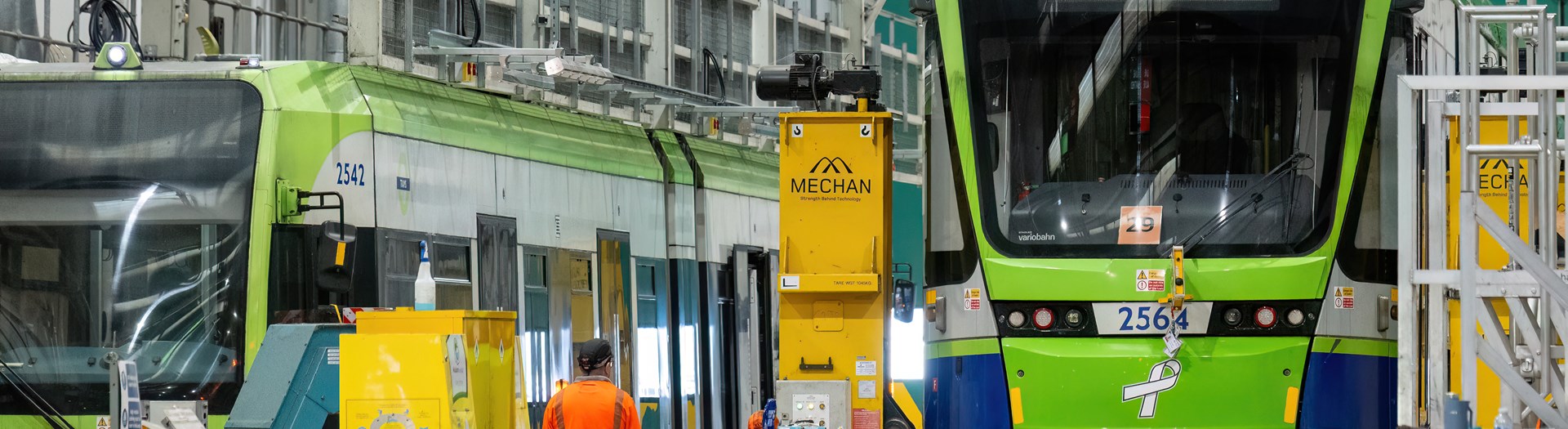
    London’s Therapia Lane trams depot in Croydon makes green transition through removal of fossil fuels and installation of hundreds of new solar panels.

    Therapia Lane, where London Trams are based, has become Transport for London’s first depot to remove fossil gas usage by upgrading its heating system. It has also introduced on-site solar generation.

    By adapting the depot in its biggest overhaul since it opened 27 years ago, the new heating and power system prepares the site for the future and ensures operational sites play a role in reducing climate change impact. The heating system has been modernised with a range of low-carbon, electric heat pumps and infrared panel heaters, replacing the unsustainable fossil fuel gas boilers. The infrared panel heaters target areas where staff work most, minimising ambient heat loss and achieving higher energy performance compared to traditional central systems. The heating system upgrade has enhanced hot water delivery through the installation of energy-efficient, on-demand electric water heaters.

    The additional electricity consumption from the new heating system will be offset by using 1,800m2 of solar panels on the roof of the depot, which will generate 187 kWp of energy. Energy savings will come from energy efficiency measures such as improved insulation and LED lighting, which will also create a better, brighter, and more comfortable working environment for staff. The measures are expected to cut carbon emissions by around 183 tCO2e annually – similar to the emissions from a modern housing development – delivering significant long-term sustainability benefits alongside operational cost savings. Work at Therapia Lane, carried out in a live operating environment working around the clock, will also help inform efforts to decarbonise other active operational buildings on TfL’s estate as well as depots across the country.

    It’s fantastic news that Therapia Lane depot has become TfL’s first depot to remove fossil fuel gas usage by upgrading its heating system and installing hundreds of new solar panels. This green transition will help improve energy efficiency and save money, showing that sites like this have an important role in reducing the impacts of climate change. The Mayor and I will continue to work with partners to ensure we can deliver a greener and fairer London for everyone.

    Mete Coban, Deputy Mayor of London for Environment and Energy

    The decarbonisation of Therapia Lane depot, one of the busiest operational spaces in south London, shows that it is possible to eliminate the use of fossil fuels from large, complex buildings as it runs on fully electric infrastructure. It is vital we invest now in making our operations cleaner and greener to reduce our emissions and build the next generation of green skills, further supporting the Mayor’s ambition of a carbon neutral capital by 2030. The upgrade at Therapia Lane depot is also helping the wider industry close the green skills gap through net-zero placements. TfL and supplier Vital Energi are investing in the next generation of net-zero apprentices and graduates to help meet the UK’s net zero target and tackle climate change through working on TfL’s modernisation and decarbonisation projects.

    Lilli Matson, TfL’s Chief Safety Health & Environment Officer

    Whilst working on the Therapia Lane trams depot project, I gained first-hand exposure to a live rail infrastructure environment, whilst gaining a better understanding of how design, construction, and operational requirements come together on a large transport project. My awareness of site safety procedures has improved and how works are planned around an active operational environment. It also gave me valuable experience linking drawings and design intent to what is installed on site, which helped reinforce engineering principles in a real-world context. The site tour was a personal highlight, particularly seeing the job come towards completion, how much work has been put in to meet deadlines and the vast change there has been.

    Kyrel Rose, Net Zero Apprentice, Vital Energi

    The project was part funded by the Government’s Public Sector Decarbonisation Scheme as well as the Public Sector Low Carbon Skills Fund. The funding is delivered by Salix and run by the Department for Energy Security and Net Zero. Whilst the Public Sector Decarbonisation Scheme helps fund energy efficiency works, the Low Carbon Skills Fund has funded heat decarbonisation plans and design. As part of efforts to accelerate decarbonisation under the fund, major upgrades including air and water source heat pumps, LED lighting and using smart sensor technology to adjust ventilation, cooling and heating levels in real time at TfL’s main head office Palestra House are in the process of cutting fossil fuel reliance and reducing carbon emissions by more than 1,500 tonnes annually. Similar technology is planned for other offices above stations like Aldgate, Baker Street, Oxford Circus and Victoria.

    This project shows how clean power is benefitting communities across Britain – creating skilled jobs and strengthening our public services with the potential to create savings that can be invested into improving services for passengers. It is a prime example of the vital part that facilities like Therapia Lane will play in our clean energy transition.

    Martin McCluskey, Minister for Energy Consumers

    We’re proud to have delivered this landmark project at Therapia Lane, which demonstrates how operational sites can transition away from fossil fuels without compromising performance. By combining advanced electric heating solutions with on-site solar generation, we’ve created a system that is both energy efficient and future ready. This project not only cuts carbon emissions but also sets a blueprint for decarbonising similar facilities across the UK. In partnership with TfL we’re delivering decarbonisation projects across their estate and accelerating their journey to net zero, while developing the green skills that will power a sustainable future.

    Scott Lutton, Regional Director, Vital Energi

    Transport for London has made great strides in its net zero journey and these major energy efficiency upgrades which reduce emissions, are not only about cleaning up our environment, but they are about saving bills and reducing costs in the long term. Removing the need for fossil fuels is a giant step forward and we look forward to seeing what next for Transport for London as it continues to decarbonise its services

    Ian Rodger, Salix’s Director of Public Sector Decarbonisation

    Decarbonising London’s built environment and retrofitting the city’s transport infrastructure are important steps towards meeting the country’s Net Zero 2030 goal. TfL’s effort to decarbonise its assets will help future proof London’s transport system and make it more resilient for future generations. It’s encouraging to see decarbonisation efforts reaching fruition through projects like this and the ICE looks forward to working with TfL and other bodies to continue to share knowledge to equip engineering professionals to reduce carbon emissions.

    Katherine Etheridge, Institute of Civil Engineers Regional Director

    The upgrade of the Therapia Lane depot is just part of TfL’s wider work to further decarbonise London’s transport network and adapt its systems to reduce the impacts of climate change. As one of the largest consumers of electricity in the UK, TfL has entered a Power Purchase Agreement that will see a solar facility built to generate about 80 Gigawatt hours (GWh) of electricity per year when completed – enough clean power to run both the DLR and Tram network for 15 years. TfL has also launched a private wire tender to receive zero-carbon electricity from solar farms connected directly to the London Underground network, bypassing the central grid.  This could generate up to 64 megawatts (MW) of electricity in the long term. The outcome of the tender will be announced once the process completes.

    TfL is also working to further reduce its environmental impact across its wider network by upgrading lights to use LEDs to reduce electricity consumption, as well as improving biodiversity and delivering other forms of green infrastructure such as 390,000 square metres of wildflower verges on its road network. It is also maintaining and developing urban greening features, especially in outer London where there is more greenery, which can support better drainage and reduce flooding.

  • Partnering in Wales to build green skills of the future

    Partnering in Wales to build green skills of the future


    Partnering in Wales to build green skills of the future

    Mae'r dudalen hon ar gael yn y Gymraeg yma.

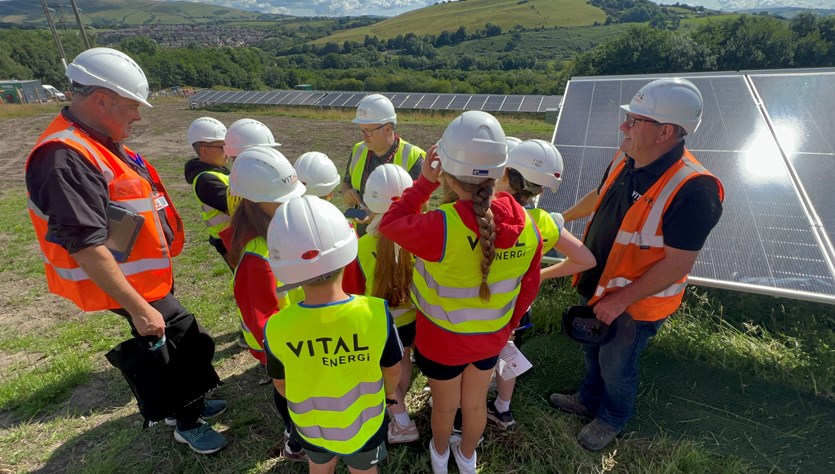
    20 children from Ysgol Gynradd Gymraeg Tonyrefail stepped out of their classes and into a day of renewable energy, engaging with a trip to the impressive 9,400 panel Coed Ely solar farm and an interactive session with Rhondda Cynon Taff’s Eco Avengers Programme.

    The students learned about renewable energy production and witnessed first-hand how the solar farm operated, generating 6MW of electricity, 1MW of which is exported to the nearby Royal Glamorgan Hospital.  The team from Vital Energi and RCT were there to help children understand how the installation will reduce carbon emissions by 7,300 tonnes over its lifecycle and why that’s important for the climate and the planet.

    IMG 7222

    Children from Ysgol Gynradd Gymraeg Tonyrefail taking a tour of the Coed Ely Solar Farm

    Solution detail

    Lisa Martin, Social Value and Customer Care Manager for Vital Energi explains “Vital Energi’s core mission is to protect our planet for future generations, so an event like this really brings home how important projects like the Coed Ely Solar Farm are in bringing children on a journey with us to build awareness, empower their understanding and inspire action for a sustainable future.”

    In addition to the tour, pupils attended RCT Council’s Eco Avengers Workshop, which involved creating their own renewable energy superheroes, teaching children the pros and cons of different non-renewable and renewable energy sources, whilst also discussing what energy we use in our everyday lives. At the end of the workshop, pupils were awarded a certificate of participation stating that they are now officially part of the Eco Avengers.

    We’re extremely proud of this project and the positive impact it will have on the environment, our carbon emissions and the sustainability of Royal Glamorgan Hospital. It’s been great to collaborate with Vital Energi Utilities taking local school children around the solar farm and helping them learn more about how the renewable technology works and why it’s important that we look after the planet.”

    Councillor Tina Leyshon, Cabinet Member, Rhondda Cynon Taf Council

    The school visit is the latest social value initiative on the project which has been designed to maximise local economic spend, increase local employment and support local charities to leave a lasting legacy.  Lisa Martin concludes, “We’ve also been lucky enough to tour and donate to the nearby Coalfields Flower Farm gaining a true understanding of their social enterprise and the impact their work has on the mental health, and wellbeing in the community.”

    Image (22)

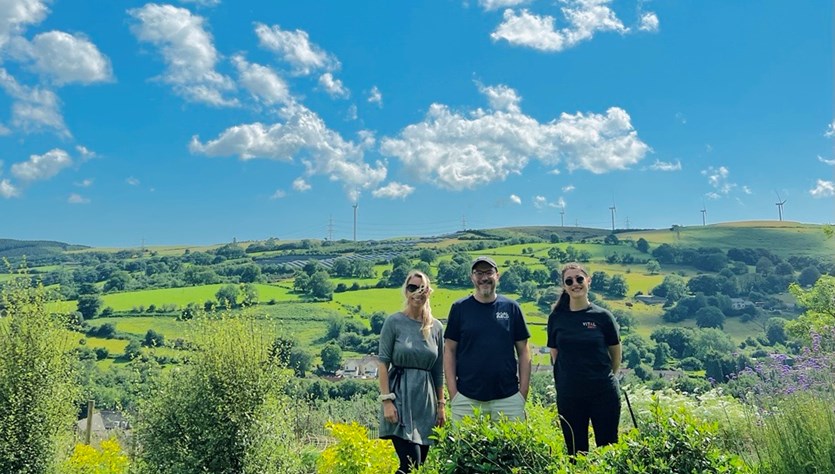
    Vital ESG team met Chris Goldring, owner of the Coalfield Flower Farm, where we recently made a donation to support their mental health and wellbeing work with the community.

    Solution detail

  • City of London Corporation enters next phase of decarbonisation works

    City of London Corporation enters next phase of decarbonisation works


    City of London Corporation accelerates net zero strategy with next phase of decarbonisation works

    Following the successful delivery of energy efficiency projects across seven of the City of London Corporation’s iconic buildings, Vital Energi have moved on to a third phase of works to further accelerate its journey to net zero.

    Together, all phases will deliver annual carbon savings of over 1,500 tonnes and financial savings of £1.25m, forming a key part of the City Corporation’s ambitious strategy to achieve net zero carbon scope 1 and 2 emissions across its operational estate by 2027, before reaching net zero across all its activities by 2040.

    Bespoke decarbonisation plans have been developed for each building, incorporating the latest renewable technologies and energy conservation measures. These upgrades are designed to improve energy efficiency, reduce heat loss, and lower energy bills, while respecting the heritage and operational needs of each site.

    Featured buildings:

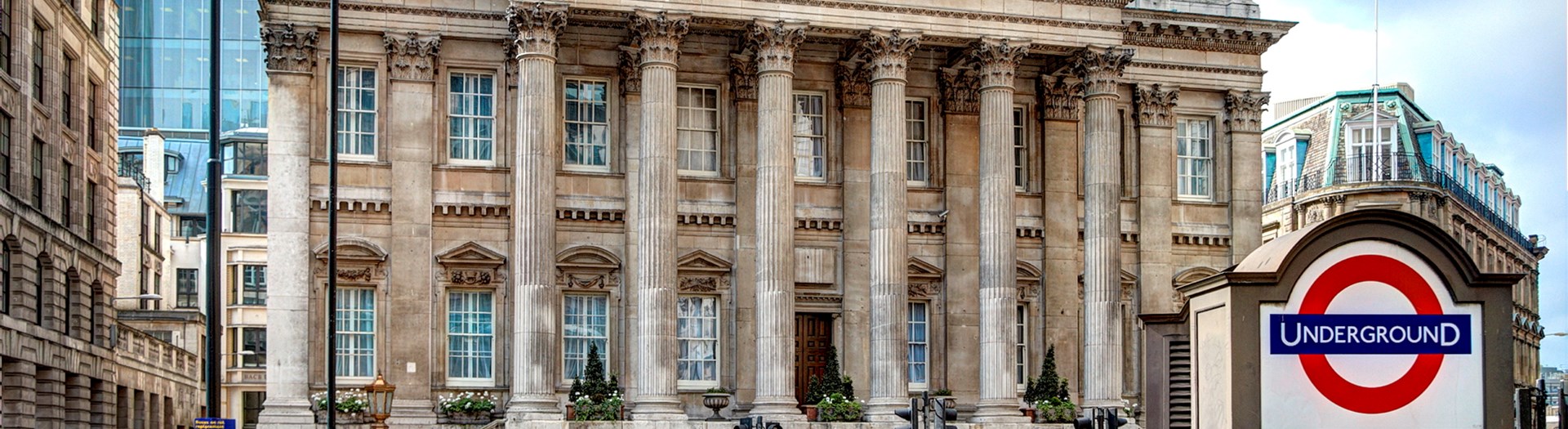
    • Mansion House – Built in the 1700s, this Grade I listed building serves as the official residence of the Lord Mayor of London. Air source heat pumps will be installed, if planning is approved, along with energy conservation measures (ECMs) including Building Management System (BMS) upgrades, draught proofing, insulation upgrades and cooling improvements.
    • Walbrook Wharf – Air source heat pumps and a range of ECMs will be installed at this safeguarded freight wharf in the heart of the City of London, next to Cannon Street station.
    • Guildhall School of Music & Drama – Founded in 1880 and located in the Barbican Centre, it has over 1,000 students from 70+ countries. The lighting will be elevated through LED lighting upgrades, including performance venue and theatre lighting.
    • Heathrow Animal Reception Centre (HARC) – Air source heat pumps, solar PV, and a range of ECMs will be installed at HARC, the only UK border control post licensed for all animal species, which handles over 28 million fish, 100,000 reptiles, 22,000 cats and dogs, and 400 horses annually.
    • The Warren (Epping Forest) – The headquarters for Forest Keepers will be upgraded with an air source heat pump, if planning is approved, for heating and hot water. 

    • The London Archives – The largest county record office in the UK, which is home to over 3.5 million historical documents, will benefit from solar PV installed on its roof, allowing them to generate their own green electricity.

    “The built environment sector is the largest source of carbon emissions in the Square Mile, so our work with Vital to decarbonise City Corporation buildings is crucial for meeting our own net zero goals, as well as supporting the wider Square Mile net zero goal. Energy use is central to this challenge. By improving efficiency and investing in low-carbon energy solutions, such as heat pumps and solar electricity generation, we can make a real impact on the City Corporation’s energy emissions. We can also show it’s possible to make historic and operationally complex buildings part of a low-carbon future: Practical steps that turn climate ambition into tangible progress. Since launching our Climate Action Strategy in 2020, we have made strong progress in cutting carbon emissions and reducing climate risks – meaning we remain on track for net zero across our full value chain and the whole Square Mile by 2040.”

    Alderman Alison Gowman, Climate Action Lead – City of London Corporation

    Scott Lutton, Regional Director at Vital Energi, said:

    “We’re proud to be continuing our partnership with the City of London Corporation to deliver the next phase of decarbonisation works across some of the capital’s most iconic and historically significant buildings.

    “By combining renewable technologies with tailored energy conservation measures, we’re not only helping to reduce carbon emissions and energy costs, but also supporting the Corporation’s bold commitment to achieving net zero across its own operations by 2027. Each building presents unique challenges, and our bespoke decarbonisation plans ensure that sustainability goes hand-in-hand with heritage and operational excellence.”

    Learn more about phase one of the project here.

  • Taking the Disruption Out of Decarbonisation

    Taking the Disruption Out of Decarbonisation


    Decarbonising Universities: Minimising Campus Disruption | Vital Energi

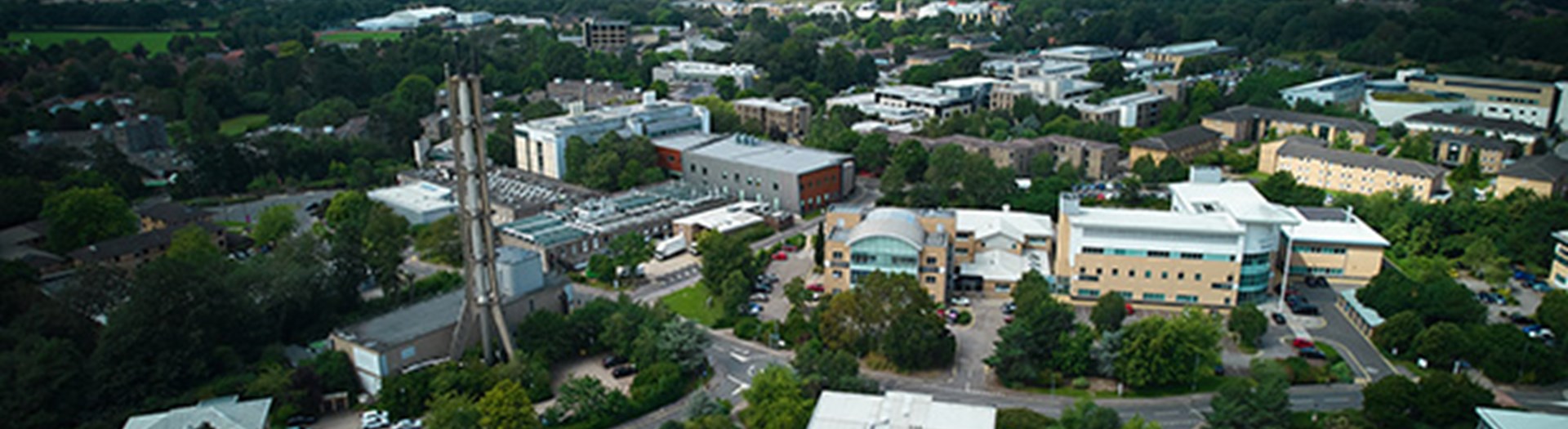
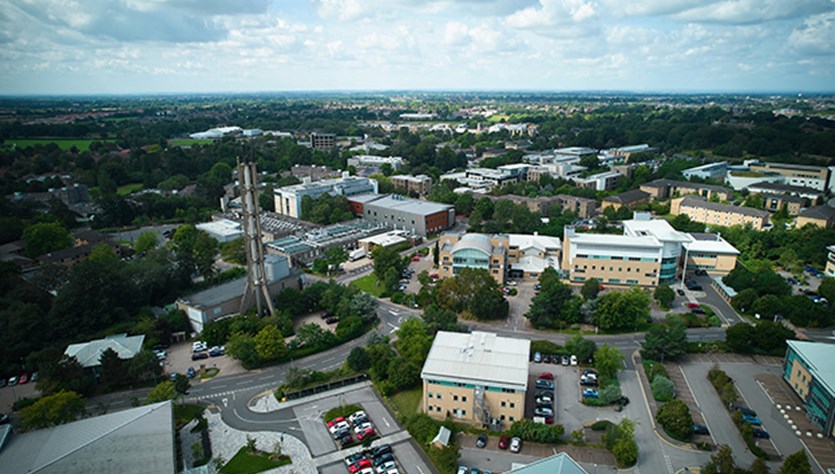
    We’ve worked with over 20% of the UK’s universities, often returning to deliver multiple projects over several decades. One of the biggest lessons I’ve learnt is that no two schemes are the same. That’s why, for every higher education project, the most important step is meeting with the university and its stakeholders to understand how they use their buildings and the wider campus.

    These conversations start to shape core plans, including working times, traffic management, and building closures. This careful planning ensures we cause the least disruption possible. Above all, universities exist for teaching and learning, so working through holidays, respecting designated quiet zones, and adhering to strict working times must be at the heart of any campus project.

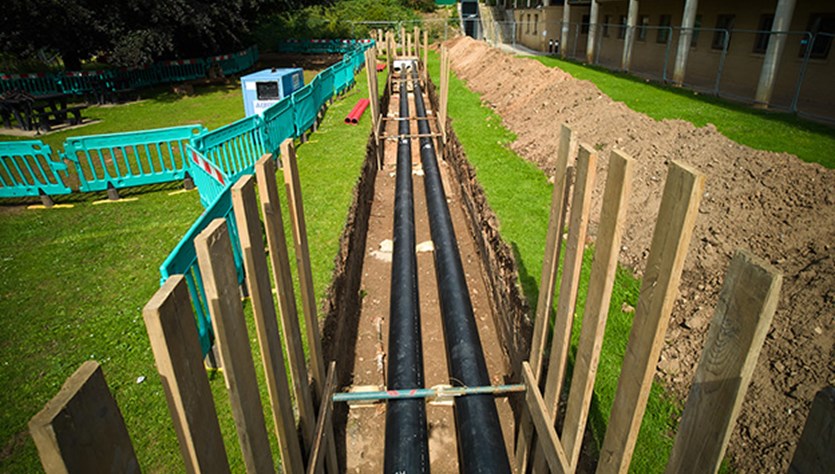
    District heating pipe installation

    Segregated working areas provide an opportunity to create a safe space between the installation and members of the public.

    Solution detail

    Academic and departmental leaders help us shape our strategy and ensure teaching and learning remain paramount. Reviewing the full university calendar, identifying major events and quieter periods, allows us to time disruptive works to minimise their impact.

    Richard Marchant, Operations Manager – Vital Energi

    Use your pre-construction period wisely

    The pre-construction phase is more than just scheduling, it’s a chance to build relationships, learn the university’s routines, and design a project that respects campus life. By meeting with building managers, curriculum leads, and estates staff, we learn about busy periods, sensitive locations, and special equipment needs. Walking planned heating routes with university staff helps us understand the impact on access, fire escapes, and everyday services like bin collections.

    A Quiet Place

    Safeguarding study, learning and exams is a core objective for everyone involved.  We can work with university to create designated quiet zones which avoid noisy work at certain times.

    As standard, our teams work 8am-5pm term time and we deploy noisier equipment, such as angle grinders, away from residences and study zones wherever possible.

    Timing is Everything

    We pioneered the approach of delivering district heating in zones. This not only maintains project momentum but also allows us to pivot, pausing work in one area and progressing in another when campus events demand attention and silence, such as graduations. Flexibility is the key to minimising disruption.

    YORK UNI VITAL JULY2023 58

    Not only are no two campuses alike, individual buildings are used in varying ways, so let the client educate you on how they use their campus.

    Solution detail

    Don’t Forget the Students!

    I can’t over state how important communication is.  Your comms plan shouldn’t be limited to showing what’s happening, it should also show why!  Over 80% of students express strong support for sustainability initiatives, so seize every opportunity to share the benefits. Make sure they understand the carbon reductions, future cost savings and improvements to air quality.

    If you can create a sense of pride and ownership then you can transform uninformed objections into informed, engaged support.

    Embrace the Feedback and Learn Your Lessons Well

    Maps and plans are only part of the story. The lived experience of the campus community is irreplaceable. Open consultations, drop-in sessions, and stakeholder mapping help us to understand real concerns and gather practical solutions from those who know the university best.

    By embedding flexibility, empathy, and clear communication at every stage, we believe that decarbonising university campuses can be achieved without impacting what makes these institutions special. Through partnership and careful planning, disruption becomes not an obstacle but a challenge we can manage. We are proving that a greener future does not have to come at the cost of university life.

  • Full steam ahead for Solihull town centre’s low carbon energy network

    Full steam ahead for Solihull town centre’s low carbon energy network


    Full steam ahead for Solihull town centre’s low carbon energy network

    More than 5km of pipework has now been installed, as major milestones achieved.

    Ambitious plans to bring an affordable new source of low carbon heating to Solihull town centre are pushing ahead, working in partnership with Solihull Council, we continue to make significant strides with its flagship low carbon energy network.

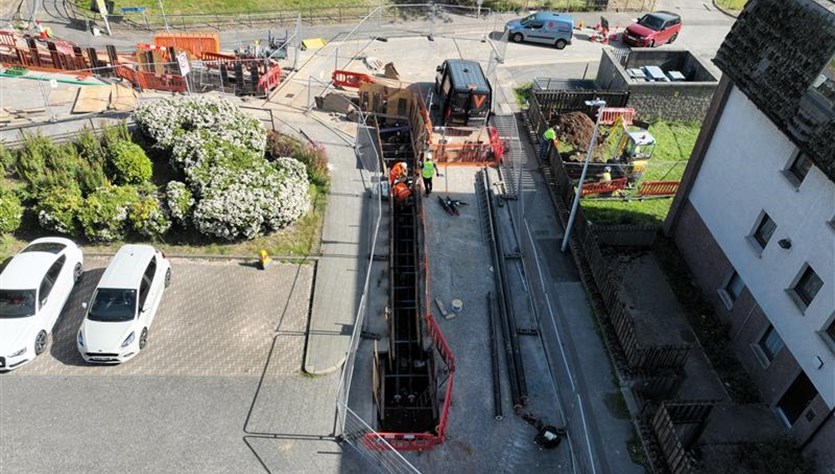
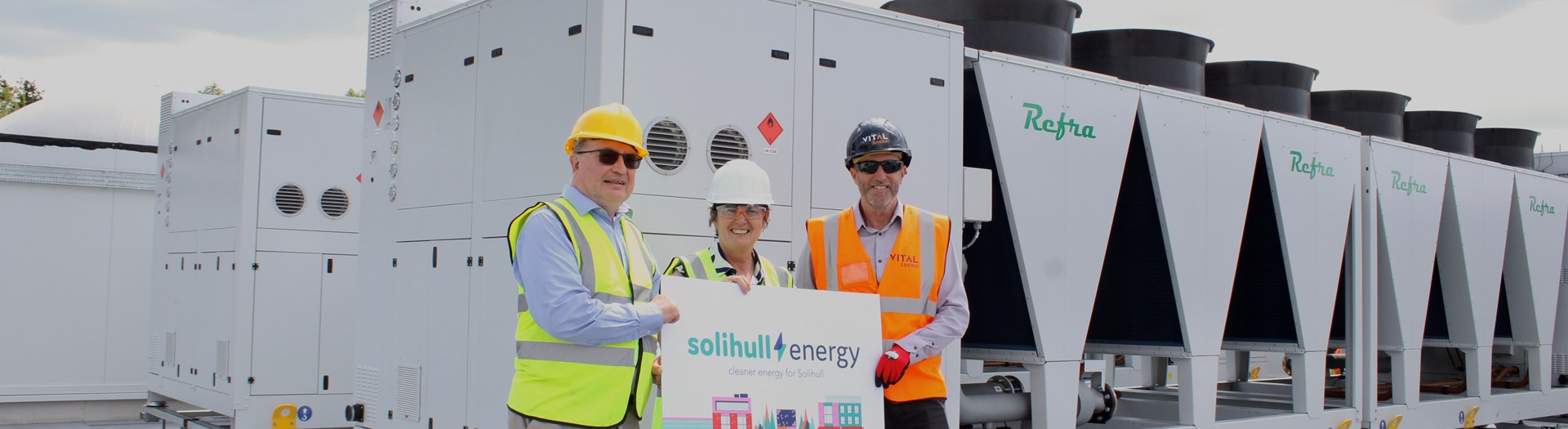
    We have successfully installed more than 5km of the planned 5.5km underground pipe network, including a recently completed 600 metre stretch along Homer Road. In parallel, progress at the state-of-the-art Energy Centre at Tudor Grange Park is powering forward, with Air Source Heat Pumps (ASHPs) already installed and key infrastructure taking shape.

    Once operational, the system will deliver sustainable heating, hot water and power to a range of town centre buildings via a cutting-edge district energy network, connecting users to a cleaner, more efficient supply directly from the new Energy Centre.

    Backed by a £9.6 million loan from the National Wealth Fund, this pioneering project remains on track and continues to build momentum. It forms part of a wider strategy to reduce boroughwide carbon emissions and strengthen Solihull’s energy resilience for decades to come.

    One of the first buildings to benefit from the network will be The Core Theatre on Homer Road. Further buildings connecting in this initial phase include Solihull College & University Centre, Tudor Grange Academy and Tudor Grange Leisure Centre, laying the foundation for future phases and broader network expansion.

    “The new district energy network in Solihull will bring significant benefits to those who connect to it. As we move forward with the scheme, our collaborative partnership with Solihull Council continues to thrive. The team has worked tirelessly to bring this complex section of the network to completion, and I would like to extend a huge congratulations to everyone involved. Their dedication has been outstanding, and I look forward to seeing the construction of the project continue as we move forward with the next phases of the low carbon energy project.”

    Andrew Wightman, Regional Director at Vital Energi

    Councillor Karen Grinsell, Leader of Solihull Council, said:

    “This project is a clear demonstration of our commitment to cutting carbon emissions, enhancing energy efficiency, and investing in a sustainable future for our town centre. It’s extremely encouraging to see the rapid progress on the ground – with over 5km of pipework already laid and heat pumps installed at our new Energy Centre, we are well on our way to realising this bold vision.”

    Councillor Andy Mackiewicz, Cabinet Member for Climate Change and Planning, added:

    “Heating is the biggest contributor to the UK’s carbon footprint. By shifting to a networked low carbon energy solution, we’re tackling this issue on a wider scale making it more practical and cost effective for multiple buildings to benefit. The air source heat pumps at the heart of our Energy Centre will play a major role in delivering clean power where it’s needed most.”

  • Vital Energi Advances Growth Strategy After £175M Nordic Bond Success

    Vital Energi Advances Growth Strategy After £175M Nordic Bond Success


    Vital Energi Advances Asset Ownership Strategy Following £175M Nordic Bond Success

    Strategic investment marks major milestone as company seeks to transform stalled biomass facility into operational energy-from-waste infrastructure.

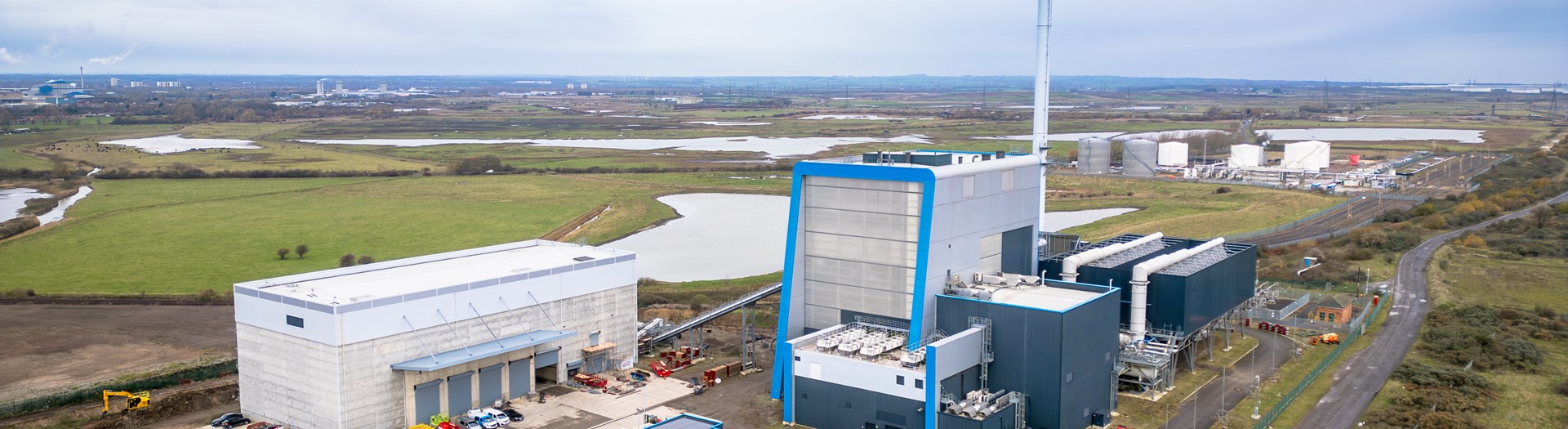
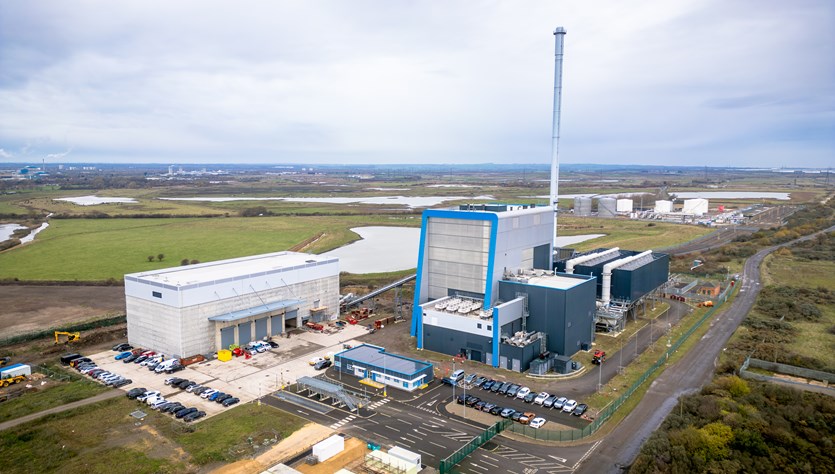
    Vital Energi, a leading provider of energy infrastructure solutions, has successfully acquired the Port Clarence biomass facility in Teesside, marking a significant milestone in the company’s strategic asset ownership growth plans.

    The acquisition follows Vital Energi’s successful raise of £175 million through a Nordic Bond issue. The bond, one of the largest Sterling-denominated Nordic Bond raises in the UK energy infrastructure sector, demonstrates strong international investor confidence in Vital Energi’s track record, expert teams, and growth strategy. The facility has been acquired from Nuveen Infrastructure / Glenmont Infrastructure.

    Strategic asset ownership journey

    Port Clarence represents the next phase of Vital Energi’s evolution from energy solutions provider to significant asset owner, following the successful commissioning of the Drakelow energy-from-waste facility. Vital Energi will further invest in the optimisation of the Drakelow EfW plant to improve its productivity and returns, ensuring it continues to deliver robust operational and financial performance as part of the company’s growing portfolio. Drakelow processes up to 169,000 tonnes of Refuse Derived Fuel (RDF) and produces up to 18MWe electrical capacity, whereas Port Clarence will produce over 30MWe upon completion – a substantial step-change in scale and ambition. The energy generated by both facilities will be exported back to the national grid.

    “This acquisition demonstrates our commitment to owning and operating critical energy infrastructure assets. Following the success of Drakelow, Port Clarence represents our next strategic milestone in building a diverse, long-term portfolio of energy assets that deliver both environmental and economic benefits.”

    Ashley Malin, Managing Director at Vital Energi

    Site transformation

    The Port Clarence facility, which has remained dormant since 2019, will be converted from a biomass plant to process RDF, addressing a critical need for processing residual waste within UK waste infrastructure. The conversion will transform what had been a series of stalled development attempts by previous operators into operational infrastructure.

    The facility will process up to 320,000 tonnes of residual waste per annum under a 10-year 270,000 tonnes fuel supply agreement with N+P, with fuel sourced from their Hartlepool facility and strategic supply chain partners. This will significantly reduce both landfill disposal and the export of waste materials.

    Project delivery and timeline

    With construction over 90% complete, the project benefits from existing grid connections and all required environmental consents are already in place. The conversion is expected to be completed within 18 months, with first waste anticipated in Q4 2026 and full operational capacity by Q1 2027.

    Economic impact

    The project will create over 30 long-term skilled positions during the operational phase, with local contractors including Eastgate Engineering and BrandSafway already engaged in supporting the conversion works. The facility will contribute baseload renewable energy generation to the national grid, supporting UK energy security objectives.

    Financial flexibility and future growth

    Unlike many competitors operating under restrictive institutional investor mandates, Vital Energi’s Nordic Bond structure maintains financial flexibility for future strategic investments and partnerships.

    “This financing approach allows us to continue pursuing opportunities that align with our growth strategy while maintaining the ability to work with diverse funding partners on future projects,” added Ashley. “As we approach our 25th anniversary, this represents both a culmination of our journey and a platform for continued expansion.”

    The transaction was completed with legal advisory support from Squire Patton Boggs, DLA Piper, and Thommassen, with operational partnerships including N+P and Able Ports.