Author: admin

  • Government awards £6.2m to Mersey Heat Network

    Government awards £6.2m to Mersey Heat Network


    Government awards £6.2m to Mersey Heat to help connect landmark Liverpool buildings and fund low-carbon technology

    Peel NRE’s low carbon district heat network Mersey Heat has been awarded more than £6.2m in Government funding to investigate expanding the network to include Liverpool’s Three Graces buildings and surrounding properties at Pier Head.

    The grant totalling £6,266,000 from the Department for Business Energy and Industrial Strategy (BEIS) was made official recently in partnership with Triple Point Heat Networks Investment Management.

    It will also help to fund one of two 3MW low-carbon heat pumps, the first of which will be water source heat pump at Peel NRE’s energy centre at Great Howard Street.

    This new funding also enables Mersey Heat to undertake further feasibility studies to extend the network to the Pier Head and to be able to offer low carbon heat to the Grade I listed Royal Liver Building, the Grade II listed Cunard and Port of Liverpool buildings in partnership with the buildings’ owners.

    The Grade II listed George’s Dock Building and the Museum of Liverpool which opened in 2011 will also be included in the designs for the heat network extension.

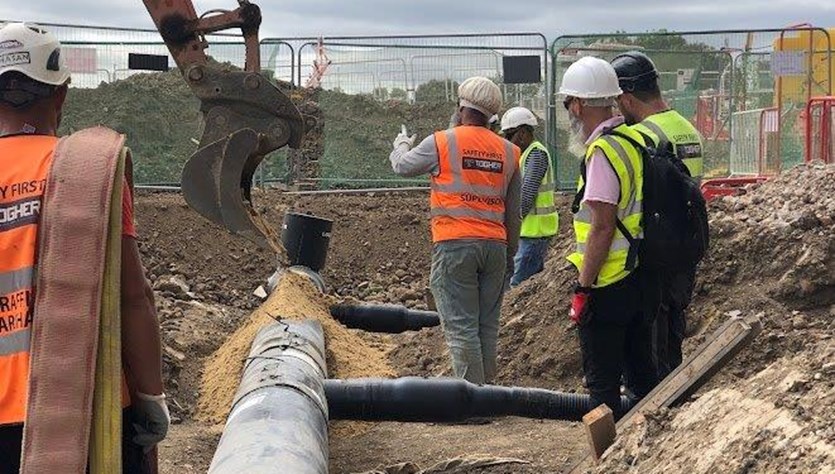
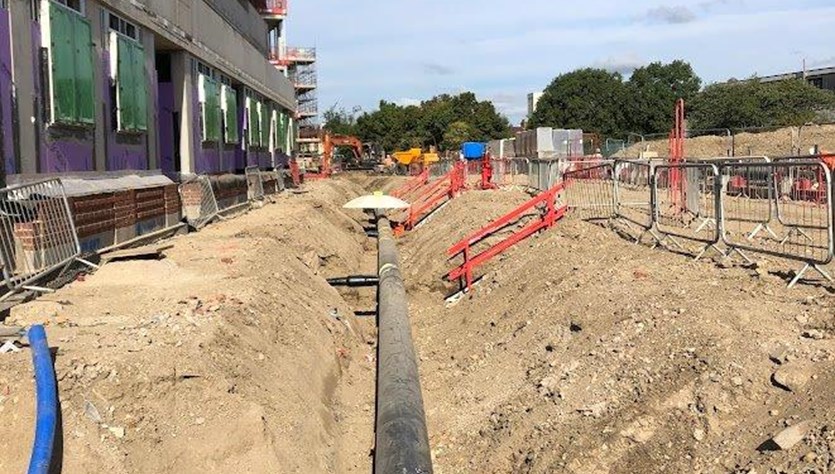
    More than 2.5km of pipework for the 4.1km network has already been installed and when complete, Mersey Heat will provide low carbon heat and hot water to up to 9,000 homes and 4 million sq ft of commercial space at Peel L&P’s £5bn Liverpool Waters development and nearby buildings.

    Apartments at the newly converted Tobacco Warehouse at Stanley Dock are already receiving heat from the network soon to be followed by The Titanic Hotel and Southern Warehouse and Liverpool Waters’ Princes Parade.

    Construction work for Peel NRE’s energy centre to serve Mersey Heat is expected to start on site early 2022, housing low-carbon technology to save around 4,200 tonnes of carbon per year.

    This will be achieved through the primary use of water source heat pumps and thermal stores capable of holding 260 cubic metres of hot water. Heat only gas boilers with up to a combined capacity of 40MW will act as a back up and for use during times of peak demand.

    Marking another step forward in the government’s Clean Growth Strategy, the funding for Mersey Heat will come from the £320m Heat Networks Investment Project (HNIP) fund.

    Changing the way we heat our homes and workspaces is key to tackling pollution and today’s investment into new heat networks across Worthing, London, Bristol and Liverpool will ensure these areas are placed at the heart of the UK’s green industrial revolution. The new networks of air source heat pumps will deliver affordable, low-carbon heat and energy across the nation’s homes, universities residences, and business units, while opening up huge job and investment opportunities, making our thriving cities and seaside towns greener places to live, work, and visit.

    Lord Callanan , Minister for Climate Change

    Jonathan Burley, Commercial Director at Peel NRE, part of Peel L&P, said: “Mersey Heat supports national and local targets to achieve net zero and we’re pleased to receive further funding to help roll-out the network on a larger scale.

    “The addition of large historical buildings like the Three Graces would make a high-profile impact on reducing Liverpool’s carbon footprint and we look forward to working with the buildings’ owners and our district heat network specialists Ener-Vate to progress these designs and hopefully connect some of Liverpool’s most prestigious properties to our low carbon network.”

    Ken Hunnisett, Project Director, Triple Point Heat Networks Investment Management commented: “We were delighted to offer funding to Peel NRE at the beginning of the HNIP journey and it’s a real pleasure to have been able to support its expansion some two years later.

    “One of the benefits of heat networks is that they are able to extend and further decarbonise over time, and Mersey Heat is testament to that. It’s been a joy to work with Mersey Heat, Peel, Enervate and the Department for Business, Energy and Industrial Strategy and provide some of the funding to accelerate the team’s plans to decarbonise the area’s buildings – old and new – using heat pumps to draw renewable energy from the City’s iconic waterways.”

    In September, Peel NRE confirmed plans to develop the next phase of the Mersey Heat network to link the existing infrastructure at Princes Parade at Liverpool Waters to Stanley Dock and the new energy centre.

    Vital Energi is constructing the Mersey Heat on Peel NRE’s behalf.

    Mike Cooke, Vital Energi’s Managing Director – North & Scotland added: “Both Liverpool City Council and Peel NRE have a firm commitment to achieving net zero and the announcement of this funding is important as it will enable them to take large strides to achieving this.  By collaborating with Vital Energi to embrace water source heat pumps, which are a renewable technology, and expanding the network to bring low-carbon heat and hot water to more customers, we can drastically reduce emissions and create a truly sustainable development which contributes to a cleaner, greener Liverpool.”

    More information about Peel NRE’s work on district heat networks here.

  • Government backs major London heat network as £21m grant funding given

    Government backs major London heat network as £21m grant funding given


    Government backs major London heat network as £21m grant funding awarded

    Today, the Department for Energy Security and Net Zero has awarded £21m to the South Westminster Area Network (SWAN). This major infrastructure project is set to slash carbon emissions and improve air quality in Westminster.

    SWAN, which will drive £1bn investment into the capital by 2050, is progressing, with construction planned to start next year. This investment will drive growth across Westminster and create a wave of high-quality jobs in the local area.

    Today, the SWAN Partnership, who are developing the heat network, have provided a first look at the scheme.

    SWAN will develop out from two centres, one around the Strand, and one around Millbank and St James’ Park. Buildings in these areas can connect to the heat network from 2028.

    To accelerate development of the scheme since they took on the role of developer in September 2024, the SWAN Partnership has engaged over 170 buildings in the Westminster area. Most of these buildings are now working through the process to get planned into and connected to the network.

    Several landmark buildings are planning to connect to the heat network, including Somerset House and the London Transport Museum. These buildings have set ambitious plans for decarbonisation which they will put into action. By working together and with the SWAN team, organisations like this are making the heat network a reality, helping to save carbon, improve air quality and drive growth into Westminster.

    “It is great to see some of central London’s most well-known buildings taking this step on their decarbonisation journey. Heat networks have an important role to play in helping London achieve net zero carbon by 2030 as we continue working to build a better, greener London for everyone.”

    Mete Coban, Deputy Mayor of London for Environment and Energy

    “SWAN has the potential to support decarbonisation of historic buildings in central London, providing some of Westminster’s most recognisable landmarks with clean heat. This will help us to meet the target of becoming a net zero carbon city by 2040 and achieving World Health Organisation guidelines for air quality.”

    Adam Hug, Westminster City Council Leader

    “Heat networks will play an important role in our mission for clean power by 2030, helping us to achieve energy independence and lower bills. “That is why this government is backing inventive projects, such as using heat generated by sewers or the River Thames to provide heating to connected businesses and homes, through the Green Heat Network Fund.”

    Miatta Fahnbulleh , Minister for Energy Consumers

    “Westminster is showing a voracious appetite for clean, decentralised heating. We find organisations who are committed to decarbonising, reducing air pollution, and doing this in a way that is sensitive to the heritage of the area. Using the Thames as a heat source allows us to invest in infrastructure that provides buildings access to the locally wasted heat resource, without individual buildings having to invest in complicated, visually disruptive solutions to decarbonise their heating.”

    Toby Heysham, Director, SWAN

    The intended heat source for the first phase of the network will be natural heat from the River Thames. A water source heat pump would recover energy from the river to generate heat for the network. The heat pump then uses electricity to upgrade the temperature of that heat to around 80oC. For the buildings in the area, this is a big benefit, because many of their systems already operate at around 80oC meaning that the swap to low carbon heat is easier.

    The team behind SWAN has identified and worked up a number of heat source options which will be brought forward over time to allow the network to expand. This includes looking at other waste heat sources such as heat from the tube and the sewer. Over time the network will expand to serve the whole zone, including, eventually, some homes.

    The £21m grant funding announcement by DESNZ will support the development and construction of the heat network, helping make the network more affordable for customers. Funding is provided by the Green Heat Network Fund which is administered by Triple Point Heat Networks Investment Management.

    Buildings within or near the area are being encouraged to join the network by emailing [email protected] to request an Indicative Connection Offer.

    “Low carbon heat networks will be essential infrastructure to decarbonise heat in dense urban areas, and SWAN represents an ideal opportunity to show case this at scale. Our teams are actively exploring a range of low carbon heat generation technologies and energy centre locations, and we look forward to sharing more information on our trail blazing a solution as it becomes available.”

    Nick Gosling, Director, SWAN

    “Somerset House Trust is committed to reducing its carbon footprint and demonstrating that heritage buildings can be sustainable when equipped with the right technologies. SWAN aligns perfectly with this vision by providing a low-carbon heating solution where more conventional options are limited.”

    Jonathan Reekie, Director of Somerset House Trust

    “We are delighted DESNZ has committed funding to support SWAN. This significant grant award in the scheme and the interest from landmark buildings across the district shows what can be achieved by working together to drive decarbonisation and innovation, in even the most traditional settings.”

    Ruth Duston, CEO, London Heritage Quarter

  • Glenrothes Heat Network Named H&V Finalist

    Glenrothes Heat Network Named H&V Finalist


    Glenrothes Heat Network Named H&V Finalist

    We would like to congratulate our clients, Fife Council and RWE on the news that Glenrothes Energy Network has been shortlisted in the District Heating category of this year’s H&V Awards.

    The project is an exciting public/private partnership which takes waste heat from the RWE biomass plant in Markinch and uses it to heat businesses and homes in the town centre via a 6.3km district heating network.

    This is a fantastic project which demonstrates the benefits which can be generated through public/private partnerships. This project will now result in significant carbon emission reductions of approximately 1,800 tonnes per year. but will also be instrumental in tackling local fuel poverty with the scheme expected to save £200,000 in heating bills over the next 10 years. We’re delighted that the project has been shortlisted as we believe it is an important addition to Scotland’s green heating infrastructure

    Scott Lutton, Vital’s Scotland Regional Manager

    This is the 6th year in a row Vital Energi have had a project shortlisted in the district heating category and have claimed a hat-trick of victories so far.  We’d like to say “good luck” to all the finalists across all categories for the work they have done this year to create a cleaner, greener Britain

  • Globe Trotting Ibrahim Returns after CIBSE Ken Dale Bursary Trip

    Globe Trotting Ibrahim Returns after CIBSE Ken Dale Bursary Trip


    Globe Trotting Ibrahim Returns after CIBSE Ken Dale Bursary Trip

    Net Zero Apprentice, Ibrahim Qadir, has returned from his travels as part of the CIBSE Ken Dale Travel Bursary where he visited Sweden, The United Arab Emirates and Indonesia, travelling 23,000 km to undertake research in the application of artificial intelligence.

    Ibrahim was awarded the Ken Dale Travel Bursary from CIBSE in 2023 after delivering a presentation on his research proposal to investigate the different approaches to artificial intelligence and machine learning in the building services industry.

    Now he’s back from his travels, we sat down with Ibrahim to find out more about his trip, what he learned and how he thinks it can be applied to his work.

    What was the initiative, what made you want to apply and how did you put yourself forward?

    The initiative is the CIBSE Ken Dale Bursary award, an annual competition that involves a selection process including shortlisting of candidates followed by interviews. My chosen research topic delves into the evolving role of Artificial Intelligence (AI) in building services engineering. The primary motivation behind my application was a keen interest in exploring and contributing to the sustainable evolution of an industry that significantly impacts us all.

    I was driven by the desire to understand how I could actively participate in and influence this monumental shift towards sustainability, leveraging it for the betterment of our planet and future generations. This bursary represented a unique opportunity to contribute to meaningful change and give back to the community by pushing the boundaries of conventional practices in the field.

    What countries did you visit and how far did you travel?

    I visited Copenhagen in Sweden, Dubai in Abu Dhabi and Jakarta in Indonesia, which came in at approximately 23,000 km.

    What do you think you got out of the experience?

    I have already learnt so much about our industry and what problems we have, as well as the factors that contribute to a solution. I have had the chance to meet so many interesting people from all walks of life, each with their own story and perspective. I am currently completing my report that will detail what I have learned from my research, this will then be disseminated with the hopes of inspiring change.

    What were the highlights of the trip?

    I would have to be visiting the museum of the future in Dubai.

    What challenges did you face?

    The most challenging aspect was establishing contacts in various locations as a newcomer. However, once you manage to connect with one, they often serve as a gateway to others.

    Did you meet any industry specialists while you were there and what did you learn?

    I did get to meet industry specialists and learn about leveraging automation for routine tasks and exploring how technology can be employed to reduce time and enhance efficiency would indeed be beneficial.

    What projects did you learn about?

    I gained valuable insights into the digital health (DH) sector in Scandinavia and was impressed by the region’s tech startups that are already utilising artificial intelligence (AI). The region’s openness to experimenting with new technologies stood out to me. I also discovered the technological advancements being employed in the Middle East and the significant investments made globally in solar plants for both electrical and thermal energy production.

    The Museum of the Future in Dubai caught my attention by showcasing the potential of emerging technologies across various fields, from healthcare to agriculture, building materials, and engineering. This initiative underscores the region’s ambition to lead in these transformative sectors.

    In Masdar City, Abu Dhabi, I learned more about the technologies in use and appreciated how the city itself was designed with sustainable practices in mind, from its architectural design and engineering systems to its operations. Its role as the host of COP28 was particularly enlightening, showcasing the ability to accommodate 85,000 people in the most sustainable manner possible.

    My visit to a university in Jakarta was equally inspiring, where I saw firsthand the integration of AI into its building infrastructure. This university has received multiple awards for its sustainable design and the innovative use of natural processes to minimize its carbon footprint.

    How is AI implemented in different countries/climates of the building services sector?

    There are numerous applications of AI across our industry, ranging from energy management and modelling to optimizing thermal comfort in buildings, managing district heating and cooling networks, predictive maintenance, and building automation. Ultimately, it’s about leveraging data to optimize processes, making them more efficient and faster. This enables us to concentrate on more critical tasks.

    How do you plan to use your experiences and new knowledge going forwards?

    I aim to finalise my research findings and present recommendations and insights that will inspire and educate, as well as explore ways to implement these into our own work to continue the futureproofing of our systems. I intend to build upon what I have learned to further my development.

  • Get To Know Our Pre-Fabrication Department

    Get To Know Our Pre-Fabrication Department


    Get To Know Our Pre-Fabrication Department

    Our Pre-Fabrication Department is at the heart of designing and developing innovative components and solutions which are embedded within decarbonisation projects we’re delivering across the UK. Responsible for the off-site prefabrication of energy centre pipework, skids, containerised plantrooms, and support frames, the team ensures seamless integration with our on-site installation team.

    The department is headed up by Pre-Fabrication & Installations Manager, Lee Brindle, who has worked at Vital Energi for the last 12 and a half years. We caught up with him to find out what makes the team unique, the innovative solutions they’ve created, the advantages of having an in-house Prefab team, and more.

    Tell us a bit about the people in your team…
    The team is 26 strong, and is made up of pipefitters, welders, and coded welders, who hold official certification proving they can perform welding to specific industry standards and procedures. We also have 7 apprentices, who are on Vital’s bespoke net zero apprenticeship programme.

    What are the biggest projects you’ve worked on?
    Some of our biggest projects include Drakelow, Muntons Biomass Project, Simpsons Malt, Liverpool Waters, plus a whole lot more. Our work at Muntons included large sections of the biomass boiler system, pipework, and plant room components being manufactured at our prefabrication facility rather than on Muntons’ site to speed up efficiency and minimise disruption.

    What is your most innovative solution?
    The Balnagask Prefabricated Plantroom for the Torry Heat Network Project. This was a purpose-built enclosure which was fully fitted out mechanically, and we also had a specialist in to complete the electrical installations, power, lighting etc. Once completed and pre-commissioned, an escorted vehicle took it all the way to site in Aberdeen. It was then dropped into position on its pre-formed concrete base and connected to the district heating network.

    What are the main advantages of an in-house prefab team?
    The main advantages of having an in-house prefabrication team are greater control over the process, increased efficiency and speed, enhanced quality, and better cost management. By keeping the manufacturing process internal, a company can streamline production and improve project outcomes.

    How do you collaborate with other departments across the business?

    We collaborate with teams across the business such as Procurement, Design, and Commercial. We work closely with our Design teams as they act like architects creating detailed plans and equipment schedules, while the Pre-Fab team are the builders who turn those plans into physical equipment.

    What makes the team unique?
    Flexibility! Our team can adapt quickly to changing priorities and we all work proactively to meet our clients’ expectations

    What advice do you have for someone who wants a career in prefabrication?
    Since prefabrication takes place in a factory setting, the work environment is controlled, but it still requires the discipline and technical knowledge of on site environments. Those wishing to begin a career in prefabrication would be enrolled on the same courses as those working on site, such as their heating and ventilation qualification, therefore the skills are transferable. We actively employ apprentices, which is the best route as they can gain hands on experience, while learning the theory side of things at college.

  • Gearing Up for Regulation with New Customer Brand Vital Community Energi

    Gearing Up for Regulation with New Customer Brand Vital Community Energi


    Gearing Up for Regulation with New Customer Brand Vital Community Energi

    Vital Community Energi Logo Col

    We are excited to announce the launch of Vital Community Energi, a new consumer brand by Vital Energi which is dedicated to improving the experience of customers living on heat networks and your partner in navigating the upcoming heat network regulations.

    We believe in treating customers fairly and that everyone has the right to accessible heating. External market research has highlighted a gap in customer care within the heat network market, revealing that many customers are unfamiliar with district or communal heating systems, and they are often unclear on where to find support if needed.

    That’s why we’ve created Vital Community Energi, a resource where customers can see exactly where their energy comes from, understand how their bill is calculated and to give customers access to information through a dedicated website, tailored guides, and multiple communication channels.

    This customer focussed approach builds on Vital Energi’s established strengths of project funding, project feasibility, design responsibility, asset ownership and the optimisation of low-carbon energy projects. Through our Energy Services Company (ESCo) solutions, we help partners reduce operational and financial risks while promoting long-term energy savings and enhanced environmental sustainability.

    Key benefits of Vital Community Energi:

    Heat Trust Compliance – Developed in line with Heat Trust Scheme Rules, Vital Community Energi ensures above all, that customers are treated fairly. It helps you prepare for regulation by providing clear and effective customer engagement strategies.

    Risks Mitigated – The risks of operating your heat network are mitigated and managed. We will allow you to concentrate on your day-to-day activities, taking full responsibility for managing fuel procurement, developing robust revenue streams, offsetting capital costs, providing metering billing services and ensuring the system performs optimally over its lifespan.

    Dedicated Customer Website – Customers can benefit from the dedicated website, which can be translated into 104 languages, has a dynamic FAQ section and secure login area, enabling customers to access tailored information and support.

    Enhanced Customer Journey – A seamless user journey is created with bespoke onboarding collateral, a suite of educational animations and multiple communication channels, to ensure your customers have a great experience of living on a heat network.

    With Vital Community Energi your residents can access enhanced customer support and information through a dedicated website, multiple communication channels and our expert customer service team. At no additional cost to you, Vital Community Energi provides your customers with a tailored experience, developed in accordance with Heat Trust guidance.

    Paul McIver, Community Energy Director, Vital Energi

    Hepworth Place

    Hepworth Place

    Residents on the Hepworth Place development in Walthamstow, will be the first to benefit from Vital Community Energi as a 25-year ESCo contract has been agreed between Vistry Group and Vital Energi. Developed in line with the Heat Trust Scheme Rules, Hepworth Place is designed for the future, featuring an advanced heating system powered by air-source heat pumps (ASHPs), vTherm˚e Heat Interface Units (HIU) and the Glass App & Portal. The Hepworth Place project exemplifies our commitment to a future where energy management is efficient, sustainable and customers are treated fairly.

    Read more about how Vital Community Energi and Hepworth Place are setting the new standard for community energy solutions with the official contract announcement here.

    Solution detail

    If you would like to discuss how Vital Community Energi and our complete energy solutions can help your scheme get ready for regulation, please get in touch.

  • Gaining ground at Northwick Park Hospital

    Gaining ground at Northwick Park Hospital


    Gaining ground at Northwick Park Hospital

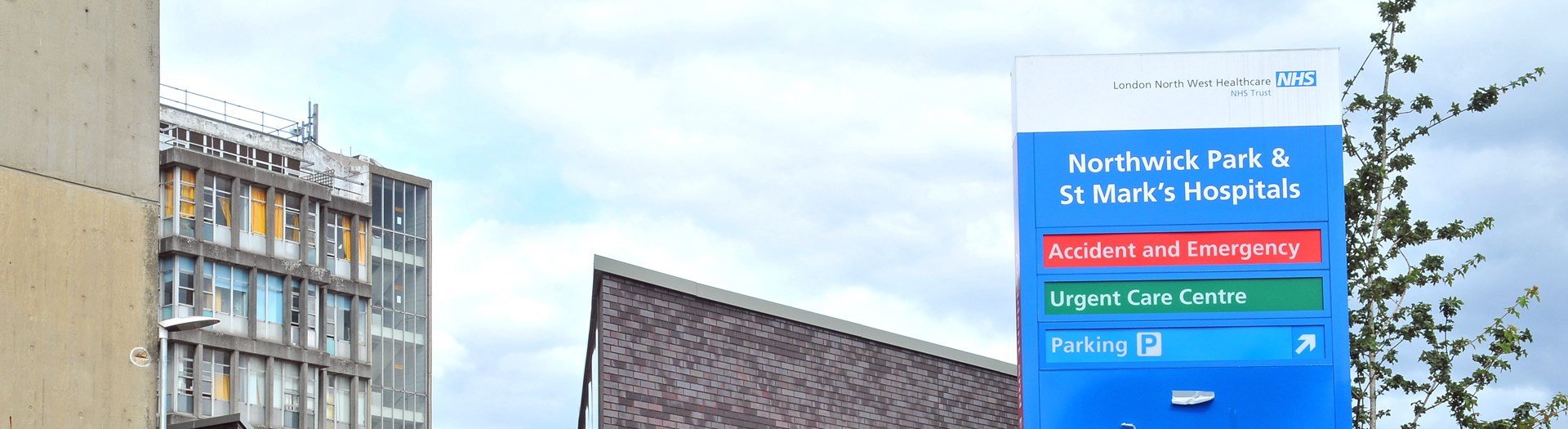
    We’re gaining ground on our project at Northwick Park Hospital where we’re installing a unique blend of heat pumps, battery storage, and solar to support London North West Healthcare NHS Trust’s transition to net zero.

    The 200kW water source and air source heat pumps are now in place and ready for commissioning, the 2MW battery energy storage system is connected to the grid ready for configuring, and the 643kWp solar will soon generate electricity and power the hospital site.

    Once complete, this self-funding fully integrated energy solution will guarantee savings of £1.9m a year for the Trust and save over 2,500 tonnes of carbon each year. The solution has been designed with the ability to grow too, and the infrastructure is scalable, enabling it to meet the ongoing challenges and opportunities that arise on the Trust’s road to net zero.

    Read more about the project here.

  • Future of Energy event success

    Future of Energy event success


    Future of Energy event success

    We had a fantastic time at the “Future of Energy Event”, hearing from inspiring people about the part heat networks, energy conservation measures and renewable energy is playing on the road to net zero.

    We’d particularly like to thank:

    for their contributions to the day. The speakers talked us through some fundamentally important topics such as drivers, policy and stakeholder engagement.

    Our clients provided us with some lessons learnt and best practice from the projects they have delivered and how they hope they can help other public sector organisations follow in their footsteps.

    One particular highlight was introducing two of our green energy apprentices to the attendees. Harvey and Leah took part in a Q&A, spoke eloquently about their careers so far and their hopes for a net zero future.

    Members of the Vital Energi team gave guided tours around the Manchester Civic Quarter energy centre as part of the event, highlighting that decarbonisation is already happening.

  • Future of Energy event showcases collaboration, innovation and purpose

    Future of Energy event showcases collaboration, innovation and purpose


    Future of Energy event showcases collaboration, innovation and purpose

    On 17th September, Vital Energi hosted its Future of Energy event at Kings Cross, London, bringing together over 100 leaders and stakeholders from housing associations, universities, consultants, developers, investors, and policy makers. The day explored one central question: what is the future of energy?

    The event was chaired by Strategy & Partnerships Director, Elliott Sharpe, who shares a roundup of the event, along with his reflections and highlights.

    We wanted to bring the industry together to share insights, challenge assumptions, and inspire collective action. Decarbonisation is not just a technical challenge, it is a social one too. Our role (collectively) is to deliver solutions that benefit people, communities, and future generations.

    Our panel of “Tomorrow’s Trailblazers” – opened the event with our very own group of apprentices and graduates who shared their expectations of today’s decision-makers and their call for a clear and urgent pathway to net zero. Their insight and resilience highlighted that the future of the industry is in capable hands.

    A heavyweight discussion followed, featuring representatives from AECOM, Triple Point, DESNZ, the National Wealth Fund, and Vital Energi, examining how investment, policy, and technical modelling can align to unlock value in energy networks. A key takeaway was lets not make social value a box ticking exercise and lets create meaningful impact! We also have our fingers crossed that the Warm Homes Plan will announce support in the cost of heat challenge hat networks are currently facing.

    In the afternoon, attendees heard stories from Leeds PIPES customers, with speakers from the public and private sectors emphasising the importance of trust, alignment, and a framework for engagement in delivering lasting decarbonisation. Regulatory challenges were also debated in depth, with a focus on how housing associations and the wider sector must prepare for a rapidly evolving policy landscape.

    We then showcased real-world case studies, from Islington Council and the City of London demonstrating that decarbonisation does not have to come at a premium. By combining bold strategies with practical action, we illustrated how meaningful reductions in carbon, consumption and cost are already being achieved and can help fund future decarbonisation works and pay for themselves.

    We wrapped up by sharing why we do what we do, not just what we do, or how we do it – it’s not just the technology, but the purpose behind it. A social value video (below) reminded us that the energy transition is about more than networks, batteries, or heat pumps: it’s about making a tangible difference to communities and future generations.

    We started the day by asking the audience what their vision was for the future of energy. But little did they know, the answer was sat right in front of them all the time, hidden inside their goodie bag. Our amazing children at the Youth Zone in Blackburn created the artwork that became the keyrings in our delegates’ gift bags. Each with a little message, a reminder right from the start that the future we’re building is not just technical – it’s about people and communities too.

    Throughout the event, one clear theme emerged: technology is vital, but purpose is essential.

    The day closed with networking and a strong sense of shared optimism, proving that the Future of Energy is not just a vision, it is already taking shape through collaboration, innovation, and purpose.

    What stood out to me on the day was the strong sense of unity in the room. It felt as though everyone had come together with a shared determination to tackle the energy challenge we face – one that goes beyond climate to include affordability and the wellbeing of our communities.

    There was also a powerful reminder that this transition is about people as much as technology. From the importance of supporting communities today to empowering the younger generation who will shape tomorrow, the event had a real human spirit running through it. That spirit of collaboration and purpose is what I’ll carry forward from the Future of Energy.

  • Further Contract Success at The Atlas Building


    Further Contract Success Atlas Building Peaking Plants

    After completing the design and build for the heating and cooling scheme at The Atlas Building in 2018, we are pleased to continue our relationship with Rocket Properties by providing all operation and maintenance services for the energy centre and heating and cooling network.

    The Atlas Building is the tallest residential building in London’s Tech City, standing at 152m high, and consists of 38 storeys of residential property and 9 storeys of office space. We began working on the energy solution in May 2017 which included the installation of a 158kWe CHP engine, a 2.8MW modular gas boiler, 12 condensing gas boilers and a separate chilled plant room with 1MW of water cooled chillers.

    Having worked alongside the contractors and clients from the first stages of design, we have developed an insight into the project and its specific requirements, therefore this extensive knowledge of the site and the equipment installed has led to us delivering the operation and maintenance services.

    We are delighted to have been awarded the operation and maintenance agreement for The Atlas Building, and to be able to continue our work on site. We have worked closely with the managing agent to ensure a smooth project handover and will continue to do so to provide the best possible service to our client and end customers

    Katy Lister, Vital’s Business Development Executive

    The Atlas Building offers 302 one, two and three bedroom apartments, a private cinema room, a pool and a gym.

    The building offers 302 one, two and three bedroom apartments, a private cinema room, a pool and a gym.