Author: admin

  • MP visits Solihull’s low carbon heat network

    MP visits Solihull’s low carbon heat network


    MP visits Solihull low carbon heat network

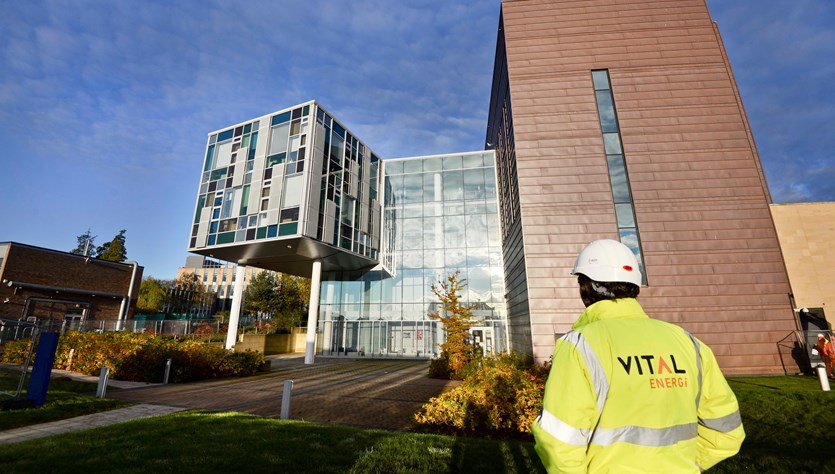
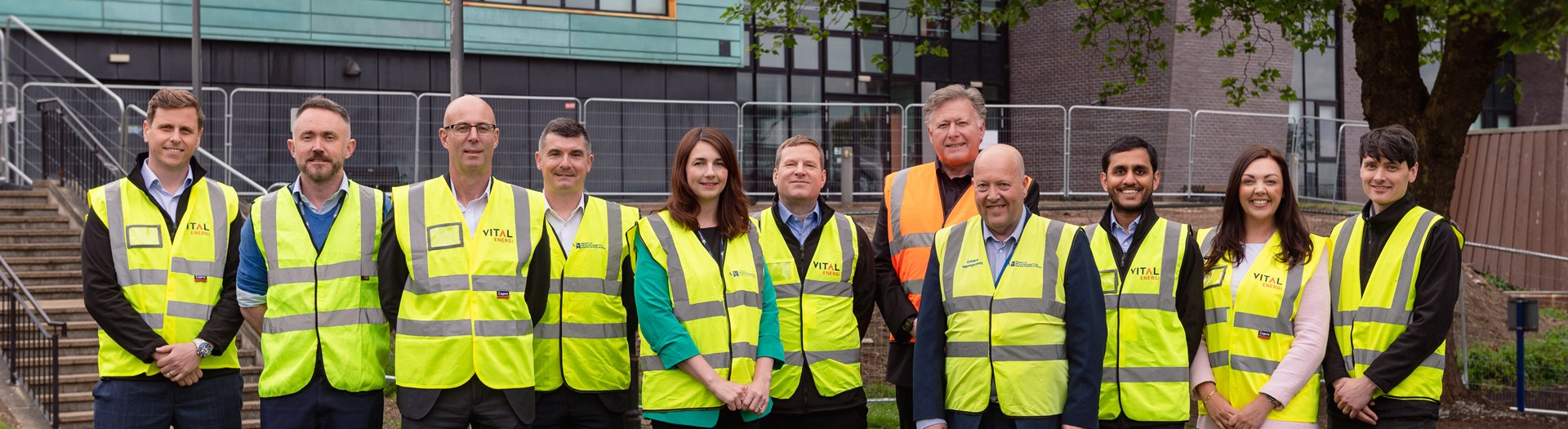
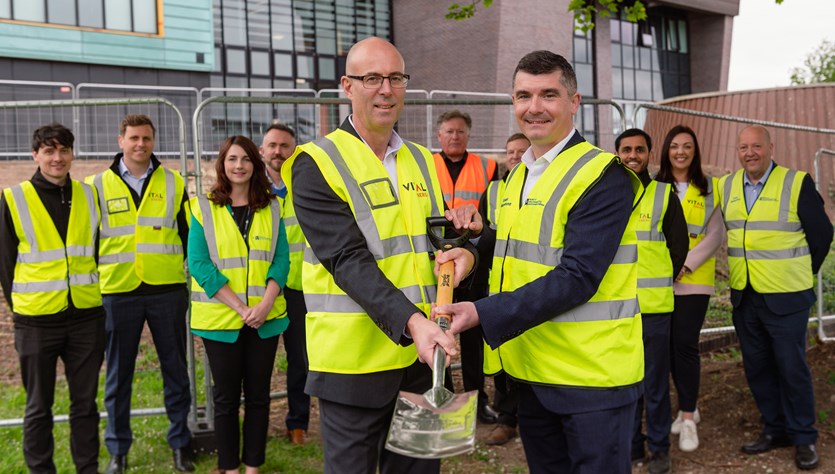
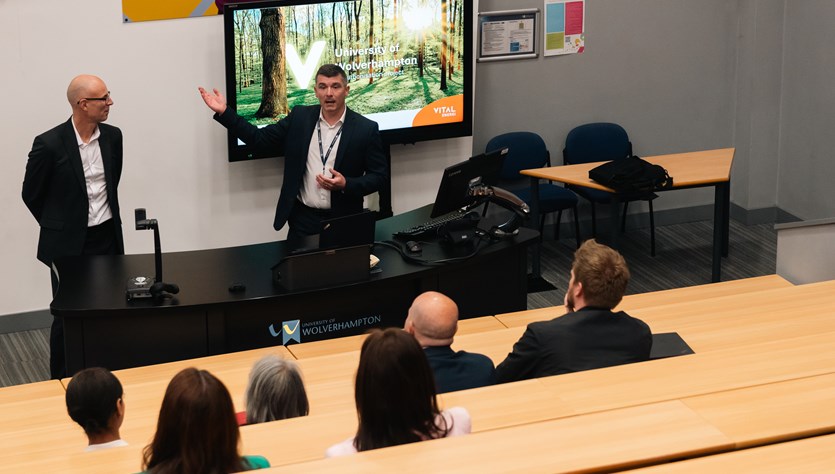
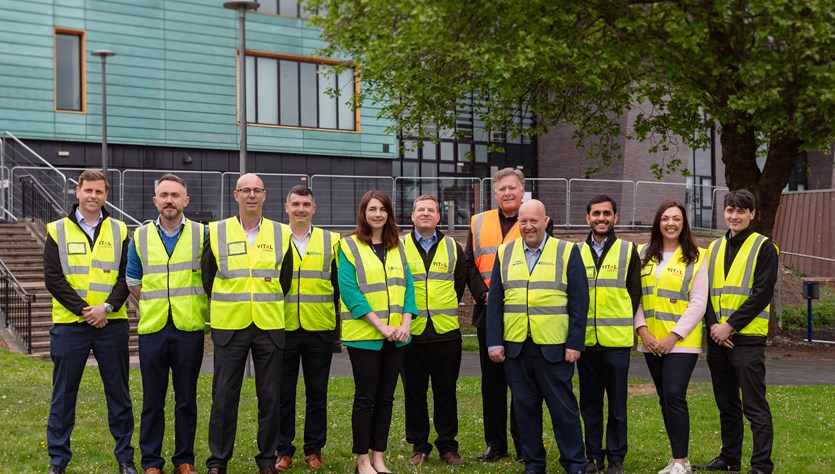
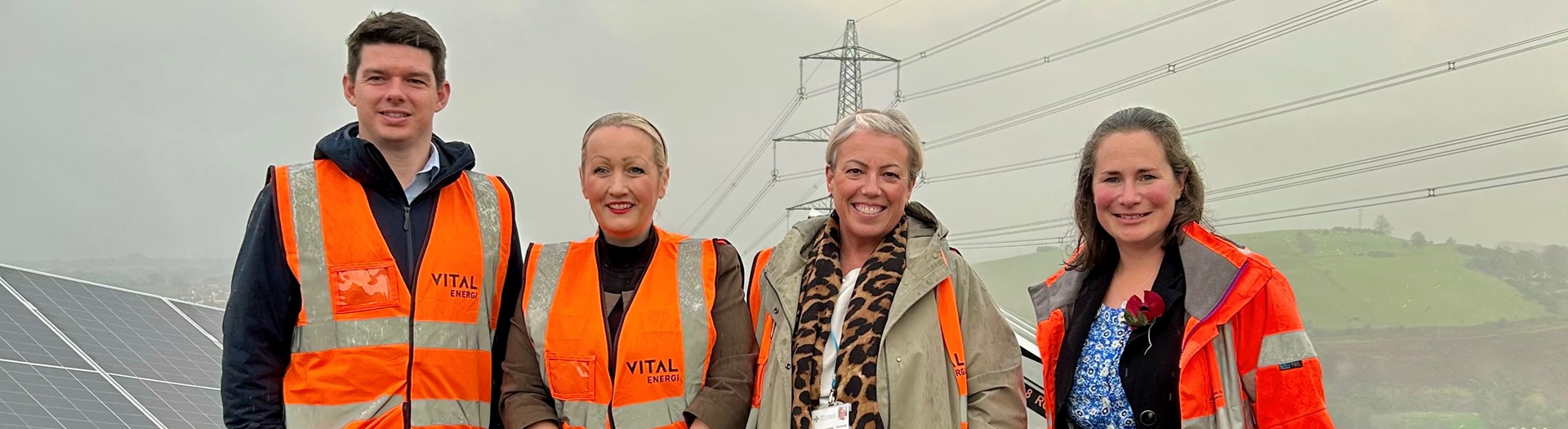
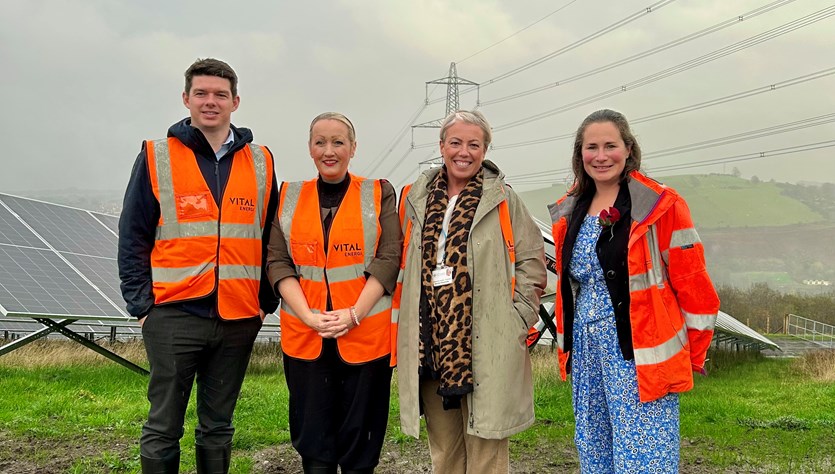
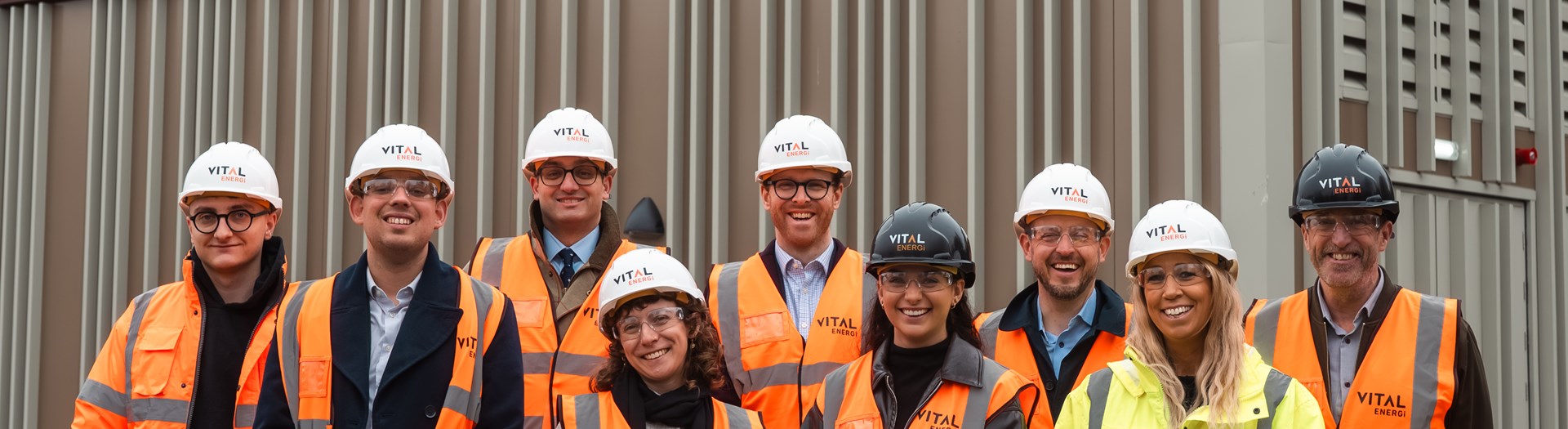
    Dr Neil Shastri-Hurst, Member of Parliament for Solihull West and Shirley, visited the Solihull Energy Network to see how the project is helping to reduce the town’s carbon emission by 1,070 tonnes during Phase 1.

    During the visit, the MP toured the new energy centre, joined a discussion on local energy ambitions and chatted to one of the apprentices supporting the delivery of the scheme.

    Heat networks are becoming one of the UK’s most important low carbon solutions and are estimated to make up 20% of the UK’s heating needs by 2050. It’s important to remember, however, that these projects go beyond environmental benefits. Over £3.2m has been spent with local people and businesses, and 3,000 hours have been invested in green careers and skills, which will create a true, long-lasting legacy for Solihull.

    Andrew Wightman, Vital Energi’s Regional Director

    The visit forms part of a wider programme of engagement events, which showcase how heat networks can help towns and cities deliver more affordable and resilient sources of energy and heat to their buildings.

    The network will supply well-known local landmarks, including, but not limited to:

    • Solihull College
    • Tudor Grange Academy
    • Tudor Grange Leisure Centre
    • The Core

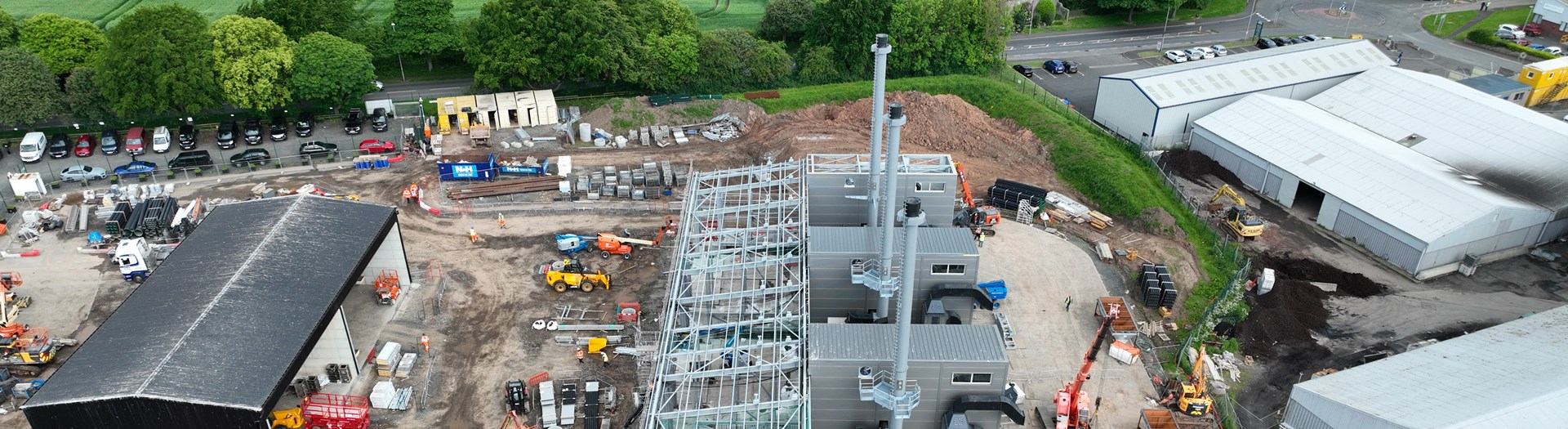
    When complete, the project will feature a low‑carbon energy centre powered by rooftop air‑source heat pumps, which draw warmth from the ambient air and store it in 100,000‑litre thermal vessels.  This heat is then distributed through a 5km underground heat network.

  • Reliable, renewable & ready to grow: GBS on five years with Leeds PIPES

    Reliable, renewable & ready to grow: GBS on five years with Leeds PIPES


    How Leeds PIPES is powering GBS campus sustainably

    The Global Banking School (GBS) has expanded significantly in recent years, opening new campuses across London, Manchester and Birmingham, as well as international sites in Dubai and Malta.

    In 2021, they opened their first site in Leeds at the St George House campus. They have since taken on a second building and student numbers have risen from around 1,000 to approximately 5,000 across Leeds.

    We visited the campus to meet Lewis Oswin-Bateman, Facilities Manager, and John Ward, Regional Facilities Manager, to learn about system reliability, how the network is contributing to the student experience, and what sustainability means to them.

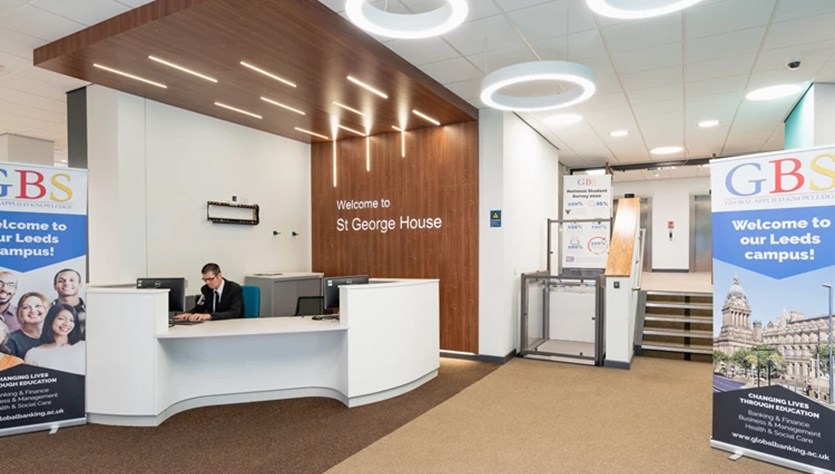
    Leeds Campus Outdoors June 21 1 1 (1) Copy

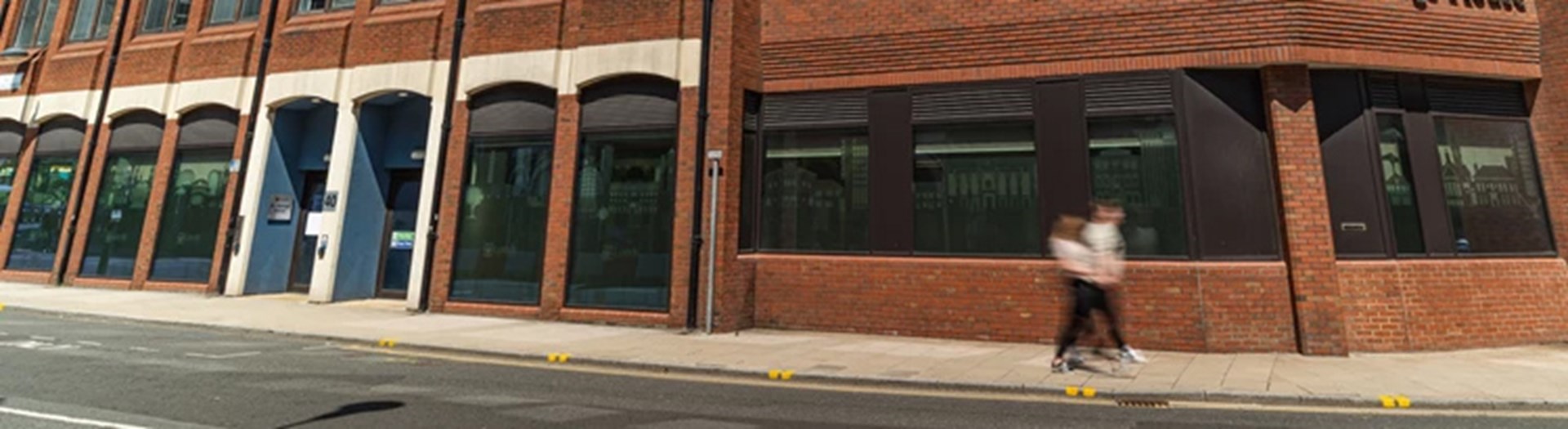
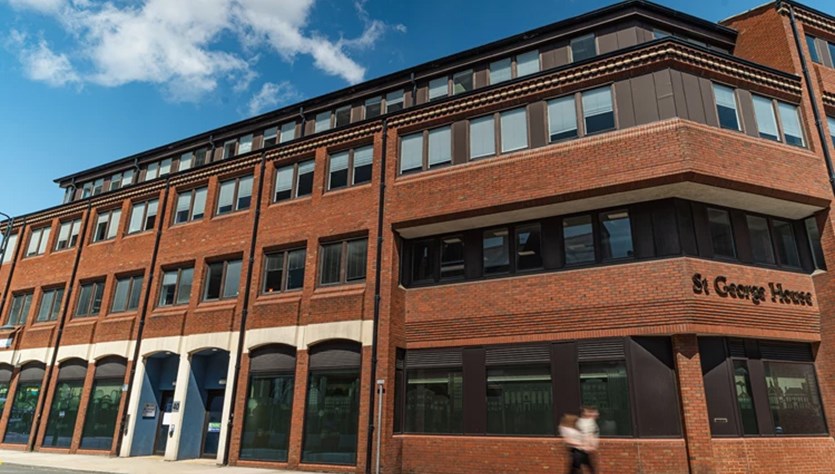
    St George House was connected to the Leeds PIPES heat network in 2019 and the heating system has proven to be a reliable, low-maintenance solution.

    Solution detail

    I think the Leeds PIPES project is an amazing initiative and comparing it to our other site in Leeds, which is gas, you’ve got a lot less compliances as well, with things like gas servicing. Also, there’s no combustion, so it’s a lot safer on that side of things.

    Lewis Oswin-Bateman – GBS, Facilities Manager

    We’re five winters’ in with Leeds PIPES and we’ve never had a major issue with the heating. From my experience, if it was a gas boiler, we’d have had at least one instance where we came into a freezing cold building because the system had gone down.
    John Ward – GBS, Regional Facilities Manager

    Can you tell us about how you came to be connected to the Leeds PIPES heat network?

    John: As a company, we’ve expanded significantly throughout the UK and added international sites. We wanted a presence in Leeds and in 2021 we entered a 15-year lease with the Council for the building. The Council had already connected the building to Leeds PIPES, so the pipework was in place and the plant room finished.

    Is it important to GBS to have sustainable solutions for energy and did Leeds PIPES fit into that?

    John: It’s the way GBS wants to go, and the heat network offers that to them. As a business, we tend to do 15-year leases, so undertaking the connection ourselves for a limited period may not have made business sense, but because it was already installed, it was a good solution for us.

    As leaders, we need to demonstrate that we want to save energy. When we have to produce, we should ask ourselves, “can we look at better ways of producing that?”

    Lewis: What’s interesting is that the district heating network is renewable. The heating comes from the Energy from Waste plant, and I organised a site visit so I could understand more about where the heat comes from. I think the Leeds PIPES project is an amazing initiative and comparing it to our other site in Leeds, which is gas, you’ve got a lot less compliances as well, with things like gas servicing. Also, there’s no combustion, so it’s a lot safer on that side of things.

    Can you compare the benefits of being connected to a heat network with your other sites which use gas boilers?

    Lewis: For me, as someone who has to handle all the heating, it’s no hassle. Compared to managing the boilers and all the fan coil units down at our other site, I have more stress there than I do here. This system is a lot easier to think about and fix.

    John: It’s the reliability that’s great. The water comes into the building, goes through the plate heat exchanger, through the building pipes and back out. You really can’t get much simpler than that. It’s ideal for hospitals, universities and organisations which can’t have downtime and I’d say it’s proved its worth here.

    So, as well as simplicity, it’s also about reliability.

    Lewis: It’s one less thing to think about. I know if this system ever went off, I could give Vital Energi a ring and someone would come out and fix it. It’s about reliability and we know that heating is going to be there.

    John: We’re five winters in with Leeds PIPES and we’ve never had a major issue with the heating. From my experience, if it was a gas boiler, we’d have had at least one instance where we came into a freezing cold building because the system had gone down.
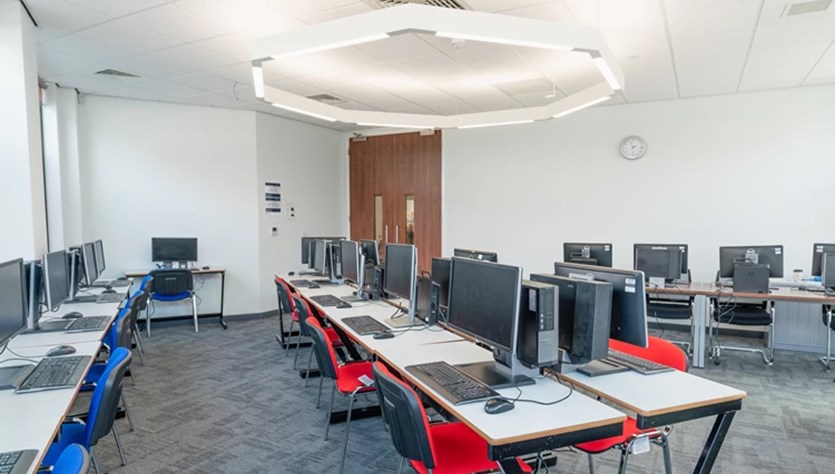
    Leeeds Indoors 26 Copy

    The Leeds PIPES heat network takes renewable heat from the nearby RERF and distributes it to customers around Leeds, including The Global Banking School.

    Solution detail

    How does maintenance of a heat network stack up against fossil‑fuelled solutions?

    John: I think it’s a lot better. We’ve had one minor issue which was rectified and didn’t affect performance, and we’ve been in the building five years. This is opposed to situations where we’ve taken over a building and then we’ve got to get the servicing of the boilers and practical things like that. These can be coming up to the end of their lifecycle and need replacing, but the plate heat exchangers are simpler.

    Lewis: From our perspective, all we do is treat the heat exchangers like boilers. All the pump systems, all the Building Management System settings are the same, so that side of things is fairly familiar.

    John: Vital just come out once a year for an inspection.

    How’s the responsiveness when you report an issue?

    John: We’ve got a contact number so any issues we can just call that. We had an engineer in from another company who’d accidentally hit the “stop” button instead of the light switch on their way out of the plant room. A Vital engineer came, realised that had happened and got the system going again.

    You’ve grown as a business, so presumably the way you use energy has changed. How does the system meet the increased needs?

    Lewis: In total, between here and our other site we’ve grown to around 5,700 students.

    John: And because we’re not a typical university, we have three intakes a year. When we first opened this in 2021 people were coming in and doing four-year courses, but they were part-time and only did two days per week and they tended to be staggered. We’ve also increased opening times from five days to seven days per week.

    Has the system been able to accommodate that increase?

    John: Yes. We’re looking to get maximum use out of the building, so in those really cold months – December, January, February – the heating will be on constantly, and it meets those needs. We want student comfort, so we make sure it’s between 20 and 23 degrees.

    Leeeds Indoors 26 Final

    St George House was the Global Banking School’s first presence in Leeds.  They have since opened a second campus and student numbers have grown to over 5,000.

    Solution detail

    How important is sustainability for your students and what does it mean to know they get their heat from a renewable source?

    John: Any time you can reduce your energy usage or carbon by a percentage, it has to be worthwhile. Not all countries are as committed as we are, but we can show the students that we’re doing our bit, as a company, and we can look at it from a global perspective because we’re a global company.

    The students are on board with that.

    Lewis: We have construction management courses, and those students are really in tune with how we’re going to have to be more sustainable going forward. They’re very technically knowledgeable and they’re the ones who come to us and ask direct questions about our sustainability. We can talk to them about things like our waste management contract and how 100% of waste is diverted from landfill. The Leeds PIPES connection is part of that.

    Are you looking to improve the building further

    John: We’re currently updating the radiators, which are probably from the mid‑1980s, when it was built, and that will make the heating more effective.

    Lewis: What we need to balance is that we take 15-year leases, so our investments reflect that, but we’ll explore any solution if we think it benefits us and makes us more sustainable, from assessing solar and the Building Energy Management System, to the possibility of taking our hot water from Leeds PIPES as well as heating.

  • Developing momentum on the road to net zero

    Developing momentum on the road to net zero


    Developing momentum on the road to net zero

    One of the most valuable aspects of attending the annual AUDE exhibition is speaking directly with Estates Directors and energy teams who are delivering decarbonisation across the FE sector. Every year, these conversations offer a real‑time insight into the pressures facing higher education and the innovative ways institutions are responding.

    Some universities are working towards ambitious 2030 net zero targets, while others are aligned with the UK Government’s 2050 deadline. Even with an additional two decades, the scale of the challenge is formidable.

    Many institutions have already published detailed, costed decarbonisation roadmaps and the price tag is significant. For many, the journey to net zero will come with a £100 million+ price tag. With over 160 universities in the UK, the overall sector requirement will run into the billions.

    Progress, however, remains uneven across the sector. A small number of organisations invested early and are now approaching the finish line. Many more universities are still at the initial stages of decarbonisation, and the question I was asked most often at AUDE was a simple one: “Where should we start?”

    Having worked with more than 20% of the UK’s universities, we’ve seen first hand the strategies, attitudes and behaviours that build real momentum on the journey to net zero.

    The project is being delivered through the NDEE framework and comes with an energy performance contract, which guarantees certain key performance indicators, such as carbon reduction, will be met, providing the College with certainty that its new heating system will perform as promised.

    Start with a decarbonisation plan

    We can’t overstate how impressed we’ve been by the universities that have invested time into developing robust decarbonisation plans. These documents become the blueprint for everything that follows and should be formed based on data collection and deep understanding of your Estate’s energy profiles and emissions.

    A strong plan gives you a deep understanding of your energy infrastructure, how it performs, where it falls short, and where the most meaningful improvements can be made. It enables simple comparisons, such as the carbon and cost savings from replacing fluorescent lighting with LEDs, alongside more complex decisions, such as identifying the appropriate replacement for fossil‑fuelled heating and a reliance on the electricity grid.

    By the end of the process, you’ll have a workable, evidence‑based roadmap, and crucially, clarity on whether you’re facing a £10 million challenge or a £100 million one.

    Be ready and flexible to secure funding

    No university reaches net zero through one flagship project. Even those securing headline‑grabbing £30m+ investments are only reducing their emissions by a proportion. Most institutions will need to deliver dozens of projects over the coming decades, from quick‑win energy‑reduction measures to major energy‑centre redevelopments or large‑scale renewable energy generation schemes.

    Funding windows often appear quickly and close even faster. A strong decarbonisation plan helps you identify packages of work that meet a funder’s criteria, rather than waiting for funding that perfectly matches an ideal project.

    Flexibility is key. If you can group and regroup initiatives in several ways, you dramatically increase your chances of being eligible for multiple funding opportunities. The universities that make the most progress are the ones able to move quickly and fluidly.

    Start with the low-hanging fruit… strategically

    Energy‑conservation measures are often the first place universities turn, and for good reason. They reduce energy and carbon at source, are usually self‑funded, and can be delivered with minimal disruption or as part of maintenance works. They also help reduce overall energy demand, meaning future generation or electrification solutions can be smaller and more cost‑effective.

    Funding schemes often include requirements such as £ per tonne of carbon reduction. By combining high‑impact measures such as Solar PV with less cost‑effective upgrades, such as glazing, you can build packages that meet each criteria whilst retaining a ‘fabric first’ approach to decarbonisation.

    Your decarbonisation plan should give you a detailed understanding of each measure, enabling you to create funding‑ready bundles with confidence.

    Build internal momentum: get on your soapbox

    Once you’ve created your decarbonisation roadmap, it’s vital to socialise it. Many universities have made public commitments but delivering them requires strong internal political will and this can be difficult when competing for budget with student‑facing services.

    The institutions making the fastest progress are those with a proactive approach to internal and external communication. Be vocal. Be visible. Advocate relentlessly for your decarbonisation agenda. Your work will only gain traction if internal enthusiasm matches the public commitments being made.

    When competing for internal budget, you need to demonstrate the strategic value, and often the financial return of your initiatives. Sharing early wins is critical: use data to highlight impact, build confidence and secure support. One NHS estates manager told me that raising the internal profile of sustainability work was “one of the most important things you can do”.

    Declaring a climate emergency or announcing a 2030 target only matters if you follow through. We’re proud to have partnered with many of the UK’s universities over multiple phases of decarbonisation projects and all our partners have one common trait – passionate people in their organisation who drive change and continue to achieve phased steps towards their net zero ambitions.

    Finally… don’t overthink it, something is better than nothing

    Your decarbonisation road map is an evolving document, and you don’t need to begin with a “set-in stone” list of priorities.  Simply beginning the process can bring greater clarity, allowing you to get a better understanding of the potential phases.

    Also, don’t let the size of your net zero challenge overwhelm you.  Even the projects which have multiple projects under their belt didn’t have a full sequence of project and phases from day one.  They created an overarching plan which could be adopted to suit available funding streams, access windows and the life cycle stages of existing infrastructure.

    Once you have your basic plan, you can begin to build on it, crafting your long-term strategy over time.

  • Residents – life on an extended heat network with creative spark

    Residents – life on an extended heat network with creative spark

    Accordion title

    Accordion intro text body copy


    • Got a project in mind?

      Tell us about your project and a member of our team will be in touch shortly.


  • University of Wolverhampton unveils major decarbonisation project

    University of Wolverhampton unveils major decarbonisation project


    University of Wolverhampton: £11m Decarbonisation Project

    Heat pumps, solar PV, and a heat network are just some of the technologies being introduced at the University of Wolverhampton as part of an £11m project to accelerate their journey to net zero.

    The University has joined forces with Vital Energi to deliver the multi-technology energy solution at their Walsall Campus, which will reduce carbon emissions by over 1,000 tonnes each year.

    Gas-fired equipment and end of life boilers will be replaced with an air to water source cascade heat pump system, which recovers heat from the air and boosts it to higher temperatures to provide low carbon heating and hot water to campus buildings.

    To enhance the overall efficiency of the heat pump system, Vital Energi will recover chilled water from the air source heat pumps, thereby eliminating the need to run the chillers during summer months, which will save more energy.

    Solar photovoltaics systems will be installed across a number of rooftops to allow for on-site renewable electricity generation. Energy efficiency measures will also be installed, such as air conditioning controls, pipework insulation, and improved heating and cooling controls.

    An underground network of district heating pipes, known as a heat network, will be installed, which will supply low carbon heat to five campus buildings.

    A ‘Living Lab’ will also be established, which will allow academics, researchers, and students to study the impacts of the heat pump technology, solar, and energy conservation measures. The Living Lab will offer real-life research opportunities for students and researchers, evidence-based recommendations for operational staff, and opportunities for research impact for academics.

    “At the University of Wolverhampton, we are thrilled to be making great progress towards our sustainability goals and reducing our carbon footprint. This is one of many great initiatives the university is committed to including the Green Innovation Corridor and a partnership with UNITAR to provide student education backed by the United Nations Sustainable Development Goals.”

    Dr. Pete Cross, Chief Financial Officer at the University

    Phil Mottershead, Project Development Director at Vital Energi, said:

    “We’re really pleased to be supporting the University’s journey to a net zero future. This project provides a large step towards full heat decarbonisation at the Walsall campus, with the inclusion of Solar PV and energy conservation measures meaning that year on year energy cost savings will also be delivered.”

    The project was made possible thanks to funding from the Phase 3c of the Public Sector Decarbonisation Scheme totalling £8.6m, which is delivered by Salix Finance on behalf of the Department for Energy Security and Net Zero.

    Director of public sector decarbonisation at Salix Ian Rodger said:

    “At Salix every day we’re driven to helping organisations reduce carbon emissions and introduce more energy efficiency measures.

    “In the face of climate change we have no time to waste. We’re pleased to support the University of Wolverhampton in the journey to net zero and look forward to seeing the progress made thanks to the Public Sector Decarbonisation Scheme funding.”

    The project will be delivered by March 2026.

  • Heat pumps transform Tameside Hospital in £14m project

    Heat pumps transform Tameside Hospital in £14m project


    Heat Pumps Transform Tameside Hospital | Vital Energi

    Vital Energi has partnered with Tameside and Glossop Integrated Care NHS Foundation Trust on a £14m decarbonisation project that will cut carbon emissions at Tameside General Hospital by over 2,000 tonnes a year.

    Having designed and developed the scheme, Vital Energi will construct a new energy centre housing a 2MW heat pump system, comprising four air source heat pumps and two water source heat pumps, supported by two efficient low temperature hot water boilers.

    A new air source heat pump will also be installed within the Pathology block, replacing the old and inefficient gas boiler.

    The project includes de‑steaming the site-wide heating and domestic hot water systems to improve temperature control and eliminate heat losses, enhancing overall energy efficiency.

    A range of Energy Conservation Measures (ECMs) will also be installed. These include cavity and pipework insulation, hydronic optimisation of secondary systems, EC fan upgrades, upgrades to the building management systems, and roof‑mounted solar PV. More than 500 light fittings across the site will be upgraded to LEDs, including 170 emergency lights.

    The Trust’s collaboration with Vital Energi represents a significant step toward improving the efficiency and sustainability of the estate. The project will significantly reduce the Hospital’s energy bills, savings that can be reinvested into frontline patient care.

    The project is being delivered through the Carbon and Energy Fund (CEF) Framework, which has been specifically created to fund complex energy infrastructure upgrades for public sector organisations.

    “We’re proud to be working alongside the Trust on a project that will make a real difference to carbon reduction, energy efficiency and ultimately patient care. By integrating innovative heat pump technology, de steaming ageing infrastructure and delivering a comprehensive package of energy saving measures, we’re transforming the estate in a way that will deliver long term operational and environmental benefits. This investment represents a major step in the Trust’s decarbonisation journey, and we’re delighted to support them in delivering this scheme which reduces carbon emissions, cuts energy costs, and strengthens the resilience of healthcare services.”

    John Runniff, , Account Development Manager at Vital Energi

    “We are delighted to be working with Vital Energi on this milestone project to de-steam the heating infrastructure, whilst improving reliability and resilience of our engineering plant.”

    Ian Hinitt, Head of Estates at Tameside Hospital

    This project has been made possible through grant funding from Phase 4 of the Public Sector Decarbonisation Scheme (PSDS), which prioritises reducing direct carbon emissions from public buildings by supporting projects that deliver the highest carbon savings.

    The scheme is run by the Department for Energy Security and Net Zero and delivered by Salix Finance.

    “Every unit of energy saved in the NHS is a step toward cleaner air, better health outcomes, and a more resilient healthcare system, proving that energy efficiency is as vital as any treatment. This is about creating better buildings for the future, and healthier environments for the patients, the teams and everyone who visits a hospital.”

    Ian Rodger , Director of Public Sector Decarbonisation at Salix

    Alongside Tameside and Glossop Integrated Care NHS Foundation Trust, Vital Energi successfully guided eight clients through the Phase 4 application process, securing a total of £55.6 million for sustainable projects and contributing to the continued acceleration of the NHS Net Zero Strategy.

  • Official Opening of Hebburn Heat Network’s Paul Younger Energy Centre

    Official Opening of Hebburn Heat Network’s Paul Younger Energy Centre


    Official Opening of Hebburn Heat Network’s Paul Younger Energy Centre

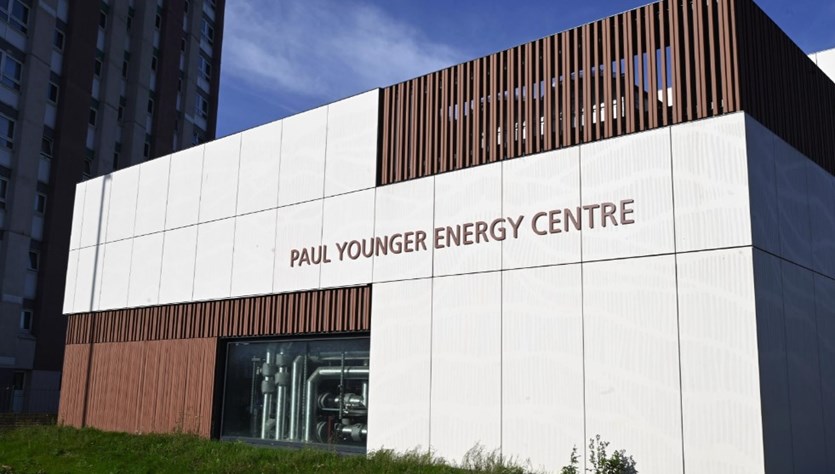
    The Hebburn Heat Network is an exciting new project which is revolutionising the way the community generates and distributes heating and at the heart of the project is the newly opened Paul Younger Centre.

    The energy centre, in Hebburn town centre, uses air source heat pumps to provide renewable heating and hot water to Durham Court residential block and Hebburn Central leisure facility.

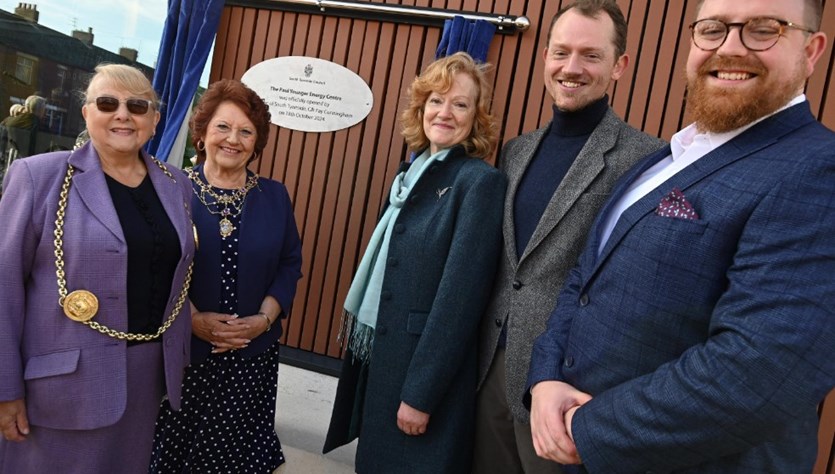
    The Mayor of South Tyneside, Councillor Fay Cunningham unveiled a plaque to mark the official opening of the building. She was joined by the Mayoress, Stella Matthewson and dignitaries including former Mayor Councillor John McCabe as well as Paul’s family and friends.

    The Hebburn Renewable Energy Centre is a wonderful tribute to the late Professor Paul Younger, who was born in the town and went on to become one of the world’s foremost experts in his field. It was a real honour to perform the official opening and wonderful to mark such a special occasion with Paul’s family and friends. Paul was described by his colleagues as passionate, warm and as having a fundamental desire to do good in the world. I’m sure he would be extremely proud to have such a fantastic facility in the town he was born.”

    Councillor Fay Cunningham , The Mayor of South Tyneside

    Hebburn Opening 2

    The Paul Younger energy centre, which feeds the Hebburn Heat Network

    Solution detail

    About The Project

    The centre’s two-stage 450kw air source heat pump solution takes ambient heat from the air and converts it into hot water to provide low carbon heating. It has allowed the Council to reduce its reliance on traditional, gas-fired boilers, and is helping to cut carbon emissions by around 320 tonnes per year. Electricity generated locally using solar panels and a Combined Heat and Power unit helps to power the system.

    The project originally intended to draw on geothermally heated warm water in flooded disused coal mines. However, this method was found to be unworkable during the drilling works phase due to the conditions deep underground which could not have been foreseen. Fortunately, mitigation measures designed into the scheme from the outset meant the project could progress, with energy generated by drawing ambient heat from the air, rather than from underground.

    The scheme secured more than £4.8m in funding from the European Regional Development Fund (ERDF) and was developed in collaboration with the Coal Authority and Durham University, with the new centre built in a partnership with Vital Energi, Buro Happold and Driver Group.

    It is the second of the Council’s flagship renewable energy projects, following the opening of the award-winning Viking Energy Network in Jarrow (VENJ). VENJ draws heat from the River Tyne using innovative technologies, making it a first in the UK and was also delivered by Vital Energi.

    Both schemes, marking their first year in operation, are delivering a combined annual reduction of around 1,035 tonnes in carbon emissions.

    Councillor Ernest Gibson, Lead Member for Neighbourhoods and Climate Change at South Tyneside Council, said: “These groundbreaking energy centres show real innovation and vision in renewable energy solutions. We will continue to work in partnership with others to assess and deliver future schemes wherever possible to help us deliver even more carbon savings.

    “They are just one of the ways we are using modern technology to meet our energy demands in a more sustainable way and creating a cleaner, greener Borough for our residents.”

  • Work starts to extend low-carbon heat network across Leeds

    Work starts to extend low-carbon heat network across Leeds


    Work starts to extend low-carbon heat network across Leeds

    Construction has recently commenced on milestone extensions to the innovative low-carbon district heating network being rolled-out in Leeds city centre by sustainable energy experts Vital Energi, in partnership with Leeds City Council.

    £3 million of Heat Network Investment Project (HNIP) funding was secured by Leeds City Council to support the phase three spine extension of the Leeds PIPES project, which uses heat from non-recyclable waste at the nearby Recycling and Energy Recovery Facility (RERF) to generate reliable, affordable, low-carbon heat and hot water for nearly 2,000 flats and a dozen non-domestic buildings across Leeds. The HNIP funding will support a significant 2,500m spine extension across zones covering student apartments, residential developments, multi-storey flats, large public sector sites. Additionally, the extension will help to strategically open up more of Leeds for future sustainable energy developments.

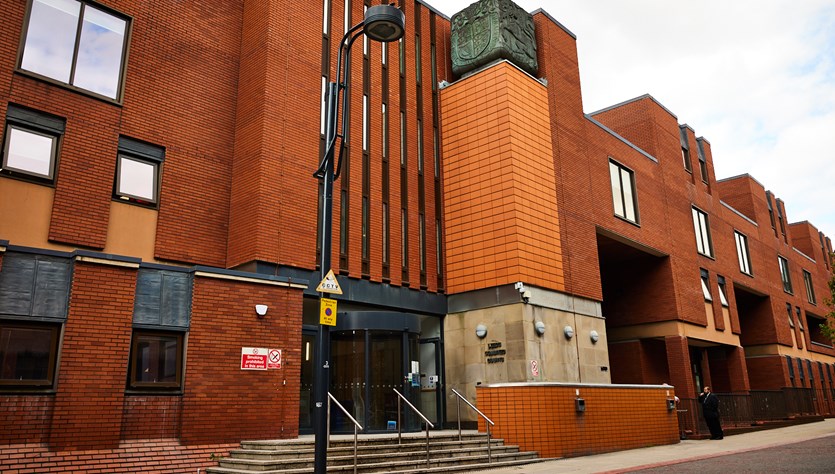
    Demonstrating the momentum of the network, a second separate piece of work has also commenced which will see the Ministry of Justice commit to greener energy consumption for the future in Leeds. Leeds Magistrates Court and Leeds Combined Courts are the latest in a list of high-profile city centre buildings and developments to have signed-up to connect to the district heating network from the existing network along Great George Street. The Combined Court Centre will take up to 1,400 kW and the Magistrates Court up to 800kW from the network.

    At full build out, the heat network has the capacity to save approximately 16,220 tonnes of carbon per year.

    By extending the district heating network, we’re enabling forward-thinking organisations like the Ministry of Justice to commit to a more sustainable future, which in turn sets a great example for other businesses across the city looking to lower their emissions and find more affordable methods of operating. By joining the network, organisations will have access to an affordable, reliable and low carbon way to provide heating and hot water and will avoid feeling as much impact from energy price increases. Meanwhile, making the long-term shift to a more sustainable form of energy will support wider decarbonisation efforts and help take the city a step closer to reaching its net zero ambitions.”

    Mike Cooke , Managing Director, North & Scotland

    VITAL LEEDS AUG2022 170

    Leeds Magistrates Court and Leeds Combined Courts | The latest in a list of high-profile city centre buildings and developments to have signed-up to connect to the district heating network.

    Solution detail

    Moving away from fossil fuel heating is a priority for us across the court estate as we look to build back greener from the pandemic and improve sustainability. Connecting Leeds Combined Court and Leeds Magistrates’ Court to the network will support our target to reduce our carbon footprint and our ambition to achieve net zero carbon by 2050. This project is a great example of local and cross-governmental working to tackle an important issue.”

    Graeme Goldsmith, Delivery Director for HMCTS North East

    VITAL LEEDS AUG2022 56

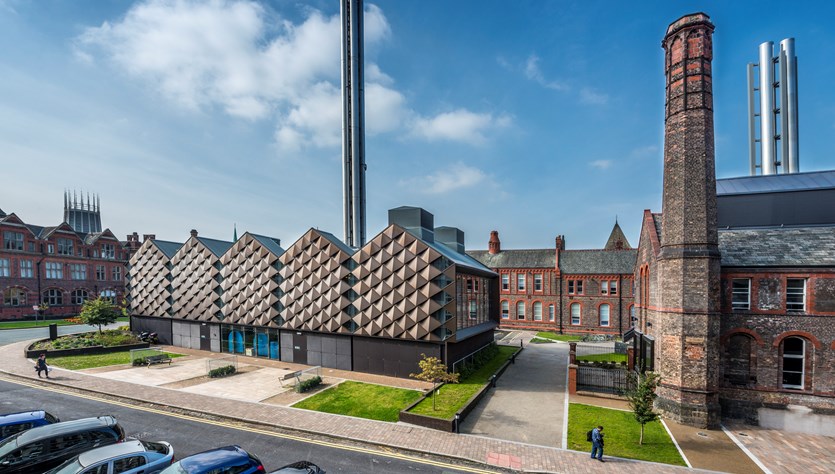
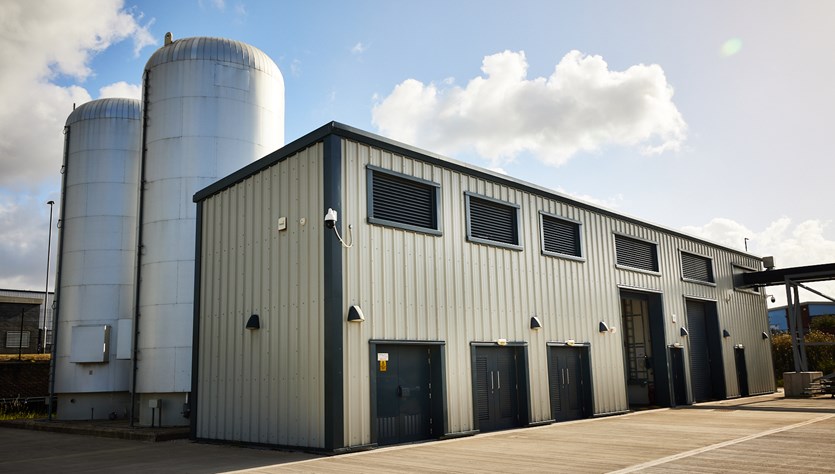
    Cross Green energy centre | Takes heat from non-recyclable waste at the RERF

    Solution detail

    The Leeds PIPES district heating network is one of our most exciting infrastructure projects and has real momentum behind it with more public, commercial, and residential buildings all choosing to connect. By extending the network to more parts of the city, I am delighted that we’ll soon be able to give even more businesses and residents the opportunity to enjoy affordable, reliable and low carbon heat—helping them to move away from costly fossil fuel based systems and towards a greener future.”

    Cllr Helen Hayden, Leeds City Council, Executive Member for Infrastructure and Climate

    VITAL LEEDS SEP2022 1

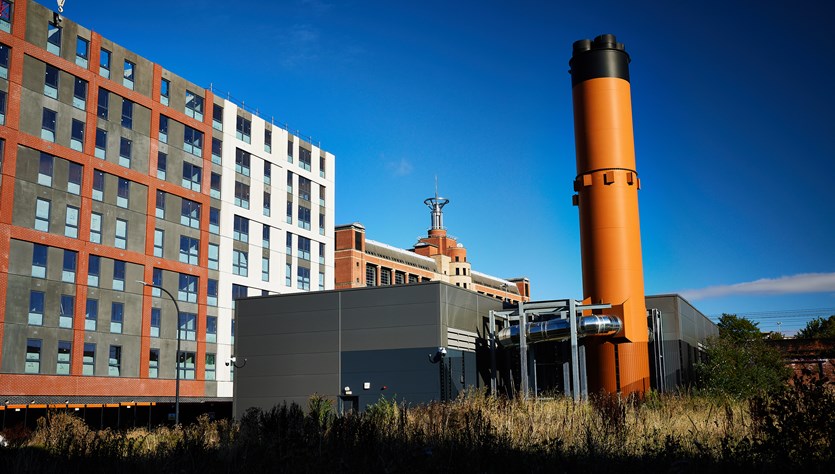
    Saxton Gardens energy centre | part of the low carbon Leeds PIPES heat network, helping Leeds City Council on their journey to net zero.

    Solution detail

    Government grants have already allowed homes, businesses and public buildings across Leeds city centre to move away from using costly fossil fuels and this latest heat network funding will help many more to see the benefits of low-carbon heating. Coupled with upgrades through the government’s Public Sector Decarbonisation Scheme, we are showing how investing in cutting-edge clean technologies can help protect consumers and businesses from the costs that are driving up energy bills at a time of high global prices.”

    Lord Callanan, Minister for Business and Energy

  • Coed-Ely Solar Farm Welcomes Welsh Government

    Coed-Ely Solar Farm Welcomes Welsh Government


    Coed-Ely Solar Farm Welcomes Welsh Government

    On Thursday, November 6, Cabinet Secretary for Economy, Energy and Planning, Rebecca Evans MS attended the official opening of the new Coed-Ely Solar Farm, alongside Cabinet Member for Resources, Councillor Ros Davis, and representatives from the UK Shared Prosperity Fund (UKSPF), UK Government, NHS, Stantec, Rhomco, Vital Energi and the Welsh Government Energy Service.

    The visit came as part of the official switch on for the solar farm, which began supplying electricity directly to the Royal Glamorgan Hospital in early October. The visit provided opportunity to see the project generating electricity for one of our most vital public services.

    The visit included a tour of the solar farm and a visit to the hospital, meeting the team behind the project and learning more about the unique partnership between Rhondda Cynon Taf County Borough Council and Cwm Taf Morgannwg University Health Board, highlighting how the project has improved energy security, created local jobs, and generated over £600,000 in spending with local businesses and suppliers.

    Coed Ely Solar Farm is made up of 9,400 solar PV panels which can generate 6MW of electricity, with 5MW exported to the grid and 1MW sent to Royal Glamorgan Hospital through a 3.2km private wire network. It’s built on the site of a former 84-hectare colliery tip and is a great example of how we can repurpose our industrial past to be part of our energy future. Marking Welsh Climate Week and tying in with this year’s theme, unlocking the benefits of change, the solar farm creates local power for local care whilst providing grazing for farm animals and thriving hedgerows for local wildlife.

    The Coed-Ely Solar Farm was jointly funded by Rhondda Cynon Taf County Borough Council, the UK Government through the UK Shared Prosperity Fund (UKSPF), and part-funded by the Welsh Government.

    IMG 0518

    Welcoming the Cabinet Secretary for Economy, Energy & Planning, Rebecca Evans MS to the Coed Ely solar farm.

    Solution detail

    Seeing the solar farm live is a truly magnificent milestone. This ambitious project has been delivering energy for the benefit of our communities for a few weeks now and it’s fantastic to meet with our contractors, partners and those from the Royal Glamorgan Hospital on site today to see the project in action. The visit comes as part of Welsh Climate Week and this year’s theme, unlocking the benefits of change, ties in perfectly with what the solar farm stands for, creating local power for local care whilst still providing grazing for farm animals and thriving hedge rows for local wildlife.

    Councillor Ros Davis, Cabinet Member , Rhondda Cynon Taf County Borough Council

    Councillor Davis continues, “Any electricity generated that is not used by the hospital is fed into the National Grid, helping strengthen the UK’s overall energy security. But ‘local’ is at the heart of this project, local power and local impact.”

    Cabinet Secretary for Economy, Energy and Planning, Rebecca Evans MS said: “The Coed Ely Solar Farm is a shining example of how we can transform our industrial heritage into clean energy infrastructure that serves our communities.

    By repurposing this former colliery site to power vital NHS services, we are demonstrating that Wales’ journey to net zero can create local jobs, support local businesses, and ensure our public services are more resilient and sustainable for the future.”

    Secretary of State for Wales Jo Stevens said: “The Coed Ely Solar Farm is a great example of the UK Government investing in a project that creates jobs, drives economic growth, contributes to lowering household and public sector energy bills, and helps achieve carbon neutral targets.

    We have invested £4.892 million from the UK Shared Prosperity Fund which, alongside funding from our partners, means the solar farm is now supplying green electricity to the Royal Glamorgan Hospital and the national grid and playing a part in our mission to make the UK a clean energy superpower.”

    Mark Williams, Partnerships Director at Vital Energi explains: “One of the truly exciting things about this solar farm is that it demonstrates what can be achieved when the public sector collaborates to improve resilience, lower carbon emissions and save money on energy bills.  We shared the council’s vision that this project should bring maximum value to the community, so we’re pleased we could employ local people, spend money with local businesses and work with the charities, schools and groups which make up this fantastic community.”

  • Chris Calder: First steps to decarbonising your manufacturing plant

    Chris Calder: First steps to decarbonising your manufacturing plant


    Chris Calder: First steps to decarbonising your manufacturing plant

    With over 10 years’ experience within the energy sector, Vital Energi’s Project Development Director, Chris Calder, shares examples of ways in which the food and beverage manufacturing industry can start to take control of their energy consumption and build a resilient future.

    The UK food and beverage industry is experiencing significant challenges through rising costs due to factors such as inflation rates and supply chains. Over the last few years, the industry has seen many local and global factors impact the daily business operations. From volatile utility costs directly proceeding the COVID 19 pandemic, to a war that has had significant impacts, the road ahead has felt challenging.

    We must also acknowledge the immense pressure on supply chains, particularly on suppliers of raw goods and materials. This pressure has been driven by factors such as inflation and concerns over supply security, like reduced availability of ingredients and bad weather affecting crops, leading to a perfect storm of challenges. Whilst there are some immediate solutions to energy there also must be more support from the new Government to encourage greater adoption of on-site generation and clearer pricing on third party charges for energy bills.

    There are however strategies to mitigate these rising costs, and some are easier and quicker to adopt than others. Breaking down into simple tasks is often a way that we help customers set out and plan for not only their net zero requirements but also their cost and carbon reduction in the short and medium term.

    There are growing pressures to decarbonise due to net zero targets, economic challenges, and shifting consumer values. Not only is sustainability key to staying relevant and maintaining positive brand perception, it also helps achieve certifications like B-Corp, demonstrating a commitment to both environmental and social responsibility.

    Data Visualisation & Optimisation

    One of the critical first steps to reducing energy consumption is understanding where it’s going. The simple and cost-effective act of installing meters and submeters will give extraordinary amounts of data, which can be used to drive local efficiencies, and reduce the baseline heat, gas and power consumption before beginning larger projects. Clear data allows for easy optimisations, such as turning key plant equipment on/off or up/down at critical times of the day, which from previous experience could potentially reduce energy consumption by up to 30% on sites that haven’t streamlined operations.

    Installing a Building Management System (BMS) or upgrading an old control system can reduce consumption by 10-15%, and it can evolve and grow over time to incorporate more assets and buildings.

    Visualising and optimising data not only drives down consumption, but in some cases, can create new revenue streams in flexibility markets too.

    Onsite Generation & Renewables

    When faced with the challenge of reducing carbon emissions, it’s easy to act upon the most obvious thing that emits carbon – the onsite generation. Whilst this is incredibly important, if the first steps are not taken to reduce and rationalise energy, then systems could be installed in the wrong size, which could lead to higher capital expenditure costs, higher operational expenditure costs and larger overall investment. When considering where to start with onsite generation there are some key considerations. Is the data for the site up to date and accurate? This will drive the overall size of asset that is installed.

    Installing solar panels is an incredibly cost-effective way of reducing costs by generating electricity that would normally be imported from the grid. In many cases solar arrays can produce up to 30% of the annual electrical demand and even more if coupled with a battery storage device.

    Solar generation can then be used to offset the transition to the electrification of heat. Since the cost of electricity still dwarfs the cost of gas then it can often be challenging to replace fossil fuel burning assets over to greener solutions. However, with the inclusion of solar and also the rationalisation of actual energy consumption many customers are able to achieve similar operational costs when moving to a heat pump for example. The installation and management of the heat pump is incredibly important, and one size almost always doesn’t fit all. There are many technical considerations to be made which is why it’s important to consult with an expert when considering this change as swapping a boiler for a heat pump is not a simple like for like transition.

    There are also very unique ways to tackle on site generation. Depending on the customer, there can be instances where a waste biproduct of the production line can be used to re-energise the site and reclaim valuable waste. Where there is excess heat, this can be captured and re-used to pre-heat other areas of the site or converted to electricity to power other processes.

    Future Technology and Opportunities

    There are many cases where a business has recently invested in assets, such as CHPs, and are now concerned about reducing their emissions. There are options available through technologies such as carbon capture. Where there is a business need to use carbon in the process, such as carbonated beverages or in packaging, then capturing the carbon on site and converting into food grade CO2 can be a viable option. This can give a security of supply while also reducing direct emissions. In some cases, CHPs have been installed as power only or power led assets, where the heat is effectively wasted due to low requirement, the best use case for this would be to share this excess heat with those who have a need locally.

    Our future will be made up of mini networks of generating assets that share heating, cooling and power demands across borders to make best use of the available generation. There have been very successful case studies of data centres supplying their excess heat to housing developments or other local off takers. Future developments need not mean brand new technologies, innovation can simply be sharing our resources rather than losing it.

    As products and technologies evolve, we will see cost reductions come through maturity of market supply. In the meantime, there are present and real solutions to the cost pressures faced by the food and beverage sector.

    Carbon Emissions in the Sector

    According to the Department for Environment, Food & Rural Affairs (DEFRA), the food chain is responsible for approximately 20% of the UK’s greenhouse gas emissions. The pressure is on the industry to decarbonise not only from a Scope 1 and 2 perspectives but also from Scope 3, where manufacturers form part of the high street supply chain Scope 3 emissions. Retailers are becoming increasingly aware of the need to partner with environmentally friendly suppliers and subsequently that adds to the pressure of the industry to take action. Those who fall into the UK ETS also need to consider the cost of carbon and the potential for this to increase over the years further challenging the bottom line of customers. Some businesses have also been known to relinquish their B-Corp status because the cost of purchasing carbon credits became untenable. As a result, they decided to focus on their own carbon reduction methods and other initiatives that could better help the planet. With the cost of carbon credits increasing and the validity of sources on the market this brings back the attention of what can be done at a local level.

    There is a cost of inaction. Although day to day challenges are mounting for manufacturers there is a growing pressure to secure long term futures that include green production of products. Therefore, we must enable that transition by sharing best practices and guiding businesses to a simple long-term strategy. Removing carbon from operations brings with it many cost benefits. The immediate and obvious benefits are seen in the reduction of energy used and the newly created on site generation avoiding the grid. However also has its long-term benefits that strengthen relationships with customers, retail and end consumers.

    Next Steps

    The UK food and beverage sector is grappling with rising costs driven by inflation, supply chain disruptions, and energy price increases. These challenges have significant implications for both producers and consumers. Simultaneously, the sector must address its substantial carbon footprint. Through a combination of sustainable practices, technological innovation, and supportive policies, the industry can navigate these challenges and contribute to the UK’s broader environmental goals. Addressing these issues not only supports economic stability but also ensures a more sustainable and resilient food system for the future.

    There is no one size fits all solution, but the first step for every organisation is to enlist an expert to look at your data, and come up with a bespoke energy solution.

    Vital Energi have been able to shape decarbonisation strategies for organisations across the UK including major malt manufacturers, Simpsons Malt, where we’re reducing their carbon footprint by 25,000 tonnes a year, and Muntons, where we have installed a 14MW biomass boiler.

    To find out how we can help you take the first step on your net zero journey, please email [email protected].