Author: admin

  • Whole Life Carbon, done differently

    Whole Life Carbon, done differently


    Whole Life Carbon Assessments for Energy Infrastructure

    Decarbonising the built environment is not optional. It is essential. Around 40 percent of UK emissions come from the built environment, with roughly a quarter of that linked to embodied carbon from materials, manufacturing, transport and construction. Yet while operational carbon is now well understood, embodied carbon in energy infrastructure remains largely uncharted.
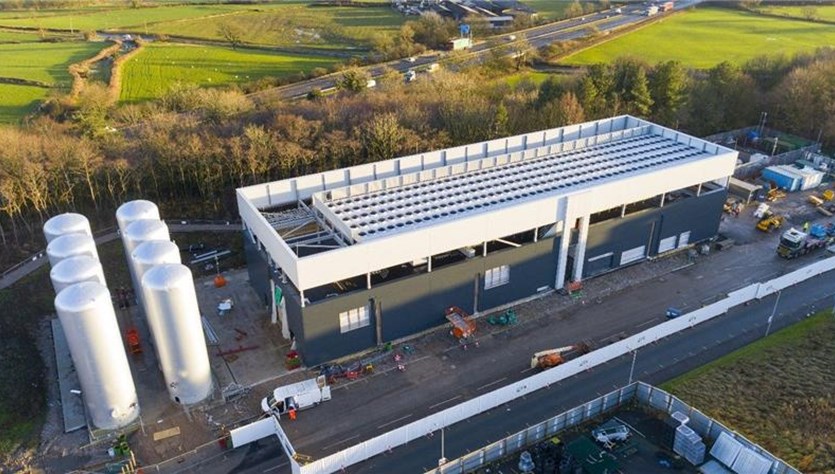
    That is why our whole life carbon assessment work at Lancaster University matters.

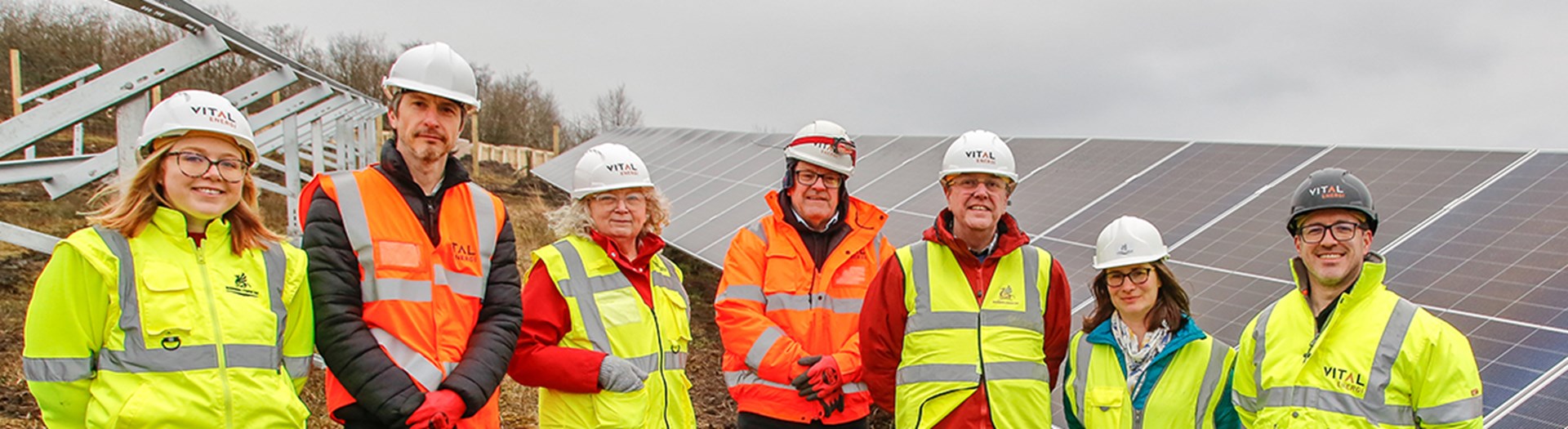
    Lancaster’s Net Zero Energy Project combines an 11.5MW solar farm, a 7MW heat pump energy centre and 6.5km of new district heating pipework. It is a sector leading example of infrastructure designed explicitly to remove reliance on fossil fuels. Together with Lancaster University, we applied the RICS Whole Life Carbon Assessment methodology not as a box-ticking exercise, but as a way to test whether existing carbon frameworks are truly fit for purpose when applied to renewable energy infrastructure.

    The findings, published in the paper Applying Whole Life Carbon Assessment to Renewable Energy Infrastructure: Lessons from Lancaster University’s Net Zero Energy Project, highlight a fundamental challenge. Infrastructure built to deliver near-term decarbonisation benefits is not the same as a building, a road or a railway. Applying a 120-year reference study period to assets likely to be superseded by better technology long before that point risks obscuring their real carbon value. One of the key outcomes of this work is a clear case for the industry to refine how whole life carbon guidance is applied to low carbon energy projects.

    What truly distinguishes this assessment is how it was carried out. Rather than relying on high-level design assumptions, we used real, live activity data collected directly from site. Our site teams, subcontractors and partners, alongside Lancaster University interns, enabled an unprecedented level of data granularity across the solar farm, energy centre and district heating works. This makes the assessment not just robust, but genuinely reflective of what happens on site.

    This approach has implications far beyond a single project. There are currently no established industry benchmarks for embodied carbon in heat networks and energy infrastructure outside of major road and rail projects. By building a growing evidence base across live schemes, including Lancaster, Leeds PIPES and new trial sites such as Easter Bush, Energy on Clyde and Walsall, we are developing the data needed to set meaningful benchmarks, identify carbon hotspots and drive real reductions.

    Just as importantly, this work is done entirely in house. That allows us to integrate carbon assessment with delivery, giving clients greater confidence in our ability not only to measure emissions accurately, but to actively reduce both our Scope 1 emissions and their Scope 3 impacts.

    As embodied carbon expectations increase across tenders, policy and frameworks such as the Green Heat Network Fund and UK Net Zero Building Standard, this capability is becoming critical. Our next focus is working more closely with suppliers to improve environmental product data and deepen understanding across the value chain.

    For us, whole life carbon is not an academic exercise. It is a practical tool for accelerating decarbonisation, improving how infrastructure is delivered, and ensuring low carbon energy systems deliver their full climate benefit. On Earth Day, and every day, that is the standard we are working towards.
  • Royal Shrewsbury Hospital on the path to net zero through £16.2m project

    Royal Shrewsbury Hospital on the path to net zero through £16.2m project


    Royal Shrewsbury Hospital are on the path to a net zero future thanks to £16.2m investment

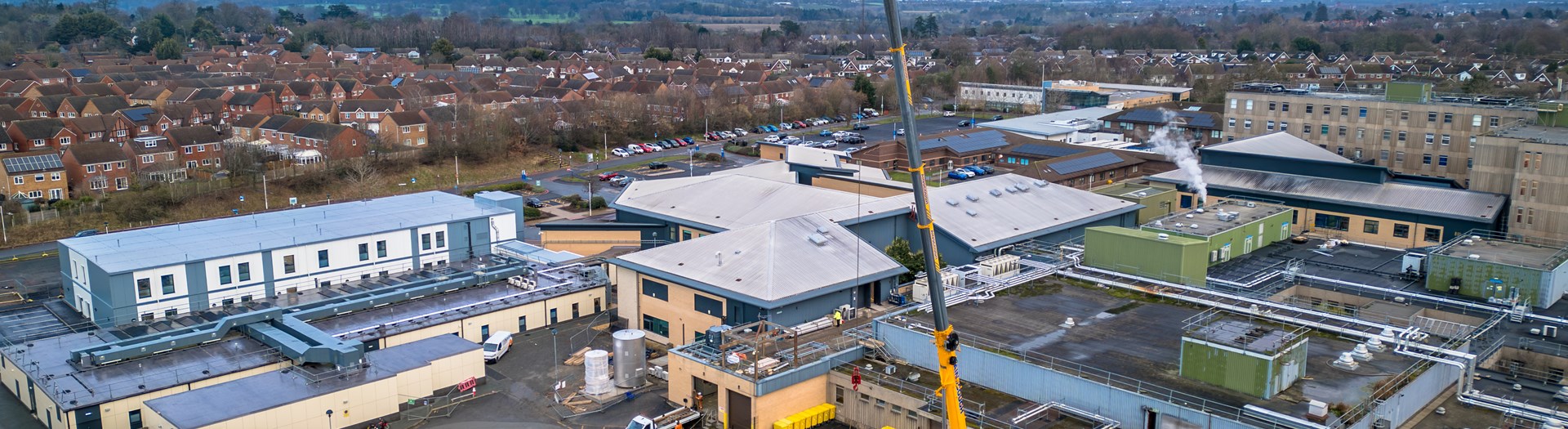
    Heat pumps, solar panels and energy efficiency measures will be introduced at Royal Shrewsbury Hospital (RSH) as part of a £16.2m decarbonisation project which will reduce the site’s carbon footprint by over 3,000 tonnes a year.

    The Shrewsbury and Telford Hospital NHS Trust, which runs RSH, secured funding through the Public Sector Decarbonisation Scheme, and have partnered with Vital Energi, who have developed the scheme.

    Vital Energi will install a1.6MW air and water source heat pump system, which will provide low carbon heating, hot water and chilled water to buildings across the hospital site.  This will enable the Trust to remove the old steam boilers and associated gas-fired equipment and fully “de-steam” the hospital estate.

    The £16.2m grant will also fund a range of energy conservation measures such as 675kWp solar panels, which will be installed on the available roof spaces, the upgrade and optimisation of the building energy management systems, upgrades of roof and pipework insultation, and the replacement of air handling unit fans units with low-energy fan systems, which will reduce the site’s energy consumption, and improve the patient and staff experience.

    As part of the project, Vital Energi will be developing a Digital Twin of the heating and cooling systems which form part of the decarbonisation works. This Digital Twin will be used to gather insights of the existing system and will enable Vital Energi to optimise the design while ironing out any inefficiencies, thereby maximising the performance of the heat pump system, as well as the reliability.

    When the work is complete, the investment could save the Trust an estimated £1m a year in energy costs, and will support the Trust’s Estates Decarbonisation Strategies, Green Plan and national NHS ambitions of reaching net zero by 2040.

    Inese Robotham, Assistant Chief Executive and Chair of the Trust’s Climate Group, said:

    “This is fantastic and exciting news for the Trust, and we’re delighted to have secured this funding. The Trust is committed to continuous investment in both our hospitals, particularly in areas which support greener solutions.

    “This aligns with our vision of sustainable health services and more modern facilities that will improve the experience of our patients and colleagues.”

    “Vital Energi are delighted that our proposed solution was selected by the Trust, and we are excited to be delivering this innovative carbon reduction project at Royal Shrewsbury Hospital. The complex and robust solution, coupled with a 15-year Energy Performance Contract which guarantees savings, supports the Trust’s long-term sustainability and carbon reduction plans, placing them firmly on the path to a net zero future.”

    John Runniff, Account Development Director for Vital Energi

    Vital Energi’s extensive track record of delivering complex energy solutions within hospital environments throughout the UK has allowed them to develop a deep understanding of the needs and requirements of the NHS. They recognise the need for the Trust to maintain patient services at all times and will work with staff to develop strategies to deliver the works without impacting on the normal operations of the hospital.

    Vital Energi are delivering the project through the Carbon and Energy Fund Framework, which has been specifically created to fund complex energy infrastructure upgrades for public sector organisations.

    The project received grant funding from the Public Sector Decarbonisation Scheme (PSDS), which is administered by Salix on behalf of the Government’s Department for Energy Security and Net Zero (DESNZ).

    Director of Programmes at Salix Ian Rodger said:

    “The Public Sector Decarbonisation Scheme is having a huge impact across the country, and we are delighted to be working with the teams at Royal Shrewsbury Hospital.

    “The funding will not only deliver a more energy efficient hospital and support the Trust’s carbon reduction plans, but it will help create a more comfortable environment for patients, staff and visitors.

    “Our teams will work closely with the Trust as continues its journey to a net zero future.”

  • Residents – life on a heat network with creative spark

    Residents – life on a heat network with creative spark


    Residents – life on a heat network with creative spark

    Lorem Ipsum

    Lorem ipsum dolor sit amet, consectetur adipiscing elit. Integer ullamcorper velit at elit sodales ornare. Morbi bibendum vel augue vitae commodo. Cras hendrerit nibh eget felis accumsan suscipit. In erat sem, luctus quis massa at, iaculis consequat massa. Suspendisse convallis pulvinar lacus, vel lobortis nunc iaculis quis. Ut ultrices eleifend sollicitudin. Vivamus sit amet placerat enim. Nullam ac velit tempus, commodo elit quis, efficitur augue. Mauris feugiat diam eget dolor varius efficitur. Nam vestibulum, erat sit amet congue condimentum, dolor dolor euismod ante, in fringilla dolor eros in leo. Etiam nisl lacus, auctor in est non, tincidunt euismod mi. Nulla a tortor velit. Proin ornare non nunc vel bibendum. Etiam a volutpat sapien, sit amet venenatis purus.

    Fusce sit amet consectetur metus. Nunc dictum lectus sapien, sed dapibus ex iaculis eget. Integer sodales erat vel tempor varius. Praesent fringilla lectus at urna facilisis, at hendrerit ante eleifend. Quisque vitae porta lacus. Aenean vitae scelerisque dolor. Aliquam consectetur ex lacus

    lectus at urna, lectus at urna

    Title field

    download brochure brochure 2.45 Mb

    accreditation

    summary of accreditation

    NERS Logo Go To Website

    2018 Stand (1)

    banner title

    banner text

    Develop or Expand a Heat Network

    next project subtitle

    next project title

    Concept Development

    Quote text for module with button

    Joe Smith, Job position Muntons Malt – Biomass System

    rich text video text box

    rich text image title

    Wyndfordec Thermalstore

    rich text image text field. Body copy

    Solution detail

  • MP visits Solihull’s low carbon heat network

    MP visits Solihull’s low carbon heat network


    MP visits Solihull low carbon heat network

    Dr Neil Shastri-Hurst, Member of Parliament for Solihull West and Shirley, visited the Solihull Energy Network to see how the project is helping to reduce the town’s carbon emission by 1,070 tonnes during Phase 1.

    During the visit, the MP toured the new energy centre, joined a discussion on local energy ambitions and chatted to one of the apprentices supporting the delivery of the scheme.

    Heat networks are becoming one of the UK’s most important low carbon solutions and are estimated to make up 20% of the UK’s heating needs by 2050. It’s important to remember, however, that these projects go beyond environmental benefits. Over £3.2m has been spent with local people and businesses, and 3,000 hours have been invested in green careers and skills, which will create a true, long-lasting legacy for Solihull.

    Andrew Wightman, Vital Energi’s Regional Director

    The visit forms part of a wider programme of engagement events, which showcase how heat networks can help towns and cities deliver more affordable and resilient sources of energy and heat to their buildings.

    The network will supply well-known local landmarks, including, but not limited to:

    • Solihull College
    • Tudor Grange Academy
    • Tudor Grange Leisure Centre
    • The Core

    When complete, the project will feature a low‑carbon energy centre powered by rooftop air‑source heat pumps, which draw warmth from the ambient air and store it in 100,000‑litre thermal vessels.  This heat is then distributed through a 5km underground heat network.

  • Lancaster University’s 6.5km heat network reaches major milestone

    Lancaster University’s 6.5km heat network reaches major milestone


    Lancaster University’s 6.5km heat network reaches major milestone

    Lancaster University are transforming the way they heat their campus with a multimillion-pound decarbonisation project, which has just passed a major milestone with the completion of the 6.5km district heating network.

    The heat network is made up of a series of highly insulated, underground pipework, which will distribute low-carbon heat across the campus, supplying approximately 250 buildings across the campus. Originally, the network supplied only 65% of the University’s buildings, but the new expansion will see that rise to 95%.

    Scott Lutton, Regional Director for Vital Energi, explained, “The University has around 15,000 students, and we know how important protecting the environment and tackling climate change is to them. This project will allow the University to benefit from low-carbon heating every day.”

    In addition to the completion of the heat network, the new Energy Centre 2 has seen strong progress with key areas like the external envelope, thermal stores and heat pumps now in place. Once complete, the mixture of water and air source heat pumps will be capable of creating 39-Giggawatt Hours of low-carbon heat and hot water.

    We’re delighted to have passed the halfway point in the construction phase and completed the installation of the expansion to the district heat network. The next challenge is to complete all the building connections and commission the new energy centre to enable the campus to benefit from the new decarbonised heat network.

    Anna Cockman, Head of Estate Development at Lancaster University

    This project is a core part of the University’s target to achieve net zero for Scope 1 and 2 emissions by 2030. strengthening their position as leaders in sustainability.

  • Laying foundations for Hull City Council’s £42m district heat network

    Laying foundations for Hull City Council’s £42m district heat network


    Laying the foundations for Hull City Council’s new £42m district heat network

    Image 2026 01 29T111035.253

    Groundworks for the Hull District Heat Network are now underway, marking the start of a low carbon initiative designed to drive economic growth and enhance sustainability across the city.

    Solution detail

    A new energy centre begins to take shape

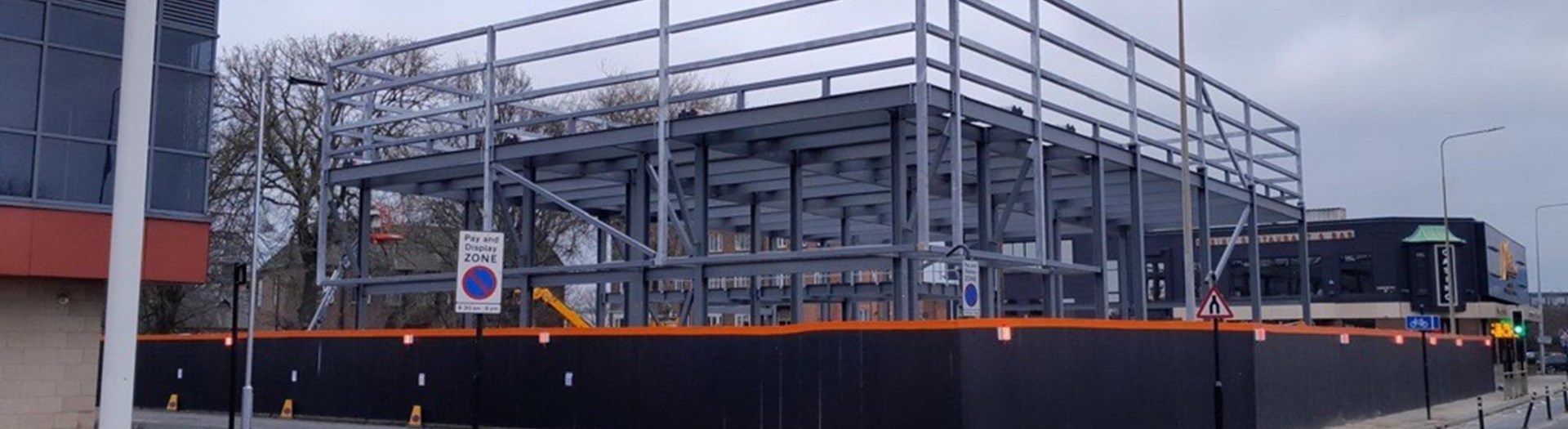
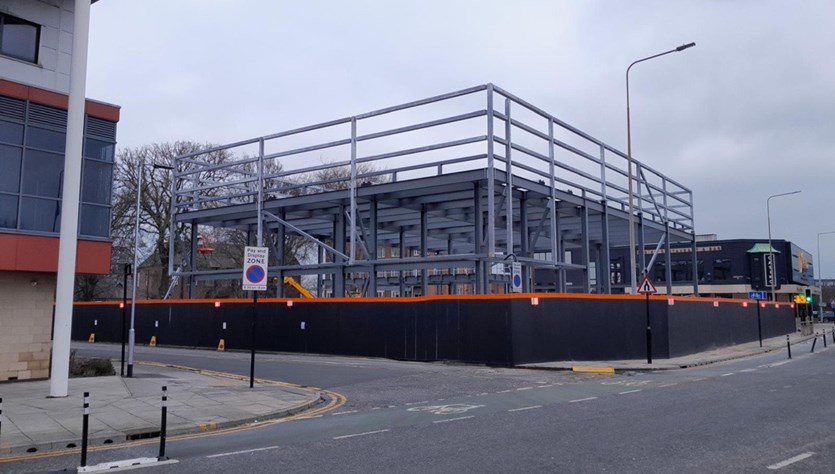
    Construction of the new energy centre at Trippett Street car park has begun, with steelworks now in place forming the framework of the building. The facility will house air source and water source heat pumps, delivering instant low carbon heat and hot water to council buildings, educational institutions, and private sector businesses. Once complete, the team will move on to the internal works of the structure, taking small steps toward this major initiative. In the future, the scheme plans to supply residential buildings as well.

    Pipework progression across the city

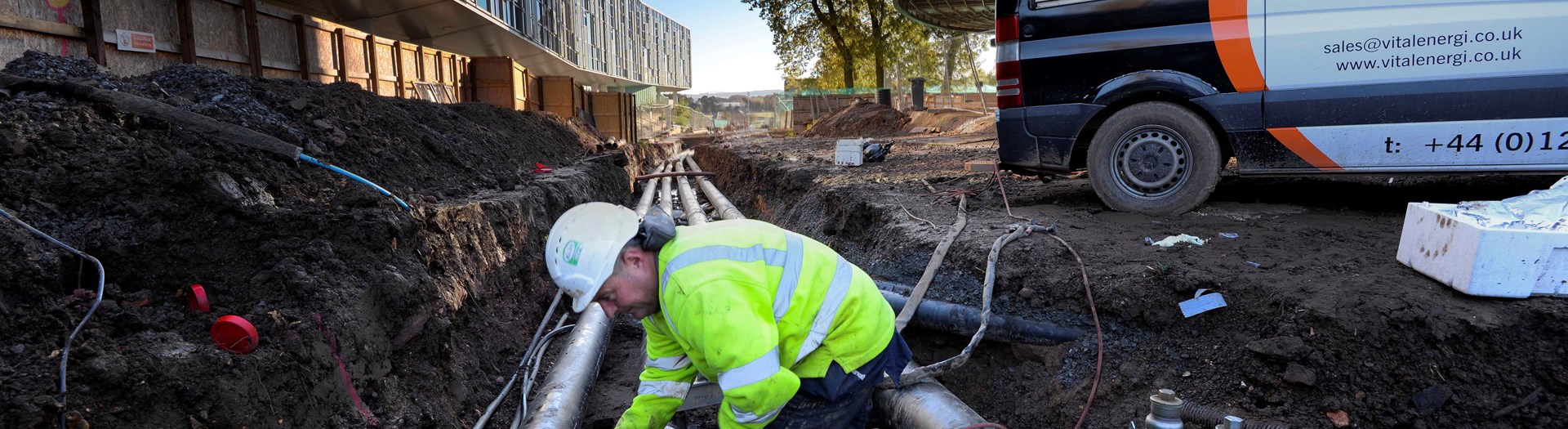
    In addition to the energy centre, approximately 5km of underground insulated pipework will be installed across some of Hull City Centre’s major streets and roads. Works have already commenced at various locations and are progressing well in line with the construction programme, whilst also ensuring access to businesses and buildings is maintained where possible. Once the network is fully installed and operational, these pipes will efficiently transfer heat generated at the energy centre to connected buildings.

    Plans for the future

    These groundworks are just the beginning of a project set to transform Hull’s energy landscape. During 2026, pipework will be installed underneath the River Hull, via the Drypool Bridge underground tunnel, which will connect to future opportunities.

    We are working alongside other developers and experts to further enhance the scheme for the city of Hull.

    Reaching the community

    Above construction works, the project is also about the growth of Hull’s economy, with job creation, education and more. In the coming weeks, we will begin to see more of this commitment come into fruition through our collaboration with Hull College who will provide us with access to deliver learning opportunities, skills development and community engagement.

    As part of the scheme, other commitments will include local school and college engagement, site visits for students, work experience placements, apprenticeship opportunities, and the use of local supply chain to name a few. The scheme is projected to save an estimated 110,000 tonnes of carbon emissions over the next 40 years; the equivalent of almost 1,900 cars being taken off the road each year. Through our partnership with Hull City Council, we endeavour to deliver a project that not only reduces carbon emissions and creates a greener, healthier environment, but also deliver a range of community benefits to the residents of Hull.

  • Our 2023 Predictions

    Our 2023 Predictions


    Our 2023 Predictions

    We asked Vital Energi’s team of experts what 2023 holds for the industry. From growth areas to challenges and the technologies which will make an important impact, here’s what they predict for the coming year.

    Nick Gosling, Chief Strategy Officer

    All the factors are in place for continued strong growth for the industry. Public and private sector customers are motivated to improve their energy efficiency and generate their own renewable electricity by high and volatile energy prices. Government policy continues to drive customers to reduce their carbon emissions, and new regulations are included in the forthcoming Energy Bill to introduce heat network zones into towns and cities. Funding support for hydrogen generation and use is also looking promising. My prediction is that we will see a change of gears in the development and investment in heat networks as a key pathway to the decarbonisation of heat.

    Nickg

    Mike Cooke, Managing Director North & Scotland

    The UK net zero targets are significantly restricted by the availability of electrical infrastructure, with some projects waiting several years to become connected and this is a genuine threat to decarbonisation. My prediction is that organisations are going to have to fundamentally change the way they procure their projects as a partnership approach will be needed to find ways around the UK’s decade-long wait for grid connections. By harnessing the expertise and creativity of contractors we can shape and develop their energy concepts and make them viable for grid connection.

    Mike
    Andrew

    Andrew Whitelock, Commercial Director

    To continue to grow the market, further work needs to be done to ensure commercial contracts facilitate this. Projects that are coming to market with all risk contracts but are heavily scored on price so this creates a conflict as contractors are being asked to take on all of the risk for the lowest price possible. Using alternative procurement routes could help both the client and contractor / operator. Procuring a joint venture approach helps contractors take a longer term view whilst also providing the best value technical and commercial solutions for the client which is also scalable for future growth.

    Gemma Dyson, Proposals Manager

    Everybody knows that our sector is not particularly diverse – not only are we male dominated, but we don’t have great representation from the BAME community. The well-documented skills gap poses a genuine problem for the industry, however there are reasons to be optimistic. In the last few years many organisation have begun work to tackle these issues, such as the Diverse Heat Network and District Heating Divas and I believe this is the year this work will really begin to produce results and attract the diverse, necessary expertise and experience we need to deliver the UK’s transition to net zero.

    Gemma Dyson

    Andrew Wightman, Pre-Construction Director

    As we move into 2023 the public sector have a significant role to play in achieving Net Zero with energy and, in particular, heat remaining a significant contributor to carbon emissions. With established government funding streams in place across the UK to support new projects including Public Sector Decarbonisation Funds (PSDS), Green Heat Network Funding (GHNF) & Scottish Heat Network Funding (SHNF) I predict that there will continue momentum to deliver heat network and decarbonisation projects and I hope that government funding schemes remain healthy to reflect the interest. Heat Network projects will hopefully be high on the agenda to coincide with the development of the Heat Network Zoning which will play a major role in the fight against climate change to facilitate the expansion of networks and help drive the decarbonisation of heat.

    Andrewwightman

    Abby Whitelock, Head of Marketing

    Whilst heat networks are a hot topic in government and the green energy industry, awareness amongst the general public isn’t that high. There are many major heat networks in development which will have a profound effect on their communities and my prediction is that a lot of work will need to be done to educate all stakeholders on the benefits they bring to their local areas. We need to take stakeholders on a learning journey and embed these renewable schemes into our communities. I see lots more resources being put into this area in 2023 and this can only lead to greater acceptance of heat networks and renewable energy schemes from both consumers feeling the benefits and the wider community.

    Abbyw

    Lee Moran, Design Director Operations (North & Scotland)

    I believe we’ll see much-improved performance in heat pumps this year as we continue to share the operational data from projects like Queens Quay with the manufacturers to help them improve their products. By collecting high-level data and making it available to manufacturers they will be able to improve essential areas such as seasonal performance, but it will also have an impact on how heat pump projects are operated. I believe this will only make large scale heat pumps more viable going forwards.

    Leem

    David Wilkinson, Design Director Pre-Construction

    It’s an exciting time for energy, with technologies such as hydrogen, smart grids and carbon capture all promising to play higher profile roles in our energy mix in the near future, but I think it will be energy storage which has the biggest impact over the next 12 months. We’re already seeing an increase in demand for battery storage, particularly from the NHS, whilst thermal storage/phase change materials will give projects a greater flexibility in how they’re operated.

    Davidw

    Steve Kelly, Design Director EC&I

    Grid capacity is already restricting the electrical market and we’re aware of projects which have been delayed and even abandoned and this is set to continue into 2023 and beyond. As pressure grows to decarbonise and keep energy bills under control, we’ll see more organisations looking at creative ways around the multi-year waiting lists. My prediction is that more organisations will have to temporarily reduce the size of their projects to get grid connection and then offset this lack of capacity by employing energy conservation measures to lower their usage until such time they can gain the connection they require.

    Steve
  • The customer experience… delivering a solar farm

    The customer experience… delivering a solar farm


    The Customer Experience… Delivering A Solar Farm

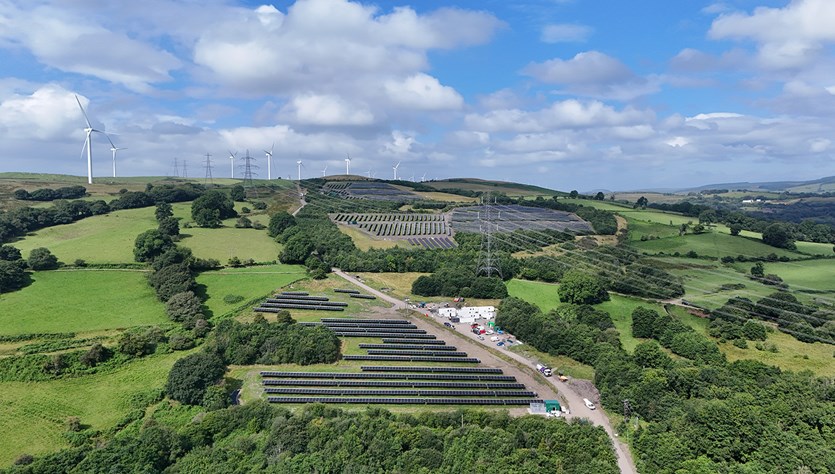
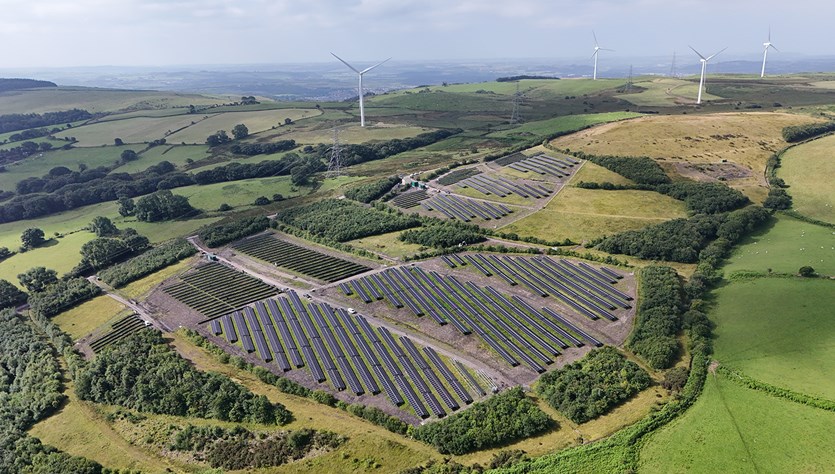
    The Coed Ely Solar Farm is a landmark project which has seen Rhondda Cynon Taf County Borough Council create a 6MW solar farm, but in an innovative collaboration, 1MW of the clean electricity generated will be exported to Royal Glamorgan hospital. Shortly after the project was finished we caught up with Rhondda Cynon Taf County Borough Council’s Coed-ely Solar Project Team to discuss the project…

    What did this project mean to the council?

    This project represented a bold step forward for the council, moving beyond our traditional delivery models to embrace a more innovative, partnership-led approach. By working closely with external stakeholders, we’ve not only delivered a major renewable energy installation, but also laid the groundwork for long-term financial sustainability through income generation. It’s a tangible example of how local authorities can lead on climate action while creating value for the public sector. The successful completion of the project, on time and in line with our strategic aims, reflects the strength of collaboration and the council’s commitment to delivering impactful, future-focused infrastructure.

    How important was the preconstruction period and what should you look to achieve?

    The detailed design and pre-construction phase was absolutely vital to the success of the project. It provided the opportunity to discharge planning conditions, secure essential consents, and develop the design to a level of maturity that gave everyone confidence moving forward. This period wasn’t just about ticking boxes, it was about building trust, aligning expectations, and ensuring that the technical and logistical groundwork was solid. It allowed us to engage meaningfully with stakeholders, clarify roles and responsibilities, and identify potential risks early on. Importantly, it also enabled the contractor to begin procurement with certainty, which helped maintain momentum and avoid delays later in the programme. That early investment in planning and coordination laid the foundation for a smooth delivery phase and ultimately contributed to the project being completed on time and to a high standard.

    Do you feel like Vital Energi are a part of your wider team?

    Initially, the team had some reservations about working with a contractor whose head office is based in the North West, quite a distance from our site in Wales. But those concerns were quickly put to rest. Vital Energi have consistently demonstrated that geography is no barrier to collaboration. From the outset, they’ve been fully engaged, always available, whether on site or at the end of the phone, and ready to support with any query or challenge. Their communication has been clear and proactive, and they’ve shown a genuine commitment to being part of the wider delivery team. It’s never felt like ‘us and them’, we’ve operated as one team with a shared goal. They’ve contributed not just technical expertise, but also a positive, solutions-focused attitude that’s helped us navigate complex aspects of the project. Their willingness to adapt, listen, and work collaboratively has made a real difference, and it’s been a pleasure having them as a key delivery partner.

    DJI 20250724102427 0695 D Copy

    The project delivery team used the pre-construction period wisely to plan for success.

    Solution detail

    It’s never felt like ‘us and them’, we’ve operated as one team with a shared goal. They’ve contributed not just technical expertise, but also a positive, solutions-focused attitude that’s helped us navigate complex aspects of the project. Their willingness to adapt, listen, and work collaboratively has made a real difference, and it’s been a pleasure having them as a key delivery partner.

    Rhondda Cynon Taf County Borough Council, Coed Ely Project Team

    What lessons have you learned during the delivery process which could help others?

    One of the key lessons we’ve learned is the importance of prioritising legal documentation early in the process. These agreements can take significantly longer than expected to finalise, and having the right legal and commercial support in place from the outset is essential to avoid delays. It’s not just about drafting contracts—it’s about aligning stakeholders, clarifying responsibilities, and ensuring the project has a solid foundation to move forward.

    Another critical insight is the value of strong relationships with local authorities, particularly around traffic management. Their input and influence can shape the feasibility and timing of works, especially when operating in sensitive or high-traffic areas. Engaging early and maintaining open communication with highways teams can make a real difference.

    We also learned the importance of thorough ground investigation, especially when working on reclaimed or previously developed land. Understanding the site conditions in detail helped us minimise surprises during construction and allowed the design to be adapted accordingly. Investing in this early stage of work can save time, cost, and complexity later on.

    Overall, these lessons highlight the need for proactive planning, strong stakeholder engagement, and a willingness to adapt as new information emerges. Sharing these insights can help other teams navigate similar challenges more effectively.

    Part of this project is a power purchase agreement with a local hospital.  How have Vital been at working in a live hospital environment?

    One of the more challenging aspects of this project was coordinating civil and electrical works within the operational constraints of a live hospital setting. The hospital was already undergoing its own expansion works, and parking availability was a sensitive issue. Our project introduced further restrictions, which required careful negotiation and planning to avoid compounding disruption.

    Vital demonstrated a strong understanding of the complexities involved in working within such a critical environment. From the outset, they engaged proactively in a series of detailed planning meetings with both our team and hospital stakeholders. These sessions focused on minimising disruption to hospital operations, particularly around access, safety, and parking logistics.

    During the civil works phase, Vital worked collaboratively to develop phased approaches that allowed disruption to essential hospital functions to be minimised.

    In the electrical works phase, Vital maintained a high level of professionalism and coordination. They ensured that all activities were scheduled around hospital peak times and critical services, with clear communication channels in place to respond to any issues swiftly. Their team was respectful of the environment, adhering to strict health and safety protocols and maintaining a low-impact presence on site.

    How were we at resolving issues?

    Throughout the project, our team demonstrated a proactive and solutions-focused approach to resolving issues as they arose. Working in a live hospital environment presented unique challenges, from access restrictions and parking limitations to coordinating around ongoing hospital operations, but they remained committed to maintaining progress while minimising disruption.

    The team prioritised open communication and early engagement with stakeholders, which helped us identify potential issues before they escalated. Regular coordination meetings allowed us to respond quickly and collaboratively, ensuring that any concerns were addressed with clarity and care.

    This responsiveness not only helped maintain momentum but also strengthened relationships with our partners and stakeholders, reinforcing trust and confidence in our approach.

    DJI 20250724100043 0686 D Copy

    The solar farm exports 1MW of electricity to the nearby Royal Glamorgan Hospital via a 3.2km private wire network.

    Solution detail

    What’s been the most positive part of the process?

    The most rewarding part of this project has been working as part of a wider, multidisciplinary team all aligned around a shared goal. From the early planning stages through to delivery, there was a strong sense of collaboration and mutual respect across all parties involved, whether it was our internal teams, Vital, the hospital stakeholders, or external consultants.

    Everyone brought their expertise to the table, and there was a genuine commitment to problem-solving, innovation, and delivering impact. That unity made even the more challenging aspects of the project feel manageable and purposeful. It created an environment where ideas could be shared openly, issues were tackled collectively, and successes were celebrated together.

    This spirit of collaboration not only helped us deliver a technically complex project in a sensitive environment but also reinforced the value of partnership in achieving sustainable, long-term outcomes.

    If you had one piece of advice for working with an energy partner, what would it be?

    If the team had to give one piece of advice for working with an energy partner, it would be: invest time early in building a shared understanding of goals, constraints, and communication expectations.

    Energy projects, especially those involving live environments like hospitals, are complex and often involve multiple stakeholders with competing priorities. Establishing a strong foundation of trust and transparency from the outset helps ensure that everyone is aligned and working toward the same outcomes.

    Ultimately, the success of the partnership came down to clear communication, mutual respect, and a shared commitment to delivering impact with minimal disruption.

  • The customer experience… creating a lasting legacy through social value

    The customer experience… creating a lasting legacy through social value


    The Customer Experience… Creating A Lasting Legacy Through Social Value

    Infrastructure projects, like the Duffryn Heat Network replacement project, can be an opportunity to deliver meaningful social value initiatives. We spoke to Mark Chircop, Hedyn housing association’s Community Investment and Partnership Coordinator to discuss how to understand communities and make the contributions that matter.

    What were you hoping to achieve through the Duffryn Heat Network Replacement Scheme?

    From a social value perspective, although this contract was based over a short period of time, our Community Development Team were able to carry out Asset Mapping before Vital Energi won the contract. We spent time talking to community members, charities, and community groups to really understand the wants, needs, and aspirations of the people in Duffryn. Our aim was to work in partnership with Vital Energi and pass on what we’d learned so that we could support the community and leave a long-term, positive legacy.

    Do you think that goal was achieved?

    Personally, yes. Together we tackled urgent needs, like donating Christmas food packages to the local food bank, and invested in long-term projects, such as the Nurture Farm at Tredegar Park Primary, which will benefit the community for generations. We focused on where we could maximise the collective impact on the community.

    The Duffryn community has long felt unheard, but Vital, in partnership with Hedyn, showed they were truly listening and took meaningful action based on what the community had identified.

    How important is social value to Hedyn?

    Absolutely. Social Value is very important. Utilising localised knowledge to help us make informed decisions. We were very focused on delivering something with longevity in the heart of the community.  While short-, and medium-term initiatives are essential for urgent needs, we’re also thinking about the wellbeing of future generations.

    Our mantra is: “Doing the right thing. Making it happen. Being the Difference”,  connecting communities where everyone can live well and creating a lasting legacy.

    Duffryn Heat Network

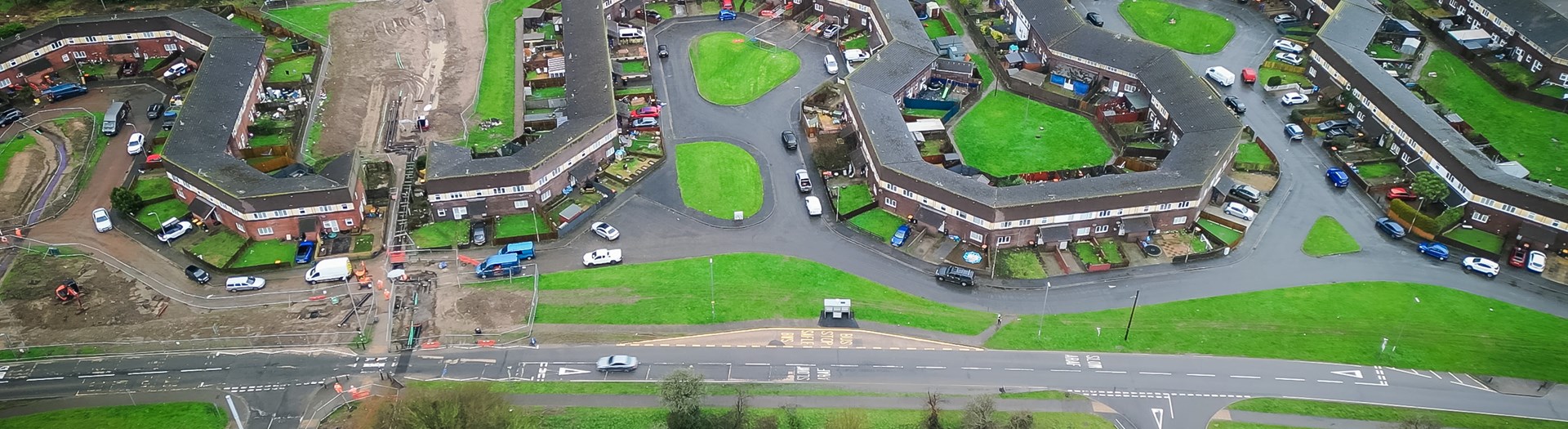
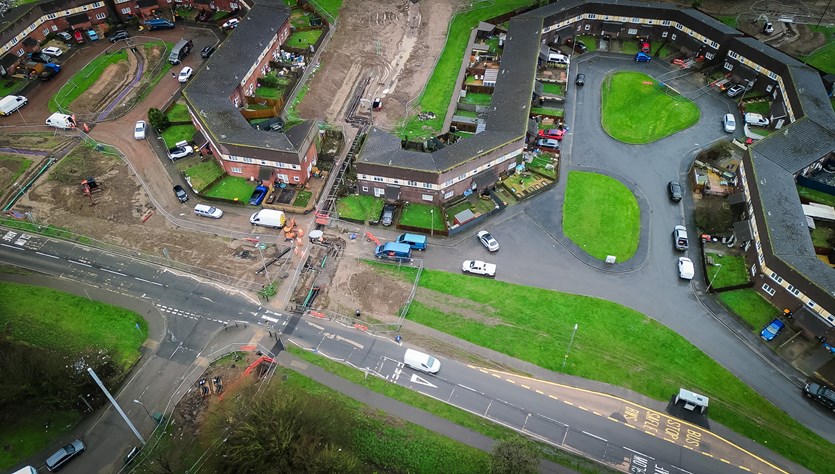
    The project delivery restored reliable, more efficient heating to the Duffryn Estate.

    Solution detail

    The Duffryn community has long felt unheard, but Vital, in partnership with Hedyn, showed they were truly listening and took meaningful action based on what the community had identified.

    Mark Chircop – Hedyn, Community Investment and Partnership Coordinator

    How did Vital Energi align with that mantra?

    Like any partnership, it took time. Vital isn’t a local contractor, so we had to help them understand the community’s wants, needs and aspirations. What they did well was listen. There was no arrogance on their part, and they were open to the research we’d been doing and the options we were able to provide.

    They worked with us to build initiatives that would have real impact. Once we understood each other, it was clear our missions were aligned. We found shared passions and worked hard to deliver on them. The Vital team was really positive and, overall, their mission and ours was very similar in that we want to help create stronger communities. Once this had been created, we were able to introduce them to the options in the community.

    Hedyn seems to have a deep understanding of Duffryn. How did you get to this point, and what advice would you give other housing associations?

    It’s an ongoing journey. We’ll never fully understand everything, but we’ve spent a lot of time engaging with groups and individuals, building an asset-based community development model. We look at what exists, what the challenges are, and how to remove barriers and unlock potential.

    You also have to be honest, learn from what worked and what didn’t. Accept criticism and use it to improve. That way, we can help contractors maximise the good they can do whilst they’re working in these communities.

    Not all contractors listen, and that’s their choice. But Vital made it clear they weren’t just an energy partner, they were a full partner, which is when this kind of work really shines.

    For example, they funded a Carpet Kurling competition for the over-55s for a year. That one initiative promoted activity, wellness, mental wellbeing, and tackled loneliness. It had a real positive impact on that community and culminated in an away day visit to Rodney Parade stadium, where the sessions were put into practice, with other schemes from around the City. This also left somewhat of a legacy, as it continues to this very day, growing every year.

    IMG 20250916 WA0027

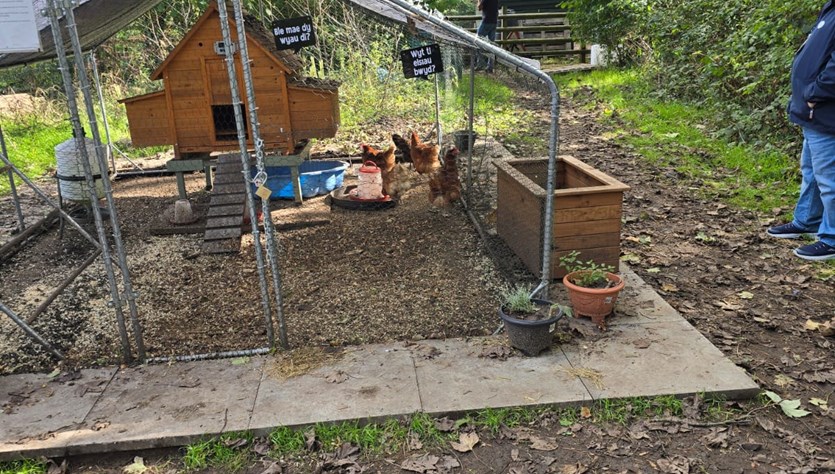
    Tredegar Primary School’s school’s nurture farm includes goats and chickens as well as an vegetable patches where children can grow food.

    Solution detail

    How important is the pre-construction period in building shared values and goals?

    It’s crucial. I attended the mobilisation meetings and got to know the team early on. This was a shorter contract, just nine months, so we had to hit the ground running. We started mapping opportunities three months before the project began, so we had ideas to bring to the table.

    That early dialogue helped us build strength and focus on real community needs.

    What advice would you give to organisations planning similar heat network replacement projects?

    Be open and honest.  Have challenging conversations early on if necessary.  Build understanding and gather feedback. Decisions should be collective and informed.

    Balance short-term needs, like food bank support, with long-term goals, like the Nurture Farm.

    What can these Public/Private Partnerships Achieve at Their Best?

    I think the Tredegar Park Primary School’s new Nurture Farm, which Vital part-funded, is a fantastic example of what can be achieved.  It’s created a new, outdoor space which promotes an active learning model.

    In an age where it’s tempting for children to stare at their screens, the kids at Tredegar Park Primary are out in nature, learning practical skills and connecting with nature.  This new facility now serves 430 children and the headteacher is sharing it with the wider community so more people can enjoy this fantastic facility.

    If you want a metric that matters, look at the faces of the kids when they’re outdoors, looking after goats, chickens and tending vegetable beds… You really can’t put a price on that.

    We worked closely with Hedyn Housing Association to identify opportunities to support community groups.  The video below covers just a few of the initiatives we took part in.

  • Vital Energi complete low carbon upgrade at Bracknell Urgent Care Centre

    Vital Energi complete low carbon upgrade at Bracknell Urgent Care Centre


    Bracknell Urgent Care Centre: £1.7m Low Carbon Upgrade

    Vital Energi has delivered a £1.7m energy upgrade at Bracknell Urgent Care Centre, supporting Royal Berkshire NHS Foundation Trust’s decarbonisation goals while maintaining essential clinical services.

    Delivered over a seven‑month period, the upgrade focused on improving energy efficiency, resilience and flexibility within the urgent care setting, where temperature control is critical to patient comfort. Bracknell Urgent Care Centre supports vulnerable patients, including those receiving kidney dialysis treatment and cancer respite care, with different clinical needs requiring both heating and cooling at the same time.

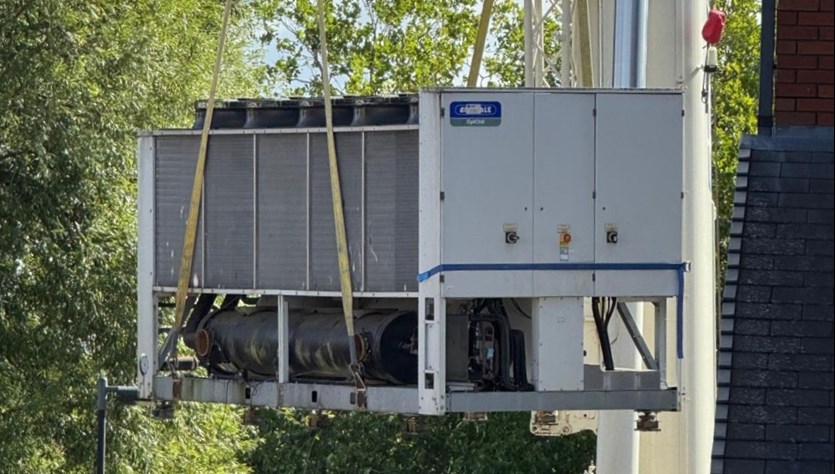
    To meet these requirements, Vital Energi installed two air source heat pumps capable of producing chilled and heated water simultaneously, ensuring temperatures can be tailored to individual areas of the building. The system is supported by four 7,000‑litre buffer vessels, providing thermal storage and enhancing system stability, alongside a newly installed energy compound to house key plant and infrastructure.

    The project delivers long‑term carbon and financial savings for the Trust, while providing a future‑proofed, low‑carbon solution aligned with NHS sustainability targets.

    This project is a great example of how we can successfully decarbonise our estate while maintaining high-quality patient care. Working closely with Vital Energi, we’ve delivered a solution that not only reduces our carbon footprint but also improves the resilience and flexibility of our facilities for the future.

    Dave Fuller, Head of Estates Projects, Royal Berkshire NHS Foundation Trust

    We’re proud to be supporting the Trust’s net zero ambitions through the delivery of a future proofed, low carbon solution. Maintaining resilience and patient comfort within a live urgent care environment was critical, and this project shows how complex healthcare settings can decarbonise without disrupting essential clinical services.”

    Paul Smith, Commercial Director, Vital Energi

    The works were carried out within a fully operational urgent care environment, requiring careful planning, close collaboration and continuous liaison with key hospital stakeholders. Maintaining energy resilience throughout the programme was essential to ensure uninterrupted care for patients.

    The successful completion of the Bracknell Urgent Care Centre project further demonstrates Vital Energi’s experience in delivering complex decarbonisation schemes across live healthcare estates, helping NHS organisations reduce carbon emissions while improving infrastructure resilience and performance.

    The project received £1.7m funding through Phase 4 of the Public Sector Decarbonisation Scheme (PSDS).