Blog

  • Future of Energy event success

    Future of Energy event success


    Future of Energy event success

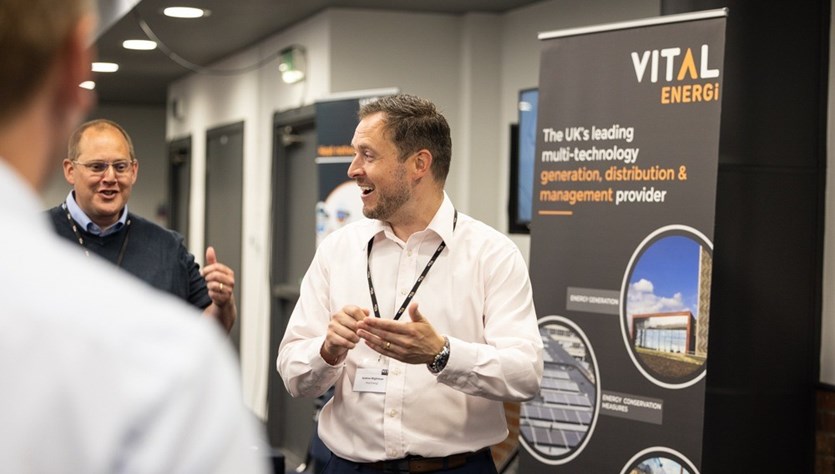
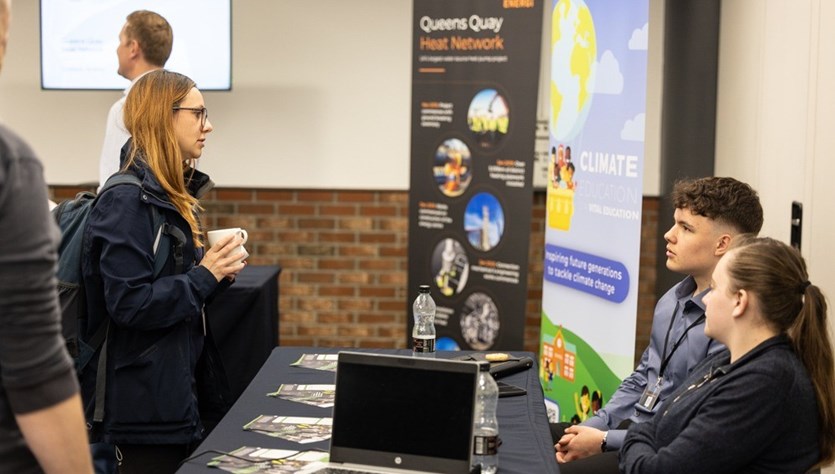
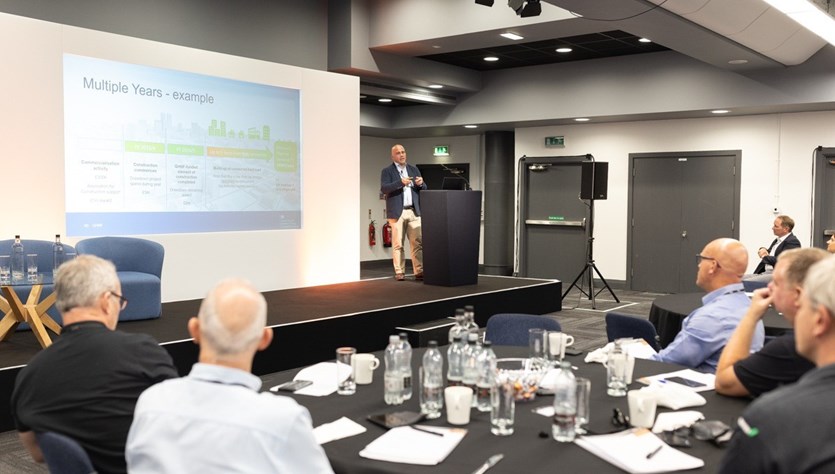
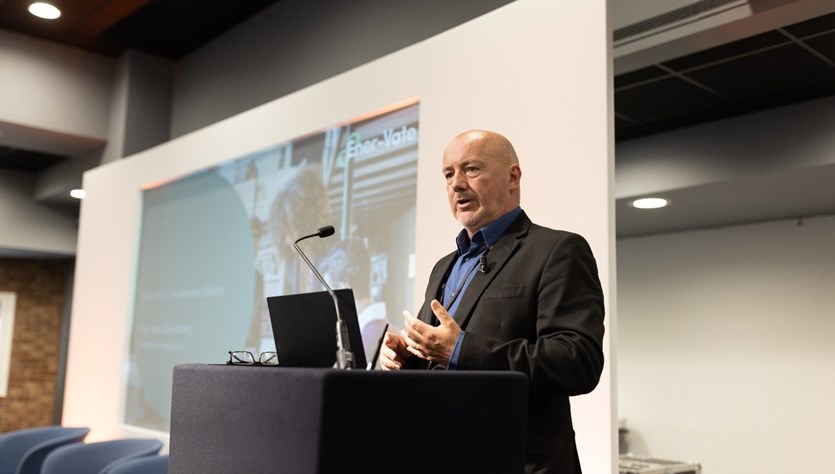
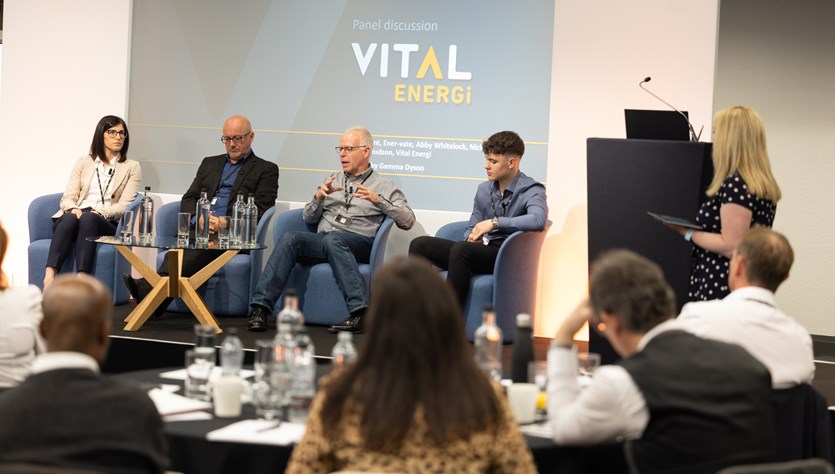
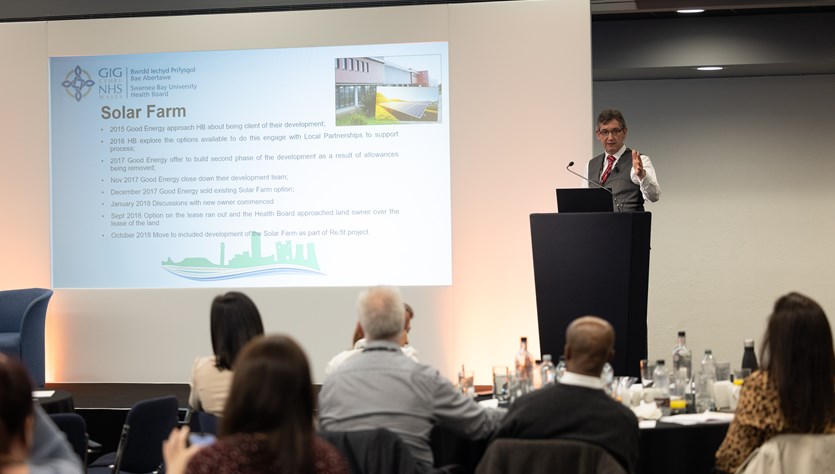
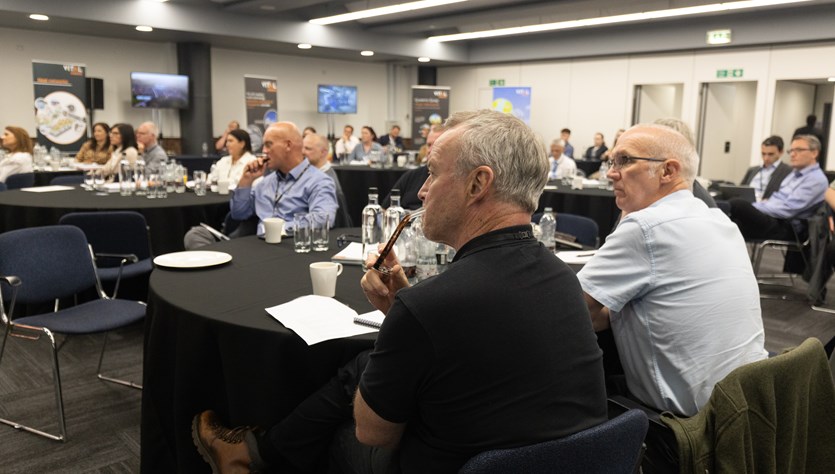
    We had a fantastic time at the “Future of Energy Event”, hearing from inspiring people about the part heat networks, energy conservation measures and renewable energy is playing on the road to net zero.

    We’d particularly like to thank:

    for their contributions to the day. The speakers talked us through some fundamentally important topics such as drivers, policy and stakeholder engagement.

    Our clients provided us with some lessons learnt and best practice from the projects they have delivered and how they hope they can help other public sector organisations follow in their footsteps.

    One particular highlight was introducing two of our green energy apprentices to the attendees. Harvey and Leah took part in a Q&A, spoke eloquently about their careers so far and their hopes for a net zero future.

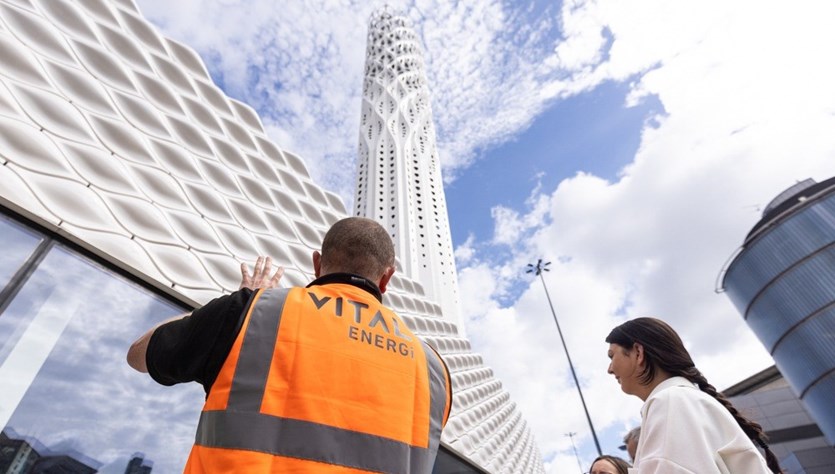
    Members of the Vital Energi team gave guided tours around the Manchester Civic Quarter energy centre as part of the event, highlighting that decarbonisation is already happening.

  • Vital Energi secures £72m of PSDS 3 funding for public sector

    Vital Energi secures £72m of PSDS 3 funding for public sector


    Vital Energi secures £72m of PSDS 3 funding for public sector

    Dedicated to helping the UK achieve its net zero ambitions, Vital Energi has secured £72.3m of Public Sector Decarbonisation Scheme funding for clients across the country, and will deliver projects using the latest technologies to save almost 15,000 tonnes of carbon per year.

    The PSDS funding is administered by Salix Finance on behalf of the Government’s Department for Business Energy and Industrial Strategy (BEIS), who have just announced that £553m has been made available through Phase 3a of PSDS to 160 public sector organisations across the country. This funding is the first part of an overall £1.425 billion due to be allocated through Phase 3 over next three years until 2025.

    We’ve worked closely with our clients to navigate them through the PSDS 3 application process, helping secure 13% of the total funding amount for 9 projects across a range of public sector organisations, including NHS trusts and law courts.

    “PSDS is a great opportunity for public sector organisations to make significant strides on their decarbonisation journeys, and we’re delighted to have helped secure a significant amount of funding on behalf of our clients. We’ll be installing a range of energy conservation measures from insulation and BMS upgrades, to LED lighting, and renewable technologies such as heat pumps and solar. Not only will the implementation of renewable energy schemes deliver a significant reduction in carbon, they will also deliver substantial financial savings – the money saved on energy bills can be reinjected, to enhance the patient experience within hospitals, for example.”

    Ashley Malin, Managing Director of Vital Energi (Solutions)

    Business and Energy Minister, Lord Callanan, said:

    “Using cleaner technology to heat our civic buildings is helping to shield public sector organisations from costly fossil fuels, especially at a time of high global prices. This funding will bring significant savings for taxpayers of well over half a billion pounds each year by making public buildings cheaper to run, heat and cool, whilst supporting economic growth and jobs across the country.”

    The next round of applications to the scheme – Phase 3b – are expected to open in September this year.

    Vital Energi has a proven track record securing PSDS funding for new and existing public sector clients and is engaged in the delivery of over £200m of carbon reduction projects in the public sector through the support of the PSDS funding initiative.

    “Early engagement from an energy services specialist like Vital to develop a range of projects suitable for funding under this kind of initiative, and being in a position to make a successful application at the earliest opportunity, is very important,” said Ashley Malin.

    “Having a delivery partner is an essential factor in the evaluation carried out by Salix Finance. From the projects we’ve been involved in, public bodies who can demonstrate that their projects are well developed and they have a partner in place to deliver the project on time and within budget, with a recognised route through procurement, are more likely to be successful in securing PSDS funding.”

    With PSDS Phase 3b fast approaching, please contact us for further information or to discuss a project you have in mind.

  • Progress at West End Gate

    Progress at West End Gate


    West End Gate Progress

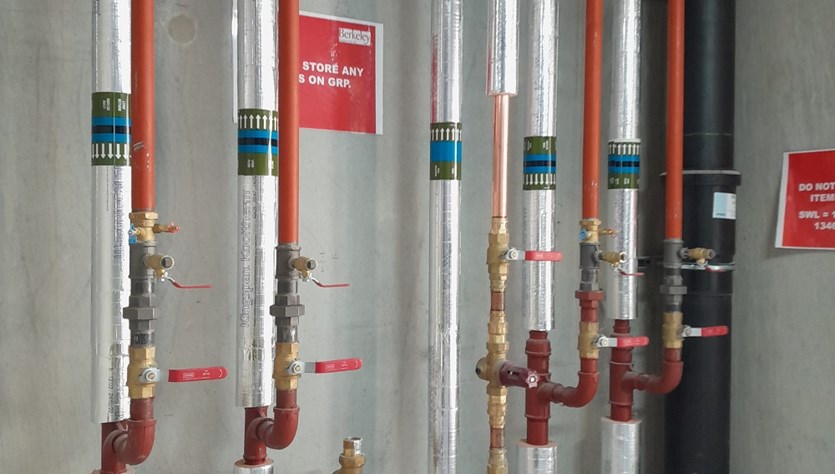
    The Vital team is working hard, and work is progressing well on our two mechanical contracts at Berkeley’s prestigious West End Gate development, which are worth a combined £7.3m.

    We’ve completed the mechanical infrastructure works and apartment fit out for blocks B and D, which comprise 108 apartments over 10 storeys, and residents have now moved in.

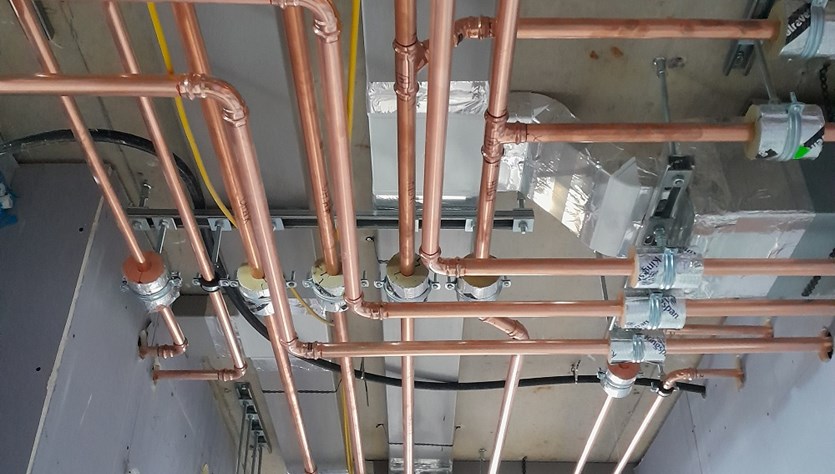
    With regards to blocks E and F, which contain 108 apartments set over 18 floors, we’ve completed 95% of the risers and laterals, and are first fixed within the apartments up to level 14 (with four floors to go) and have commenced second fix on the lower levels.

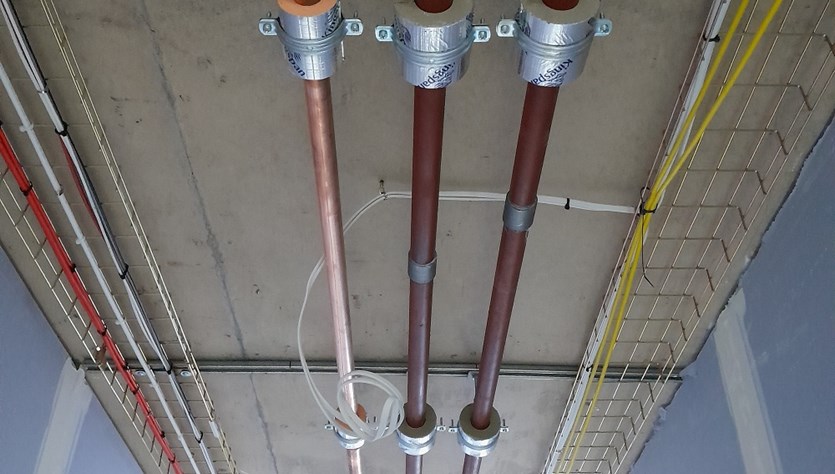
    Once complete, we’ll have installed low temperature hot water and boosted cold water services to each apartment, Heat Interface Units (HIUs) and chilled water for each property along with ventilation systems. Vital will also carry out live safety elements of the project in smoke extract and sprinkler systems, as well as all the internal plumbing.

  • Event success for London

    Event success for London


    Event success for London

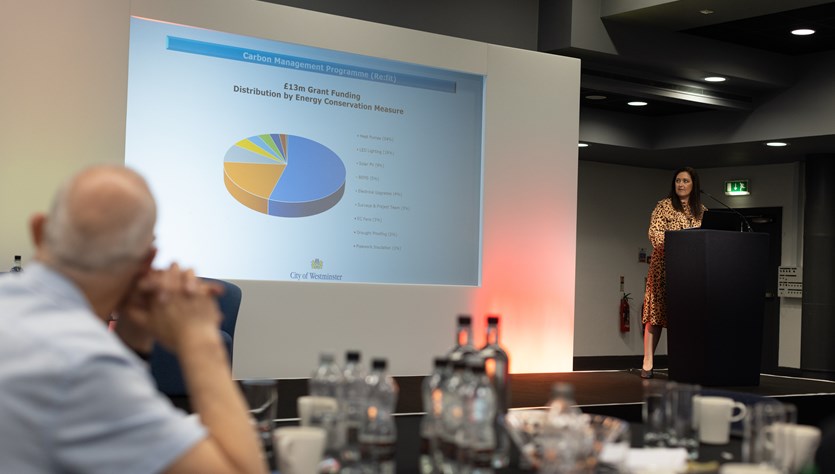
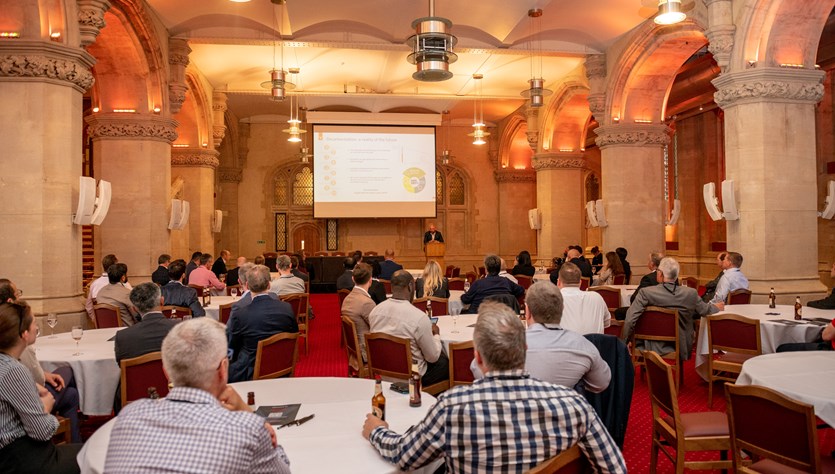
    We recently held our Delivering Decarbonisation event at London’s iconic Guildhall, where we gathered key delegates, stakeholders and guest speakers to learn and share knowledge on how to decarbonise cities, buildings, and homes.

    Local authorities, universities, developers, consultants, property managers and housing associations and turned up to the event, which was a great success, with inspiring presentations from guest speakers and the Vital team, followed by an engaging Q&A with the panel. Guests were then invited to stay for a networking session with drinks and canapés.

    • Craig Anderson did a fantastic job as our MC for the event
    • Our very own Elliott Sharpe discussed the main drivers of climate change in an engaging presentation which had everyone laughing (in a good way!)
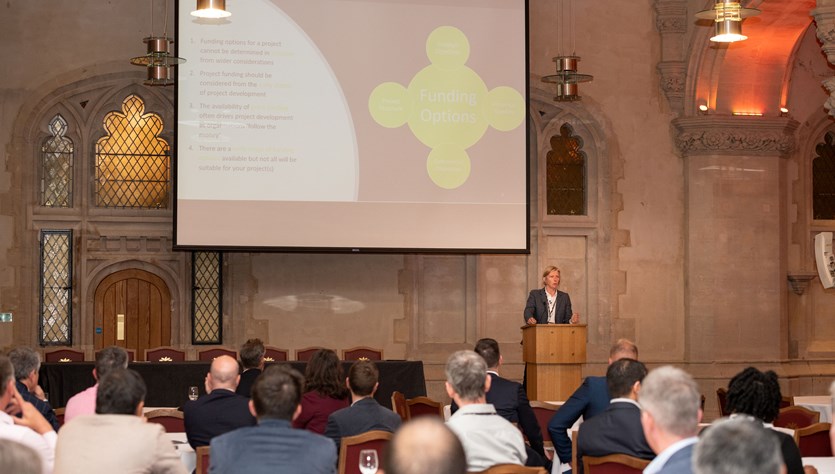
    • Dr Ruth Rule from Energy Direction discussed the funding available through Government support schemes
    • NatWest’s Dominic Brindley delivered a presentation about banks investing in green business and the opportunities available
    • Tom Vosper from Southwark Council discussed the Southwark heat pump project which we’ve recently delivered, highlighting the positive impact on the local community and how the project was funded
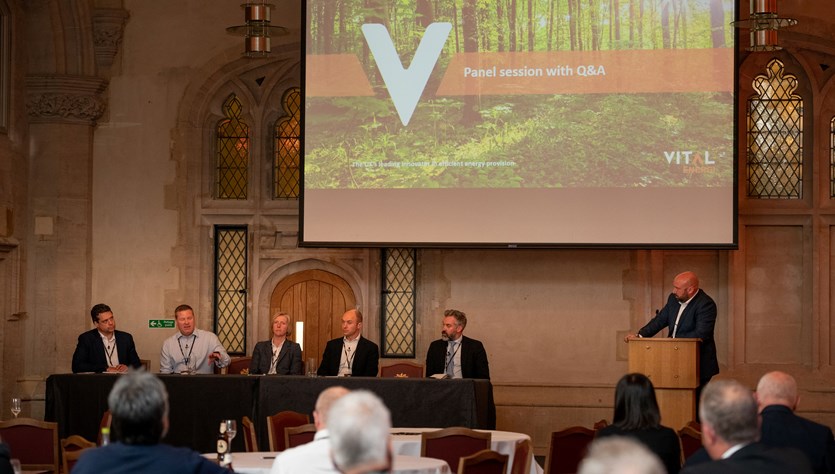
    • The event was rounded off with a Q&A session with the speakers, plus Tony Nash and Chris Yeo. Delegates were invited to submit questions via Slido, and many took the opportunity to do so to learn more about decarbonisation, future technologies, funding, and more.
  • New Heat Network Training Centre Will Support Skills Development

    New Heat Network Training Centre Will Support Skills Development


    New Heat Network Training Centre Will Support Skills Development in the Drive to Net Zero

    Vital Energi is set to support heat network skills development with the opening of a £2M training centre at its Blackburn HQ.

    Heat networks will play an increasingly important role in meeting the UK’s net zero objectives, with the Minister for State for Business, Energy and Clean Growth, Kwasi Kwarteng MP, recently calling for up to £1billion of investment in the industry by 2030.

    Gary Fielding, Chairman of Vital Energi, said: “As a company dedicated to providing sustainable, long-term heat and power solutions, we believe it’s our responsibility to help close the skills gap facing our industry and support the workforce that is set to deliver the UK’s low-carbon future.

    “Our new training centre will focus on knowledge sharing and skills development, providing attendees with the necessary tools to support the Government’s heat network expansion plans. We expect the centre will significantly boost the pool of qualified and experienced workers in the industry.

    “As a business, we already enable individuals seeking a change of career through training and support packages. We will continue to build on this approach by offering apprenticeships, graduate jobs and forging partnerships with higher education institutions in the communities in which we work. With the development of new skills and formal training, we believe our new facility will be an invaluable resource as we work towards achieving the country’s net zero ambitions.”

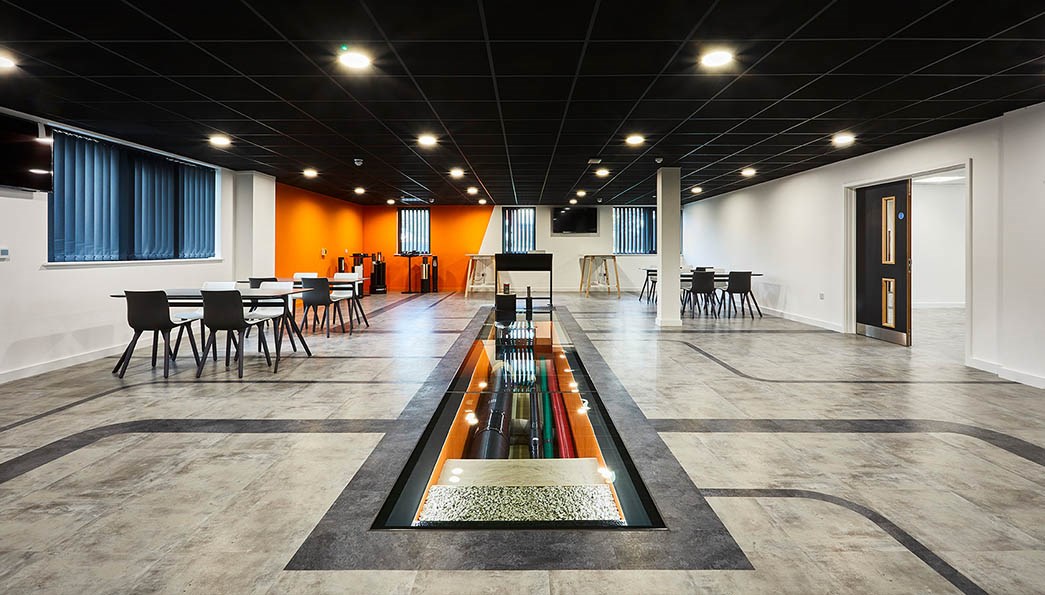
    The centre, which is designed to be both Covid-secure and interactive, utilises a multitude of digital tools to allow heat network training to take place amidst current government restrictions. The new 600m2 facility is home to a 60-seater lecture theatre and seminar-style classrooms. It will provide pioneering demonstrative training resources and collaborative programmes, delivered with industry partners including LOGSTOR, which can be carried out both on and offline.

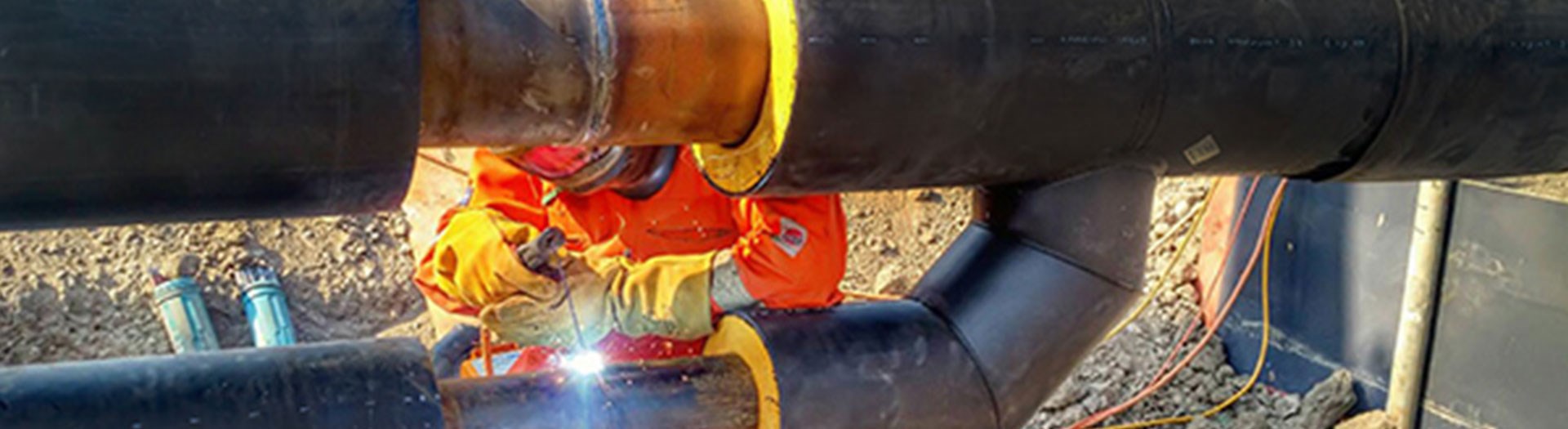
    As district heating pipes are buried below ground, it can be challenging to train individuals without visiting a live project. With site visits impacted by the pandemic, Vital Energi has purpose-built two demonstration trenches which will be used to educate students and existing employees about techniques such as jointing and welding pipes, insulation processes and moisture control.

    The centre will grow the company’s existing relationship with The City of Liverpool College with additional apprenticeship recruitment, presentations and new product training as well supporting courses at other universities and colleges with practical and theoretical education. The facility will also benefit Vital Energi’s existing employees by supporting engineers and designers with skills development opportunities.

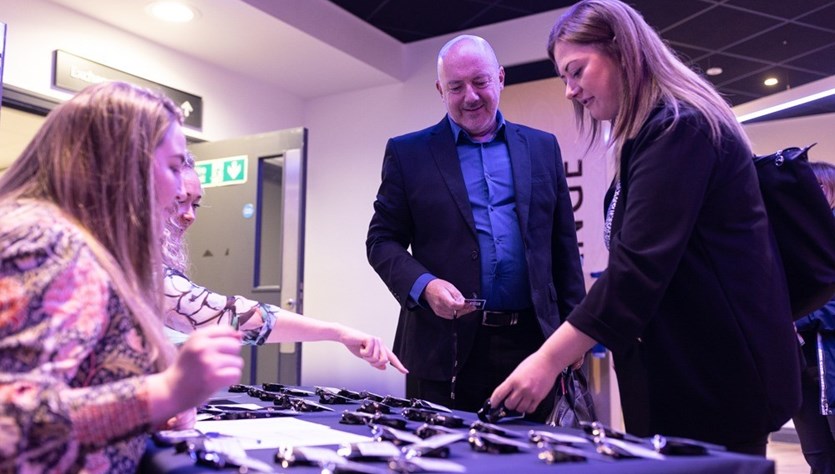
    We are so excited to be working alongside Vital Energi and together we will develop future skills for future jobs. Our partnership is built on the knowledge and skills of Vital Energi’s engineers and the innovative pedagogy of our curriculum leaders at The City of Liverpool College. This new state-of-the-art training centre will play an essential role in developing the science, engineering & digital skills needed to deliver our low-carbon future.

    Sophie Park, Director of Workforce Skills – Liverpool College

  • Vital Energi commits to become net zero by 2035

    Vital Energi commits to become net zero by 2035


    Vital Energi commits to become net zero by 2035

    Vital Energi has embarked on an ambitious journey to net zero pledging to be fully carbon neutral by 2035, and by reducing actual emissions by 50% from 2020 levels by 2030 without using offsets.

    We are developing science-based targets to achieve these goals, and have committed to set company-wide carbon reduction initiatives in line with the international Science Based Targets initiative (SBTi) Net-Zero Standard and Business Ambition for 1.5°C.

    As well as helping clients across the UK transition to a low carbon future, we’re taking responsibility ourselves too. Our commitment to developing science-based carbon reduction targets demonstrates the measurable actions we are taking to reduce our environmental impact.

    As part of our carbon reduction plan, we’re currently implementing a number of steps to accelerate our journey to net zero, including:

    • Replacing lights across our offices with LED fittings.
    • 75% of our fleet is electric or hybrid, and this is growing.
    • Developing more environmentally conscious means for travel to work and site visits, such as car-pooling, public transport, and promoting digital and remote means of operating where possible.
    • Reduced reliance upon fossil fuels for construction sites through exploring more temporary electricity supplies, electrically power plant and/or biofuel blend of fuel for construction site generators, and mobile machinery.
    • Site welfare facilities and accommodation powered and heated by renewable energy.

    We also have further exciting initiatives in the pipeline to help reach our target.

    “By making a bold commitment to achieve net zero well ahead of the 2050 target, we are demonstrating our ongoing commitment to responsible and sustainable operations. As an industry leader in sustainable energy solutions we recognise that it is important to set ambitious science-based targets to demonstrate to our clients and peers that not only is this the right thing to do but that it is practically and commercially possible.”

    Craig Anderson, Vital Energi’s Sustainability Director

    The next step for Vital is to further develop our science-based targets and become validated by the SBTi.

    Over 2,000 businesses around the world are working with the SBTi, which provides a clearly defined pathway for companies to reduce greenhouse gas emissions, helping prevent the worst impacts of climate change and future-proof business growth. Targets are considered ‘science-based’ if they are in line with what the latest climate science deems necessary to meet the goals of the Paris Agreement, an international treaty on climate change, limiting global warming to well-below 2°C above pre-industrial levels and pursuing efforts to limit warming to 1.5°C.

  • Plymouth advance towards net zero thanks to new partnership with Vital

    Plymouth advance towards net zero thanks to new partnership with Vital


    Plymouth’s journey to net zero progresses thanks to new partnership with Vital Energi

    Vital Energi are helping Plymouth City Council achieve their goal of a net zero city by 2030 by delivering carbon savings of just under 300 tonnes a year through the installation of advanced renewable energy technologies across five of their buildings and the combined law courts.

    Low carbon heat will be delivered to six of Plymouth’s key city centre buildings, including Ballard House, Plymouth City Council’s 7-storey head office, Crownhill Court, Grade II* listed Victorian townhouse, Elliot Terrace, and the Guildhall, which is a Grade II listed building owned by the council, linked by a heat network to the Council House and Plymouth Combined Court. This is part one of a larger programme of decarbonisation by the Council.

    The buildings currently rely on individual gas fired boilers for heat, which release combustion gases and carbon emissions to the atmosphere via a flue in each building. Vital Energi are providing the complete design, supply, delivery, installation, testing, commissioning, and monitoring for the installation of Air Source Heat Pumps (ASHP) which will be connected to the existing heating system.

    ASHPs are one of the most effective technologies for reducing carbon. They absorb heat from the outside air, transfer it to a liquid and compress it to heat the temperature further.  The heat is then transferred from the liquid to water and distributed throughout the network to provide heat to the connected buildings. ASHPs can still extract heat when air temperatures are as low as -15°c, which is far lower than Plymouth ever gets!

    Vital Energi are also undertaking alterations to parts of the heating system pipework and controls within the existing building; this is to reduce the heating system operating temperatures to support the lower optimum ASHP operating temperatures and maximised efficiencies.

    All four sites will be remotely monitored via a building management system (BMS) too, so performance can be monitored over time and amendments can be made to controls settings and software remotely.

    Rob Callaghan, Managing Director of Vital Energi for the London and Southern Division, said:

    “We are grateful to Plymouth City Council for giving us the opportunity to work in the team that is focused on carrying out this important retrofitting work to Plymouth public sector estate.”

    “This is a huge step forward in plans to tackle the climate crisis and I’m really pleased we’ve been able to secure the funding. I know that for a lot of people out there, the Council changing how it heats its buildings isn’t ground-breaking news. But for us, it’s about setting an example.”

    Councillor Maddi Bridgeman, Cabinet member for the Environment & Street Scene

    This project, which provides further opportunities to extend a heat network within Plymouth city centre as a comprehensive redevelopment programme to serve other developments in the future, received grant funding from the Public Sector Decarbonisation Scheme (PSDS), which is administered by Salix on behalf of the Government’s Department for Business Energy and Industrial Strategy (BEIS).

  • New private wire connection to Camden’s district heating system

    New private wire connection to Camden’s district heating system


    New private wire connection to Camden’s district heating system

    The Francis Crick Institute in King’s Cross is now connected to a cogeneration plant and district heating network, installed by Vital Energi, which is supplying heating and hot water to over 500 homes across Somers Town in Camden.

    The institute is receiving a low carbon power supply through a private wire network to support the essential research being undertaken at the facility.

    Designed and delivered by Vital Energi, the Somers Town Heat Network, which has been operational since 2015, provides heat and hot water to the residents.  It comprises a combined heat and power (CHP) unit which generates electricity. The CHP’s power supply has been directed through a private wire network to the Crick, allowing the Institute to benefit from their own decentralised electricity supply.

    The Vital Energi team had to ensure there was no vibration during the works to avoid impacting the sensitive scientific equipment and experiments taking place within the building. They made the decision to hand dig a lot of the elements within a confined space over 2 floors deep (4m), which took nine months to complete.

    The project presented a number of issues when the team began digging, as they had to overcome logistical issues working around two live Victorian gas mains, and dismantle a buried steel frame which was used to support the foundation wall during construction in 2010.

    The location of the installation, close to Euston Station and St. Pancras International Station, presented challenges too. The area involved removal and reinstatement of cobbles, working on busy highways and walkways, and dealing with the congested existing utilities in central London.

    “After overcoming numerous challenges on-site, we’re really pleased to have successfully installed the HV private wire, which will provide the Crick with a resilient electricity supply and help accelerate the Camden’s journey to net zero. We’ll manage all aspects of maintenance and compliance to ensure high standards of safety and reliability at all times.”

    David O’Neill, Operations Director at Vital Energi

    Lee Downes, Project Manager at the Francis Crick Institute, said:

    “We are proud to have contributed to the funding of this project as part of our partnership with Camden Council, helping cut borough emissions and transition to a low carbon future. The implementation of this scheme was tricky to coordinate with seven organisations working together in a sensitive environment. We’re very pleased with the outcome.”

  • Helping Brighton and Hove City Council decarbonise their buildings

    Helping Brighton and Hove City Council decarbonise their buildings


    Helping Brighton and Hove City Council decarbonise their buildings

    Vital Energi are helping Brighton and Hove City Council tackle climate change and work towards their target of net zero by 2030 after undertaking audits across a number of their buildings to identify energy and carbon savings opportunities.
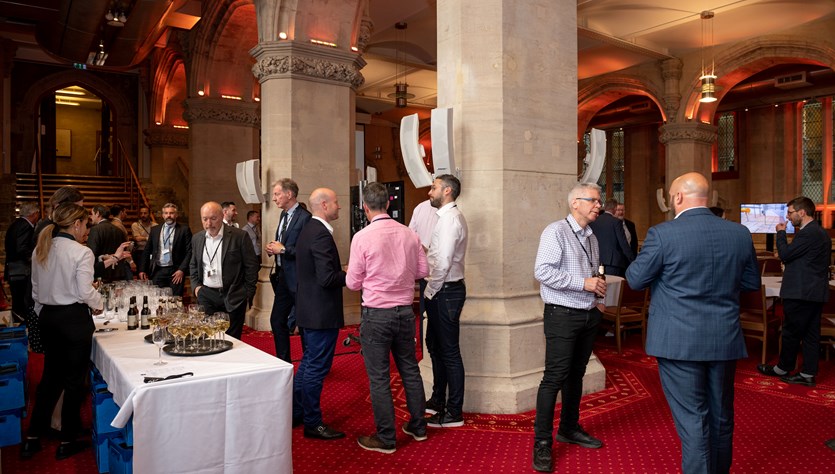
    We have completed energy audits across 19 public sector buildings, including schools, nurseries, libraries and care homes, and identified a number of ways to improve energy efficiency, reduce carbon emissions, and save money.

    Measures include glazing upgrades, LED lighting replacements, BEMS optimisation, and heating and ventilation improvements, along with the installation of solar PV on the roofs, and heat pump technology.

    If all of the identified measures are implemented, the council could reduce emissions associated with the combustion of gas by 95%, and the total annual CO2 reduction would be 72%.

    “It’s great to work with another local authority and help them on their path to decarbonisation. Through the implementation of the energy conservation measures we’ve identified, the council can significantly reduce their carbon footprint and energy expenditure, as well as empowering local communities and businesses to a net zero future, whilst providing a cleaner, greener environment for the occupants of the buildings too.”

    Rob Callaghan, Managing Director of Vital’s London division

  • Ground-breaking joint venture will accelerate UK’s journey to net zero

    Ground-breaking joint venture will accelerate UK’s journey to net zero


    Ground-breaking joint venture will accelerate UK’s journey to net zero

    Gas distribution company SGN and UK renewable energy solutions provider Vital Energi are combining to form a unique and pioneering private sector initiative to develop, own and operate low and zero-carbon heat networks.

    The 50:50 joint venture will create an Energy Services Company (ESCO), representing the UK’s leaders in utility infrastructure and heat networks to provide affordable and low-carbon infrastructure to SGN’s existing land portfolio. This includes delivery of heat to developments planned by SGN’s property arm, SGN Place, and the local vicinities where there is a demand for low-carbon heat.

    It is estimated that the heat network market requires approximately £30 billion of investment by 2050 to meet the UK Government’s net zero targets, and the decarbonisation of heat has been highlighted as a particular challenge where heat networks can offer a solution. The Climate Change Committee’s Sixth Carbon Budget suggests the UK should target 20% of UK heat demand through low-carbon heat networks by 2050.

    Together, SGN and Vital have ambitious plans to establish solutions to this challenge across strategically located sites. These locations are a combination of redundant sites owned by SGN and others which will be developed over time through Vital’s existing market presence.

    The objective is to supply new and existing residential, industrial and commercial facilities and development activity is already underway for two projects in Scotland and the South East, with another 20 in the pipeline.

    SGN is looking to develop alternative heat solutions alongside its core gas distribution business and expand into the growing district heating market, recognising the future of heat is likely to include a mix of technological solutions and energy sources.

    Vital Energi is seeking to expand into asset ownership opportunities to complement its core design, build and operations businesses.

    The complementary skillsets of both organisations will offer a compelling proposition for developers, commercial and industrial users and public sector bodies seeking low-carbon heat solutions.

    SGN’s Director of Commercial Services and Investments Marcus Hunt said: “Heat networks are likely to play an increasing role in the delivery of UK heat in the context of net zero. The creation of this joint venture with market-leading Vital Energi enables us to build a presence in this emerging market, delivering new heat infrastructure and supporting decarbonisation.”

    With an established presence in the UK heat network market, this partnership is a major step for Vital Energi to expand its asset ownership solution.

    “We’re really excited to be extending our asset ownership portfolio and working alongside SGN on regeneration initiatives that will revolutionise the heat network market. Combining the resources, expertise and know-how of both organisations will allow us to play a major role in delivering the UK’s transition to low and zero-carbon heat.”

    Nick Gosling, Vital Energi’s Chief Strategy Officer